Quick Navigation
Let's be honest. When your furry friend seems a bit off—maybe they're scratching more than usual, seem anxious during thunderstorms, or their joints are getting a little creaky with age—your first instinct might be to reach for something from the vet. And that's often the right call. But have you ever found yourself wondering if there's a more natural path? Something you could maybe grow in your garden or pick up from a health store? That's where the world of herbs for dogs comes in.
I remember when my own dog, a spirited terrier mix, started showing signs of seasonal allergies. The vet's solution worked, but I hated the idea of long-term medication if there was another way. So I started digging. I talked to holistic vets, read studies (some were dense, I'll admit), and even tried a few gentle herbs myself, with my vet's guidance. What I found was a fascinating middle ground—a place where ancient wisdom meets modern pet care. But I also found a ton of confusing, and sometimes downright dangerous, information online.
That's why I wanted to put this guide together. Not as an expert, but as a fellow dog owner who's been down this rabbit hole. This isn't about replacing your vet. It's about having an informed conversation with them. We'll look at which herbs for dogs are genuinely helpful, which ones to avoid like the plague, and how to use them safely without causing more harm than good.
Safety First: The Non-Negotiable Rules for Using Herbs
Before we get to the fun list of herbs for dogs that can help, we have to talk about the boring but critical stuff: safety. This is the part most blog posts skim over, and it drives me crazy. Nature is powerful, and "natural" doesn't automatically mean "safe for my 10-pound Chihuahua."
First and foremost, always, always talk to your veterinarian. I know, it sounds obvious. But you'd be surprised how many people try herbs for dogs as a first resort without a professional opinion. A good vet will either have the knowledge or can refer you to a veterinary herbalist or a vet who practices integrative medicine. The American Holistic Veterinary Medical Association (AHVMA) is a great place to find a practitioner who understands this stuff.
Your dog is an individual. Their size, breed, age, and current health status (especially liver and kidney function) dramatically change how they'll process an herb. A herb that's fantastic for a healthy adult Labrador could be problematic for a senior dog with pre-existing conditions.
Start low and go slow. This is the golden rule. Begin with a tiny fraction of the suggested dose and observe your dog for several days. Watch for any changes in behavior, appetite, or bowel movements. Patience is key. Herbs for dogs often work subtly over time, not overnight like some pharmaceuticals.
Quality matters. You can't just grab any cheap powder off the internet. Look for reputable brands that specify the plant's Latin name (to avoid confusion), list the part of the plant used (root, leaf, flower), and ideally, offer some form of third-party testing for purity and potency. Contaminants are a real risk in the supplement world.
The A-List: Safe and Beneficial Herbs for Dogs
Okay, with the safety lecture out of the way, let's explore some of the stars of the canine herbal world. These are herbs with a decent track record, both in traditional use and, for some, growing scientific backing. Think of this as your starting point for research and discussion.
For Calming Nerves and Easing Anxiety
Fireworks, separation, vet visits—some dogs live in a state of low-grade worry. While serious anxiety needs professional behavioral help, these herbs for dogs can take the edge off.
- Chamomile (Matricaria recutita): The gentle giant of calming herbs. It's not going to knock a panicked dog out, but it's fantastic for mild situational anxiety. I've used a cooled chamomile tea (just the plain stuff, no added ingredients) in my dog's water bowl before a car trip. It seemed to take the jitters down a notch. It's also anti-inflammatory and can soothe an upset tummy.
- Valerian Root (Valeriana officinalis): This one is stronger. It has a sedative effect and is often used for noise phobias. Fair warning—it smells like old socks. Really, really strongly. Your dog won't mind, but you might. It's best used intermittently, not daily, and under guidance.
- Ashwagandha (Withania somnifera): This adaptogen is gaining popularity for pets. Instead of directly sedating, it's thought to help the body better manage stress. The research is newer for dogs, but some holistic vets are starting to recommend it for chronic, low-level stress.
Why do these herbs for dogs work? They often contain compounds that interact with neurotransmitter systems in the brain, similar to how some anti-anxiety medications work, but generally with a milder and broader effect.
For Supporting Joint Health and Mobility
Watching an older dog struggle to get up is heartbreaking. Alongside weight management and appropriate exercise, certain herbs can be wonderful supporters.
- Turmeric (Curcuma longa): This is the poster child for anti-inflammatory herbs for dogs. The active compound, curcumin, is a potent inflammation fighter. But here's the catch—it's poorly absorbed on its own. It needs to be given with a bit of fat (like coconut oil) and a pinch of black pepper (which contains piperine, an absorption booster). Don't just buy turmeric powder from the grocery store; look for a pet-specific formulation that addresses bioavailability.
- Boswellia (Boswellia serrata): Also known as Indian Frankincense. This is another powerful anti-inflammatory that specifically targets joint and connective tissue. It's a common ingredient in high-quality canine joint supplements. Studies, like those referenced by the National Center for Biotechnology Information (NCBI), have shown promising results for osteoarthritis.
- Devil's Claw (Harpagophytum procumbens): A traditional remedy for pain and inflammation. It can be very effective, but it's not for every dog. It can interact with some medications and isn't recommended for dogs with ulcers or certain digestive issues. This is a prime example of an herb where vet guidance is non-optional.
For Digestive Harmony
A gurgly belly, occasional diarrhea, or just a picky eater—digestive issues are common. These herbs for dogs can be gentle helpers.
- Ginger (Zingiber officinale): A fantastic all-rounder for nausea and digestive upset. A tiny bit of freshly grated ginger (think a quarter teaspoon for a large dog) can help with car sickness or an upset stomach. It's warming and stimulating for digestion.
- Slippery Elm Bark (Ulmus rubra): This isn't a herb that gets absorbed; it works by coating and soothing the digestive tract. It's like a soothing blanket for an irritated stomach or intestines. It's my go-to for short bouts of diarrhea. You mix the powder with cold water to form a gel-like substance and administer it separately from meals or medications, as it can interfere with absorption.
- Fennel Seed (Foeniculum vulgare): Great for gas and bloating. A few crushed seeds can help settle a gassy belly. It has a mild licorice flavor some dogs enjoy.
The Danger Zone: Herbs That Are Toxic to Dogs
This list is just as important. Some plants commonly thought of as "herbs" or found in gardens are highly toxic. The ASPCA Animal Poison Control Center is an essential resource for any pet owner, and they maintain comprehensive lists of toxic plants.
| Herb/Plant | Common Use/Where Found | Risk Level & Potential Effects |
|---|---|---|
| Comfrey (Symphytum officinale) | Herbal salves, gardens. Valued for external healing. | High Risk. Contains pyrrolizidine alkaloids (PAs) which can cause severe, irreversible liver damage if ingested. Never use internally for dogs. |
| Pennyroyal (Mentha pulegium) | Insect repellent, mint family member. | High Risk. Extremely toxic to the liver and can cause fatal liver failure. Even small amounts are dangerous. |
| Foxglove (Digitalis purpurea) | Ornamental garden plant. | Extreme Risk. The source of the heart medication digoxin. Ingestion by a dog can cause fatal heart arrhythmias. |
| Mugwort (Artemisia vulgaris) | Sometimes used in folk medicine. | Moderate-High Risk. Can cause neurological symptoms like tremors and seizures. Essential oil is especially dangerous. |
| Nutmeg (Myristica fragrans) | Common kitchen spice. | Moderate Risk. Contains myristicin, which can cause hallucinations, disorientation, high heart rate, and seizures in dogs. |
See a plant you have in your yard? It might be time for a garden audit.
How to Actually Give Herbs to Your Dog
So you've chosen an herb, cleared it with your vet, and found a quality source. Now what? You can't just explain to your dog that this weird powder is good for them.
Forms: Herbs for dogs come as dried herbs (for teas), powders, tinctures (alcohol extracts), glycerites (alcohol-free extracts), and capsules. Powders are often easiest—you can mix them into a strongly-smelling wet food. Tinctures can be given directly in the mouth or on food, but check the alcohol content; glycerites are a gentler alternative.
Dosing: This is the million-dollar question, and I'm not giving specific numbers here because it's irresponsible without knowing your dog. Dosing is typically based on weight. Your vet or a veterinary herbalist will calculate a safe starting dose. Never assume a "human dose" from a bottle and just divide it by your dog's weight—pet formulations are different.
A Simple Soothing "Paw-ty" Tea Rinse for Itchy Paws
This is a safe, external-only recipe I've used for my dog's occasional paw licking. It's not a cure for allergies, but it can offer temporary relief.
- 1 tablespoon dried calendula flowers (soothing, antifungal)
- 1 tablespoon dried chamomile flowers (calming, anti-inflammatory)
- 2 cups of boiling water
Steep the herbs in the boiling water for 15-20 minutes, covered. Strain and let it cool completely to room temperature. Soak a clean cloth in the tea and gently wipe your dog's paws, or pour it into a shallow basin for a quick paw soak. Pat dry thoroughly. Discard any unused portion after 24 hours.
For internal use, consistency is more important than a large dose. A small, regular amount is often more effective than a big dose once in a while.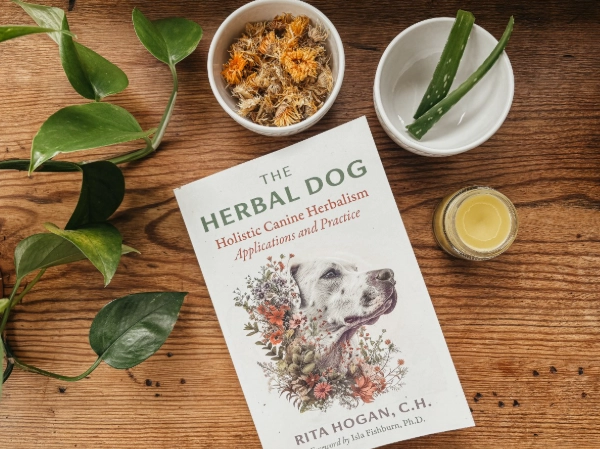
Answering Your Questions: Herbs for Dogs FAQ

Putting It All Together: A Realistic Approach
Exploring herbs for dogs shouldn't be an act of rebellion against conventional vet care. The smartest approach is integrative. Your regular vet handles diagnostics, emergencies, and prescriptions. A holistic vet or herbalist can guide the supportive, wellness-focused use of herbs. They should work as a team, or at least be aware of each other's plans.
Keep a simple journal. Note the herb, the dose, when you started, and any changes you observe—good or bad. This turns your experience from guesswork into useful information for you and your vet.
Finally, manage your expectations. Herbs are not magic bullets. They are tools. For a dog with severe hip dysplasia, turmeric isn't a substitute for pain medication, but it might be a fantastic supporter that allows you to use a lower dose of that medication. For a mildly anxious dog, chamomile might be all they need; for a dog with severe storm phobia, herbs may only be a small part of a larger behavioral and sometimes pharmaceutical plan.
It's a journey, not a destination.
The world of herbs for dogs is rich and promising, offering gentle ways to support our pets' well-being. But that promise only holds if we navigate it with caution, respect, and a heavy dose of common sense. Start with the safest options, partner with a professional who gets it, and always, always put your unique dog's needs first. Their wagging tail is the only review that really matters.





Leave a comment