Guide Overview
- Why Bother Diluting? It's All About Safety First
- Choosing Your Base: What Kind of Broth is Safe to Dilute?
- The Main Event: Step-by-Step Guide on How to Dilute Chicken Broth for Cats
- When and How to Use Diluted Broth Effectively
- Answers to the Questions You're Probably Asking
- A Few Parting Thoughts From One Cat Owner to Another
Let's be honest. Getting some cats to drink enough water can feel like a part-time job. You buy the fancy fountain, you put bowls in weird places, and still, they turn their nose up. I've been there with my own cat, Toby. He'd look at his water bowl like it offended him personally. That's when I started looking into chicken broth. It seemed like a magic trick—a little flavor to entice him to hydrate. But then I hit a wall of confusing information. Is store-bought broth okay? How much is too much? And the big one: how do you actually dilute chicken broth for cats so it's safe and effective?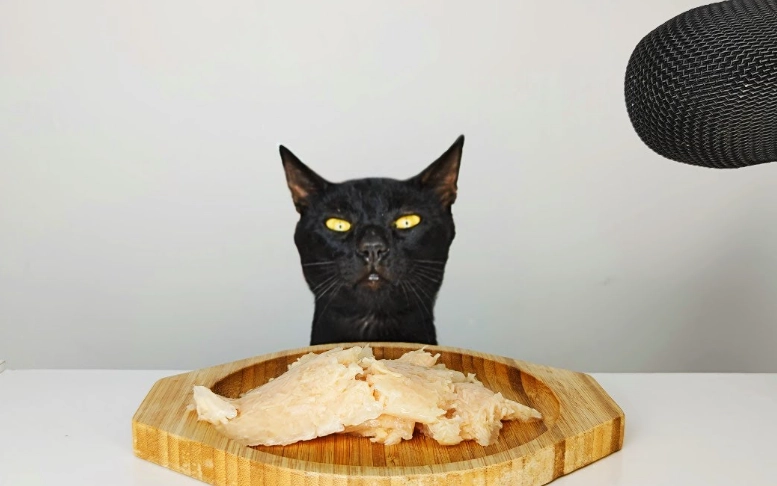
It turns out, it's not as simple as just pouring some broth from a carton into a bowl. Get it wrong, and you could be doing more harm than good. The sodium in regular broth is no joke for a cat's tiny kidneys. Onion and garlic powder, common in human broths, are outright toxic. So this whole "how to dilute chicken broth for cats" question becomes pretty crucial. It's the difference between a helpful hydration boost and a potential vet visit.
This guide is what I wish I'd found when I was first searching. We're going to break it down, step-by-step, without the fluff. We'll cover why dilution isn't just a suggestion—it's a must. We'll look at the best broths to start with (store-bought and homemade), nail down the safe ratios, and talk about when and how to use this trick. Whether your cat is a picky drinker, recovering from an illness, or just needs a little encouragement, knowing the proper way to prepare this treat is key.
Let's get this out of the way first: Never, ever give your cat straight, undiluted broth meant for human consumption. The sodium levels are almost always dangerously high, and hidden ingredients like onion or garlic can cause serious health issues. Dilution is non-negotiable.
Why Bother Diluting? It's All About Safety First
You might think a few licks of straight broth won't hurt. I thought that too, at first. But cats are small, and their bodies process things very differently than ours. The core reason for learning how to dilute chicken broth for cats boils down to two major risks: sodium and toxic additives.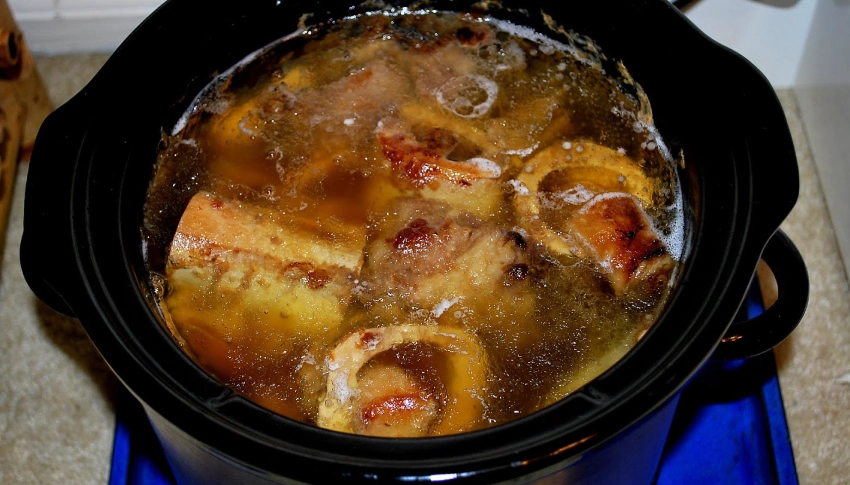
Commercial broths and stocks are designed for the human palate, which can tolerate—and even enjoy—much higher salt content. A single cup of some store-bought chicken broths can contain nearly 1000 mg of sodium. For a 10-pound cat, that's a massive, potentially kidney-straining dose. The VCA Animal Hospitals notes that excessive sodium intake can lead to increased thirst, urination, and in severe cases, sodium ion poisoning. Diluting the broth dramatically reduces this sodium load per serving.
Then there's the stealth danger: alliums. Onions, garlic, leeks, and chives are common flavor enhancers in broths, often in powdered form. These are highly toxic to cats, damaging their red blood cells and causing anemia. The ASPCA's Animal Poison Control Center clearly lists onions and garlic as toxic. Even a small amount in a concentrated broth can be problematic. Dilution helps, but the best practice is to start with a broth that is completely free of these ingredients.
Beyond safety, there's a practical side. A heavily diluted broth is mostly water—which is exactly the point! You're using the enticing chicken flavor to get more plain water into your cat. If the broth is too strong, they might just lick off the tasty top layer and ignore the water underneath, or they might fill up on the broth itself and eat less of their nutritionally balanced food.
I made the mistake once of giving Toby a broth that was too strong, thinking "more flavor is better." He lapped it up, sure, but then he skipped his next meal. Lesson learned. The goal is hydration support, not a meal replacement.
Choosing Your Base: What Kind of Broth is Safe to Dilute?
Your starting point matters immensely. You can't just grab any box off the supermarket shelf. The quality and content of the base broth set the stage for everything that follows in the process of diluting chicken broth for cats.
The Store-Bought Route: A Minefield of Labels
If you're going commercial, you need to become a label detective. Look for broths that are:
- Low-Sodium or No-Salt-Added: This is the absolute bare minimum. Even "low-sodium" versions will usually need significant dilution.
- Free of Onion & Garlic: Scan the ingredient list meticulously. Watch out for vague terms like "natural flavors" or "spices," which can be hiding places for onion/garlic powder. If in doubt, skip it.
- Free of Other Harmful Additives: Avoid broths with added sugar, artificial flavors, or preservatives like monosodium glutamate (MSG). Simple is best.
There are a few pet-specific broths and "bone broths" on the market now. These are formulated to be safe for pets and often have simpler ingredients. They're a great option, though they can be pricier. Even these pet broths often recommend dilution or moderation, so always check the label.
The Homemade Champion: Ultimate Control
Making your own chicken broth for cat dilution is easier than it sounds and gives you total control. You literally need three things: chicken parts (bones, wings, necks), water, and a pot (or a slow cooker).
Simple Safe Cat Broth Recipe: Place raw or cooked chicken bones (carcass from a roasted chicken works great) in a large pot. Cover completely with water. Bring to a boil, then reduce to the lowest possible simmer. Let it cook for 12-24 hours. The long, slow cook extracts the nutrients and flavor from the bones without needing any seasoning. Let it cool, strain out all the solids (bones are a choking hazard!), and skim off the fat that solidifies on top. What you're left with is a pure, unseasoned, gelatin-rich broth. It's naturally low in sodium and free of toxins. This is the gold standard for knowing how to prepare and dilute chicken broth for your cat with complete confidence.
The downside? Time. It takes planning. But you can make a big batch and freeze it in ice cube trays for easy use.
| Broth Type | Pros | Cons | Best For... |
|---|---|---|---|
| Homemade, Unseasoned | Complete control, no sodium/toxic ingredients, nutrient-rich | Time-consuming to make | Cat owners who want the safest, purest option and don't mind prep work |
| Pet-Specific Commercial Broth | Convenient, formulated for pets, usually safe ingredients | More expensive, may still contain trace additives | Quick convenience, good for trying the method out first |
| Human Low-Sodium, No Onion/Garlic | Readily available in stores | Requires extreme label vigilance, sodium still present | A last resort if other options are unavailable; requires heaviest dilution |
The Main Event: Step-by-Step Guide on How to Dilute Chicken Broth for Cats
Alright, you've got your safe base broth. Now let's get to the practical part. The dilution ratio isn't a single magic number—it depends on what you started with and why you're using it.
Standard Dilution Ratios: A Starting Point
Think of these as guidelines, not rigid rules. Your cat's preference is the final judge.
- For Homemade or Pet-Specific Broth: Start with a 1:3 ratio (one part broth to three parts water). This makes a lightly flavored "chicken water." You can adjust from here. Some cats prefer it even weaker (1:4 or 1:5), especially at first.
- For Human Low-Sodium Broth (No Onion/Garlic): You need to be more aggressive. Start with a 1:5 or even 1:6 ratio. Remember, the goal is to make the sodium concentration negligible.
How do you mix it? It's simple. If you're using a tablespoon of broth, add three tablespoons of warm (not hot) water. Stir well. I find warm water helps the broth and water integrate better than cold. Never use boiling water, as it can destroy some nutrients and risks burning your cat's mouth.
Practical Tips for Mixing and Serving
Pro Tip: Mix in a separate cup or bowl before pouring it into your cat's dish. This ensures a consistent flavor throughout and prevents your cat from just licking a broth "puddle" off the top.
Temperature matters. Serve it at room temperature or slightly cool. Cats often dislike very cold liquids (it can be hard on their teeth and stomachs), and they are naturally wary of anything too warm.
Quantity is key. This is a treat or a hydrating aid, not a meal. For an average-sized cat, start with a small amount—think 1-2 tablespoons of the diluted mixture total per day. You can offer it in a separate small dish next to their water, poured over their dry food (go light, you don't want soggy kibble sitting out), or even frozen into broth popsicles for a summer treat.
What if your cat doesn't go for it immediately? Some are suspicious of new things. Try offering it on a spoon first, or let them see you dip your finger in it (weird, but it works). Patience is key.
When and How to Use Diluted Broth Effectively
Understanding how to dilute chicken broth for cats is half the battle. Knowing when to deploy this tool is the other half. It's not an everyday necessity for every cat, but it's a fantastic trick to have up your sleeve.
For the Picky Drinker: This is the classic use case. Offer the diluted broth in a clean bowl placed away from their food bowl. Some cats don't like food smells near their water. You can offer it once a day as a "hydration snack." The novelty often gets them lapping.
During Illness or Recovery: If your cat is under the weather, has a reduced appetite, or is recovering from a procedure, diluted broth can be a godsend. It provides easy-to-consume fluids and a tiny bit of energy. Always consult your vet first, especially if your cat is on medication or has a specific condition like kidney disease, where electrolyte balance is critical. Your vet might recommend a specific dilution or even advise against it.
For Senior Cats: Older cats sometimes have diminished thirst drives or dental issues that make eating dry food less appealing. A little warmed, diluted broth poured over their wet food can make it more aromatic and easier to eat, increasing both food and fluid intake.
My senior cat, before she passed, went through a phase of barely drinking. A tiny bit of diluted homemade broth mixed into her pate-style wet food was the only way I could get extra moisture into her. It made a real difference in her energy levels.
As a Occasional Treat: Think of it like a cat-friendly sports drink. After a play session on a hot day, or just as a little weekend bonus, a spoonful of diluted broth can be a nice reward. It's far better than many processed cat treats.
Storage is straightforward. Keep unused, diluted broth in a sealed container in the refrigerator for no more than 48 hours. The FDA's general food safety guidelines for refrigeration apply here. For the base broth (especially homemade), freeze it in small portions (ice cube trays are perfect) to maintain freshness and make daily use easy.
Answers to the Questions You're Probably Asking
Can I use bouillon cubes or powder to make broth for my cat?
I'd strongly advise against it. These are intensely concentrated and almost always loaded with sodium, artificial flavors, and onion/garlic powder. Even a tiny amount diluted in a gallon of water could leave a harmful residue. It's not worth the risk. Stick to liquid broths where you can verify the ingredients.
How often can I give my cat diluted chicken broth?
For a healthy cat, offering a small amount (1-2 tbsp of the diluted mix) once a day is generally fine as part of a balanced diet. It shouldn't replace their regular water intake. Think of it as a supplement, not a staple. If you're using it for a specific issue like encouraging a sick cat to drink, follow your veterinarian's advice on frequency.
My cat loved it! Can I just add more broth to make it tastier?
Resist the urge! This is the slippery slope. If you keep increasing the broth concentration to please them, you're right back to the sodium and additive problem. Instead, if they love the 1:3 mix, great. Keep it there. The goal is to get them to accept a mildly flavered liquid, not become addicted to a strong broth. If they stop drinking it, they might just be bored—try skipping a day or two.
Are there any cats who shouldn't have diluted broth?
Yes. Cats with diagnosed kidney disease, heart conditions, or hypertension (high blood pressure) often need strict sodium-restricted diets. Even diluted commercial broth might introduce too much sodium. Always, always talk to your vet before introducing something new if your cat has a chronic health condition. For these cats, your vet might recommend making a special, ultra-diluted homemade broth or using a veterinary-prescribed hydrating supplement instead.
What are some alternatives if broth doesn't work?
If the whole how to dilute chicken broth for cats project fails, don't fret. Other tricks include:
- Water Fountains: Many cats prefer moving water.
- Multiple Water Stations: Place bowls in quiet, safe locations away from their litter box.
- Wet Food Diet: This is the most effective way to increase moisture intake. Canned or pouch food is about 70-80% water.
- Broth-Free "Soups": Try adding a little warm water to their wet food and mashing it into a gravy.
The core principle behind learning how to dilute chicken broth for cats is enhancement, not replacement. You're enhancing their plain water with a safe, enticing flavor to promote a healthy behavior. It's a helper tool in your cat-care kit, not a cure-all.
A Few Parting Thoughts From One Cat Owner to Another
Figuring this out for Toby was a process of trial and error. I bought a commercial broth once that claimed to be "all-natural" but had "spices" listed. He refused to touch it—his nose was wiser than my eyes. When I finally made a batch of plain homemade broth and diluted it properly, he was cautiously interested. Now, it's an occasional treat he looks forward to.
The internet is full of quick fixes and oversimplified advice. The truth about cat care, especially something like hydration, is that it requires a bit of mindfulness. Taking the time to learn the right way to do something—like properly preparing a diluted chicken broth—shows you care about the details. It's those details that keep our feline friends healthy and happy.
Start simple. If making broth sounds like too much, try a reputable pet-specific brand and dilute it heavily. See how your cat reacts. The most important thing is that you're paying attention to their hydration at all. That alone puts you ahead of the game.
And remember, when in doubt, your veterinarian is the ultimate resource. They know your cat's specific health history and can give you the best personalized advice, far beyond any article online. Use this guide as a foundation for a knowledgeable conversation with them.



Leave a comment