You stand there with the measuring cup, kibble rattling, looking at your cat who's already weaving figure-eights around your ankles. How much is enough? How much is too much? If you're searching for a simple, one-size-fits-all answer like "one cup a day," I have to disappoint you. It doesn't exist. Figuring out how much your cat should eat is more like tuning a guitar than following a recipe. It depends on a symphony of factors: your cat's weight, age, whether they're spayed, if they ever see the outdoors, and even the specific food you're using.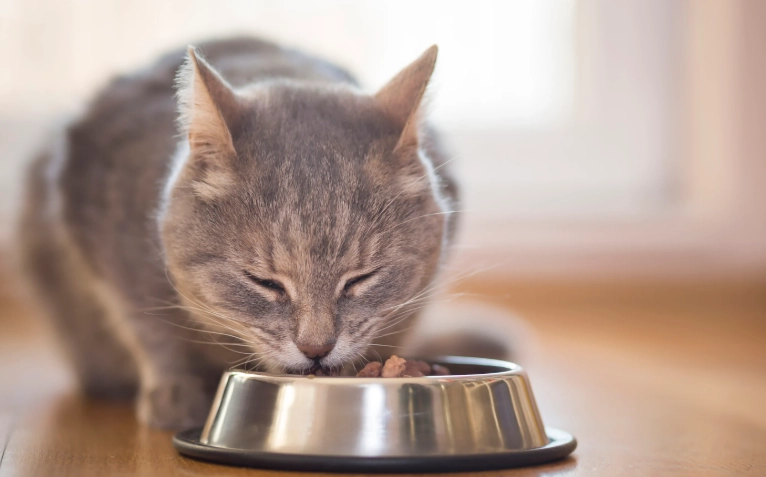
Get it wrong, and the consequences are serious. Overfeed, and you're on a fast track to pet obesity, which the American Animal Hospital Association (AAHA) links to diabetes, arthritis, and urinary disease. Underfeed, and you risk nutrient deficiencies and a cat that's constantly hungry and potentially destructive. The goal isn't just to fill the bowl; it's to fuel a healthy, active life.
What's Inside This Guide
Why "Just Fill the Bowl" is a Recipe for Trouble
Free-feeding—leaving food out all day—is the single biggest contributor to feline obesity I see in my years of talking to cat owners. Cats are natural grazers, but in a world of calorie-dense kibble, that instinct works against them. They don't have an automatic off-switch for delicious, fatty food.
Think about it. An extra 10 calories a day doesn't sound like much. That's maybe two extra pieces of kibble. But over a year, that's 3,650 extra calories. For a 10-pound cat, that could mean gaining nearly a pound. That's a 10% body weight increase! That extra pound stresses their joints, taxes their organs, and sneaks up on you slowly.
On the flip side, an active young cat or a nursing mother fed a measured "average" portion might be running a calorie deficit. You'll see it in a dull coat, low energy, and that pitiful, constant meowing at the food cupboard.
How Many Calories Does My Cat Need? Let's Do the Math
Forget guessing. Let's use science. The gold standard is to calculate your cat's Resting Energy Requirement (RER) and then multiply it by a factor based on their life stage. Don't worry, it's simple.
Step 1: Find the Resting Energy Requirement (RER). This is the calories needed just to keep basic bodily functions running at rest.
The formula is: RER (in kcal/day) = 30 x (your cat's weight in kilograms) + 70.
First, convert your cat's weight from pounds to kg by dividing by 2.2. So, a 10-pound cat is about 4.5 kg.
RER = 30 x 4.5 + 70 = 135 + 70 = 205 kcal/day.
Step 2: Apply the Life Stage Factor. This is where most online calculators stop, but the factors matter.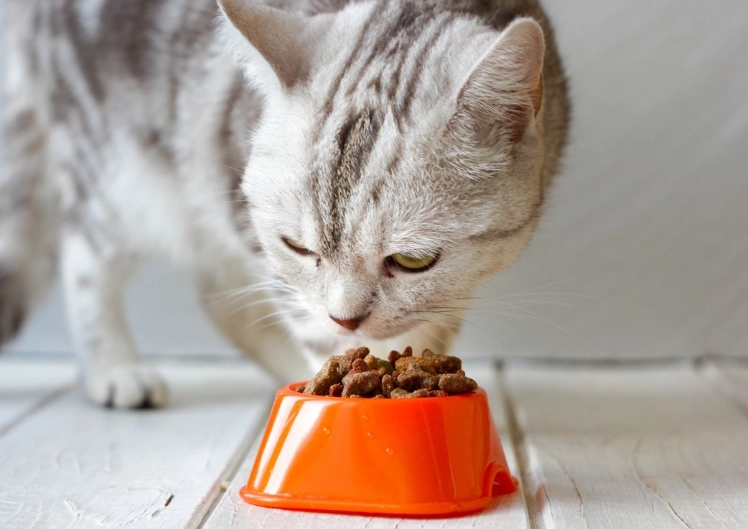
| Life Stage & Condition | Multiplier (x RER) | Notes & Nuances |
|---|---|---|
| Neutered Adult Cat | 1.2 | The baseline. Metabolism slows post-surgery. |
| Intact Adult Cat | 1.4 | Needs more energy. |
| Inactive/Obese Prone Cat | 1.0 | May need to be below RER for weight loss (under vet guidance). |
| Active, Outdoor Cat | 1.6 | Highly variable. A true outdoor hunter may need even more. |
| Kitten (4 mos - 1 yr) | 2.5 | Growing like a weed! Feed kitten-formula food. |
| Pregnant/Nursing Cat | 2-4+ | Demands peak near weaning. Let her eat as much as she wants. |
| Senior Cat (11+ yrs) | 1.1 - 1.4 | Muscle loss may require more protein, not necessarily more calories. |
So, our 10-pound, neutered, indoor adult cat needs: 205 kcal (RER) x 1.2 = 246 kcal per day.
Factors That Throw a Wrench in the Calculation
The math gives you a ballpark. These factors fine-tune it.
- Breed: A lean Siamese often has a higher metabolism than a stocky British Shorthair.
- Individual Metabolism: Just like people, some cats are furnaces, others are slow burners.
- Food Type: Wet food is typically less calorie-dense than dry food. 100 kcal of wet food is a much larger volume than 100 kcal of kibble. Always check the kcal/cup or kcal/can on the label.
- Health Issues: Hyperthyroidism increases needs; diabetes and kidney disease often require specific, controlled amounts.
How to Use a Cat Feeding Chart Correctly (Most People Don't)
Feeding charts on food bags are infamous for overestimating. They're designed for the "average" cat, which often means an unneutered, active cat. For our typical indoor, neutered pet, those guidelines can be 20-30% too high.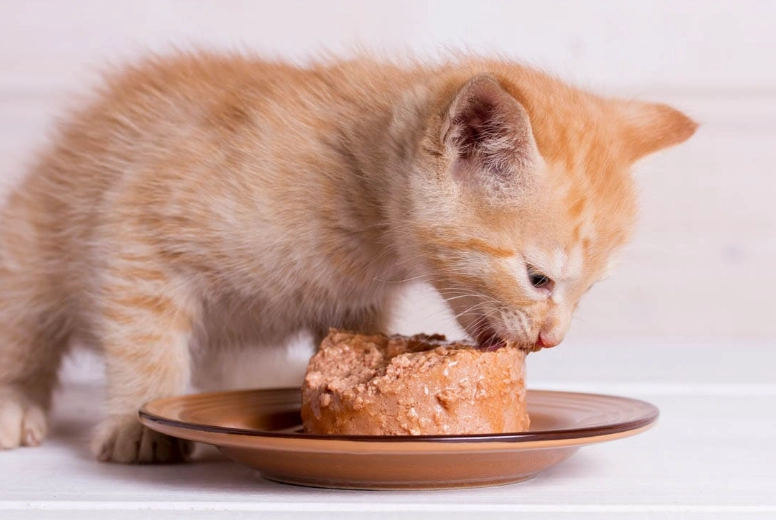
Use this chart as a translation tool between the calories you calculated and the actual food in your cupboard.
| Cat Weight (lbs) | Weight (kg) | Daily Calories (Neutered Adult) | Dry Food Example (≈ 300 kcal/cup) | Wet Food Example (≈ 150 kcal/5.5oz can) |
|---|---|---|---|---|
| 5 lbs | 2.3 kg | 140 - 165 kcal | ~1/2 cup | ~1 can |
| 8 lbs | 3.6 kg | 200 - 235 kcal | ~2/3 cup | ~1.5 cans |
| 10 lbs | 4.5 kg | 240 - 280 kcal | ~3/4 - 1 cup | ~1.5 - 2 cans |
| 12 lbs | 5.4 kg | 280 - 325 kcal | ~1 - 1.1 cups | ~2 - 2.2 cans |
| 15 lbs | 6.8 kg | 340 - 395 kcal | ~1.1 - 1.3 cups | ~2.2 - 2.6 cans |
Critical step: Find the "kcal/kg" or "kcal/cup" on your specific brand's bag or website. Let's say your kibble has 350 kcal per cup. If your cat needs 246 kcal, that's 246 / 350 = 0.7 cups per day. Use a proper measuring cup, not a coffee mug.
Putting It Into Practice: Your Daily Feeding Routine
Knowing the number is one thing. Making it work is another.
Dry Food, Wet Food, or Both?
I strongly advocate for including some wet food. It provides hydration, which is crucial for urinary tract health, and is more satiating for fewer calories. A common strategy is to use part of the daily calorie allowance for wet food and part for dry.
Example for our 10-lb cat (246 kcal/day):
Breakfast: 1/2 can of wet food (75 kcal)
Dinner: 1/4 cup of dry kibble (using our 350 kcal/cup food = 87.5 kcal)
Total: 162.5 kcal. Wait, that's under! This is where people panic. Remember, these are examples. You adjust based on YOUR food's calories. The point is the split-meal approach.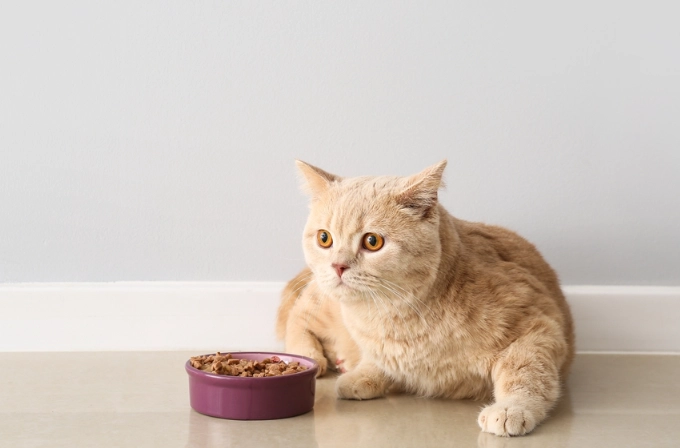
The Art of Measuring and Timing
Invest in a small digital kitchen scale for dry food. It's more accurate than cups. Split the total daily amount into at least two meals, 12 hours apart. Cats have small stomachs and prefer frequent, small meals. If you're away all day, a timed feeder for one portion can help.
Common Feeding Mistakes (And How to Fix Them)
- Mistake 1: Trusting the bag guideline blindly. Fix: Use it as a loose reference, but always cross-check with your calorie calculation and your cat's body condition.
- Mistake 2: Not adjusting for life changes. Your cat gets spayed and you keep feeding the same amount. Fix: After spay/neuter, reduce food by about 20-25% unless activity skyrockets.
- Mistake 3: Eyeballing portions. "That looks like a cup." Fix: Measure. Every time. Consistency is key.
- Mistake 4: Comparing your cat to the neighbor's cat. "Fluffy eats two cups and is thin!" Fix: Ignore Fluffy. Your cat is a unique individual with a different metabolism, age, and activity level.
Your Feeding Questions, Answered
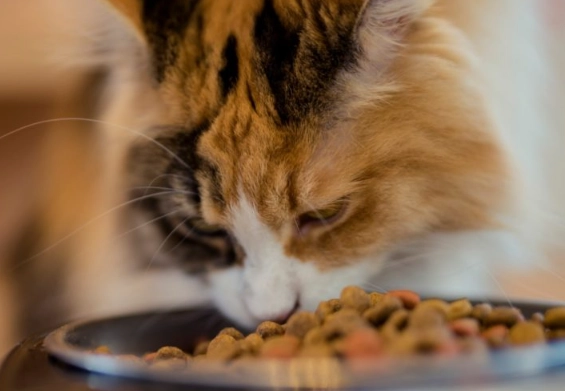
Figuring out how much to feed your cat isn't a one-time task. It's an ongoing conversation between you, the math, the food label, and most importantly, your cat's own body. Start with the calculation. Measure your food. Watch your cat. Adjust. It might take a few weeks to find the sweet spot, but seeing your cat at a healthy, playful weight is worth every bit of effort.






Leave a comment