Quick Navigation
- The Quick-Answer Cheat Sheet: Safe, Not Recommended, and Absolutely Toxic
- The Big Problem: Why Most Nuts Are a Bad Idea for Dogs
- The Definitive Nut-by-Nut Breakdown
- So, How *Should* You Feed a Safe Nut? (The Practical Guide)
- What to Do If Your Dog Ate a Nut They Shouldn't Have
- Your Questions, Answered (The FAQ Section)
- The Bottom Line: A Better Way to Treat Your Dog
Let's be honest. You're sitting there, maybe with a bowl of mixed nuts, and those puppy dog eyes are locked onto you. That little face seems to ask the eternal question: "Can I have one?" And you freeze. You've heard stories. Some nuts are okay, others are a straight-up trip to the emergency vet. It's confusing, and a quick Google search leaves you more tangled than a leash after a squirrel chase.
I get it. I've been there. My own dog, a mischievous terrier mix, once snagged a whole walnut that fell from a neighbor's tree. The panic was real. So, let's cut through the noise and get a clear, no-nonsense answer to the big question: what nuts can dogs eat safely, and which ones should you hide like the last treat in the bag?
This isn't about scaring you. It's about giving you the knowledge so you can make a smart choice in that moment. Because when it comes to our dogs, guessing isn't good enough.
The Quick-Answer Cheat Sheet: Safe, Not Recommended, and Absolutely Toxic
Before we dive deep, here's the snapshot. Think of this as your go-to reference when you're in a hurry.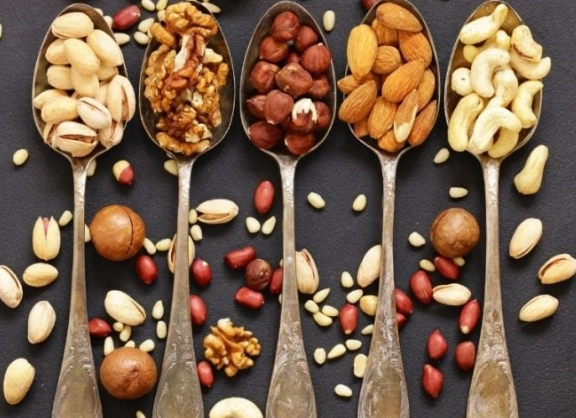
The "Generally Safe" List (with major rules): Plain, unsalted Peanuts and Cashews. And I mean plain. We'll talk about the huge "but" in a second.
The "Never, Ever" Toxic List: Macadamia Nuts and Black Walnuts. These are a hard no, no matter how your dog begs.
Everything else? It falls into a giant, messy gray area of "not recommended" for a bunch of good reasons. That's where most of the confusion lies. Let's unpack that gray area first, because it's the most important part of figuring out what nuts can dogs eat without regret.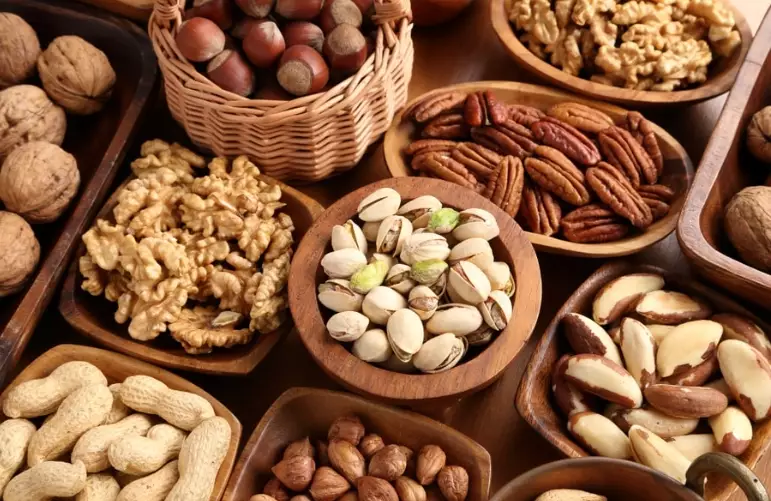
The Big Problem: Why Most Nuts Are a Bad Idea for Dogs
It's not always about outright poison. Sometimes, the danger is in the side effects, the choking hazard, or the slow, silent damage. Here’s the breakdown of the common risks that make most nuts a poor choice for a dog snack.
High Fat Content = Pancreatitis Risk
This is the big one that many folks don't think about. Nuts are packed with fats. A dog's pancreas isn't built to handle a sudden, rich, fatty meal. Overload it, and you can trigger pancreatitis—a painful, serious, and potentially deadly inflammation. Symptoms include vomiting, severe belly pain, and lethargy. It's not pretty, and it requires immediate vet care. Even a few nuts can be enough for a sensitive dog.
Choking and Intestinal Blockage
Nuts are often the perfect size to get lodged in a dog's throat or intestines. This isn't just a "wait it out" situation. A blockage is a surgical emergency. Larger nuts or whole nuts with shells are the worst offenders. My vet once told me about a Labrador who needed surgery after eating a bag of pistachios with the shells. The shells don't digest and can create a sharp, dangerous mass.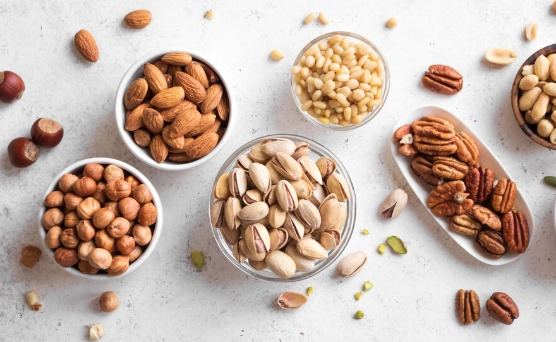
Sodium and Seasoning Poisoning
Think about the nuts you eat. Salted, honey-roasted, BBQ, garlic-flavored, onion-flavored. Salt can lead to sodium ion poisoning in dogs, causing excessive thirst, vomiting, and even seizures. Garlic and onion powders are directly toxic to their red blood cells. That "human" flavoring is a cocktail of potential dangers.
Mold and Aflatoxin Danger
Old nuts, or nuts stored poorly (like walnuts or peanuts that sit on the ground), can grow mold. This mold can produce aflatoxins, which are potent, cancer-causing substances. Dogs are extremely sensitive to them. The FDA has issued warnings about aflatoxin contamination in pet foods, and the risk is just as real with old, moldy nuts from your pantry or backyard.
See? It's a minefield. And we haven't even gotten to the specific nuts yet.
The Definitive Nut-by-Nut Breakdown
Okay, let's get specific. Here’s the ultimate guide to every common nut you might wonder about. I've put it in a table for easy scanning, but we'll chat about each one below.
| Nut Type | Safety Status for Dogs | Key Risks & Notes |
|---|---|---|
| Peanut | Generally Safe | ONLY plain, unsalted, shelled, and raw/roasted. High in fat. Never give flavored or salted. Peanut butter is a better option (xylitol-free!). |
| Cashew | Generally Safe | ONLY plain, unsalted. Very high in fat. A rare treat only (1-2 nuts). Can cause weight gain and pancreatitis. |
| Almond | Not Recommended | Not toxic, but high fat, hard to digest, major choking/blockage risk. Often salted or flavored. Best avoided. |
| Pecan | Not Recommended | High fat, mold risk (tremorgenic mycotoxins), choking hazard. Juglone in hulls is questionable. |
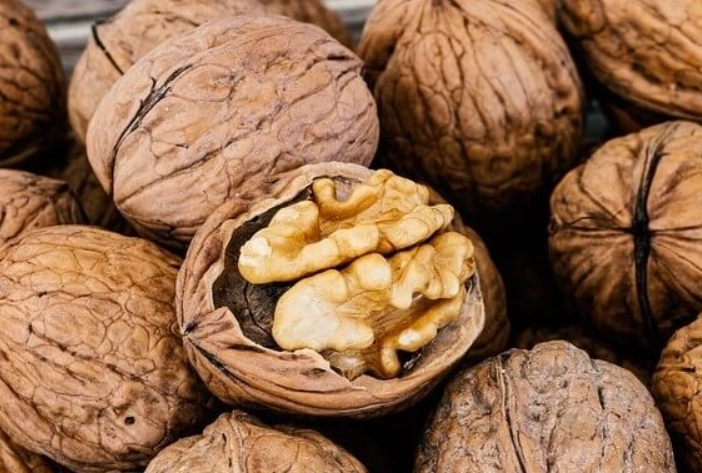
| Walnut (English) | Not Recommended | High mold risk, choking/blockage hazard, high fat. Old or moldy nuts can cause severe neurological issues. |
| Black Walnut | TOXIC | The nut itself and especially the hulls contain juglone, which can cause seizures and neurological damage. |
| Macadamia Nut | TOXIC | One of the most toxic. Causes weakness, vomiting, hyperthermia, and tremors. Even a small amount is dangerous. |
| Pistachio | Not Recommended | High fat, choking risk (especially with shells), often heavily salted. Aspergillus mold risk. |
| Brazil Nut | Not Recommended | Extremely high in fat and selenium. Selenium toxicity is a real risk with overconsumption. |
| Hazelnut (Filbert) | Not Recommended | Choking/blockage hazard, high fat. Generally not worth the risk for zero nutritional benefit to dogs. |
| Pine Nut (Pignoli) | Not Recommended | High fat, can cause stomach upset and "pine mouth" (metallic taste) in some animals. Unpredictable. |
| Chestnut | Generally Safe | Must be cooked/roasted (never raw), plain, and shelled. Lower in fat than other nuts. Still, treat in moderation. |
Let's talk about a few of these in more detail, because the table doesn't tell the whole story.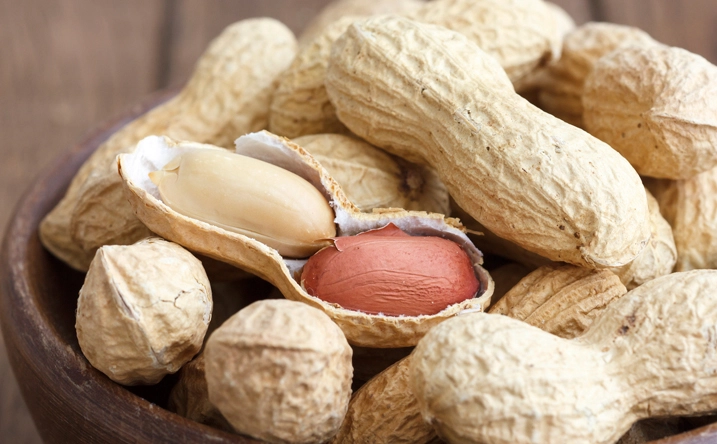
The "Safe" Ones: Peanuts and Cashews (The Rules Apply!)
When people ask what nuts can dogs eat, these two are the usual answers. But I'm hesitant. Calling them "safe" feels too generous. They are "least risky" only under strict conditions.
Peanuts: They're technically legumes, not true nuts. A plain, unsalted peanut? Probably fine for a large dog as a one-off. But here's my take—just give them a tiny bit of xylitol-free peanut butter instead. It's easier to control, less of a choking risk, and they love it more. The whole peanut thing is overrated. The fat content is still a concern.
Cashews: Again, plain and unsalted only. And I mean one or two for a big dog, max. They are so rich. I made the mistake of giving my dog three cashews once, and let's just say his stomach made its displeasure known later that night. Not a fun cleanup. They offer no real benefit to justify the fat load.
The Truly Toxic: Macadamia and Black Walnuts
No gray area here. Zero tolerance.
Macadamia Nuts: These are nasty for dogs. The toxin is unknown, but the effects are well-documented. According to the Merck Veterinary Manual, signs include weakness (especially in the hind legs), vomiting, tremors, and fever. These can appear within 12 hours. Even a small handful can make a 50-pound dog very sick. If you have these in the house, keep them locked away.
Black Walnuts: Often found in yards. The hulls, which turn black as they decay, contain juglone, a compound that's toxic to dogs. Ingestion can lead to gastrointestinal upset and potentially serious neurological issues like seizures. The risk isn't worth it—clear them from your yard if you have a curious pup.
So, How *Should* You Feed a Safe Nut? (The Practical Guide)
Let's say you've decided to give your dog a peanut or a cashew. Here's the only safe way to do it. I call it the "Four P's" rule.
- Plain: No salt, no flavoring, no chocolate coating, no honey, nothing. Just the bare nut.
- Peeled/Shelled: All shells, skins, and hulls must be completely removed. They are choking and blockage hazards and can contain toxins or mold.
- Pulverized or Tiny: For smaller dogs or to minimize choking, crush the nut into small pieces. Don't just toss them a whole nut.
- Portion, Portion, Portion: This is not a snack bowl. This is a rare, special treat. One nut for a large dog, maybe half for a smaller one. Think of it as a flavor, not a food.
I'll be real with you. After researching and writing this, I've personally stopped giving my dog nuts altogether. The potential downsides—the pancreatitis risk, the choking, the mold—just outweigh the tiny bit of pleasure he gets from it. There are so many better, safer treats out there. Why play on the edge?
What to Do If Your Dog Ate a Nut They Shouldn't Have
Don't panic, but act quickly. Here's your step-by-step crisis plan.
Step 1: Identify and Quantity. What nut did they eat? How many? Try to find the packaging or remember what was in the mix. This is the first thing your vet will ask.
Step 2: Don't Induce Vomit. Unless your vet explicitly tells you to. For some toxins or large, sharp pieces, vomiting can cause more harm.
Step 3: Call for Help Immediately. Call your regular vet or an emergency animal poison control center. In the US, the ASPCA Animal Poison Control Center (888-426-4435) is a fantastic, 24/7 resource. There's a fee, but it's worth it for expert guidance. Have your dog's weight ready.
Step 4: Watch for Symptoms. While waiting for advice or traveling to the vet, monitor closely. Key red flags: vomiting, diarrhea, lethargy, loss of coordination, tremors, seizures, bloated abdomen, or signs of pain.
Time is your friend here. Don't wait to see if symptoms develop.
Your Questions, Answered (The FAQ Section)
The Bottom Line: A Better Way to Treat Your Dog
After all this, the real answer to what nuts can dogs eat might surprise you: none, really. The "safe" ones are high-risk, low-reward treats. The others range from problematic to deadly.
Instead of worrying about nuts, consider these fantastic, safe alternatives that your dog will love just as much (if not more):
- Commercial Dog Treats: Formulated to be safe, digestible, and nutritious.
- Fresh Fruits & Veggies: Many dogs love crunchy carrots, apple slices (no seeds), blueberries, or banana chunks. (Always check if a fruit/veg is safe first!).
- Plain, Cooked Meat: A small piece of boiled chicken, turkey, or lean beef is a high-value, protein-packed treat.
- Specialty Chews: Dental chews, bully sticks, or frozen Kongs stuffed with their regular kibble and a dab of peanut butter.
Look, I love sharing food with my dog. It's a bonding thing. But bonding shouldn't come with a side of potential pancreatitis or a $3000 emergency vet bill. Knowing what nuts can dogs eat is about understanding the risks so you can make the kindest choice for your four-legged family member.
When those puppy eyes beg at your next snack time, you can confidently reach for a safer option, knowing you're giving them the best care possible. And that's a much better feeling than any nut could ever provide.
Leave a comment