You're chopping asparagus for dinner, and those green stalks catch your cat's eye. The curious sniff, the tentative paw bat. It happens in my kitchen too. The immediate question pops into your head: can cats have asparagus? The short, vet-leaning answer is: they probably shouldn't, and they definitely don't need it. But the real story isn't a simple yes or no. It's about understanding why a food that's healthy for us can be a pointless, even slightly risky, novelty for our obligate carnivore companions. Let's cut through the noise.
What's Inside This Guide
Key Takeaway: Asparagus is not toxic to cats in the same way onions or chocolate are. However, it offers no nutritional benefit to them and carries potential downsides for digestive and urinary health. The safest choice is to skip it altogether.
The Straight Answer: Is Asparagus Safe for Cats?
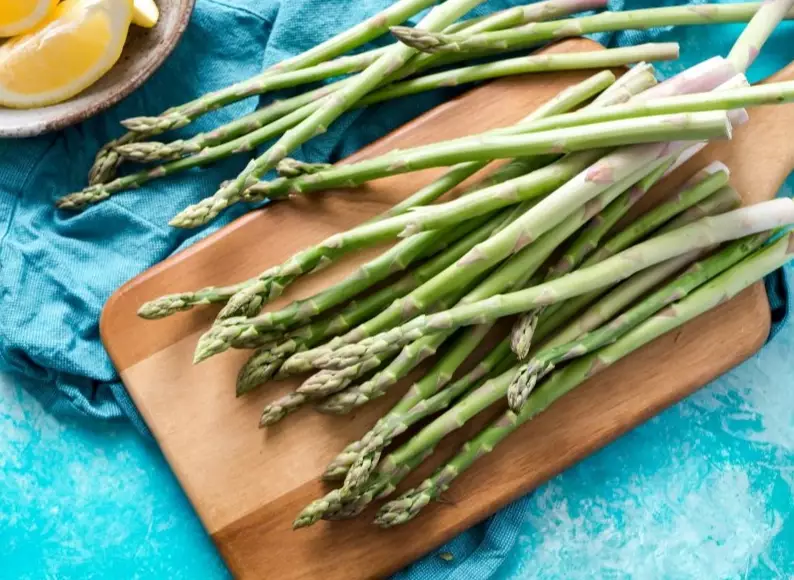
Let's get specific. When people ask "can cats eat asparagus," they're usually picturing the cooked version on their plate. Raw asparagus is a definite no. It's tough, fibrous, difficult to digest, and contains asparagusic acid—the compound that gives asparagus its name and can irritate the digestive tract.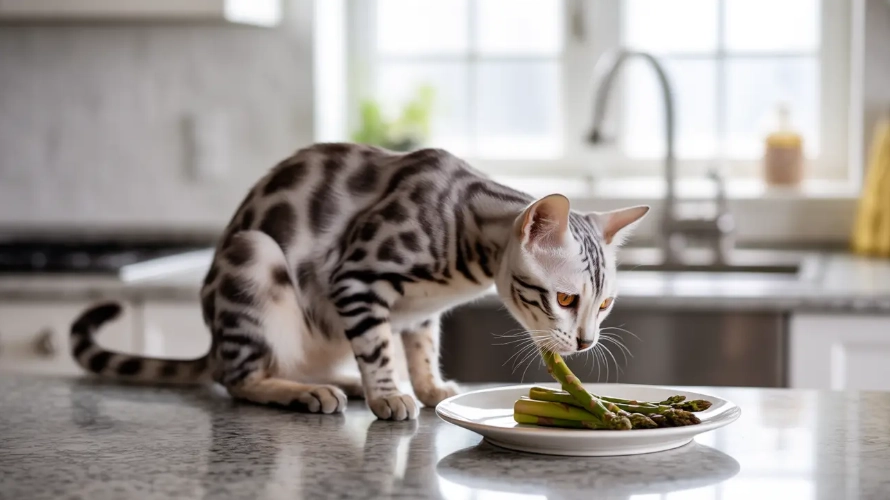
Cooked asparagus is a different story. The cooking process breaks down some of the fibers and compounds, making it less of an immediate irritant. According to resources like the ASPCA's general guidelines on human foods, asparagus itself isn't listed among the top toxic foods for pets. So, a tiny, plain, cooked piece likely won't send your cat to the emergency vet.
But here's where my decade in the clinic adds a layer most blogs miss. "Not toxic" and "safe to feed" are not synonyms in veterinary nutrition. We see problems arise from the cumulative effect of inappropriate foods, not just acute poisoning.
Cats are obligate carnivores. Their bodies are fine-tuned to process meat. Their digestive systems are short, their enzymes are geared for protein and fat, not carbohydrates and plant fibers. A piece of asparagus is, biologically speaking, a foreign object with zero nutritional payoff for them. It's empty calories that displace the meat they need.
So, the safety verdict? Cooked, plain asparagus is low-risk in a one-off, tiny amount for a healthy cat. But it's an unnecessary risk with no reward. It's like asking if you can use a screwdriver to hammer a nail. You might get away with it once, but it's the wrong tool for the job, and you're better off using a hammer.
How to Safely Prepare Asparagus for Your Cat (If You Must)
I get it. Sometimes the pleading eyes win. Or your cat has already nabbed a piece and you need to know what to do next. If you're determined to offer asparagus as a rare curiosity, doing it wrong is where most owners slip up. It's not just about the vegetable; it's about everything that comes with it.
The Only Safe Preparation Method
- Choose Wisely: Pick a fresh, tender stalk. The woody ends are a choking and intestinal blockage hazard.
- Cook Thoroughly: Steam or boil it until it's very soft. No al dente for cats.
- Absolutely No Additives: This is the critical step everyone messes up. No salt. No oil. No butter. No garlic or onion powder (extremely toxic). No lemon juice. Nothing. Just plain water.
- Cool Completely: Let it sit until it's room temperature. No one likes a burned tongue.
- Micro-Serving: Cut a piece no larger than the size of your pinky fingernail. I'm serious. This is a taste, not a meal component.
- Offer Separately: Give it alone, not mixed into their food, so you can monitor for any adverse reaction like vomiting or disinterest in their next real meal.
Avoid the tips. While we love them, the concentrated compounds there might be more irritating. The tender middle of the stalk is a slightly better bet. And mash it with a fork. Cats don't have molars for grinding plant matter.
What about asparagus water or the cooking liquid? Don't. It can contain leached compounds and, if you added any salt during your own cooking, it's now a sodium hazard.
The Real Risks: Why Asparagus Isn't a Cat Superfood
This is the part most online sources gloss over. They'll say "it's non-toxic, feed in moderation" and move on. But "moderation" for a 10-pound cat is vastly different than for a human. The risks aren't about toxicity; they're about physiology.
1. Urinary Tract Troubles: The Silent Risk
This is the big one. Asparagus is known to alkalinize urine pH in humans, and the same likely holds for cats. Cats are prone to urinary crystal formation (like struvite crystals), which thrive in alkaline urine. For a cat with a history of urinary issues, or even one prone to them, feeding asparagus is like pouring the wrong fuel into an engine. Organizations like the American College of Veterinary Nutritionists emphasize the importance of diet in managing feline lower urinary tract disease. Introducing a food that shifts pH in the wrong direction is counterproductive.
2. Digestive Upset: The Immediate Consequence
Cats lack the enzymes to break down cellulose efficiently. The fiber in asparagus can lead to:
- Gas and bloating (yes, cats can get gassy, and it's as unpleasant as it sounds).
- Diarrhea or loose stools.
- Vomiting, especially if they eat too much or it's too fibrous.
3. Nutritional Imbalance & Choking
Filling up on asparagus (or any vegetable) means less room for the animal protein they require for essential amino acids like taurine. A taurine deficiency leads to heart and eye problems. It's a slow, serious issue.
Also, those tough, stringy ends? A serious choking hazard or potential cause of intestinal obstruction.
| Potential Issue | Why It Happens with Asparagus | Signs to Watch For |
|---|---|---|
| Urinary pH Increase | Vegetable compounds can alkalinize urine. | Straining to urinate, frequent trips to litter box, blood in urine. |
| Digestive Upset | High insoluble fiber, hard to digest. | Vomiting, diarrhea, loss of appetite, lethargy. |
| Nutritional Void | Displaces essential meat-based nutrients. | Long-term: weight loss, poor coat, heart issues. |
| Physical Hazard | Woody stems are hard and fibrous. | Gagging, choking, refusal to eat, abdominal pain. |
Alternatives to Asparagus for a Nutritional Boost
If your goal is to give your cat a healthy treat or add fiber to their diet, asparagus is a poor choice. Here are options that are actually appropriate:
For Digestive Fiber: A teaspoon of plain, cooked pumpkin puree (not pie filling) is fantastic for regulating digestion. It's low-calorie and most cats tolerate it well.
For a "Green" Treat: Cat grass (wheatgrass or oatgrass) is specifically grown for cats to chew on. It provides fiber and satisfies their urge to nibble greens safely.
For a Low-Calorie Snack: A single, cooked green bean or a tiny cube of cooked carrot is a safer veggie option, but still unnecessary.
The Best Treats, Period: Cats are meat-eaters. The best treats are high-protein:
- A few morsels of cooked, unseasoned chicken, turkey, or fish.
- Freeze-dried chicken or liver treats.
- A portion of their regular kibble used as a reward.
These options align with their biology and provide nutritional value, not just filler.
Your Asparagus & Cat Questions Answered
 Are there any cats that should absolutely never have asparagus?
 Look, after years of talking to pet owners, I know the temptation to share our food. It feels like bonding. But bonding over a piece of chicken is safer and more species-appropriate. Asparagus might be a springtime treat for you, but for your cat, it's just a curious green stick with hidden pitfalls. Their nutritional world is simple: meat, water, and a balanced commercial diet designed for them. When in doubt, keep it that way.



Leave a comment