What’s Inside?
If you're here, you're probably staring at a messy yard or a worried pup, and that one question is bouncing around your head: what on earth caused this? You're not alone. Dog diarrhea is incredibly common, and as a dog owner myself, I've cleaned up my fair share of surprises. It's stressful, it's messy, and you just want to know why it's happening and how to make it stop.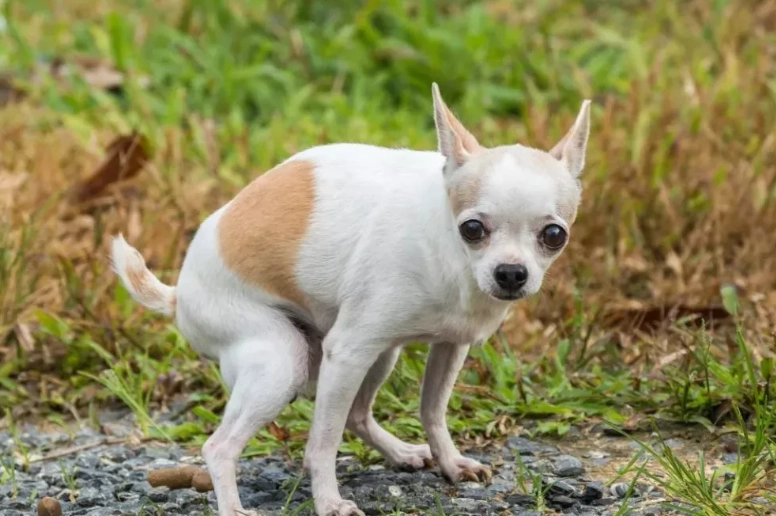
So, let's cut right to the chase. If you're asking "what is the most common cause of diarrhea in dogs?", the short, no-frills answer is dietary indiscretion. That's the fancy vet term for your dog eating something they shouldn't have. It's not a very glamorous answer, is it? But it's the truth, and it accounts for a huge number of those unscheduled trips to the backyard.
But here's the thing – just knowing the most common cause isn't enough. It's like knowing the most common car problem is a flat tire. Okay, great. But is it a nail, a pothole, or worn-out treads? The "what" only gets you so far. You need the "what exactly" and the "what else could it be." Because sometimes, what looks like simple dietary indiscretion can be a sign of something more serious. I learned that the hard way when my own dog, a food-obsessed Labrador, had a bout that lasted longer than usual and turned out to be a pesky parasite he picked up from who-knows-where.
Dietary Indiscretion: The Usual Suspects in Detail
Let's break down this champion of chaos. When vets talk about dietary indiscretion, they're casting a wide net. It's not just about stealing a burger off the table (though that's a classic). It's a whole category of dietary mistakes. I've put together a list of the most frequent offenders I've seen and heard about from other owners and vets.
- Scavenging & Garbage Raids: This is the big one. Spoiled food, moldy leftovers, grease, bones, packaging – a trash can is a treasure trove of trouble. Bacterial overgrowth from spoiled food is a prime trigger.
- Sudden Diet Changes: Switching your dog's food from one brand to another overnight, or even between flavors within the same brand too quickly, can shock their system. Their gut microbes need time to adjust.
- Rich & Fatty Foods: Sharing your holiday ham, fried chicken skin, or greasy pizza crusts. These can lead to a condition called pancreatitis, which often starts with severe diarrhea and vomiting. This is a real emergency, not just a messy inconvenience.
- Dairy Products: Many dogs are lactose intolerant. That bowl of milk or chunk of cheese can lead to gas, bloating, and yes, diarrhea.
- Non-Food Items: Socks, toys, grass, sticks, mulch. Dogs explore with their mouths, and sometimes things just go down the hatch. These can cause obstruction or simply irritate the lining of the intestines.
See what I mean? It's a broad category. The key takeaway is that a dog's gut likes routine and simplicity. Deviate from that, and you risk the consequences.
Beyond the Snack Attack: Other Common Causes of Canine Diarrhea
Okay, so we've covered the top answer to "what is the most common cause of diarrhea in dogs?" But your dog might be an innocent bystander, or the dietary slip-up might have opened the door for something else. Here's a rundown of the other usual suspects. I find it helpful to think of them in groups.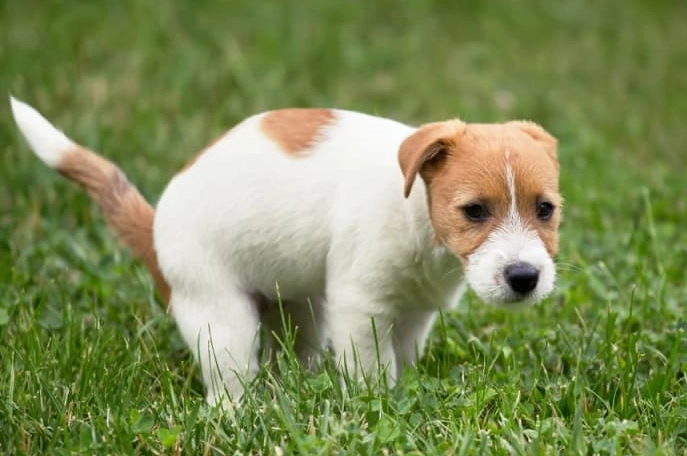
Infectious Causes (Bugs and Parasites)
These are the invaders. Your dog picks them up from the environment, from other animals, or even from contaminated food or water.
- Parasites: Worms like roundworms, hookworms, whipworms, and especially Giardia and Coccidia are prolific diarrhea-causers. Giardia loves stagnant water puddles. A simple sniff or drink can lead to a world of gastrointestinal grief. The American Veterinary Medical Association (AVMA) provides excellent overviews on these common parasites, which you can find on their pet care resources page.
- Bacteria: Salmonella, E. coli, Campylobacter. Often linked to eating raw or undercooked meat, contaminated food, or feces. This is one reason many vets are cautious about raw diets.
- Viruses: Parvovirus is the nightmare here, especially for unvaccinated puppies. It causes severe, often bloody, life-threatening diarrhea. Canine distemper can also cause GI upset. Keeping vaccinations current is your best defense.
Dietary Sensitivities & Allergies
This is different from indiscretion. This is when a dog's immune system reacts poorly to a specific ingredient in their regular diet.
Common allergens include beef, dairy, chicken, wheat, eggs, and soy. The diarrhea here is often chronic or recurrent, and might be accompanied by itchy skin, ear infections, or licking their paws. It can be a real detective game to figure out the culprit. I spent months on an elimination diet with my last dog before we pinpointed chicken as the issue.
Underlying Medical Conditions
Sometimes, diarrhea is a symptom of a problem elsewhere in the body. This is why persistent diarrhea always warrants a vet visit.
- Inflammatory Bowel Disease (IBD): A chronic condition where the dog's own immune cells invade the intestinal wall, causing inflammation and poor nutrient absorption.
- Liver or Kidney Disease: These organs are crucial for filtering toxins. When they fail, toxins build up and can irritate the GI tract.
- Certain Cancers: Lymphoma or tumors in the GI tract can disrupt normal function.
- Endocrine Diseases: Like Addison's disease or hyperthyroidism (less common in dogs than cats).
Stress & Anxiety
We often forget this one! Dogs are emotional creatures. A major change – a new home, a new pet, a family member leaving, boarding, fireworks, thunderstorms – can absolutely trigger a bout of diarrhea. It's often called "stress colitis." The gut-brain connection is very real in dogs.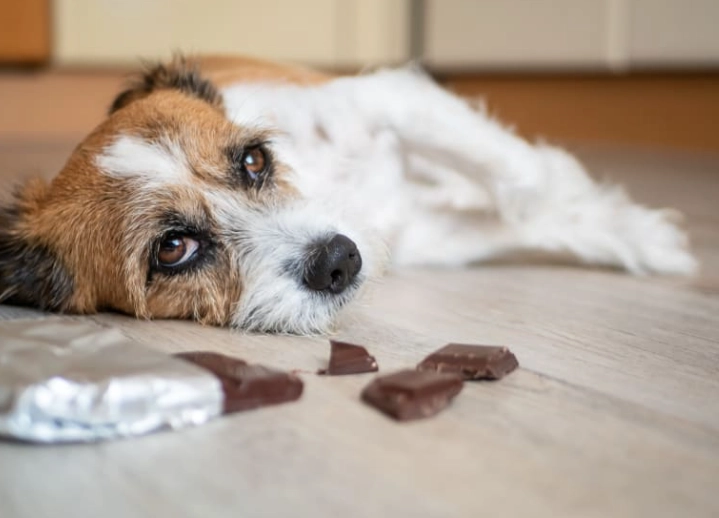
To help visualize this, here's a quick-reference table summarizing the main causes. It's not exhaustive, but it covers the big hitters.
| Category | Specific Examples | Typical Onset & Notes |
|---|---|---|
| Dietary Indiscretion | Garbage, fatty foods, sudden diet change, foreign objects | Sudden (12-72 hrs after ingestion). Most common cause. |
| Infectious | Parasites (Giardia, worms), Bacteria (Salmonella), Viruses (Parvo) | Can be sudden or gradual. Often requires specific medication. |
| Dietary Sensitivity | Allergy to beef, chicken, dairy, wheat, etc. | Chronic or recurrent. Linked to regular diet. |
| Medical Conditions | IBD, Pancreatitis, Kidney/Liver Disease, Cancer | Often chronic or recurrent. Needs veterinary diagnosis. |
| Stress | Travel, boarding, new pets, loud noises | Sudden, linked to a stressful event. |
What to Do When It Happens: Home Care & The Vet Line
Alright, your dog has diarrhea. Panic mode is a natural first step, but let's channel that into action. Here's a practical, step-by-step approach based on what most vets recommend and what has worked for me.
Initial Home Management (For Mild, One-Off Cases)
If your dog is otherwise acting normal – still playful, drinking water, no vomiting – you can try some home care for 12-24 hours. This is typically for cases where you strongly suspect simple dietary indiscretion.
- Withhold Food, Not Water: Give the gut a short break. Fast your dog for 12-24 hours, but ensure fresh water is available at all times. Dehydration is the biggest risk with diarrhea.
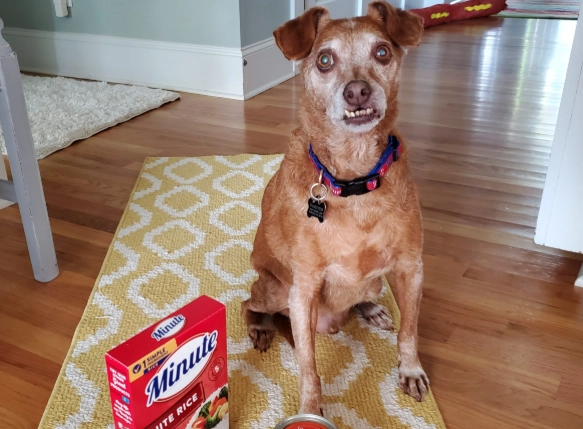
- The Bland Diet: After the fast, introduce a bland diet. The classic is boiled white meat chicken (no skin, no bones) or lean ground turkey with plain, cooked white rice. Feed small amounts multiple times a day. I've also had success with plain, canned pumpkin (not pie filling!). The fiber can help firm things up.
- Go Slow Back to Normal: After a day or two of normal stools on the bland diet, gradually mix in their regular food over 3-4 days.
When to Call the Vet Immediately
This is the crucial part. Knowing when home care isn't enough. Don't wait if you see any of these red flags. Honestly, I'd rather pay for a vet visit and be told it's nothing serious than wait and let a serious problem get worse.
- Multiple episodes of vomiting along with the diarrhea.
- Diarrhea that is persistent for more than 48 hours despite a bland diet.
- Diarrhea that is profusely watery, contains large amounts of blood, or looks like dark, tarry coffee grounds (indicating digested blood).
- If your dog seems lethargic, depressed, or in pain (whining, hunched posture).
- Any signs of dehydration: dry gums, sunken eyes, loss of skin elasticity (pinch the skin on the back of the neck; it should snap right back).
- If your dog is a puppy, a senior, or has a known pre-existing condition (like diabetes or kidney disease). They have less reserve.
- If you suspect your dog ingested a toxin (rat poison, human medication, certain plants, xylitol). The Animal Poison Control Center website, run by the ASPCA, is a critical resource: ASPCA Animal Poison Control.
Let's be clear about that.
When in doubt, pick up the phone. A quick call to your vet's office can give you guidance on whether you need to come in.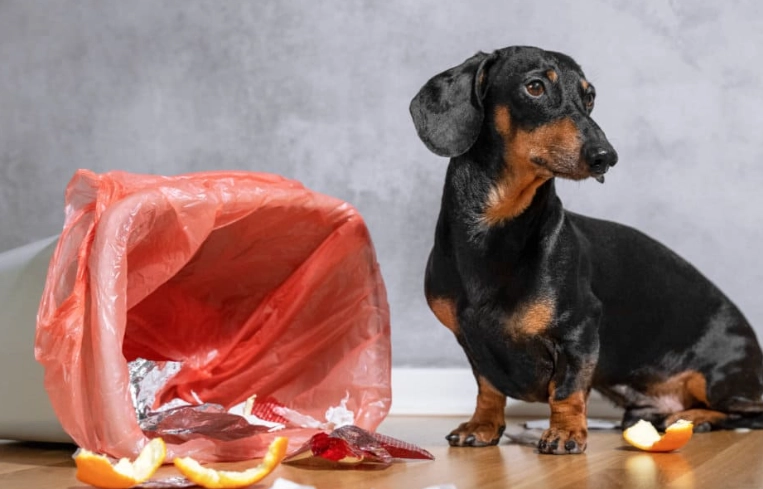
Answering Your Burning Questions (FAQ)
I get a lot of the same questions from fellow dog owners. Here are some straight answers to the stuff people really want to know.
Prevention: The Best Medicine
Since we know the answer to "what is the most common cause of diarrhea in dogs?" is often preventable, let's talk prevention. It's mostly about management and common sense.
- Dog-Proof Your Trash: Use cans with locking lids or keep them behind a closed cabinet door. This one action prevents countless incidents.
- Be Stingy with Table Scraps: Just don't. It's not worth the risk of pancreatitis or an upset stomach. If you must give a treat, make it a small piece of their regular kibble or a dog-safe vegetable like a carrot.
- Transition Food Slowly: When changing foods, take 7-10 days. Mix increasing amounts of the new food with decreasing amounts of the old.
- Maintain Preventatives: Keep up with monthly heartworm prevention, as many also control intestinal parasites. Discuss regular fecal checks with your vet.
- Manage Stress: Provide a safe, quiet space during storms or fireworks. Use calming aids (pheromone diffusers, calming treats) if needed for known stressors like car rides.
- Supervise Outdoor Time: Try to prevent drinking from stagnant puddles and eating unknown objects or other animals' feces. This is easier said than done, I know!
Look, having a dog means dealing with the occasional mess. It comes with the territory of loving an animal that will eat a used tissue with the same enthusiasm as a steak. But understanding the causes, especially the most common one, gives you power. You can prevent many cases, and you can respond effectively when they do happen.
So, to wrap it all up: when you ask what is the most common cause of diarrhea in dogs, think dietary indiscretion first. But keep your eyes open for other clues. Trust your gut (pun intended) – you know your dog better than anyone. If something feels off, or if those red flags appear, your vet is your best partner. They can run the tests (fecal exams, blood work, maybe even an ultrasound) to get a definitive answer when the cause isn't obvious. Here's to happy dogs and clean floors.
Leave a comment