Let's cut to the chase: using cat shampoo on your dog is not recommended. It's one of those pet parenting moments that seems harmless in a pinch – the dog rolled in something foul, you're out of his shampoo, and there's the cat's bottle sitting in the shower. I've been there. But after a decade working with vets and groomers, I can tell you it's a shortcut that often leads to problems you didn't sign up for.
The core issue isn't about cleaning power. It's about chemistry. Dog skin and cat skin are biologically different, and shampoos are formulated for those specific differences. Using the wrong one isn't just ineffective; it can actively harm your pet's skin health.
What You'll Learn in This Guide
Why Cat Shampoo Isn't Safe for Dogs
Think of it like this: you wouldn't use a harsh dish soap to wash your own hair. The formula is wrong for the job. For dogs and cats, the "formula" is their skin's pH level and sensitivity.
Dogs have more alkaline skin. Cat skin is more acidic. Shampoos are pH-balanced to match. Using a cat's acidic shampoo on a dog's alkaline skin disrupts the acid mantle – that thin, protective layer on the skin's surface. When this shield is compromised, it opens the door to trouble: dryness, irritation, itching, and a higher risk of bacterial or yeast infections. Your dog isn't just uncomfortable; he's vulnerable.
I once saw a Labrador who'd been bathed a few times with his feline sibling's shampoo. The owner thought she was being economical. The result? Persistent, flaky dandruff and constant scratching that required a medicated shampoo from the vet to fix. The savings on shampoo were wiped out by one vet visit.
The pH Balance Difference (It's a Big Deal)
This is the technical heart of the matter. The pH scale runs from 0 (very acidic) to 14 (very alkaline), with 7 being neutral.
- Dog Skin pH: Ranges from about 6.2 to 7.5, leaning toward neutral to slightly alkaline. (Source: research published in the Veterinary Dermatology journal).
- Cat Skin pH: Ranges from about 5.5 to 6.5, which is notably more acidic.
That gap might seem small on paper, but on the logarithmic pH scale, it's significant. A dog shampoo is formulated to sit in the higher range (around 7). A cat shampoo is formulated for the lower, acidic range. Using the acidic cat shampoo on a dog is like applying a mild chemical irritant every time you bathe them. It strips away natural oils faster than the skin can replace them.
Potentially Toxic Ingredients in Cat Shampoo
Beyond pH, the ingredient list is a minefield. Many cat shampoos contain essential oils or insecticidal ingredients meant for feline parasite control.
Pyrethrins or Permethrin: These are common in flea shampoos for cats. They are highly toxic to dogs, especially small breeds. Exposure can cause tremors, seizures, and even be fatal. The ASPCA Animal Poison Control Center lists permethrin toxicity as a frequent emergency call.
Essential Oils (Tea Tree, Eucalyptus, etc.): Popular in "natural" cat products for their scent or purported benefits. Cats metabolize these poorly, but dogs are also sensitive. Tea tree oil, in concentrated forms found in some shampoos, can cause weakness, vomiting, and skin burns in dogs.
You must read the label every time. If a cat shampoo says "flea killing" or has a strong herbal scent, consider it a hard no for your dog.
What to Do If You've Already Used Cat Shampoo
Don't panic. Follow these steps.
Step 1: Rinse, Rinse, Rinse. This is the most important action. Use lukewarm water and rinse your dog for at least twice as long as you normally would. You want to remove every last trace of shampoo residue from the coat and skin.
Step 2: Observe Closely. For the next 24-48 hours, watch for signs of a reaction:
- Excessive scratching, licking, or chewing at the skin.
- Redness, rash, or hives.
- Unusual dryness or flaking.
- Lethargy or drooling (indicative of possible toxicity if ingredients were ingested during bathing).
Step 3: Soothe the Skin. If you see mild irritation, you can apply a gentle, dog-safe oatmeal spray or aloe vera gel (make sure it's pure and contains no alcohol or xylitol). A cool compress on itchy spots can help.
Step 4: Know When to Call the Vet. If your dog shows signs of neurological distress (tremors, wobbliness), severe skin inflammation, or if they licked a large amount of shampoo, contact your veterinarian or the ASPCA Animal Poison Control Center immediately. Have the shampoo bottle handy to read the ingredients to the professional.
Safe & Effective Alternatives When You're in a Bind
You're out of dog shampoo. What can you use? Here are options, ranked from best to last resort.
| Option | How & Why It Works | Important Caveats |
|---|---|---|
| Baby Shampoo ("No More Tears" formula) | Formulated for sensitive skin and eyes, with a gentle, pH-balanced formula closer to a dog's needs than cat shampoo. Excellent for a one-off emergency wash. | It's still not perfect for frequent use, as it can be slightly drying. Avoid heavily perfumed varieties. |
| Plain Oatmeal Paste | Grind plain, unflavored oatmeal into a fine powder, mix with warm water into a paste. Apply, massage, and rinse. Naturally soothes itchy, irritated skin. | It's a cleanser for light dirt and odor, not for heavy grime or skunk spray. Very safe and moisturizing. |
| Dish Soap (Like Dawn Original) | The classic for cutting through extreme grease and oils. Used by wildlife rescuers for oil spills. It will strip everything away. | LAST RESORT ONLY. Incredibly harsh and drying. Use a tiny amount, rinse thoroughly, and follow with a moisturizing conditioner made for dogs. Never use on a regular basis. |
| Just Water & A Good Towel Rub | For light dirt or "doggy smell," a thorough rinse with warm water and a vigorous towel dry can remove a surprising amount of surface debris. | It's not a deep clean, but it's always the safest choice if you have any doubts about a product. |
How to Choose the Right Shampoo for Your Dog
Prevention is key. Having the right shampoo on hand eliminates the dilemma. Don't just grab any bottle labeled "dog." Think about your dog's specific needs.
For Sensitive Skin: Look for hypoallergenic, fragrance-free formulas with oatmeal, aloe, or chamomile.
For Dry Skin: Choose moisturizing shampoos with ingredients like coconut oil, vitamin E, or shea butter. Avoid anything labeled "clarifying" or "deep cleaning."
For Odor Control: Enzymatic or deodorizing shampoos break down odor molecules. Look for natural deodorizers like baking soda or chlorophyll.
For Medicated Needs: If your dog has a skin condition (yeast, bacteria, allergies), use only the shampoo prescribed or recommended by your veterinarian. These are powerful tools.
My personal rule? I keep two bottles: a gentle, everyday oatmeal shampoo and a stronger deodorizing one for post-swim or post-roll washes. It covers 99% of scenarios.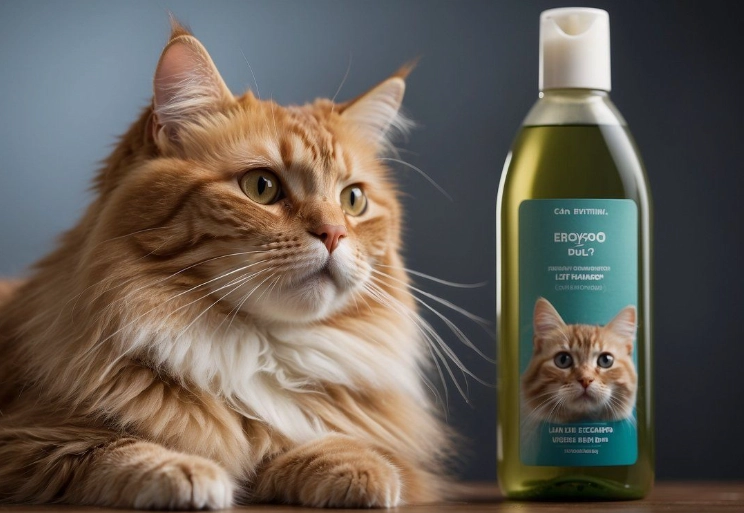
Your Burning Questions Answered
My dog licked some cat shampoo. What now?
Can I use dog shampoo on my cat? (The reverse scenario)
What about "pet shampoo" labeled for both dogs and cats?
My dog seems fine after one bath with cat shampoo. Did I get lucky?

Are there any cat shampoos that are okay for dogs?
The bottom line is simple. Our pets rely on us to make safe choices for them. Their skin is their largest organ and a vital line of defense. While reaching for the cat shampoo might solve an immediate problem, it often creates a slower, itchier, more expensive problem down the line. Stock a simple, dog-appropriate shampoo. Your dog's skin (and your wallet) will thank you.

Leave a comment