Let's be honest. The sight of your dog in a plastic cone, that classic "cone of shame," is heartbreaking. They look miserable, they bump into everything, and you feel like the worst pet parent ever. I've been a vet for over a decade, and I've dispensed hundreds of these plastic Elizabethan collars (their proper name). I've also seen the panic in owners' eyes when they bring their groggy pup home from surgery, cone attached, with zero instructions on how to make it work.
This guide is that missing manual. We're going beyond the basic "cone stops licking" talk. We'll dive into the nitty-gritty of sizing (where most people fail), how to actually get your dog to tolerate the thing, and when you might consider a different option. My goal is to turn a stressful recovery into a manageable, even slightly peaceful, process.
What You'll Find in This Guide
- Why Your Dog Absolutely Needs a Cone (Even If They Hate It)
- The Plastic Dog Cone: Weighing the Pros and Cons
- How to Measure for a Dog Cone: The Step Everyone Gets Wrong
- Getting Your Dog Used to the Cone: A 3-Day Plan
- Beyond Plastic: Comparing Dog Cone Alternatives
- Your Top Plastic Dog Cone Questions, Answered
Why Your Dog Absolutely Needs a Cone (Even If They Hate It)
It's not about shame. It's about safety. A dog's instinct to lick, chew, or scratch a wound is incredibly strong. That saliva? It's not sterile. According to guidelines from the American Animal Hospital Association, preventing self-trauma is a cornerstone of post-operative care. A few minutes of determined licking can rip out stitches, introduce infection, and turn a simple spay into a costly, dangerous complication.
I tell clients to think of the cone not as a punishment, but as a mobile fence. It creates a physical barrier between your dog's mouth/paws and their healing body part. Whether it's a surgical incision, a hot spot, or an eye injury, the cone buys the injury time to heal without interference.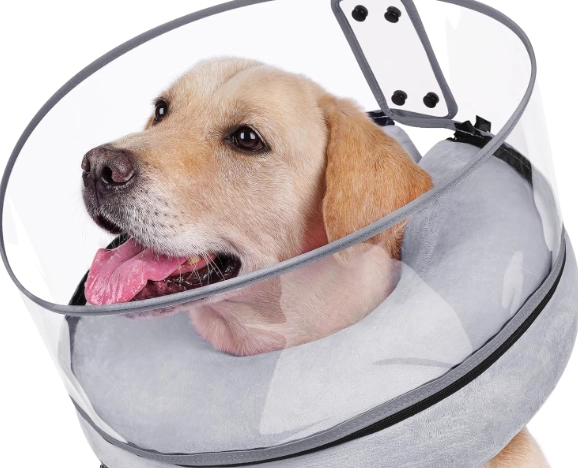
The Plastic Dog Cone: Weighing the Pros and Cons
The classic plastic e-collar isn't perfect, but it's the vet's go-to for a reason. Let's break it down.
The Good Stuff:
- Unbeatable Protection: Its rigid structure and depth provide a foolproof barrier. A determined chewer can't bend it to reach their flank or paw.
- Cost-Effective: It's usually the cheapest option, often provided by your vet clinic at cost or included in a surgery package.
- Durable & Easy to Clean: You can wipe it down with pet-safe disinfectant daily. It won't absorb odors or fluids.
- Universal Fit: The adjustable plastic strap system works on most neck sizes, from Chihuahuas to Great Danes.
The Not-So-Good Stuff:
- The "Wall Effect": Dogs lose all spatial awareness. They'll crash into doorframes, table legs, and your shins. This is the biggest source of stress for dog and owner.
- Restricted Vision & Hearing: The cone acts like a satellite dish, funneling noise and blocking peripheral vision, which can increase anxiety.
- Difficulty with Basics: Eating, drinking, and sleeping become awkward challenges. Some dogs just give up and lie there, depressed.
- The "Sad Dog" Aesthetic: Let's not ignore it. It looks awful and makes everyone feel guilty.
How to Measure for a Dog Cone: The Step Everyone Gets Wrong
Your vet will usually provide a cone, but it might not be the ideal size. If you're buying one, getting the size right is critical. A cone that's too short is useless; one that's too long turns your dog into a bulldozer.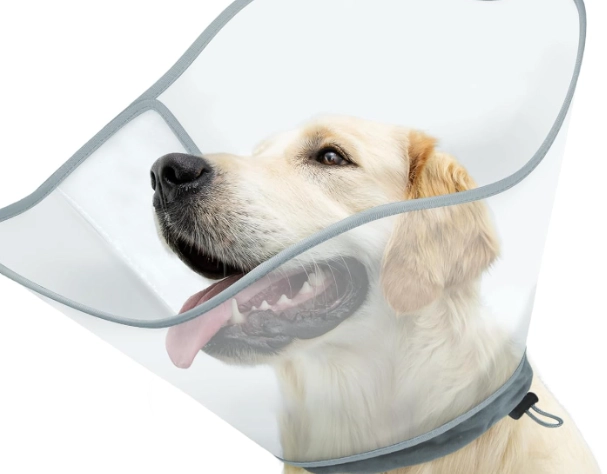
Here’s the method I use in the clinic that most online guides skip:
Step 1: Measure the Neck. Use a soft tape measure around the base of the neck where the collar sits. Add about 2 inches to this number for the fastener overlap. This gives you the strap length needed.
Step 2: The "Nose Test" – This is the key. This determines the depth or length of the cone. Have your dog stand normally. Using a ruler or tape measure, measure from the tip of their nose to just past the corner of their mouth. Now, add 2 to 4 inches to that number. The cone needs to extend past the muzzle so they can't bend it and reach a wound on their chest or paw.
Let's say your dog's nose-to-mouth-corner length is 4 inches. You'd want a cone that's 6 to 8 inches deep. For a chest incision, err on the longer side (8 inches). For a paw injury, the shorter end (6 inches) might suffice.
Step 3: Consider the Opening. The cone's neck opening diameter should be about 1-2 inches larger than your dog's neck circumference. This allows for comfort and the collar strap.
What If the Vet's Cone is the Wrong Size?
It happens. Don't be afraid to call your clinic. They often have multiple sizes and would much rather you have the right fit than deal with a compromised wound later. I've swapped cones for clients dozens of times.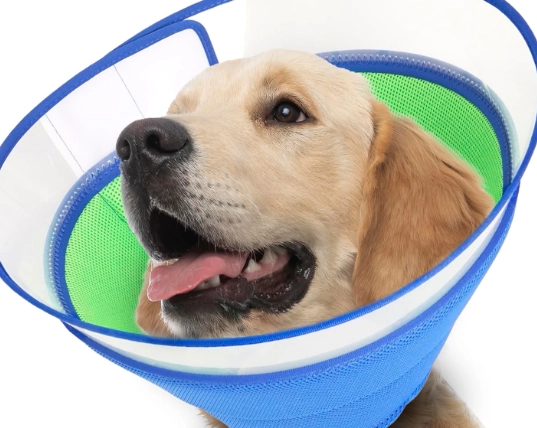
Getting Your Dog Used to the Cone: A 3-Day Plan
Throwing the cone on and hoping for the best is a recipe for a panicked pet. This gradual introduction plan has worked for most of my patients.
Day 1 (The Introduction): Put the cone on without fastening it. Let it rest on their shoulders. Scatter high-value treats (boiled chicken, cheese) on the floor inside the cone so they have to put their head in to eat. Do this for 5-minute sessions, several times a day. Goal: Cone = tasty things.
Day 2 (The Wear Test): Fasten the cone loosely. Immediately engage in a fun, low-energy activity they love. For my dog Otis, it was a slow, sniffy walk in the backyard. The distraction of smelling overrode the weirdness of the cone. Keep this session to 10-15 minutes. Offer treats through the cone opening.
Day 3 (Full Integration): Put the cone on properly snug (you should fit two fingers under the strap). Now, help them navigate their world. Guide them through doorways, raise their food and water bowls (use a stand or put bowls on a small box), and create a clear, wide path to their bed. Remove any low-hanging obstacles.
The biggest tip? Stay calm. Your dog mirrors your energy. If you're anxious and apologetic, they'll think something is terribly wrong.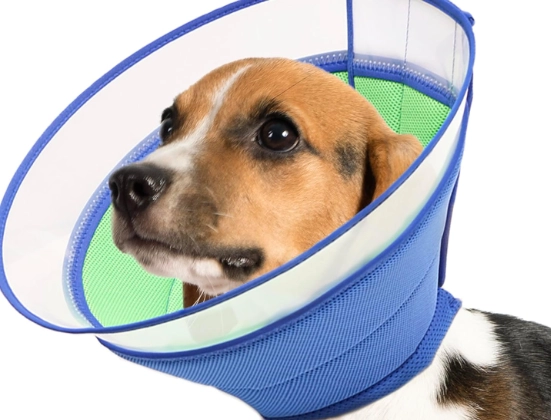
Beyond Plastic: Comparing Dog Cone Alternatives
Plastic isn't the only game in town. The rise of "comfort cones" and recovery suits has given us options. But they're not right for every dog or every injury. Here’s a blunt comparison.
| Type | Best For | Major Drawback | My Vet Verdict |
|---|---|---|---|
| Classic Plastic Cone | Determined chewers, chest/body wounds, post-surgery. | Causes spatial disorientation, high stress. | The gold standard for security. Use when protection is paramount. |
| Inflatable/Donut Collar | Neck, shoulder, or leg wounds. Anxious dogs who panic in hard cones. | Dogs with long legs or flexible necks can often still reach their body or hind legs. | Great for specific areas and comfort. Always do a "reach test" with your dog wearing it. |
| Soft Fabric Cone | Low-level irritations, dogs who are claustrophobic in plastic. | Not rigid. A persistent dog can fold it and reach the wound. Can get dirty quickly. | I rarely recommend these for post-op care. The risk of failure is too high. |
| Recovery Suit/Bodysuit | Spay/neuter incisions, large torso wounds, dogs who hate things on their neck. | Can be hot, requires removal for bathroom breaks, needs washing. | An excellent alternative for torso wounds if your dog won't tolerate a cone. Must be snug. |
The Crucial Check: No matter what alternative you choose, you must supervise your dog closely at first. Can they bend, twist, or maneuver to lick or chew the wound? If yes, it's not working. Switch back to plastic.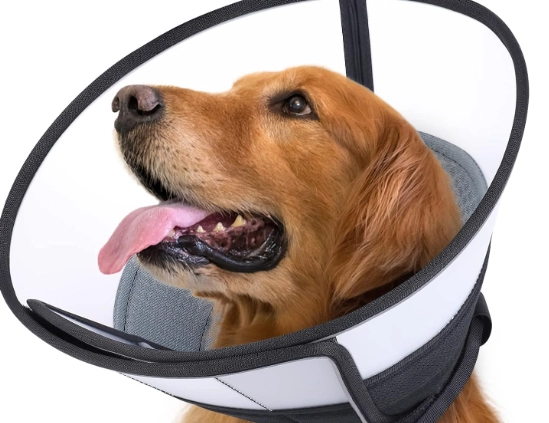
Your Top Plastic Dog Cone Questions, Answered
My dog won't eat or drink with the plastic cone on. What can I do?
This is extremely common. Elevate the bowls. Use a raised feeder or place the bowls on a stable platform, book, or small stool. The height should allow the rim of the cone to clear the edge of the bowl so your dog can get their mouth inside. For water, consider a wider, shallower bowl. Some dogs figure out how to scoop water with the edge of the cone itself—it's messy but effective.
How long should my dog wear the cone after neuter/spay surgery?
Follow your vet's specific instructions, but the general rule is 10-14 days, or until the sutures are removed and the incision is fully sealed. The danger zone is often days 3-7 when the itchiness of healing sets in. Never remove the cone just because the incision "looks good." The internal stitches are still healing. I've seen perfectly fine-looking incisions get ripped open by an enthusiastic lick on day 12.
My dog is walking backwards and seems terrified to move with the cone. Is this normal?
Yes, especially in the first 24 hours. The cone disrupts their forward sensory field. They're essentially navigating blind. Guide them gently on a leash, use verbal encouragement, and create wide, clear pathways. Most dogs adapt within a day or two. If the panic is extreme (panting, trembling for hours), call your vet. They may approve a trial with a closely supervised inflatable collar.
Can I take the cone off if I'm watching my dog sleep?
I strongly advise against it. Dogs can wake up and start licking before they're even fully conscious. If you must give a break for deep cleaning of the cone or a thorough scratch (outside the wound area), do it in a small, empty room like a bathroom with the door closed, with your full, undivided attention. Five minutes max.
The plastic edge is rubbing my dog's neck raw. What should I do?
This is a sign of improper fit or constant rubbing. First, check the tightness—you should fit two fingers under the strap. If it's correct, you can pad the edge. Use a soft fabric sleeve (sold specifically for cones), or carefully wrap the inner edge with a self-adhesive bandage like Vetrap or even a soft sock secured with medical tape. Ensure your dog can't chew and swallow the padding.
Recovery is tough. That plastic dog cone is a tool, not a sentence. With the right size, a patient introduction, and a lot of empathy, you can get your best friend through this awkward phase. The goal is a healed wound and a happy dog. The cone, as annoying as it is, is the shortest path to both.




Leave a comment