Quick Guide
- Why Even Consider Herbs for Your Dog?
- The A-List: Safe & Beneficial Herbs Good for Dogs
- The Red Alert List: Herbs That Are BAD for Dogs
- How to Actually Give Herbs to Your Dog: A Practical Guide
- Choosing Quality Products: Don't Get Scammed
- Your Top Questions About Herbs Good for Dogs, Answered
- The Bottom Line: A Partner, Not a Panacea
Let's be real. When your furry friend is scratching like crazy, or seems a bit down, or just can't settle their stomach, you want to help. I've been there. My own dog, a restless terrier mix, used to turn into a nervous wreck during thunderstorms. That's what first sent me down the rabbit hole of herbs good for dogs. I was skeptical—honestly, the whole "natural remedy" scene can feel overwhelming and full of hype. But after talking to vets, reading more studies than I care to admit, and cautiously trying a few things myself, I realized there's genuine value here, buried under all the marketing noise.
This isn't about replacing your vet. Never, ever do that. It's about understanding safe, supportive options that have been used for centuries, and learning how to integrate them wisely into your dog's life. So, whether you're looking to soothe an upset tummy, ease some joint stiffness, or just give their overall wellness a little boost, let's talk about which plants might help and, just as importantly, which ones to avoid like the plague.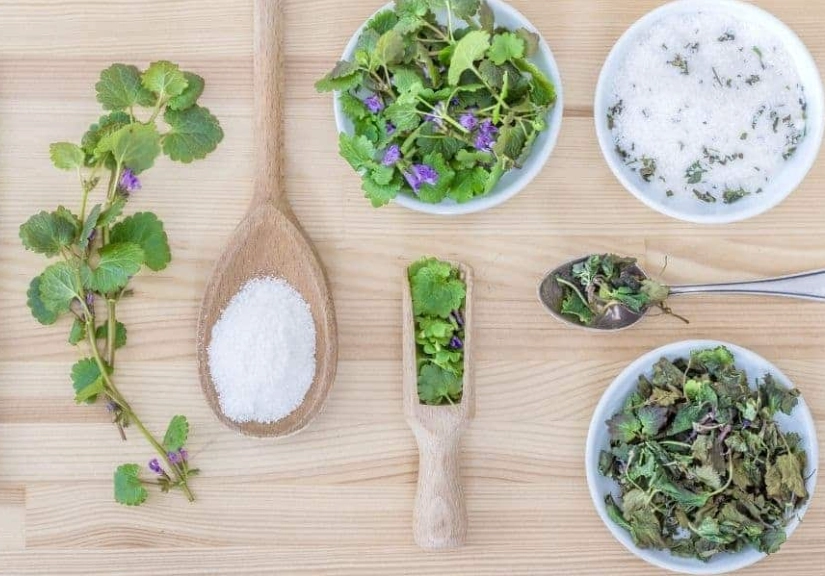
Why Even Consider Herbs for Your Dog?
Modern medicine is incredible. But sometimes, you want a gentler, first-line approach for minor issues. Think of herbs good for dogs not as magic bullets, but as dietary supporters. They contain compounds—antioxidants, anti-inflammatories, mild sedatives—that can complement your dog's health. The American Veterinary Medical Association (AVMA) acknowledges the growing interest in integrative care, which can include botanicals, while emphasizing the need for science-backed safety (AVMA on Veterinary Compendiums).
I remember giving my dog a tiny bit of slippery elm bark powder when he had a bout of diarrhea from getting into the trash. Was it the only thing that helped? Probably not (fasting and hydration were key), but it seemed to coat his gut and settle things faster than previous episodes. It's those small, practical wins that make learning about this worthwhile.
But here's the crucial bit: "natural" doesn't automatically mean "safe." Poison ivy is natural. You wouldn't rub that on your pup. The goal is informed, cautious use.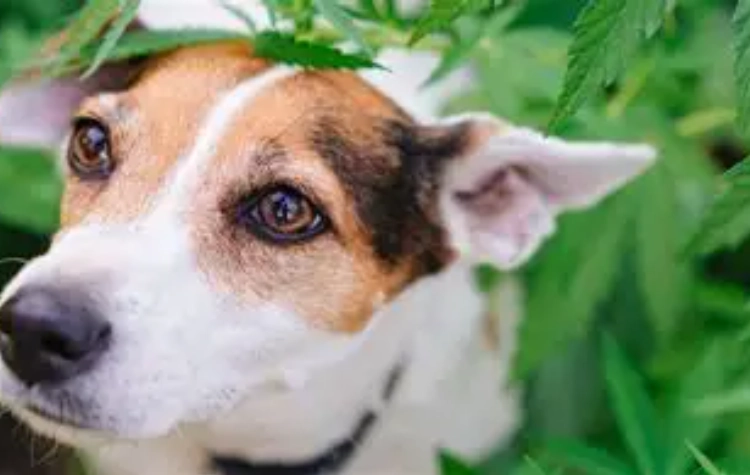
The A-List: Safe & Beneficial Herbs Good for Dogs
Alright, let's get into the specifics. These are the herbs I'd consider the foundation—ones with a decent track record and generally recognized as safe when used appropriately. I've broken them down by what they're commonly used for.
For Calming Nerves & Easing Anxiety
Fireworks, separation, general noise phobia... dog anxiety is real. These herbs can take the edge off.
- Chamomile: Not just for tea! This gentle herb contains apigenin, which binds to brain receptors similarly to some anti-anxiety meds (but much milder). Perfect for mild situational stress. I sometimes brew a weak, cooled tea and mix a tablespoon into my dog's food on vet-visit mornings.
- Valerian Root: This one's stronger. It's a natural sedative. Great for severe noise phobia, but it can make some dogs a bit sleepy or, paradoxically, agitated. Start with a tiny dose and see how your dog reacts. The smell is... potent. Like old socks. Your dog might not mind, but you will.
- Passionflower: Often paired with chamomile or valerian. It's thought to boost GABA, a calming neurotransmitter in the brain. A good middle-ground option.
Honestly, for severe anxiety, these herbs are helpers, not cures. They work best combined with behavioral training and a calm environment.
For Digestive Support & Upset Stomachs
Dogs eat things they shouldn't. It's a law of nature. These herbs can help soothe the aftermath.
- Ginger: The king of settling nausea. A little fresh grated ginger (think a quarter teaspoon for a medium dog) can work wonders for car sickness or an off tummy. It's anti-inflammatory for the gut too.
- Slippery Elm Bark: This is my go-to. The inner bark forms a soothing, slippery mucilage that coats the throat, stomach, and intestines. It's fantastic for occasional diarrhea or mild gastritis. You have to mix the powder with cold water to activate it—it gets gelatinous.
- Fennel Seed: Helps with gas and bloating. A mild carminative. If your dog tends to get gassy after meals, a pinch of fennel seed powder in their food might reduce those... aromatic consequences.
For Joint Health & Mobility
As dogs age, their joints creak. While prescription meds are essential for arthritis, these herbs can provide supportive anti-inflammatory action.
- Turmeric (with Black Pepper): This is the big one everyone talks about. Curcumin, the active compound, is a powerful anti-inflammatory. But here's the critical part: it's poorly absorbed on its own. You must pair it with a pinch of black pepper (piperine) or a fat source (like coconut oil) to boost bioavailability. Don't bother with plain turmeric powder; it'll just pass through.
- Boswellia (Frankincense): Less famous than turmeric but equally impressive for joint support. Studies, including some cited in resources from the U.S. Food and Drug Administration's Center for Veterinary Medicine regarding anti-inflammatory ingredients, show it can reduce pain and improve mobility in arthritic dogs without the stomach upset some NSAIDs cause (FDA Animal Health Literacy).
- Yucca Root: Contains natural steroidal saponins that reduce inflammation. It can be effective, but some vets caution against long-term, daily use. I prefer to use it cyclically—a few weeks on, a few weeks off—for older dogs having a stiff period.
Pro Tip: When starting any new herb for joints, give it time. Unlike drugs, they don't work instantly. It might take 2-4 weeks of consistent use to see a noticeable difference in your dog's comfort level.
For Skin & Coat Health
Itchy skin can drive a dog (and their owner) mad. These herbs can support skin health from the inside out.
- Nettle: A natural antihistamine. If your dog's itching seems allergy-related (seasonal, for example), dried nettle leaf can be very helpful. It's also rich in minerals. Don't use fresh nettle—it stings!
- Burdock Root: Acts as a blood purifier and supports liver function, which in turn can lead to healthier skin. Often used in blends for chronic skin conditions.
- Oatmeal (as a topical): Okay, it's a grain, but it's a classic for a reason. Colloidal oatmeal in a bath is incredibly soothing for hot, itchy skin. It's one of the few things you can safely apply directly.
The Red Alert List: Herbs That Are BAD for Dogs
This section is non-negotiable. Knowing what to avoid is more important than knowing what to give. The ASPCA Animal Poison Control Center is the definitive source here (ASPCA Poison Control). Some common garden herbs and kitchen plants are highly toxic.
NEVER, EVER give your dog these:
- Garlic & Onions (All Alliums): Yes, I know you'll find old articles saying "a little garlic is okay for fleas." Modern veterinary science says no. They contain thiosulfate, which destroys red blood cells in dogs, leading to hemolytic anemia. It's cumulative. Just don't risk it.
- Nutmeg: Contains myristicin, which can cause hallucinations, high heart rate, seizures, and even death. A tiny amount can be dangerous.
- Pennyroyal: Often marketed as a "natural" flea repellent. It's highly toxic to the liver and can cause fatal liver failure.
- Comfrey: Used topically for humans, but contains pyrrolizidine alkaloids (PAs) that are toxic to the liver when ingested. Dogs will lick a poultice.
- Marijuana (Cannabis): While CBD is a separate and popular topic, THC (the psychoactive compound) is toxic to dogs, causing incontinence, lethargy, and worse. Keep all cannabis products locked away.
If you're into gardening, double-check every plant. Foxglove, lily of the valley, sago palm—the list of toxic plants is long. When in doubt, assume it's not safe.
How to Actually Give Herbs to Your Dog: A Practical Guide
You can't just sprinkle random leaves in the bowl. Here’s how to do it right.
Forms & Preparation
Herbs come in different forms, and each has pros and cons.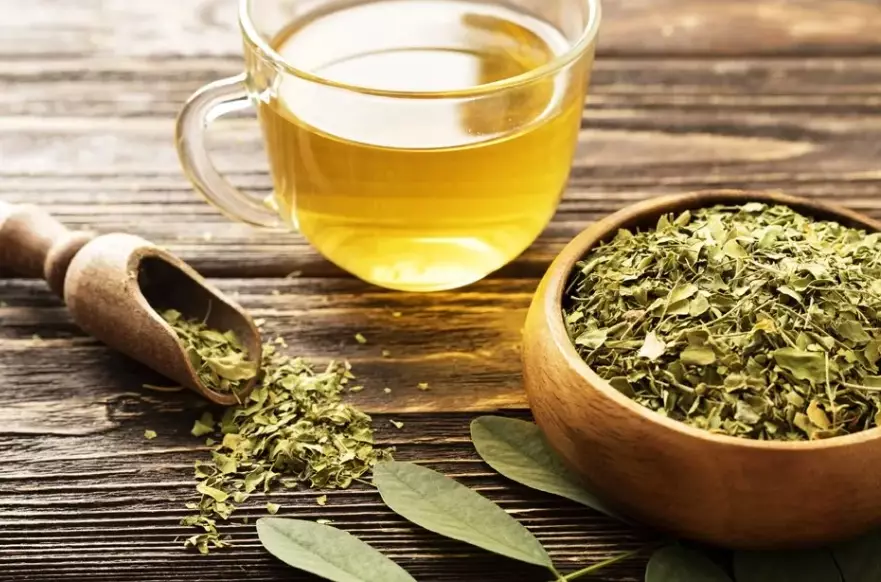
| Form | What It Is | Best For | My Take |
|---|---|---|---|
| Dried Herb/Leaf | Whole or cut herb, dried. | Making teas (for chamomile, mint), or lightly sprinkling on food (nettle). | Most accessible. You control the source. Making tea allows you to control strength. |
| Powder | Herb ground into fine powder. | Mixing into wet food. Best for things like turmeric, slippery elm, milk thistle. | Easy to mix and dose. Can be messy. Taste might be more pronounced. |
| Tincture (Glycerite) | Herb extracted in glycerin (alcohol-free). | Fast absorption, easy dosing with a dropper. Good for picky eaters. | My preferred method for things like valerian or blends. Easy to hide in a bit of food. Avoid alcohol-based tinctures for dogs. |
| Capsule | Powder encapsulated. | Dogs that will eat pills, or for very bitter herbs. | Convenient and tasteless. You can open them and mix the powder if needed. |
Dosing: The Golden Rule
There is no one-size-fits-all dose. It depends on the herb, the dog's size, health, and why you're using it.
The safest approach? Follow the dosage on a reputable commercial product made specifically for dogs. If using bulk herbs, the general rule of thumb is "less is more." A common starting point is 1/4 teaspoon of dried herb or powder per 20 lbs of body weight, mixed into food once or twice daily. But this varies wildly!
I messed this up once. I gave my 25-pound dog what I thought was a "standard" dose of valerian from a human supplement guide. He was wobbly and disoriented for an hour. It scared me. I learned to always, always start at the lowest possible dose and watch for 24-48 hours before even considering more.
For tinctures, doses are usually given in drops or milliliters per weight. Start low.
Choosing Quality Products: Don't Get Scammed
The supplement industry is poorly regulated. You have to be a detective.
- Look for "Human-Grade" or Veterinary Brands: If it's labeled as a "feed supplement" or "for animal use only," the quality control standards are much lower.
- Third-Party Testing: Does the brand have Certificates of Analysis (COAs) proving purity and potency? This checks for heavy metals, pesticides, and actual herb content. If they don't provide this info when asked, walk away.
- Simple Ingredients: The best products have one herb, or a clear, sensible blend. Avoid long lists of fillers, artificial flavors, and vague "proprietary blends."
- Species-Specific Formulas: A product formulated for dogs is better than trying to adapt a human one. The dosing and formulation are tailored.
Honestly, this is where I spend the most time—researching brands. It's frustrating, but it's the only way to ensure you're getting herbs good for dogs that are actually pure and effective.
Your Top Questions About Herbs Good for Dogs, Answered
Let's tackle the stuff you're probably typing into Google right now.
Can I just use herbs from my garden?
Maybe, but be extremely careful. First, positive identification is a must. Is that really chamomile and not a look-alike? Second, has your garden been treated with pesticides, herbicides, or chemical fertilizers? If so, it's a hard no. Third, how do you process it? Drying herbs properly to prevent mold is a skill. For beginners, I'd recommend buying from a trusted organic supplier to eliminate these risks.
How long does it take to see results?
It's not like a drug. For anxiety, you might see a calming effect in an hour or two with something like chamomile tea. For chronic issues like arthritis or skin allergies, it can take 3-6 weeks of consistent use to see noticeable improvement. Herbs work by gently supporting the body's systems, not by forcefully overriding them.
Are there any side effects?
Absolutely. Even safe herbs can cause issues. Gastrointestinal upset (vomiting, diarrhea) is the most common if the dose is too high or the dog is sensitive. Some herbs, like valerian, can cause sedation or, in rare cases, agitation. Others can interact with medications. This is why talking to your vet is step zero. Tell them exactly what you're considering.
My dog is on medication. Can they still have herbs?
This is the million-dollar question.
Some herbs interact with drugs. For example, St. John's Wort (which I didn't recommend above due to variability and interactions) can interfere with a huge number of medications. Turmeric might increase the risk of bleeding if given with blood thinners. You must, must, must consult your veterinarian or a veterinary herbalist. Bring the actual product with you to your appointment.
What's the single best herb to start with?
For a total beginner wanting to dip a toe in? Chamomile. It's gentle, widely available, and hard to mess up. Brew a weak tea (one tea bag in 8 oz of hot water, steep 5 mins, let cool completely), and add a teaspoon to your medium-sized dog's dinner on a stressful day. Observe. It's a low-risk way to see how your dog responds to herbal support.
The Bottom Line: A Partner, Not a Panacea
Exploring herbs good for dogs has been a rewarding part of caring for my own pet. It's given me more tools in my toolkit for managing minor, everyday health hiccups. It feels good to understand what I'm giving him and why.
But let me be perfectly clear: this is not a replacement for professional veterinary care, good nutrition, or proper exercise. It's a complementary piece. The real magic happens when you combine this knowledge with a strong relationship with a vet you trust—one who is open to discussing these options with you.
Start slow. Do your homework. When in doubt, don't give it out. Your dog's safety is the only thing that matters. With that mindset, you can confidently explore the world of beneficial herbs and find safe, natural ways to support your best friend's well-being for years to come.




Leave a comment