Jump Straight to What You Need
Let's cut to the chase: high value treats are the game-changer in dog training. They're not just snacks; they're the currency your dog actually cares about. If your dog ignores you when it matters, you're probably using the wrong rewards. I learned this the hard way with my own dog, a stubborn terrier mix who'd rather chase squirrels than listen to me. Once I switched to truly high value treats, everything clicked. This guide will show you exactly what works, based on a decade of training dogs and seeing what fails.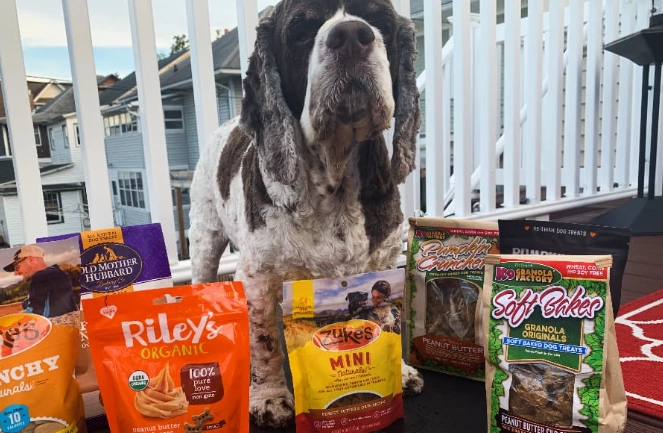
What Makes a Treat "High Value" for Your Dog?
A high value treat is something your dog will work hard for. It's that simple. But here's the catch—what's high value for one dog might be boring for another. For most dogs, it comes down to smell and texture. Think stinky, meaty, and soft. Freeze-dried liver? Often a winner. Kibble? Usually not, unless your dog is really food-motivated.
I remember a client's dog who only went crazy for tiny pieces of cheese. Nothing else worked. That's the key: you have to experiment. High value treats are typically reserved for difficult tasks, like recall in a distracting park or learning a new trick. According to the American Veterinary Medical Association, treats should be limited to 10% of daily calories, so choosing impactful ones is crucial.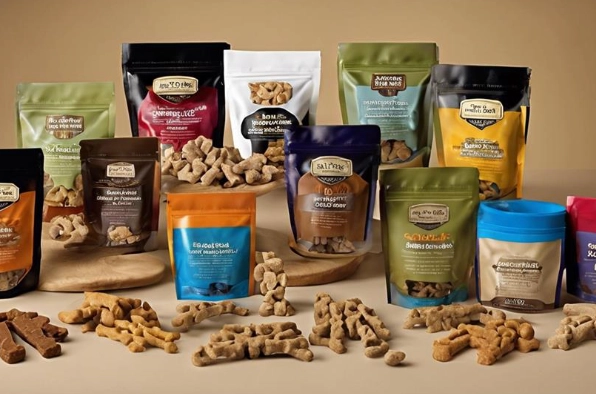
Quick test: Offer your dog a regular treat and a high value one side by side. Which one does he go for first? That's your answer.
How to Choose the Best High Value Treats: Beyond the Marketing Hype
Don't just grab the first bag labeled "premium." Look at the ingredients. Real meat should be the first item. Avoid fillers like corn, wheat, and soy—they're cheap and add little nutritional value. Size matters too; treats should be small, about the size of a pea, so you can reward frequently without overfeeding.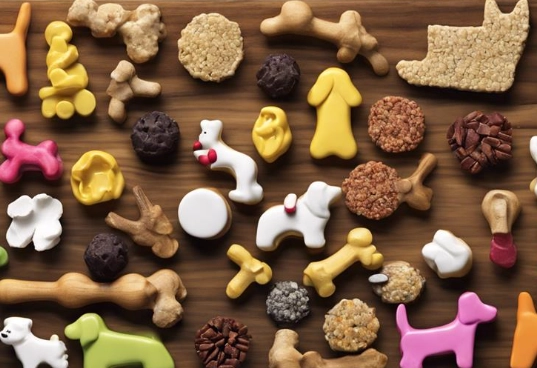
Key Factors to Consider
Smell: Dogs experience the world through their nose. Strong odors like fish or liver are often more enticing.
Texture: Soft treats are easier to eat quickly during training sessions. Crunchy ones can slow things down.
Nutritional value: Check the calorie count. Some commercial treats are surprisingly high in fat, which can lead to weight gain if overused.
I've seen trainers swear by specific brands, but honestly, it's about your dog's preference. Start with single-protein treats like chicken or beef to avoid allergies.
My Top Treat Picks for Different Training Scenarios
Here's a breakdown based on real training situations. These are from my own experience and feedback from other trainers.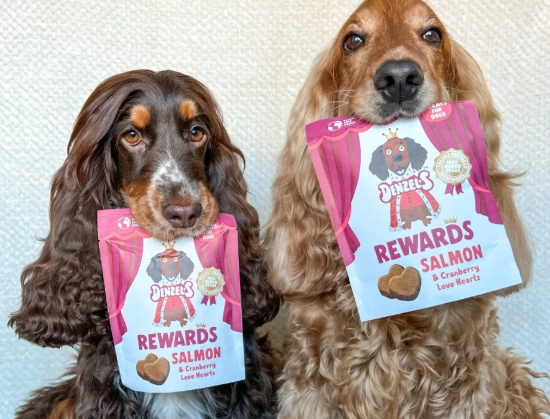
| Training Scenario | Recommended High Value Treat | Why It Works | Watch Out For |
|---|---|---|---|
| Basic obedience at home (e.g., sit, stay) | Small pieces of boiled chicken | High protein, low fat, most dogs love it | Can be messy; prepare in advance |
| Recall in a distracting environment (like a park) | Freeze-dried salmon bites | Extremely smelly, easy to carry, doesn't crumble | Some brands are pricey; check for additives |
| Advanced trick training (e.g., agility) | Commercial soft treats like Zuke's Mini Naturals | Consistent size, variety of flavors, quick to eat | Contains some grains; may not suit all dogs |
| For dogs with food sensitivities | DIY sweet potato bites | Hypoallergenic, easy to digest, cheap to make | Lower in protein; may not be as motivating |
Notice how I didn't just list brands? That's because what's available changes. Focus on the characteristics: smelly, soft, and meat-based. A common mistake is using the same treat for everything. Rotate them to keep your dog interested.
How to Use High Value Treats Effectively Without Creating a Beggar
This is where most people go wrong. They give high value treats for no reason, and soon the dog expects them all the time. Use them strategically. For example, reserve the best treats for recall when off-leash or for breaking attention from other dogs.
Here's a simple system I use:
- Low value treats: Kibble or dry biscuits for easy commands at home.
- Medium value: Commercial soft treats for learning new tricks indoors.
- High value: Something special like liver or cheese for outdoor distractions or critical commands.
Timing is everything. Reward within two seconds of the desired behavior. If you're late, your dog might not connect the treat to the action. I've seen owners fumble with treat bags and miss the moment—practice getting treats ready quickly.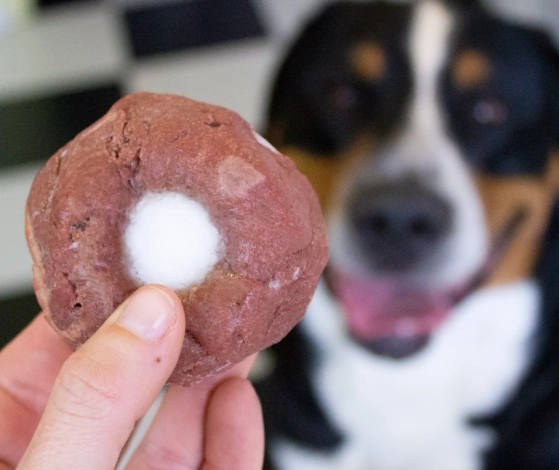
Expert tip: Don't show the treat before asking for a behavior. That's bribery, not training. Keep treats hidden until after your dog complies.
DIY High Value Dog Treats: Recipes That Actually Motivate
Store-bought treats can get expensive, and you don't always know what's in them. Making your own lets you control the ingredients. Here are two recipes that have worked for my dogs and clients'.
Recipe 1: Simple Liver Bites
Ingredients: 1 pound of beef or chicken liver, 1 tablespoon of olive oil (optional).
Steps: Preheat oven to 250°F. Cut liver into small, pea-sized pieces. Place on a baking sheet lined with parchment paper. Bake for 2-3 hours until dry and chewy. Let cool completely. Store in an airtight container in the fridge for up to two weeks.
Why this works: Liver is packed with nutrients and has a strong smell dogs adore. The low temperature preserves the flavor. I've had dogs ignore expensive treats for these homemade bits.
Recipe 2: Sweet Potato and Tuna Balls
Ingredients: 1 cup mashed cooked sweet potato, 1 can of tuna in water (drained), 1 egg.
Steps: Mix all ingredients in a bowl. Form into tiny balls (about 1/2 inch). Bake at 350°F for 20 minutes until firm. Cool and store refrigerated for up to a week.
This is great for dogs with grain allergies. The fish smell makes it high value, and sweet potato adds fiber. A client's picky eater finally responded to training with these.
Remember, always introduce new foods gradually and consult your vet if your dog has health issues.
Common Mistakes I've Seen (And Made) Over the Years
Even experienced trainers slip up. Here are subtle errors that can undermine your efforts.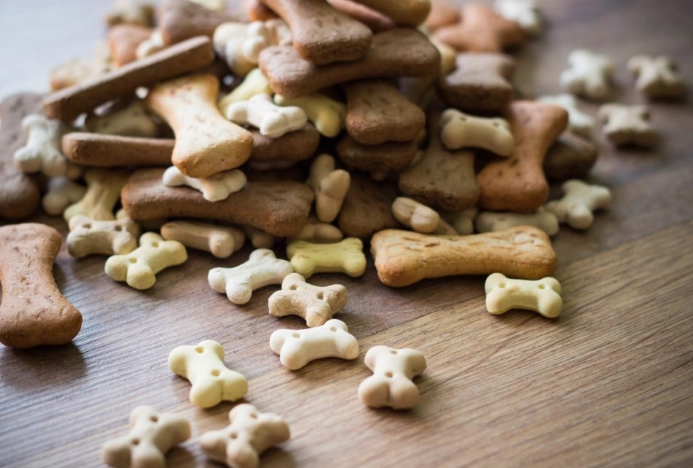
Mistake 1: Using high value treats for every little thing. This dilutes their power. Save them for when you really need focus. I once ruined a dog's recall by giving him chicken for sitting—he stopped caring outdoors.
Mistake 2: Ignoring treat size. Big treats mean more chewing time, which breaks training flow. Cut everything small. I've wasted sessions waiting for a dog to finish a large biscuit.
Mistake 3: Not considering your dog's preferences. Just because a treat is expensive doesn't mean your dog will like it. Test a few options. My terrier turns his nose up at some popular brands—he prefers homemade.
Mistake 4: Forgetting about calories. It's easy to overfeed during intense training. Measure treats and adjust meals accordingly. The Association for Pet Obesity Prevention notes that overweight dogs are less responsive to treats.
These might seem obvious, but in the heat of training, they're easy to overlook. Take notes on what works for your dog.


Leave a comment