Quick Guide
- What's Actually in a Raw Cranberry? A Cat's-Eye View
- The Real Risks: Why “Can They?” Is Different From “Should They?”
- So, You Still Want to Try? The Absolute Safest Method (If You Must)
- The Smart Alternative: Veterinary Cranberry Supplements
- Better, Safer Treats Your Cat Will Actually Love
- Your Questions, Answered (The Stuff You're Really Wondering)
- The Final Verdict: Putting It All Together
So you’re in the kitchen, maybe prepping for the holidays, and a little red berry rolls off the counter. Your cat, ever the curious supervisor, gives it a sniff. And just like that, the question pops into your head: Can cats eat cranberries raw? Is this a harmless little treat or a vet visit waiting to happen?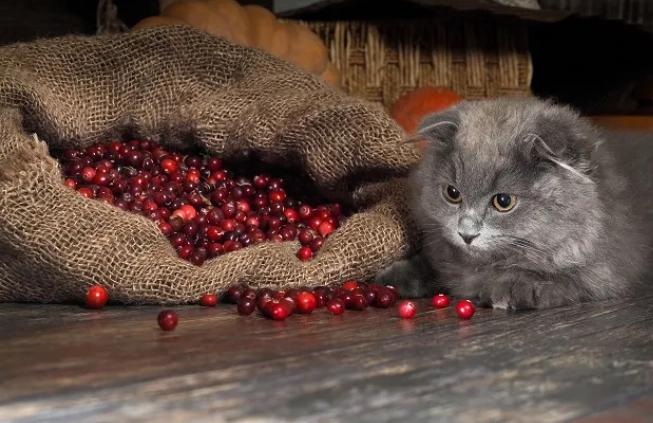
I’ve been there. My own cat, Jasper, has a knack for finding the one thing he shouldn’t have. It’s a universal cat owner experience, this mix of curiosity and panic. You want to share, but you’re terrified of making them sick.
Let’s cut through the noise. The short, direct answer is: Technically, yes, a cat can eat a raw cranberry or two without immediate disaster. But—and this is a massive but—it’s not recommended, and it’s certainly not a good idea to make it a habit. The real story is way more nuanced than a simple yes or no. It’s about understanding their weird little bodies, the risks hiding in that tart berry, and what your cat actually needs.
This guide isn’t going to just toss you an answer and run. We’re going to dig into the why, the how much, and the “what if.” We’ll look at what’s in a cranberry from a cat’s perspective, decode the real risks (some of which other articles gloss over), and give you a practical, step-by-step plan if you’re still considering it. Because let’s be honest, sometimes knowing the safe way to do the risky thing is more useful than just being told “no.”
What's Actually in a Raw Cranberry? A Cat's-Eye View
To a human, a cranberry is a source of vitamin C and antioxidants. To a cat, it’s... confusing. Cats are obligate carnivores. Their bodies are fine-tuned for meat, not fruit. So when we ask “can cats eat cranberries raw?” we need to translate the berry into feline terms.
Here’s a breakdown of the main components and what they mean for your cat. I’ve put it in a table because seeing it side-by-side makes the pros and cons really clear.
| Nutrient/Component | What It Is | Potential Benefit for Cats | Potential Risk for Cats |
|---|---|---|---|
| Vitamin C | An antioxidant. | Cats produce their own, so no dietary need. Might offer a minor immune boost in theory. | Excess amounts can cause digestive upset like diarrhea. |
| Fiber | Dietary fiber, mostly insoluble. | Minimal amount could, in theory, aid digestion. | Too much fiber is a major cause of stomach upset, gas, and soft stools in cats. |
| Manganese & Vitamin K | Trace minerals/vitamins. | Essential nutrients, but cats get all they need from quality cat food. | No significant risk from the tiny amounts in a berry. |
| Natural Acids (Citric, Malic) | What makes cranberries tart. | Some believe they can acidify urine, but evidence is weak for cats. | Primary Risk: Can irritate the stomach lining, leading to nausea, vomiting, or heartburn. |
| Sugars (Fructose, Glucose) | Natural sugars. | Quick energy source (not needed by cats). | Unnecessary calories, can contribute to weight gain. Risk of digestive fermentation and gas. |
| Proanthocyanidins (PACs) | Antioxidant compounds. | The star of the show. Some studies, like those referenced by the National Institutes of Health, suggest PACs may prevent E. coli bacteria from adhering to the bladder wall. This is the basis for cranberry use in supplements for urinary health. | In a raw berry, the concentration is low and the benefit is unproven for felines. The risks of the raw fruit outweigh this potential, unverified benefit. |
See the mismatch? The one component with any promising link to feline health (PACs) is best delivered in a controlled, processed supplement form, not a raw berry. The rest of the berry is either irrelevant to a cat’s needs or actively problematic.
Key Takeaway: The theoretical urinary tract benefits you hear about come from specific compounds (PACs), not the whole raw fruit. Giving a raw cranberry for urinary health is like using a sledgehammer to crack a nut—you’re delivering a tiny bit of what might help alongside a bunch of stuff that definitely doesn’t.
The Real Risks: Why “Can They?” Is Different From “Should They?”
Okay, so the nutritional value is basically a wash. The real reasons to pause are the risks. This is where many casual blogs stop at “might cause an upset tummy.” That’s underselling it. Let’s get specific.
Gastrointestinal Upset: The Most Likely Problem
This isn’t just a “maybe.” For many cats, it’s a “probably.” The high acidity and fiber content are a harsh combo for a digestive system designed for protein.
- Vomiting: The acidity can irritate the stomach lining almost immediately.
- Diarrhea or Soft Stool: The fiber and sugar can pull water into the intestines and ferment, leading to a messy situation.
- Loss of Appetite: A sore stomach might make your cat skip their next meal, which is a bigger deal for them than for us.
I made this mistake years ago with a different acidic fruit (a tiny piece of orange). The look of betrayal my cat gave me before the ensuing... let’s call it “gastrointestinal event”... was lesson enough. It’s not worth the cleanup or their discomfort.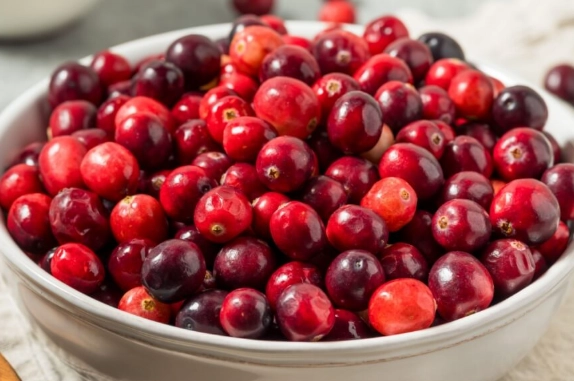
Choking and Obstruction Hazard
This one gets overlooked. A whole, raw cranberry is small, round, and firm. Perfect choking size for a cat that doesn’t chew its food thoroughly.
- A cat might try to swallow it whole.
- It could get lodged in the throat or further down the digestive tract.
- While rare, it’s a serious, acute risk that turns a simple treat into an emergency.
Serious Red Flag – Sugar-Free Products: This is critical. If you’re looking at dried cranberries, sauces, or juices, ABSOLUTELY AVOID anything containing xylitol. This artificial sweetener is extremely toxic to cats (and dogs), causing a rapid release of insulin leading to hypoglycemia (low blood sugar), seizures, and liver failure. The ASPCA Animal Poison Control Center lists xylitol as a major pet poison. Stick with plain, raw fruit if you must, but never, ever anything with added sweeteners.
The Oxalate Question
Cranberries contain moderate levels of oxalates. In susceptible animals, high oxalate intake can contribute to the formation of calcium oxalate bladder stones—which are actually a common type of urinary stone in cats. It’s a bit ironic, given cranberries’ reputation for urinary health. For a cat with a history of these stones, feeding raw cranberries could be counterproductive. Your vet is the best source for guidance here.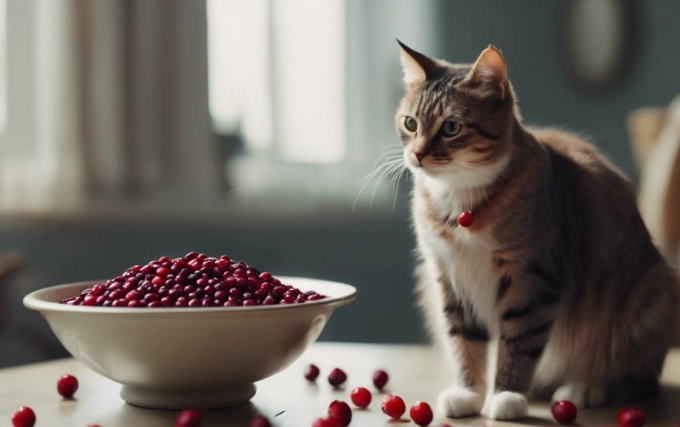
So, You Still Want to Try? The Absolute Safest Method (If You Must)
Look, I get it. Sometimes curiosity wins. If you’ve read all the risks and still want to see if your cat is the one-in-a-million that likes a tart berry, here’s the only way to do it with minimal risk. Think of this as the damage-control protocol.
- Start with a Single Berry. One. Not a handful. This is a test, not a meal.
- Wash It Thoroughly. Rinse off any pesticides or contaminants. Organic is a slightly better choice here.
- Mash or Puree It. This is non-negotiable. Take that berry and crush it completely with a fork or blend it into a paste. This eliminates the choking hazard and makes it easier on their stomach (slightly).
- Offer a Tiny Dab. Put a pea-sized amount of the mash on your finger or their bowl. Don’t mix it into their food for this first test—you need to know if they ate it and how they react.
- Observe for 24 Hours. Watch for any signs of vomiting, diarrhea, lethargy, or changes in litter box habits. If all is clear, you have your answer for that one cat.
I tried this exact method with Jasper. He sniffed the cranberry mash, gave me a look that clearly said “You expect me to eat this?”, and walked away. Most cats will do the same. Their taste buds can’t detect sweetness like ours can, so all they get is the mouth-puckering sourness. It’s often a self-solving problem.
If you’re exploring whether cats can eat cranberries raw for potential health reasons, stop right here. The effective dose of PACs for any theoretical benefit is impossible to achieve safely with raw fruit. You’d be feeding so much it would make them very sick. This leads us to a much better alternative.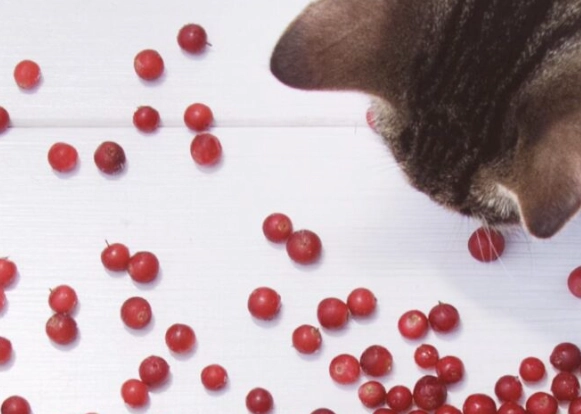
The Smart Alternative: Veterinary Cranberry Supplements
If your interest in cranberries stems from urinary health concerns—maybe your cat has had issues before, or you’re looking for preventative support—there’s a right way and a wrong way. The wrong way is handing out raw berries. The right way is talking to your vet about formulated cranberry supplements.
These supplements (like powders, capsules, or treats) are designed for pets. They:
- Contain a standardized, safe amount of the active compounds (PACs).
- Remove the acidic pulp, fiber, and sugars that cause stomach issues.
- Are often combined with other supportive ingredients like D-Mannose.
The American Veterinary Medical Association (AVMA) stresses the importance of discussing any supplements with your veterinarian before starting them. They can recommend a reputable brand and the correct dosage for your cat’s specific weight and health status. This is the EEAT (Experience, Expertise, Authoritativeness, Trustworthiness) gold standard—leveraging professional expertise for your pet’s care.
Better, Safer Treats Your Cat Will Actually Love
Let’s be real. The chance your cat will enjoy a sour, raw cranberry is slim. Why fight it? Here are treats that are not only safe but are much more aligned with what cats naturally crave. I’ve ranked them based on my own experience and general feline approval ratings.
Top 3 Cat-Approved, Nutritionally-Sound Treats:
- Freeze-Dried Meat or Fish: Single-ingredient treats like chicken, salmon, or duck. This is pure protein—exactly what they want. High-value and healthy.
- Commercial Cat Treats Formulated for Urinary Health: If that’s your goal, get a treat that’s scientifically designed for it. Brands like Hill’s Prescription Diet or Royal Canin have vet-developed options that address pH and bladder health without the guesswork.
- Plain Cooked Meat: A tiny piece of boiled, unseasoned chicken breast or turkey. Simple, safe, and universally adored.
Stick to treats that make up no more than 10% of your cat’s daily caloric intake. Their main nutrition should always come from a complete and balanced commercial cat food.
Your Questions, Answered (The Stuff You're Really Wondering)
I’ve been reading forums and questions for a while. Here are the specific, sometimes anxious queries cat owners have when they type “can cats eat cranberries raw” into Google.
- Dried Cranberries: Concentrated sugar, often with added sweeteners (XYLITOL ALERT!). Chewy texture is a choking risk.
- Cranberry Sauce: Loaded with sugar, sometimes other fruits, and spices. A digestive disaster.
- Juice: Sugar bomb, often diluted with other juices. No fiber, all acid and sugar.
- Cats with known kidney disease.
- Cats with a history of calcium oxalate bladder stones.
- Cats with diabetes (due to the sugars).
- Cats with chronic or sensitive stomachs (IBD, frequent vomiting).
- Kittens—their digestive systems are too delicate.
The Final Verdict: Putting It All Together
So, after all this, where do we land on the big question? Can cats eat cranberries raw?
The most honest, responsible answer is: It’s not advisable. The risks of gastrointestinal upset, choking, and exposure to unnecessary sugars/acids outweigh the negligible and unproven benefits for the vast majority of cats.
If you are determined to try, treat it as a high-risk, low-reward experiment with a single, mashed berry and vigilant monitoring. But honestly? Your cat probably won’t like it anyway.
The smarter path for a caring cat owner is twofold:
- For Treats: Choose high-protein, species-appropriate options like freeze-dried meat. Your cat will thank you with purrs, not puzzled looks.
- For Urinary Health Support: Have a conversation with your veterinarian. They can guide you towards proven strategies, which may include a specific diet, increased water intake (fountains, wet food), or a properly dosed, veterinary-approved supplement—not a bowl of raw cranberries.
Our cats rely on us to make good choices for them. When it comes to questions like these, the best choice is almost always the simplest, safest one that aligns with their biological needs. Give them the meaty treats they crave, keep their water fresh, and save the cranberries for your own sauce.





Leave a comment