Finding a messy surprise in the litter box is one of the least glamorous parts of cat ownership. Cat diarrhea is common, but that doesn't make it less stressful. Is it a simple upset stomach or something serious? Should you rush to the vet or try a home remedy first? I've been through this more times than I'd like to admit with my own cats over the years, and I've learned that the wrong move can sometimes make things worse. Let's cut through the noise and talk about what actually works to cure cat diarrhea, step by step.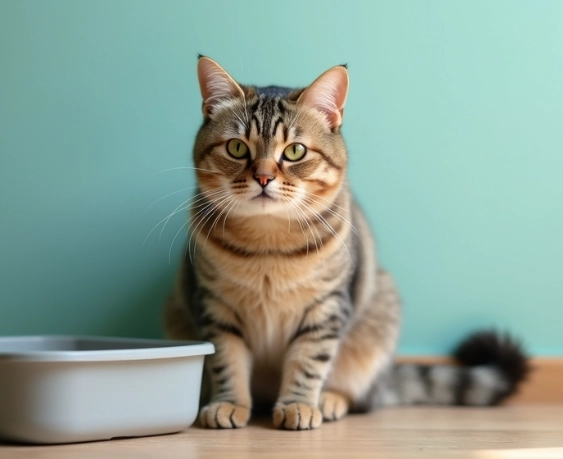
What You'll Find in This Guide
First Steps: What to Do Right Now (Before You Panic)
Your cat has diarrhea. Your first instinct might be to Google "cat diarrhea treatment" and try the first thing you see. Hold on. The most important treatment isn't a pill or a special food—it's observation. Jumping straight to medication or a drastic diet change can mask symptoms your vet needs to see.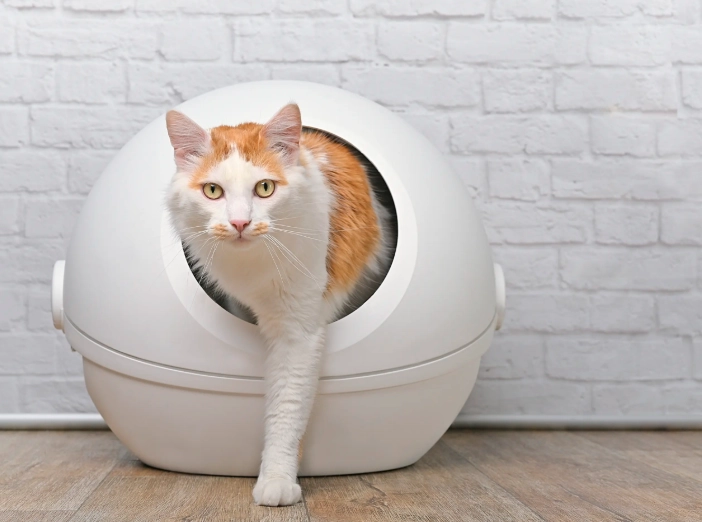
Start here:
- Check the Litter Box: I know, it's gross. But look. Is it completely liquid? Is there any mucus or blood (bright red or black, tarry spots)? Note the frequency. Once? Three times in an hour?
- Observe Your Cat: Is she acting normal? Playing, eating, drinking? Or is she hiding, lethargic, or vomiting? Touch her gums. Are they nice and pink and wet, or dry and tacky? Dry gums can signal dehydration, which is a big danger with diarrhea.
- Withhold Food, Not Water: This is a classic piece of advice, but timing matters. For an adult cat with a single bout of diarrhea and no other symptoms, a short 12-hour food break can let the gut rest. Never restrict water. Always ensure fresh water is available. For kittens, elderly cats, or cats with other health issues, don't withhold food without talking to a vet.
- Think About Recent Changes: New food? A new treat? Did she get into the trash? Did you just use a new household cleaner? Stress from a visitor or a move? This detective work is crucial.
Why Does This Happen? Pinpointing the Cause
"Cat diarrhea causes" are a long list. You can't effectively cure something if you don't understand what's driving it. Think of it in two categories: dietary/behavioral and medical.
Dietary & Behavioral Culprits (The Usual Suspects)
- Dietary Indiscretion: The number one cause in my house. Your cat ate something she shouldn't have. This could be human food (dairy is a common offender), a new brand of food introduced too quickly, or a scavenged piece of old chicken.
- Food Intolerance or Allergy: This is different. It's a sensitivity to a specific ingredient (like chicken, beef, or grains) in their regular food. It often causes chronic, intermittent diarrhea.
- Stress: Cats are creatures of habit. A new pet, a baby, construction noise, even a rearranged living room can trigger a stress response that goes straight to their gut. We often overlook this.
Underlying Medical Issues (Needing Vet Attention)
- Parasites: Like roundworms, giardia, or coccidia. Common in kittens or cats who go outdoors.
- Bacterial or Viral Infections: Such as salmonella or panleukopenia.
- Inflammatory Bowel Disease (IBD): A chronic condition where the gut is constantly inflamed.
- Hyperthyroidism or Kidney Disease: Especially in older cats, chronic diarrhea can be a sign of a systemic illness.
Here’s a quick reference to help you think it through:
| Symptom Pattern | Possible Cause | Typical Action |
|---|---|---|
| Single episode, cat seems fine | Dietary indiscretion, minor stress | Monitor, short fast, bland diet |
| Diarrhea + vomiting, lethargy | Infection, poisoning, blockage | Call vet immediately |
| Chronic, on-and-off for weeks | Food allergy, IBD, parasites | Vet visit for diagnosis |
| Diarrhea with blood/mucus | Parasites, severe colitis, infection | Vet visit needed |
Safe and Effective Home Remedies for Cat Diarrhea
If your cat has had one or two loose stools but is otherwise her usual self—bright, eating, drinking—you can try some vet-approved home remedies for cat diarrhea. The goal here is to soothe the gut and bind things up gently.
The Bland Diet Protocol: This is your first line of defense after the short fast.
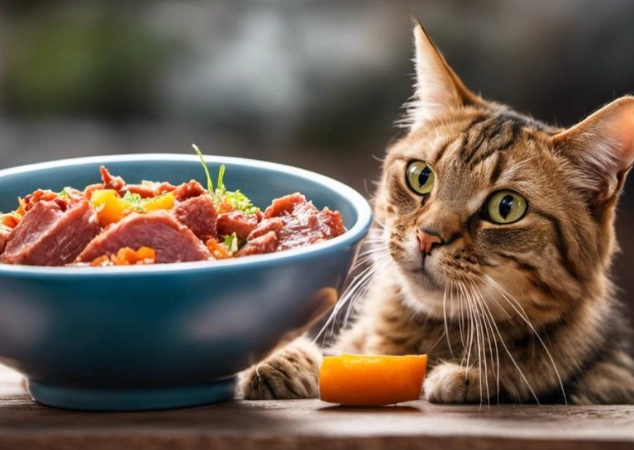
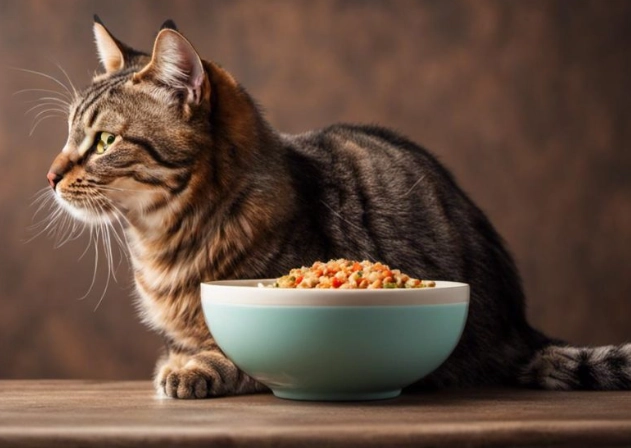
- What to feed: Plain, boiled white meat chicken (shredded, no skin, no seasoning) or plain, boiled white fish. Mix it with plain, cooked white rice or plain, mashed pumpkin (100% pumpkin puree, not pumpkin pie filling) in a 1:1 ratio. The pumpkin is a great source of soluble fiber, which helps absorb excess water in the gut.
- A common mistake: People feed this for one meal and then go right back to regular food. You need to feed the bland diet for 2-3 days after the stool has firmed up, then transition back to regular food over another 2-3 days by slowly mixing it in. Going back too fast is a guaranteed relapse.
Probiotics: These are "good" bacteria that help restore balance in the gut. A quality feline-specific probiotic can be very helpful, especially after a course of antibiotics or a stressful event. You can find powders to sprinkle on food. Look for brands with multiple strains, like FortiFlora (often recommended by vets) or others from pet stores.
Hydration is Key: Diarrhea pulls fluid out of the body. Encourage drinking by:
- Providing multiple water bowls around the house.
- Using a cat water fountain (the moving water entices many cats).
- Adding a bit of water or low-sodium chicken broth (make sure it's onion and garlic-free) to their wet bland food.
Red Flags: When Home Care Isn't Enough
Knowing when to stop DIY and call the professional is the mark of a responsible cat owner. Don't wait if you see any of these signs. According to resources like the Cornell Feline Health Center, prompt vet care is crucial for certain symptoms.
- Multiple Episodes in a Short Time: Diarrhea that's frequent and watery.
- Blood in the Stool: Either fresh red blood or dark, black, tarry stool (which indicates digested blood).
- Vomiting Alongside Diarrhea: This combo can lead to rapid dehydration.
- Lethargy or Depression: Your cat is hiding, won't play, seems "out of it."
- Loss of Appetite for More Than 24 Hours.
- Signs of Pain: Crying when using the litter box, a hunched posture.
- Known Ingestion of a Toxin: Like plants (lilies are deadly), human medications, or chemicals.
- If it's a Kitten, Elderly Cat, or Cat with a Pre-existing Condition: Their reserves are lower. Don't experiment.
Your vet will likely ask about the history (use your symptom diary!), do a physical exam, and may recommend tests like a fecal exam to check for parasites. Treatment might include prescription dewormers, antibiotics, a special prescription diet (like hydrolyzed protein or high-fiber), or medications to soothe intestinal inflammation.
Keeping the Gut Happy: Long-Term Prevention Tips
Once you've navigated the crisis, think about prevention. A healthy gut is less likely to revolt.
- Transition Food Slowly: When changing cat food brands or formulas, take 7-10 days. Start with 25% new food mixed with 75% old for a few days, then go 50/50, then 75/25.
- Limit "People Food" and Sudden Treats: Their digestive systems aren't built for our rich, seasoned foods.
- Manage Stress: Provide vertical spaces (cat trees), hiding spots, and consistent routines. For predictable stressors like vet visits, ask your vet about pre-visit calming supplements or pheromone sprays (like Feliway).
- Regular Vet Check-ups & Fecal Tests: Annual exams can catch problems early. A yearly fecal test is cheap insurance against parasites.
- Consider a Consistent Probiotic: For cats with sensitive stomachs, a daily probiotic can be a game-changer for maintaining balance.
Your Questions Answered
My cat has diarrhea but acts completely normal. Should I still be worried?
Can I give my cat pumpkin for diarrhea? How much?
How long is too long for cat diarrhea to last?
My cat got into some milk and has diarrhea. Is that an allergy?
Are there any specific foods I should avoid feeding a cat with a sensitive stomach?



Leave a comment