Quick Navigation
- The Shortlist: Nuts That Are Generally Considered Safe for Dogs
- The Danger Zone: Nuts That Are Toxic or Very Risky for Dogs
- How to (Carefully) Feed Safe Nuts to Your Dog
- Beyond the Nut Itself: Hidden Risks Every Owner Should Know
- Your Questions Answered: The Dog Nut FAQ
- Final Thoughts and My Honest Recommendation
So you're sitting on the couch, cracking open some peanuts, and those big, pleading eyes lock onto you. You know the look. The "please, just one?" look. And you pause, peanut in hand, and think... wait, what nuts are good for dogs anyway? Is this okay? It's a super common moment in any dog owner's life.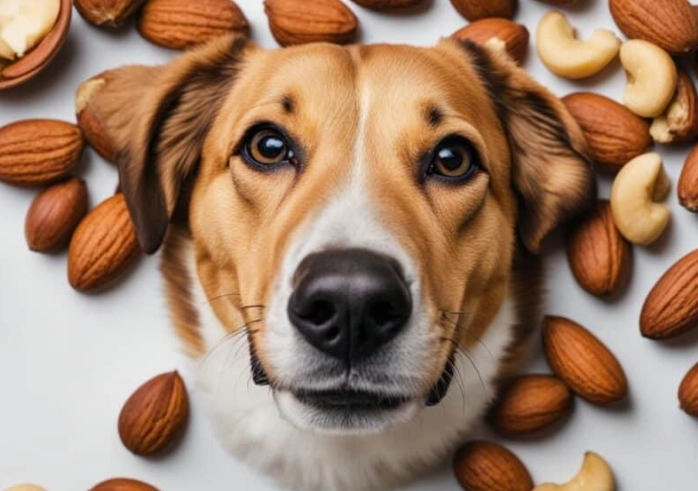
Let's be honest, the internet is full of confusing, sometimes downright scary advice on this topic. One site says peanuts are fine, another screams they're a choking hazard. Someone at the dog park swore their Lab ate pecans for years with no problem, but your vet's handout lists walnuts as a no-go. It's enough to make you just avoid nuts altogether, which isn't a bad strategy, but maybe not always necessary.
I've been there. My own dog, a curious Beagle mix named Barney, once managed to snag a whole almond that rolled off the kitchen counter. The panic that ensued sent me down a rabbit hole of research, calling the vet, and learning way more about canine digestion and toxicology than I ever planned to. That experience taught me that the answer to "what nuts are good for dogs" isn't a simple yes or no list. It's a layered conversation about safety, preparation, quantity, and your individual dog.
This guide is that conversation. We're going to cut through the noise, look at what actual veterinary sources say, and give you a practical, usable framework. We'll cover the safe ones (and exactly how to serve them), the absolutely forbidden ones, the big grey-area risks nobody talks about enough, and what to do if your dog gets into the nut bowl. Because at the end of the day, you just want to keep your buddy safe, maybe share a tiny treat now and then, and not have to worry every time a snack is around.
The Shortlist: Nuts That Are Generally Considered Safe for Dogs
Okay, let's get to the part you clicked for. When people ask what nuts are good for dogs, they usually mean "which ones won't poison my dog." Here's the shortlist of nuts that, when prepared correctly and given in extreme moderation, are not known to be toxic to dogs.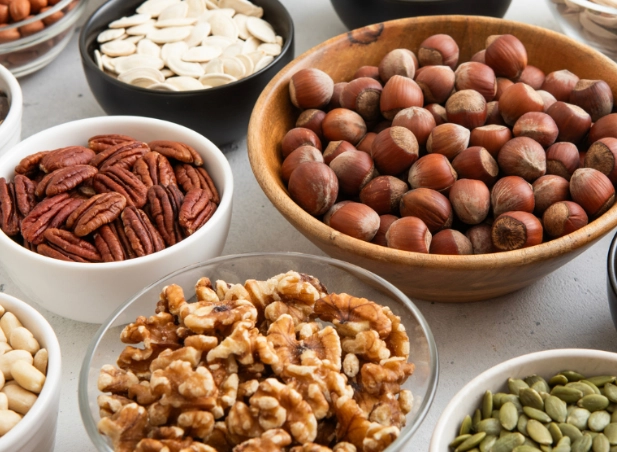
I have to stress the "prepared correctly" part. That almost always means: plain, unsalted, and raw or dry-roasted. No salt, no chocolate coatings, no honey-glaze, no barbecue seasoning. Just the nut itself. Also, shelled. Shells are a choking and intestinal blockage hazard.
Peanuts: The Common Contender
Peanuts are technically legumes, not true tree nuts, but we group them in here because everyone thinks of them as nuts. For dogs, plain, unsalted peanuts are generally safe in very small quantities. A couple of peanuts as a rare treat is usually fine for a medium or large dog.
The bigger, safer, and more popular option is plain, unsweetened, xylitol-free peanut butter. It's a classic dog treat for a reason. But even then, check the label obsessively for xylitol, an artificial sweetener that is extremely toxic to dogs, causing rapid hypoglycemia and liver failure. The ASPCA Animal Poison Control Center has issued strong warnings about this. I stick to brands with one ingredient: peanuts.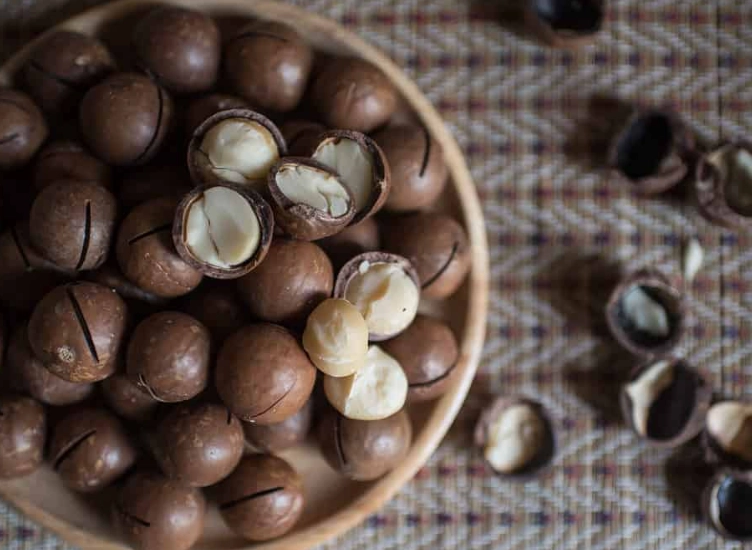
Fat content is still high, so just a lick off a spoon or stuffed in a toy, not a whole bowl.
Cashews: The Rich Treat
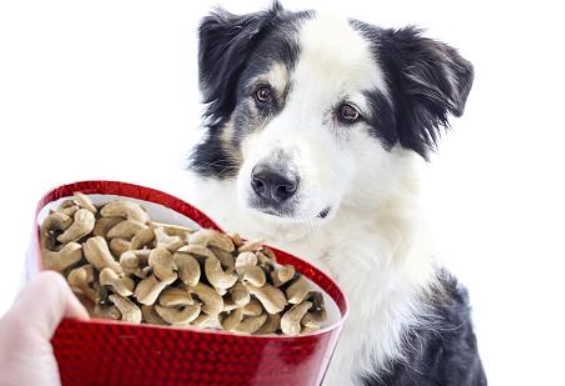
Unsalted, plain cashews are another nut that's often listed as safe. They're lower in fat than some other nuts but still plenty rich. The upside? They're usually softer and easier for a dog to chew, posing less of a choking risk than harder nuts.
The downside? Their richness. Giving your dog more than a few cashews is a surefire way to ask for an upset stomach or diarrhea. I made that mistake once with Barney—three cashews as a "special reward"—and let's just say the carpet suffered later. Lesson learned. One, maybe two, for a big dog. That's it.
Other Occasional "Maybes"
Brazil Nuts: These are massive and very high in fat and selenium. Selenium is necessary but toxic in high doses. Because of their size and density, one Brazil nut is a huge treat for a large dog. I'd personally avoid them; the risk of overdoing it on selenium or fat isn't worth the minimal benefit.
Hazelnuts/Filberts: Plain hazelnuts are not toxic. However, their hard, round shape makes them a significant choking hazard, especially for smaller dogs. If you were to give one, it would need to be crushed into tiny pieces, which kind of defeats the purpose.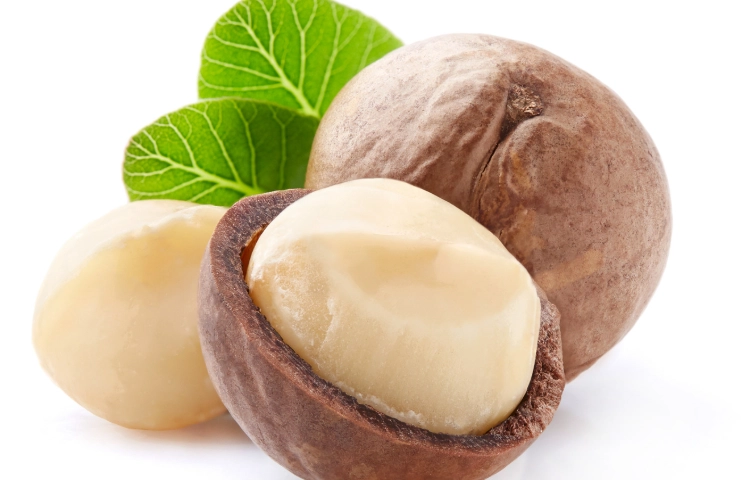
See the pattern? Even the "safe" list comes with a mountain of caveats. It's why many vets just say to avoid nuts altogether. It's simpler.
The Danger Zone: Nuts That Are Toxic or Very Risky for Dogs
This section is more important than the safe list. Knowing what to avoid is critical. Some nuts can make your dog violently ill from just a few pieces.
| Nut | Primary Danger | Symptoms of Poisoning | Why It's Bad |
|---|---|---|---|
| Macadamia Nuts | Highly Toxic | Weakness, vomiting, tremors, hyperthermia, inability to walk. | The exact toxin is unknown, but even a small amount (as few as 2-3 nuts for a small dog) can cause severe neurological signs. Effects can last up to 48 hours. |
| Walnuts (especially Black Walnuts) | Toxic & Choking Hazard | Upset stomach, tremors, seizures (from mold). | Black walnuts contain a toxin called juglone. All walnuts are prone to harboring a toxic mold that produces tremorgenic mycotoxins, which cause seizures. |
| Pecans | High Risk of Mold | Vomiting, seizures, neurological issues. | Like walnuts, they are highly susceptible to the same dangerous mold (Penicillium spp.) that produces tremorgenic mycotoxins. |
| Almonds | Not Toxic, but Very Hazardous | Upset stomach, gas, potential for obstruction. | They are very hard for dogs to digest and can cause gastrointestinal distress. Their shape poses a serious risk of choking or esophageal/intestinal blockage. |
| Pistachios | High Risk of Mold & Obstruction | Upset stomach, tremors, seizures (from mold). | Prone to containing aflatoxin (a carcinogenic mold). Their shells are a major choking/obstruction risk and often contain salt. |
The mold risk on walnuts, pecans, and pistachios is a huge deal that doesn't get enough attention. You might not even see the mold. A nut that looks perfectly fine to you could be harboring toxins that will send your dog into seizures. It's a silent danger that makes these nuts completely off-limits in my book. The American Veterinary Medical Association (AVMA) consistently highlights the dangers of feeding pets human foods that can harbor hidden toxins.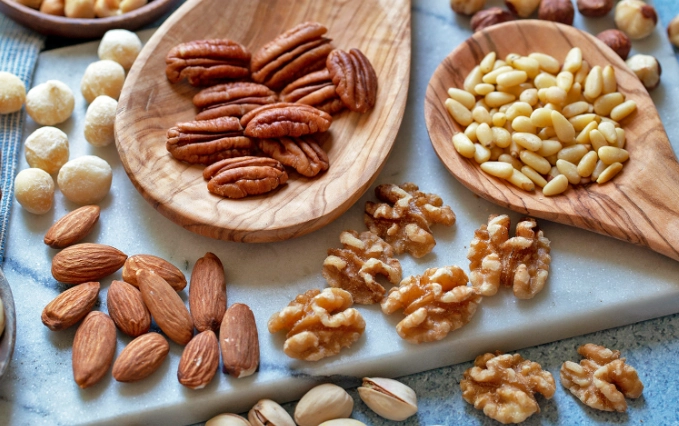
How to (Carefully) Feed Safe Nuts to Your Dog
Let's say you've decided that, on a rare occasion, you want to give your dog a peanut or a tiny piece of cashew. How do you do it as safely as possible? This isn't just about picking the right nut.
First, consider your individual dog. A tiny Chihuahua and a giant Great Dane have vastly different capacities for handling any treat. Dogs with a history of pancreatitis, sensitive stomachs, or obesity should not get nuts, period. Puppies should also avoid them due to developing digestive systems and higher choking risk.
Second, preparation is everything.
- Always shell the nut. No exceptions.
- Ensure it is plain and unsalted. Read ingredients if it's from a package.
- Chop it into small, manageable pieces. For medium dogs, a peanut can be halved. For larger safe nuts like cashews, chop them into at least quarters to prevent choking and make digestion easier.
Third, and this is crucial, mind the quantity. Treats of any kind, including nuts, should never make up more than 10% of your dog's daily caloric intake. For nuts, I'd be even more conservative.
A rough, conservative guide for plain, unsalted peanuts or cashews for a healthy, average-sized dog (30-50 lbs):
- Absolute maximum: 2-3 small pieces per week, not per day.
- Better/safer practice: 1 piece as a very occasional "one-off" treat.
- For smaller dogs, cut these amounts in half or more. For larger dogs, you might add one more piece, but the fat content adds up fast.
You're not feeding for nutrition. You're offering a novel taste or a training high-value reward. That's it.
Beyond the Nut Itself: Hidden Risks Every Owner Should Know
Sometimes the danger isn't the nut, but what comes with it. When figuring out what nuts are good for dogs, you have to think about the whole package.
Salt & Seasonings: The salt content in most commercially prepared nuts is dangerously high for dogs. It can lead to sodium ion poisoning, symptoms of which include vomiting, diarrhea, tremors, high temperature, and seizures. Garlic or onion powder, common in some seasonings, are also toxic to dogs.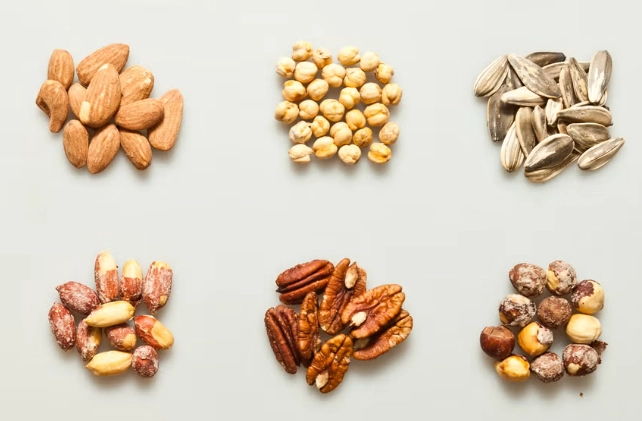
Chocolate & Candy Coatings: This should be obvious, but it bears repeating. Chocolate is toxic to dogs. Any nut coated in chocolate, yogurt, or candy is an immediate danger.
Xylitol: I mentioned it with peanut butter, but this sweetener is now appearing in other "low-sugar" or "keto-friendly" nut products. It is a medical emergency for dogs.
The Choking and Obstruction Factor: This is a massive, underrated risk. Nuts are often the perfect size and shape to get lodged in a dog's throat, esophagus, or intestines. This isn't just about whole nuts. Sharp shell fragments can cause internal damage or blockages that require expensive surgery. The VCA Animal Hospitals network provides extensive resources on the dangers of foreign body ingestion in pets.
Pancreatitis: The high fat content in nuts can trigger this inflammatory condition of the pancreas. It's excruciatingly painful for the dog and can be life-threatening. Symptoms include severe vomiting, abdominal pain, hunched back, and lethargy. A single rich meal (or a generous handful of nuts) can cause it in susceptible dogs.
Your Questions Answered: The Dog Nut FAQ
My dog just ate a nut I'm not sure about. What should I do?
Don't panic, but act quickly. First, try to identify the nut and estimate how much was eaten. If it was a macadamia nut, walnut, pecan, or a large amount of any nut, call your vet or poison control immediately. Have the product packaging ready if you have it. If it was a single peanut or cashew and your dog is large, monitor closely for any signs of vomiting, diarrhea, or lethargy over the next 24 hours. When in doubt, always call a professional.
Is peanut butter safe for dogs?
Plain, unsweetened, xylitol-free peanut butter is generally safe in small amounts (a teaspoon for a medium dog). It's a fantastic way to stuff a Kong or give medication. But it's a treat, not a meal. Check the label every single time you buy a new jar—ingredients can change.
Are there any health benefits to feeding my dog nuts?
Not really, no. Any beneficial nutrients (like protein or healthy fats) are already provided in much better, safer ratios in a high-quality commercial dog food. The risks (fat, choking, toxins) far outweigh any minimal potential benefit. You're not doing your dog a nutritional favor by giving them nuts.
What about nut butters other than peanut butter?
Almond butter, cashew butter, etc., follow the same rules as the nuts themselves. Plain, unsalted, xylitol-free almond butter isn't toxic, but it's high in fat and offers no benefit over peanut butter. Given the higher cost and similar risks, I see no reason to use them.
Can nuts cause allergies in dogs?
Yes, dogs can develop food allergies, though they are more common with proteins like beef or chicken. A nut allergy would manifest as itchy skin, ear infections, or gastrointestinal issues. If you notice these signs after introducing a new treat, discontinue it and talk to your vet.
What's the final verdict on almonds for dogs?
I'm pretty firmly against them. They're not easily digestible, they're a prime choking/blockage hazard due to their shape and size, and they offer zero benefit. The American Kennel Club clearly states that while not toxic, almonds are not recommended for dogs due to these significant risks. There are a hundred better treat options.
See? The questions are often more nuanced than a simple list can answer.
Final Thoughts and My Honest Recommendation
After all this research, all the vet chats, and my own experiences with Barney, here's my straight-up opinion.
When you really break it down and ask what nuts are good for dogs, the most honest answer is: None are particularly good, and several are very, very bad. The spectrum ranges from "highly toxic" (macadamia nuts) to "will probably just cause an upset stomach but could choke them" (almonds).
The "safe" ones, like peanuts and cashews, are only safe under a strict set of conditions: plain, unsalted, shelled, chopped, and fed in minuscule quantities to a healthy dog with no prior issues. That's a lot of conditions for a treat that provides no real health benefit.
So, what do I do? I keep it simple. I don't feed Barney whole nuts. Ever. The risk, however small with a peanut, just isn't worth the reward of seeing him do a cute trick. He gets his own treats—dog biscuits, freeze-dried liver, bits of carrot or apple. When I want to give him something special and spreadable, I use a dab of pure peanut butter from a jar I've checked and double-checked.
It removes the guesswork, the anxiety, and the risk. And honestly, he doesn't know the difference. He's just happy to get a treat from me.
Your dog's health isn't a place for experimentation. When the treat aisle is full of safe, delicious options made specifically for canine digestion, why roll the dice with a human snack that comes with a manual of warnings? Enjoy your mixed nuts. Give your pup a dog treat. Everyone wins, and you both stay safe and happy.
Leave a comment