Your Quick Guide
Let's be honest. Getting some cats to drink enough water feels like negotiating with a tiny, furry, and incredibly stubborn diplomat. You try the fancy fountain, you put out multiple bowls, and still, they turn their nose up. I've been there with my own cat, Milo. That's when I started looking into how to make chicken broth for cats. It wasn't just about hydration; it was about finding something he'd actually enjoy that was also good for him.
The idea is simple: a savory, aromatic liquid that taps into their carnivore instincts. But the execution? That's where most guides fall short. It's not just about boiling some chicken. You need to know what's safe, what's dangerous, and how to make it appealing enough for even the pickiest feline. A poorly made broth is useless, and a dangerous one is, well, dangerous.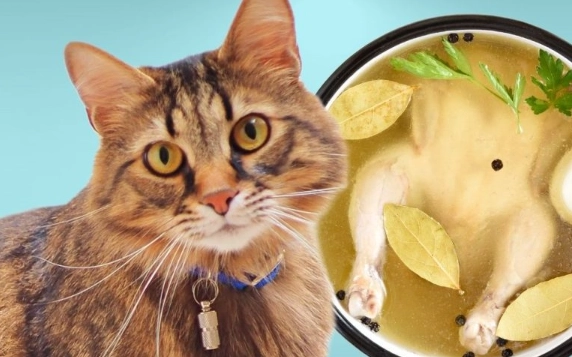
So, after a lot of trial, error, and consultation with my vet, I've put together this guide. We're going to move past the basic "chicken and water" advice and dive into the nitty-gritty of creating a broth that's a genuine nutritional boost, not just flavored water.
Safety First: The Non-Negotiables
Before we get to the fun part (the cooking!), we have to talk about the absolute no-gos. Cats process foods very differently than we do. What's a flavor booster for us can be toxic for them.
- Onion & Garlic Family (Alliums): This is the big one. Onions, garlic, chives, leeks, and shallots—in any form (powdered, raw, cooked, dehydrated)—can cause oxidative damage to red blood cells in cats, leading to hemolytic anemia. Even a small amount simmered into the broth can be harmful. There is no safe amount. Just don't use them. Ever.
- Salt: Commercial broths are loaded with sodium, which can strain a cat's kidneys. When you're learning how to make chicken broth for cats, the rule is: do not add salt. Not even a little pinch. The natural salts from the meat are plenty.
- Certain Herbs & Spices: Avoid anything in the allium family, as mentioned. Also, be wary of strong herbs. While a small piece of parsley or a thyme sprig is generally considered safe by many sources in tiny amounts for flavor, it's a gray area. The safest path for your first few batches is to skip them entirely. Remember, a cat's sense of smell is incredible—plain chicken is plenty aromatic to them.
When in doubt, leave it out. The ASPCA's Animal Poison Control resource on toxic plants is a great bookmark for any pet owner, as it covers many food-related items too.
The Core Recipe: How to Make Chicken Broth for Cats at Home
Alright, let's get to the good stuff. This is my go-to, bare-bones, foolproof recipe. It's the foundation. Once you master this, you can experiment a little.
You only need two ingredients, but the quality matters.
| Ingredient | What to Use & Why | What to Avoid |
|---|---|---|
| Chicken | Bone-in, skin-on pieces like thighs, wings, or backs. Necks and feet are gold for gelatin. A whole chicken carcass (cooked or raw) after you've eaten the meat works great. The bones and connective tissue are what give the broth body and nutrients. | Boneless, skinless chicken breast. It's too lean and won't produce a rich, gelatinous broth. Pre-seasoned or pre-marinated meat. |
| Water | Filtered water is best, especially if your tap water has a strong chlorine or mineral taste. You want the pure chicken flavor to shine. | Using a pre-made broth or stock as your base. It will almost certainly contain onion, garlic, or excessive salt. |
Step-by-Step Process
- Prep the Chicken: If you're using raw chicken, give it a quick rinse. There's no need to remove the skin or fat—that's where a lot of the flavor and nutrients are. If you're using a leftover carcass, just break it up a bit so it fits in your pot.
- Into the Pot: Place your chicken pieces into a large stockpot or slow cooker. Cover them completely with cold, filtered water. The general ratio is about 2-3 quarts of water for every 2-3 pounds of chicken parts. Don't worry about being exact.
- The Simmer: This is the most important step. Bring the water to a boil over high heat, then immediately reduce the heat to the lowest possible setting. You want a bare simmer—just a few tiny bubbles breaking the surface every now and then. A rolling boil will make the broth cloudy and can make the fat taste greasy.
- Time & Patience: Let it simmer, uncovered. For a light broth, 4-6 hours is good. For a super-rich, gelatinous broth that will turn to jelly when chilled, aim for 12-24 hours. Yes, a full day. I often start mine in the morning and let it go overnight on the stove's "keep warm" setting. Just check the water level every few hours and top it off if it gets too low.
- Straining & Cooling: Once it's done, carefully pour the broth through a fine-mesh strainer or a colander lined with cheesecloth into a large bowl. Discard the solids (the bones, meat, etc.). Let the broth cool on the counter for about an hour.
- Skimming the Fat: As it cools, the fat will rise to the top and solidify. For cats, you have a choice. A little bit of this fat is fine and adds flavor and calories, which can be great for underweight or picky cats. For overweight cats or those with sensitive stomachs, you might want to skim most of it off. I usually remove about half for Milo.
- Storage: Pour the cooled, skimmed broth into ice cube trays, silicone molds, or small airtight containers. Freeze most of it. It keeps for 4-5 days in the fridge or several months in the freezer. Thaw cubes in the fridge overnight or in a bowl of warm water.
Beyond the Basics: Pro Tips & Variations
Once you're comfortable with the basic recipe, you can play around a bit. Here are some ideas I've found work well.
Boosting Nutrition & Flavor (Safely)
If you want to add a little something extra, here are safe options. Always introduce one new thing at a time so you can monitor your cat's reaction.
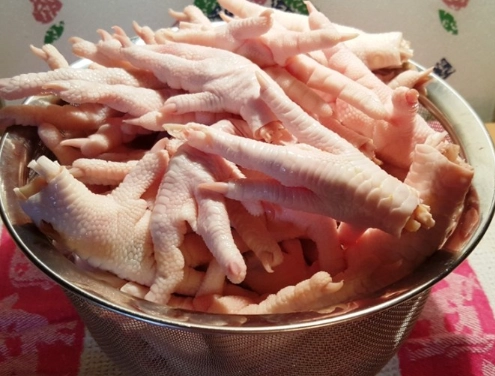
- Chicken Feet: This is my top tip. Chicken feet are packed with collagen, glucosamine, and chondroitin. They make the broth incredibly thick and jelly-like when cold, which cats often love. You can find them at many Asian markets or butcher shops. Just give them a good scrub first.
- A Tiny Bit of Liver: Adding a small piece of chicken liver (about 1-2 oz per batch) can enrich the flavor and add vitamins like A and B12. Some cats go wild for this. Be careful not to overdo it, as too much liver vitamin A can be toxic.
- Plain Pumpkin Purée: After the broth is made and strained, you can whisk in a teaspoon of 100% pure pumpkin purée (not pie filling) per cup of broth. This adds fiber, which can help with hairballs. Warm the broth slightly to mix it in smoothly.
Why Gelatin is a Good Sign
If your chilled broth turns into a wobbly, meat Jell-O, celebrate! That gelatin comes from collagen, which breaks down during the long simmer. It's fantastic for joint health, gut lining health, and skin/coat condition. It's also what makes the broth so appealing texturally to many cats.
What About Leftover Meat?
The meat left on the bones after simmering will be bland and nutritionally depleted—all the good stuff has cooked out into the broth. Some people shred it and mix a little back into the broth for a "stew." Honestly, most cats I know, including mine, will pick around it. It's fine to add for texture, but don't rely on it as a primary meat source. It's mostly fiber at that point.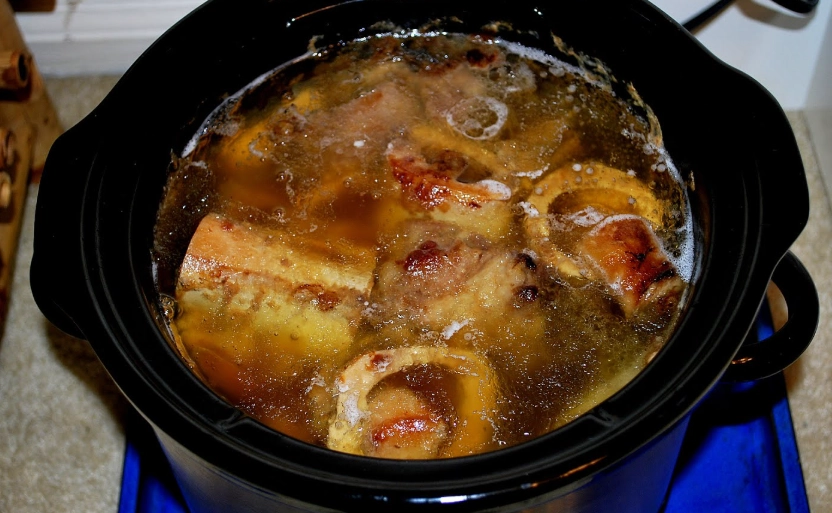
How to Serve It: Making It a Hit with Your Cat
Knowing how to make chicken broth for cats is one thing. Getting them to actually lap it up is another. Here's the serving strategy.
- Start Small & Warm: Offer a tablespoon or two of warmed broth. Not hot—just slightly above room temperature. The warmth releases the aroma. Pour it into a clean, shallow dish next to their water bowl.
- Use as a Topper: This is the most common and effective use. Drizzle a tablespoon or two over their regular dry or wet food. It can entice a picky eater and add moisture to kibble.
- As a Hydration Boost: Offer it in a separate dish as a treat between meals. This is especially useful in hot weather or for cats with a history of urinary issues.
- Freeze into Treats: Pour the broth into lick mats or small molds and freeze. A frozen broth pop can be a great summer enrichment activity.
How much is too much? Broth is a supplement, not a meal replacement. It shouldn't make up more than 10% of your cat's daily calorie intake. For an average cat, a few tablespoons per day is a perfect amount. If your cat has kidney disease or other health issues, talk to your vet about an appropriate amount, as the phosphorus content from the bones can be a concern.
Answering Your Questions: The Chicken Broth FAQ

The Final Ladle
Learning how to make chicken broth for cats isn't about being a gourmet pet chef. It's a simple, practical skill that can significantly impact your cat's well-being. It's a tool for hydration, a trick for picky eaters, and a way to give them a little extra comfort and nutrition from ingredients you control completely.
It takes time, but most of that time is hands-off simmering. The active work is minimal. The payoff—seeing a cat happily lapping up something you made that's genuinely good for them—is worth every minute.
Start with the basic recipe. Keep it simple and safe. Observe your cat's reaction. From there, you can explore and adapt. The goal isn't perfection; it's providing a little bit of wholesome, homemade goodness in their bowl.
And remember, when you're figuring out the best way to make chicken broth for your cat, your veterinarian is always the best source for advice tailored to your individual pet's health needs. This guide is a starting point, but their guidance is the final word.



Leave a comment