Quick Guide
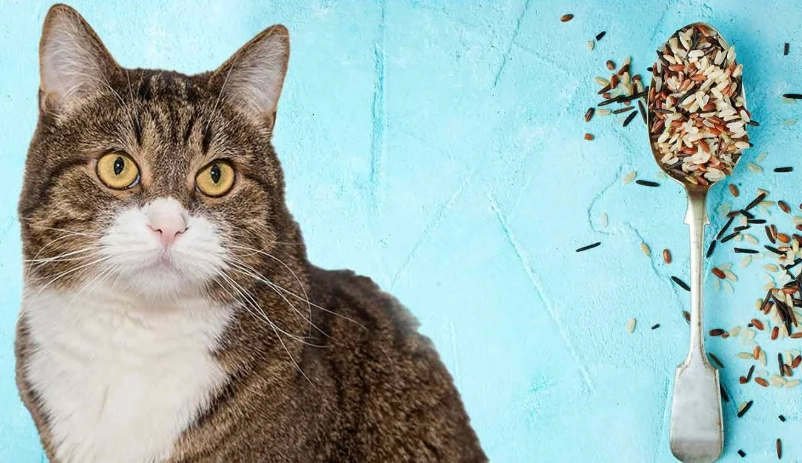
You're sitting there with a bowl of comforting chicken broth and rice, maybe you're feeling under the weather, and those big, pleading eyes are locked on you. Your cat is clearly wondering if they can have a taste. It's a classic pet owner moment. And your immediate Google search probably landed you here with that exact question: can cats have chicken broth and rice?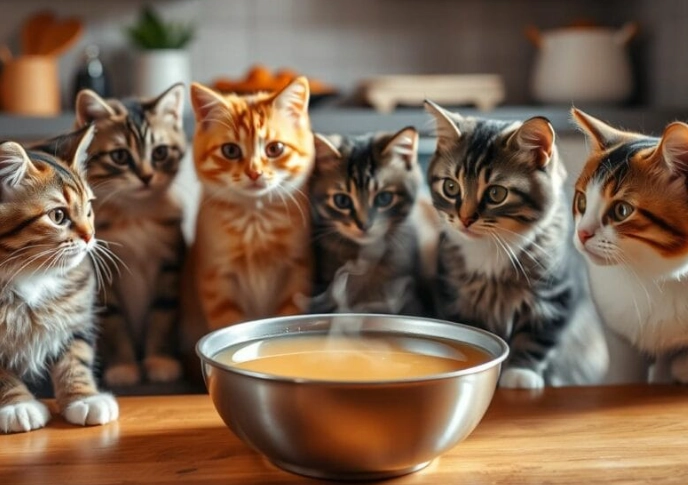
The short, quick answer is a cautious "yes, but..." It's not a simple thumbs up. It's one of those things that depends entirely on the details—what's in the broth, how the rice is prepared, and why you're giving it to them. I've seen so much confusing advice online, from people saying it's a perfect cure-all to others declaring it outright dangerous. The truth, as usual, is somewhere in the messy middle.
The Core Answer: Plain, unseasoned chicken broth mixed with plain, cooked white rice can be a safe, temporary meal for a cat with a minor upset stomach. However, it is not a nutritionally complete diet and many store-bought broths contain ingredients that are toxic to cats.
I remember when my own cat, Jasper, had a bout of diarrhea years ago. The vet suggested a bland diet for 24 hours, and chicken and rice was the go-to. But she was very specific: "Boil plain chicken breast, use that water, and make sure the rice is just rice." No butter, no salt, nothing. It worked, but it was a hassle. That experience taught me that the devil is in the details.
Breaking Down the "Chicken Broth" Part of the Equation
This is where most people get tripped up. When we think of chicken broth, we think of the carton from the grocery store. That's the problem. Let's pull that apart.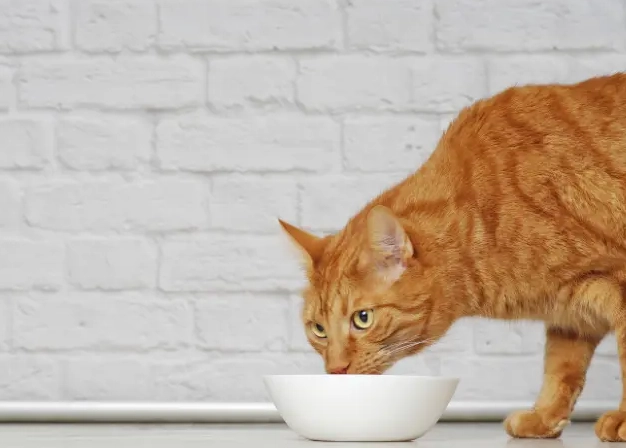
The Good: Why a Little Broth Might Help
Hydration is a big one. Cats are notoriously bad drinkers. They evolved from desert animals and have a low thirst drive. A bit of flavorful, warm broth can encourage them to take in more fluids, which is fantastic for their kidney and urinary tract health. The smell alone can stimulate a picky eater's appetite. If your cat is feeling off and turning their nose up at their regular food, a spoonful of warm, safe broth drizzled over it can work wonders. It also provides some easy-to-digest protein and minerals from the bones during a long simmer.
The Very, Very Bad: Toxic Ingredients in Store-Bought Broth
Here's the non-negotiable red flag list. Most commercial broths are made for human palates, which love salt and aromatics. For cats, these are often poisonous.
- Onion & Garlic: This is the big one. Both belong to the Allium family and are highly toxic to cats. They cause oxidative damage to red blood cells, leading to hemolytic anemia. This includes onion powder, garlic powder, and any form of them. Even a small amount in a broth can be dangerous over time. The ASPCA explicitly lists onions as toxic to cats.
- Excessive Sodium (Salt): Cats have a tiny body mass. The salt content in a typical human broth is astronomical for them. High sodium intake can lead to sodium ion poisoning, symptoms of which include vomiting, diarrhea, tremors, and even seizures. It also puts strain on their kidneys.
- Other Seasonings & Additives: Things like leeks, chives, certain herbs, MSG, or artificial flavors have no place in a cat's diet and can cause gastrointestinal upset or worse.
A Personal Gripe: I once looked at the ingredient list of a popular "organic," "low-sodium" broth. It still had onion extract "for flavor." It drives me crazy that something marketed as healthy is quietly dangerous for pets. Always, always read the full ingredient list. If you see onion or garlic in any form, put it back on the shelf.
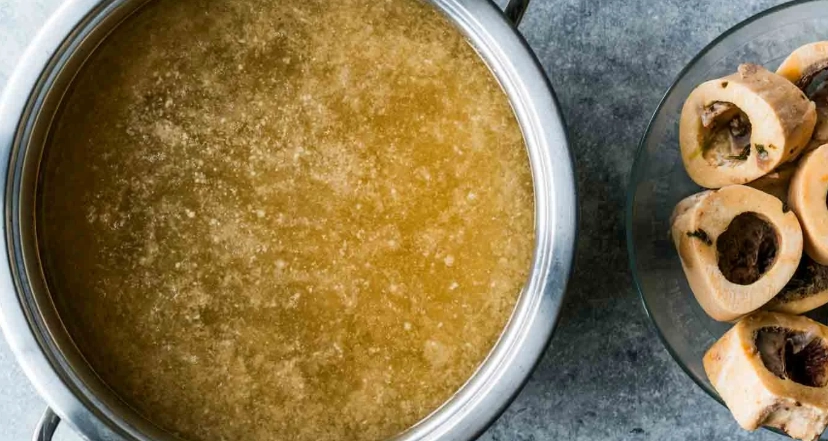
So, can cats have chicken broth? Only if it's specifically made for them (sold in pet stores) or homemade with zero added salt, onion, garlic, or other seasonings. The safest method is to simmer plain chicken bones (with any excess fat and skin removed) in plain water for several hours, strain it thoroughly, and let it cool.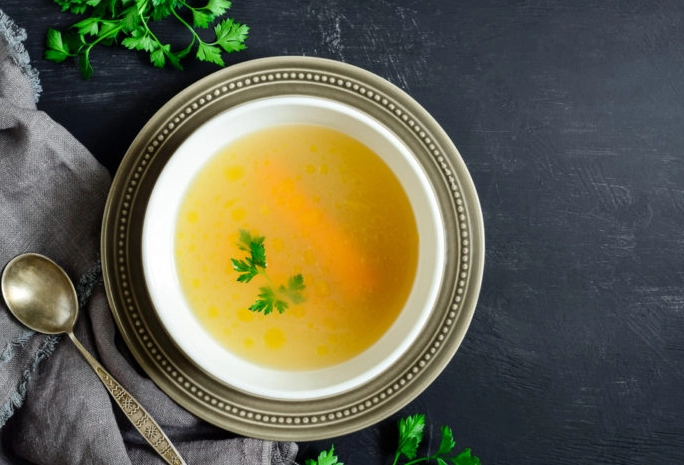
Breaking Down the "Rice" Part of the Equation
The "rice" part of the question is usually less hazardous but comes with its own set of caveats.
The Theory Behind Rice for Cats
Vets often recommend plain white rice as part of a bland diet for dogs and cats with temporary gastrointestinal issues like diarrhea or vomiting. The idea is that it's a bland, low-fiber, easily digestible carbohydrate that can help bind stools and give the gut a rest. It's not a treatment for the underlying cause, but a way to manage symptoms while the cat recovers.
The Reality and Limitations
Cats are obligate carnivores. Their bodies are designed to derive energy and nutrients from animal protein, not carbohydrates. Rice offers them minimal nutritional value—mainly just empty carbs.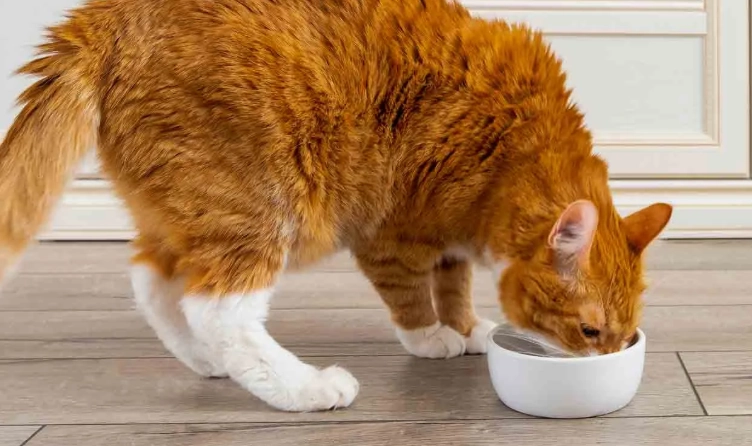
Key Point: Rice should only ever be a temporary addition. It's not a staple. Long-term, a rice-heavy diet would lead to severe nutritional deficiencies because it lacks the essential amino acids (like taurine), vitamins, and fats cats must get from meat.
Brown rice is often touted as healthier for humans due to its fiber, but for a cat with an upset stomach, that extra fiber can actually make diarrhea worse. Plain, overcooked white rice is the go-to for its binding properties.
Also, some cats are simply grain-intolerant or have allergies. Introducing rice could cause more problems. Always start with a tiny amount if you've never given it before.
Putting It Together: The Safe "Chicken Broth and Rice" Protocol
If your vet has suggested a bland diet for your cat, here’s how to prepare the classic combo safely. This is for short-term use (usually 24-48 hours) only.
| Ingredient | Safe Preparation Method | What to AVOID |
|---|---|---|
| Chicken Broth | Homemade: Simmer plain chicken bones/parts in water for 4+ hours. Strain, cool, skim fat. Or use a vet-recommended, pet-safe commercial broth. | Any store-bought broth for human consumption. Anything with onion, garlic, leek, high sodium, spices, or artificial flavors. |
| Rice | Plain white rice, cooked in water until very soft and mushy (this aids digestion). | Seasoning the rice with butter, salt, or other spices. Using brown or wild rice for a sensitive stomach. |
| The Mix | Mix a small amount of the cooled broth with the mushy rice. The ratio should be mostly rice, with the broth just to moisten it. The broth-to-rice ratio should be low. | Making a "soup." The cat should not be drinking bowls of broth. The goal is to moisten the rice, not replace their water. |
How to Serve It Safely
- Portion Size: A very small amount, like a teaspoon or two at most, especially if it's the first time. Monitor for any adverse reactions. For a bland diet, it should be a small portion of their total food intake.
- First, offer the plain rice, perhaps moistened with that safe broth.
- If that stays down, you can add a tiny amount of plain, boiled, shredded chicken breast (no skin, no bones, no seasoning).
- Frequency: Small, frequent meals are better than one large one for an upset stomach.
- Transition Back: After 24-48 hours, gradually mix their regular food back in over a couple of days to avoid shocking their system again.
But honestly? If your cat is ill, the best course of action is to consult with a veterinarian. They can diagnose the underlying cause and recommend the appropriate treatment. They might even have a better alternative, like a prescription bland diet.
When Should You Absolutely Avoid This Combo?
There are times when giving your cat chicken broth and rice is not just unwise, but actively harmful. Here are a few:
- Chronic Illnesses: If your cat suffers from chronic conditions like kidney disease, high blood pressure, or heart disease, the sodium content in even homemade broths can be a concern. Consult your vet.
- If your cat is overweight or obese, adding extra carbs like rice can exacerbate the problem. They might benefit more from a low-calorie diet.
- If your cat is diabetic, the high glycemic index of white rice can cause blood sugar spikes and lead to complications.
- If your cat is allergic to chicken or grains, you should avoid this combination altogether.
Common Questions About Cats, Broth, and Rice




Leave a comment