Quick Navigation
- The Foundation: Understanding Feeding Guidelines
- Daily Feeding Amounts by Age: The Core Guide
- What Else Changes the Equation? (It's Not Just Age)
- How to Use a Cat Body Condition Score (BCS)
- Wet Food vs. Dry Food: Does It Change the Amount?
- Common Questions About Feeding Cats by Age
- Special Situations and Red Flags
- Putting It All Together: Your Action Plan
Let's be honest. Figuring out how much food to give your cat every day can feel like a weird guessing game. You pour some kibble, they stare at you, maybe eat it, maybe don't. You wonder, was that enough? Too much? The bag has guidelines, but they seem so broad. And what about wet food? Kittens versus seniors? It's enough to make your head spin.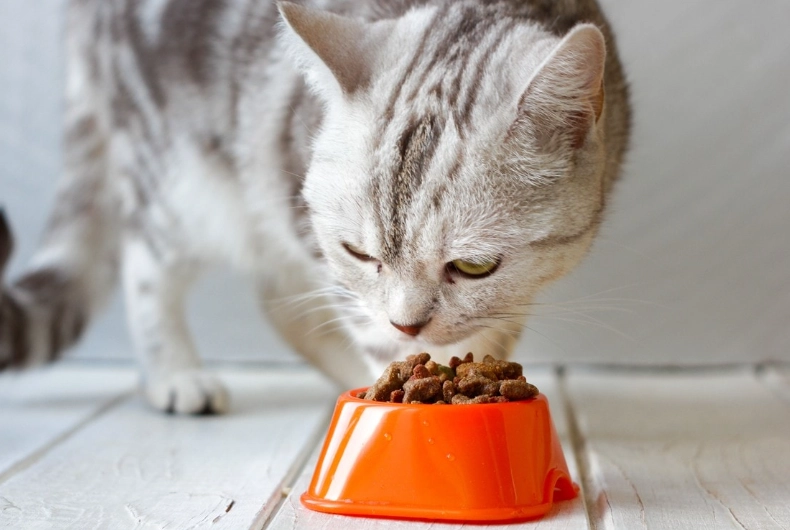
I've been there. My own cat, Whiskers, went from a scrawny rescue to a bit... portly... because I was just following the bag's advice without considering his lazy lifestyle. It's a common story. That's why I dug deep into this topic, talking to vets and reading through actual veterinary nutrition guidelines, to move past the guesswork.
The truth is, "cats how much food per day by age" isn't a one-number-fits-all answer. It's a starting point that you then tweak based on a dozen other things. But getting that starting point right is everything. It's the difference between a healthy, energetic cat and one heading for diabetes or joint problems down the line. So, let's break it down, age group by age group, and then talk about all the things that change the math.
The Foundation: Understanding Feeding Guidelines
First things first. Every bag or can of cat food has a feeding chart. These are created by the manufacturer based on the calorie content (kcal) of that specific food. This is crucial. A cup of one brand's food can have vastly more calories than a cup of another. So, always start with the chart on your food's packaging. Think of the numbers we'll discuss here as a general framework, a way to sense-check that chart.
Veterinary bodies like the Association of American Feed Control Officials (AAFCO) set nutrient profiles for different life stages, which guides how foods are formulated. But for calorie needs, many veters refer to formulas like the Resting Energy Requirement (RER) and Maintenance Energy Requirement (MER). Don't worry, you don't need to do the math yourself. I just mention it to show there's real science behind this, not just random numbers.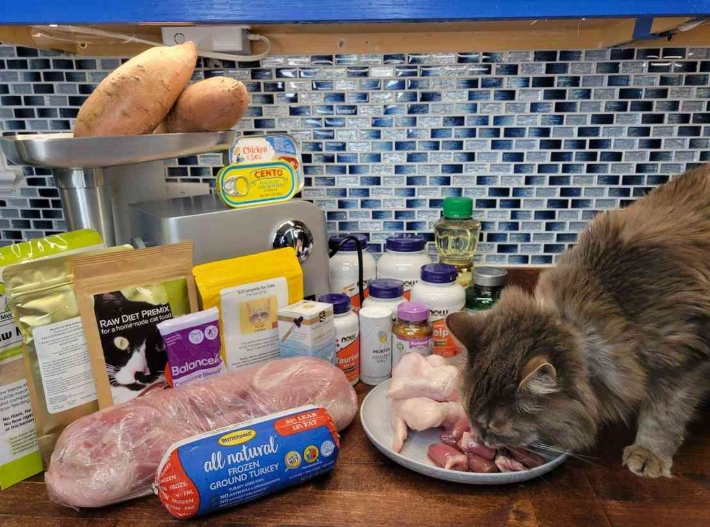
Daily Feeding Amounts by Age: The Core Guide
Here’s a detailed look at how much to feed cats at each stage of life. Remember, this table is a general guide. Your specific cat's needs may vary.
| Life Stage | Age Range | Key Characteristics | General Daily Feeding Guideline* | Feeding Frequency |
|---|---|---|---|---|
| Kitten | 0 - 12 months | Rapid growth, high energy needs. | Significantly more per pound than adults. Often 2-3x an adult cat's calories. Follow kitten-specific food labels closely. | 3-4 meals per day for young kittens, reducing to 2-3 by 6 months. |
| Adult | 1 - 7 years | Maintenance phase. Weight management is key. | ~20-35 calories per pound of body weight per day. A 10lb cat needs ~200-350 kcal. | 2 meals per day is standard. Some do well with controlled free-feeding. |
| Senior/Mature | 7+ years | Slower metabolism, potential health issues. | May need 20-30% fewer calories than a middle-aged adult if less active. However, some need more if health issues cause weight loss. | 2-3 smaller, easier-to-digest meals. |
*This is a calorie-based guideline. Always cross-reference with the kcal/cup or kcal/can on your specific food.
See how it shifts? Figuring out cats how much food per day by age means recognizing these metabolic changes. A kitten is a little furnace, burning fuel non-stop for growth. An adult is like a car on a highway cruise control. A senior might be idling more in the driveway.
Deep Dive: The Kitten Phase (0-12 Months)
Kittens are the exception to every rule. They need a ton of energy-dense food. From weaning until about 6 months, they're growing at an insane rate. Most high-quality kitten foods are packed with calories and nutrients like DHA for brain development.
The common advice? Let them eat as much as they want of their kitten food during peak growth (up to ~6 months). This is one of the few times free-feeding is often recommended. They need constant fuel. After 6 months, as growth slows, you can start structuring meals—maybe three a day. By one year, you can usually transition to an adult feeding schedule and food.
The Adult Cat Conundrum (1-7 Years)
This is where most people get tripped up. Your cat hits adulthood and their metabolism settles. But you're still feeding them like they're a playful kitten. This is the prime time for weight gain.
That 20-35 calories per pound range is huge, right? A lazy, indoor 10-pounder might only need 200 calories. An active, muscular 10-pounder might need 300+. This is why the bag's suggestion is just a start. You have to look at your individual cat.
What does 250 calories look like? It could be roughly:
- 1 cup of a standard dry food (check your bag! It varies wildly).
- Or, 5-6 ounces of a typical wet food (again, check the can).
- Or, a combination like 1/3 cup dry + 3 ounces wet.
I'm a big fan of using a kitchen scale for dry food. Cups can be packed down or heaped, giving you way more than you think. A scale is precise.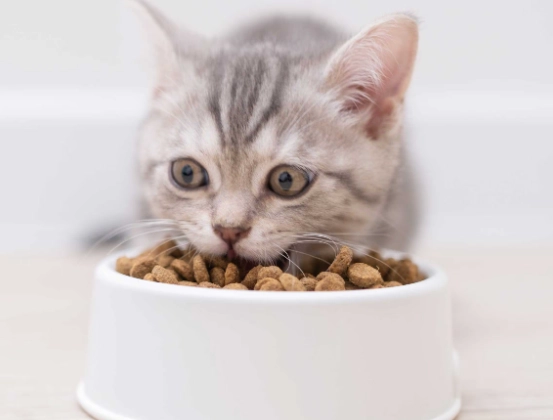
Senior Cat Considerations (7+ Years)
With seniors, the question of cats how much food per day by age gets trickier. Metabolism usually slows, so they need less to avoid obesity. But! Many older cats develop dental issues, kidney disease, or hyperthyroidism, which can cause weight loss and increased appetite.
So you have to be a detective. Regular weigh-ins at home (a simple baby scale works) are non-negotiable. If your senior is losing weight on their usual diet, it's not a sign to feed less—it's a sign to call the vet. They may need a more palatable, easier-to-eat, or medically-formulated food.
What Else Changes the Equation? (It's Not Just Age)
If age was the only factor, this would be easy. It's not. Here are the big players that adjust your cat's daily food amount up or down.
Indoor vs. Outdoor Lifestyle
This is massive. An outdoor cat that patrols, climbs, and hunts (even unsuccessfully) burns far more calories than a couch potato indoor cat. An indoor cat might need 20% fewer calories than the "standard" guideline. I learned this the hard way with Whiskers. The bag said 2/3 cup for a 12-pound cat. He became a 15-pound cat on that amount. He's an indoor guy. We had to cut back.
Neutering/Spaying
This reduces metabolic rate by about 20-30%. It's a key reason many fixed cats gain weight after the procedure. You often need to reduce their daily intake slightly once they've recovered, or switch to a "light" or "neutered" formula food.
Breed and Body Type
A slender, athletic Siamese will have different needs than a stocky, dense British Shorthair, even at the same weight. Look at your cat's body condition, not just the number on the scale.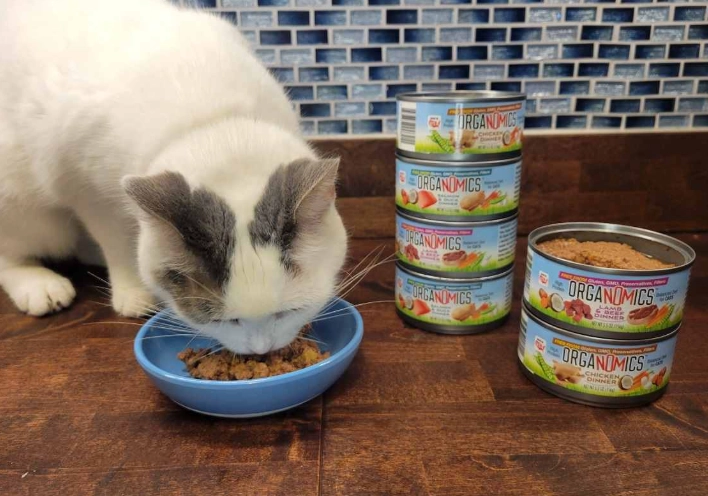
How to Use a Cat Body Condition Score (BCS)
This is your best tool for answering "cats how much food per day by age" for YOUR cat. It's a hands-on check. The ideal is a BCS of 5 on a 9-point scale, or 3 on a 5-point scale.
Here’s how to do it:
- Ribs: You should be able to easily feel their ribs with a slight fat covering, like the back of your hand. If you have to press hard, they're overweight. If they're sharp and prominent, underweight.
- Waist: Look from above. There should be a visible indentation behind the ribs—a waist. From the side, the belly should tuck up, not hang down.
- Base of Tail: It should feel smooth with a little padding, not bony or very fatty.
Do this monthly. If the waist disappears, reduce food by 10%. If ribs get too prominent, increase by 10%. Simple, effective adjustments.
Wet Food vs. Dry Food: Does It Change the Amount?
Absolutely. Wet food is about 70-80% water, so it's less calorie-dense by volume. A cat might need a larger volume of wet food to get the same calories as dry. But this is often a good thing! The high moisture content is great for hydration (key for urinary and kidney health), and the lower calorie density can help with weight control because they get a fuller belly.
You can't swap them cup-for-can. You must calculate based on the kcal listed on each. Many cat parents, myself included, use a mix—some dry for convenience and dental benefit (debated), some wet for the moisture and palatability. Just add up the calories from each portion to hit your daily target.
Common Questions About Feeding Cats by Age
How much should I feed my 1-year-old cat?
At one year, they're technically an adult, but some are still filling out. Transition from kitten food to adult food over 7-10 days. Start with the adult food's guideline for their ideal weight. If they seem hungry or lose weight, nudge it up slightly. If they gain, nudge it down. Two meals a day is perfect for most 1-year-olds.
My cat is always begging for food. Am I underfeeding?
Not necessarily. Cats are master manipulators! First, check their BCS. If they're ideal or overweight, they're likely just bored, habituated, or food-motivated. Try puzzle feeders to make meals last longer, or split their daily allotment into 3-4 smaller meals. If they're truly underweight and ravenous, then yes, increase food and see a vet to rule out underlying issues.
Can I just free-feed my adult cat?
Some cats self-regulate perfectly. Many, many do not. It's a major contributor to feline obesity. If you want to try, measure out their full daily allowance in the morning and let them graze. If the bowl is empty by noon and they're begging, they're not a good candidate. Controlled free-feeding (like with an automatic feeder that dispenses small meals) is a safer middle ground.
How do I adjust food for a cat that's losing/gaining weight?
Slowly. A safe weight loss is 1-2% of body weight per week. For a 15lb cat needing to lose weight, that's about 0.15-0.3 lbs per week. Reduce daily calories by 10-20%. For weight gain, increase by 10-20%. Weigh them every 2 weeks to track progress. Sudden changes are bad. The Veterinary Partner website, a resource from veterinarians, has excellent, detailed guides on feline weight loss programs.
Special Situations and Red Flags
Sometimes, the standard cats how much food per day by age advice goes out the window.
Pregnancy/Nursing: A queen's calorie needs can skyrocket to 2-4 times her normal intake. She should be on kitten food and allowed to eat as much as she wants.
Medical Conditions: Diabetes, kidney disease, hyperthyroidism—all these require tailored diets and feeding schedules prescribed by your vet. Never try to manage these with just portion control of regular food.
The “Skinny Fat” Cat: A cat who eats very little but is still overweight. This is frustrating. It usually means the food they are eating is extremely calorie-dense, or their metabolism is very slow. Switching to a high-protein, low-carb, or metabolic support food (under vet guidance) can help them feel fuller on fewer calories.
Putting It All Together: Your Action Plan
Okay, so how do you actually implement all this without going crazy? Here's a step-by-step.
- Find the Calories: Look at your cat food bag or can. Find the kcal per cup or per can.
- Weigh Your Cat: Get an accurate weight. Use a bathroom scale (weigh yourself, then weigh yourself holding the cat).
- Get a Baseline: Use the table above. A 10lb adult indoor cat? Start around 220-250 kcal/day.
- Measure Precisely: Use a measuring cup or scale for dry food. Know the exact ounces for wet food.
- Do the Body Check: Every 2-4 weeks, do the rib and waist check.
- Adjust: No change in weight/BCS? Perfect. Gaining? Cut daily food by 1-2 tablespoons of dry or 10-15% of wet. Losing? Add a bit.
- Consult the Vet: Your vet is your best partner. They can give you a precise calorie target during your annual visit. Resources like those from Cat Friendly Homes, an initiative by the American Association of Feline Practitioners (AAFP), offer vet-backed advice you can trust.
Figuring out cats how much food per day by age is a mix of science and observation. Start with the guidelines, then watch your cat. Their body will tell you if you're on the right track. It's one of the most practical, impactful things you can do for their long-term health. And honestly, seeing Whiskers get back to a healthy weight and become more playful was all the proof I needed that it's worth the effort.




Leave a comment