Yes, cats can eat cranberries—but hold on before you toss a handful into their bowl. In small amounts, fresh or frozen cranberries are generally safe for most felines, but there's a catch. They're not a natural part of a cat's diet, and overdoing it can lead to digestive upset or other issues. I've been a cat owner for over a decade, and I've seen too many well-meaning pet parents make mistakes with human foods. Let's cut through the noise and get straight to what matters.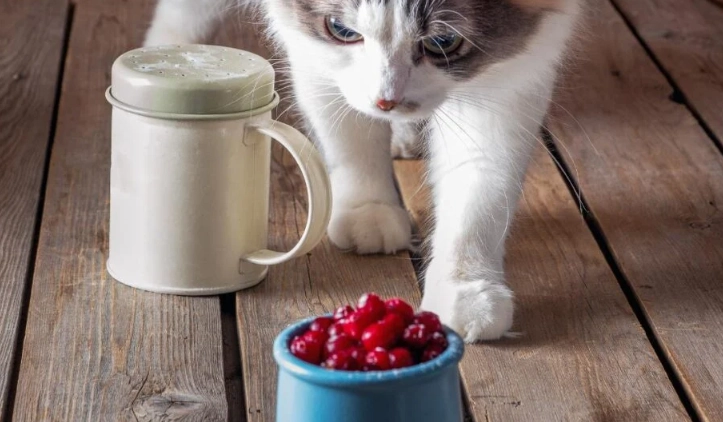
Quick Navigation: Your Cranberry Cheat Sheet
Are Cranberries Safe for Cats? The Real Story
From a toxicity standpoint, cranberries aren't listed as poisonous to cats by sources like the ASPCA. But safe doesn't mean ideal. Cats are obligate carnivores—their bodies are built for meat, not fruits. So, while a cranberry or two won't likely harm a healthy cat, it's not something they need.
What's Inside a Cranberry That Cats Might React To?
Cranberries are acidic and contain natural sugars. The acidity can irritate a cat's stomach lining, especially if they have a sensitive digestive system. Sugar, even in small amounts, adds empty calories and can contribute to weight gain or diabetes over time. I remember my cat, Milo, once snagged a dried cranberry from the floor. He was fine, but I later learned that dried versions often have added sweeteners, which are worse.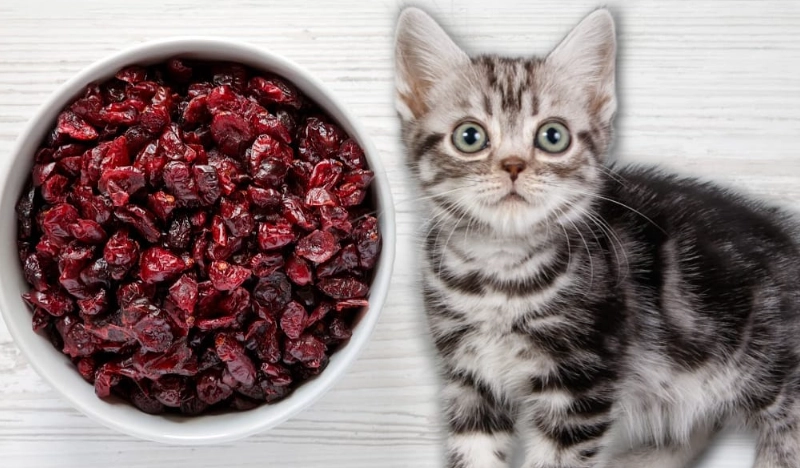
Another thing: cranberries have compounds like proanthocyanidins that might benefit urinary health, but for cats, the evidence is shaky. Most studies focus on humans or dogs, so we're extrapolating here.
When Cranberries Might Actually Help Your Cat
Let's talk benefits, because yes, there are some potential upsides—if you're careful.
Urinary Tract Health: The Big Claim
Cranberries are famous for preventing UTIs in humans by preventing bacteria from adhering to the urinary tract. Some vets suggest it might help cats with recurrent urinary issues, but it's not a cure-all. For example, if your cat has Feline Lower Urinary Tract Disease (FLUTD), cranberries won't fix the underlying cause, like stress or diet. I've talked to vets who say it's more of a supportive measure, not a treatment.
A case study: A friend's cat, Luna, had mild urinary discomfort. Her vet recommended a balanced diet with occasional cranberry supplements, but only after ruling out serious conditions. It helped a bit, but hydration was key.
Antioxidant Boost
Cranberries are packed with antioxidants like vitamin C and flavonoids. For cats, these might support immune function, but cats produce their own vitamin C, so they don't need extra from fruits. The antioxidant effect is minimal compared to a meat-based diet.
Don't get me wrong—it's not harmful in tiny doses, but don't expect miracles. Your cat's regular food should cover their nutritional needs.
The Risks You Can't Ignore
This is where many owners slip up. Cranberries seem harmless, but the risks are real.
Sugar Content and Obesity
Even fresh cranberries have about 4 grams of sugar per 100 grams. For a 10-pound cat, that's a significant chunk of their daily calorie intake if overfed. Obesity in cats is a huge problem—it leads to diabetes, arthritis, and shorter lifespans. I've seen cats gain weight from too many treats, and fruits like cranberries add up quickly.
Digestive Distress: A Common Outcome
The high fiber and acidity can cause vomiting, diarrhea, or gas. Cats have short digestive tracts not designed for processing plant matter. If your cat has a history of stomach issues, steer clear. My neighbor's cat, Whiskers, got diarrhea after eating a few cranberries from a holiday dish—it took days to settle.
Allergic Reactions
Allergies are rare but possible. Signs include itching, swelling, or breathing difficulties. If you notice anything odd after feeding cranberries, stop immediately and call your vet. It's not worth the risk for a novelty snack.
How to Feed Cranberries Safely: A Step-by-Step Plan
If you still want to try, here's a practical guide. I've used this with my cats, and it works—but only if you follow it to the letter.
Choosing the Right Form: Fresh, Dried, or Juice?
Not all cranberries are created equal. Here's a quick comparison to help you decide:
| Type | Safety Level | Why It's Good or Bad | Recommended Serving |
|---|---|---|---|
| Fresh or Frozen Cranberries | Best Option | No added sugars, natural form. Wash thoroughly and remove stems. | 1-2 berries, mashed, once a week. |
| Dried Cranberries | Avoid If Possible | Often contain sweeteners like sugar or xylitol (toxic to cats). High in calories. | Only if unsweetened, tiny piece as rare treat. |
| Cranberry Juice | Not Recommended | High sugar, acidity, additives. Can cause kidney strain or tooth decay. | Avoid altogether; use water instead. |
| Cranberry Supplements | Consult Vet First | Concentrated forms may have dosages not tested for cats. | Only under veterinary supervision. |
Stick to fresh or frozen. Dried ones are a gamble—I once bought unsweetened dried cranberries, but my cat turned up his nose. Cats are picky, so don't waste money on fancy versions.
Step-by-Step Guide to Feeding
First, consult your vet, especially if your cat has health issues. Then:
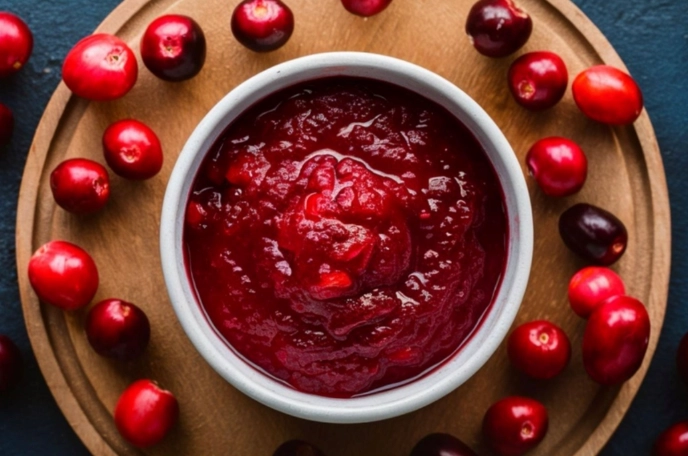
Step 1: Start with a tiny amount—like half a cranberry, mashed or pureed. Mix it into their regular wet food to mask the tartness.
Step 2: Observe for 24 hours. Look for changes in appetite, litter box habits, or behavior. If all's well, you can occasionally repeat.
Step 3: Limit frequency. Once a week is plenty. More than that, and you're inviting trouble.
Step 4: Never force it. If your cat refuses, don't push. They know their bodies better than we do.
I tried this with my cat, Shadow. He licked the mashed cranberry once and walked away. Lesson learned: not all cats care for it.
Common Myths Debunked
Let's bust some myths I hear all the time.
Myth 1: Cranberries can cure UTIs in cats. Nope. They might help prevent bacterial adhesion, but they won't treat an active infection. Your cat needs antibiotics from a vet.
Myth 2: All fruits are safe for cats in moderation. False. Some, like grapes, are toxic. Cranberries are on the safer side, but still not risk-free.
Myth 3: Cranberry juice is a good hydration source for cats. Absolutely not. The sugar and acids can dehydrate them further. Stick to plain water.
I've seen online forums push these ideas, but as a long-time cat enthusiast, I urge caution. Always cross-check with reliable sources like veterinary journals.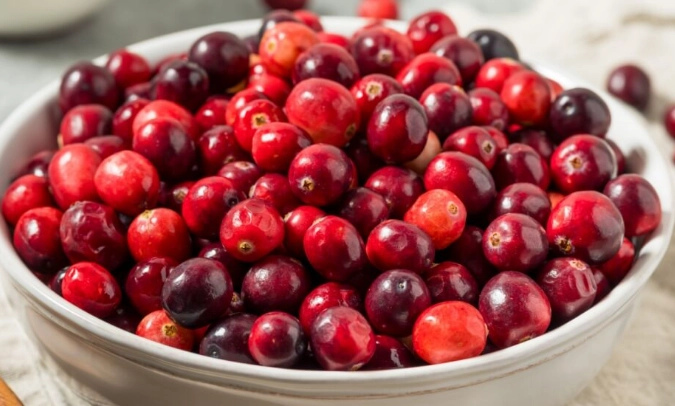
Your Top Cranberry Questions Answered
At the end of the day, cranberries are a maybe, not a must. Focus on a balanced diet rich in animal protein, and use treats like cranberries sparingly. Your cat's health is worth more than a trendy snack. If in doubt, skip it—there are plenty of cat-safe alternatives out there.



Leave a comment