- Breaking Down the Basics: What Are Paw Pads Made Of?
- So, What Do These Amazing Pads Actually DO?
- Common Paw Pad Problems: What to Watch For
- Your Action Plan: Prevention & Daily Care
- First Aid for Paw Pad Injuries: What You Can Do at Home
- When to Absolutely, Positively Call the Vet
- Breed-Specific Quirks in Paw Pad Anatomy
- Answers to Questions You're Probably Asking
- A Final Thought from One Dog Lover to Another
Let's be honest, most of us give our dog's paws a quick glance during a nail trim and maybe a rub because they're just so darn cute. But have you ever really stopped to think about what those paw pads are made of, or what they actually do? I mean, seriously. They walk on them all day, on hot pavement, cold snow, rough trails... and they just keep going. It wasn't until my own dog, a spirited Border Collie mix named Finn, came limping back from a hike with a cracked pad that I truly started to appreciate the engineering marvel right at the end of his legs. That incident sent me down a rabbit hole of research, talking to vets, and learning that paw pad dog anatomy is way more complex and fascinating than I ever imagined.
We're not just talking about little pillows. A dog's paw is a masterpiece of biological design, and the pads are the star players. Understanding paw pads dog anatomy isn't just trivia for curious pet parents; it's practical knowledge that can help you prevent injuries, spot problems early, and keep your best friend comfortable on all of life's adventures. So, let's take a closer look, shall we?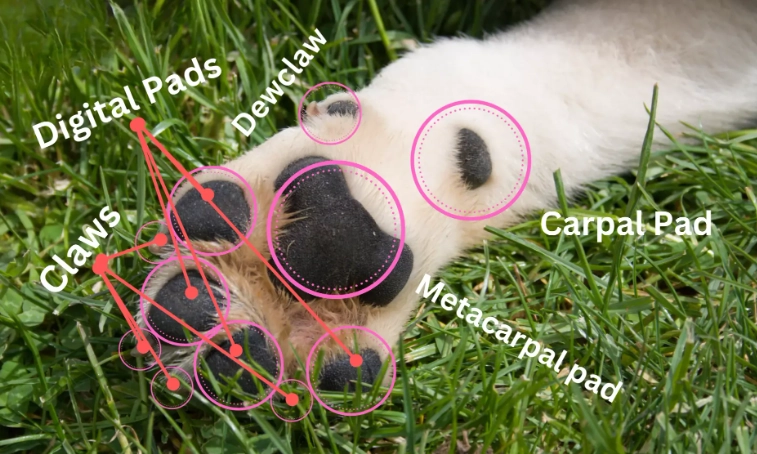
Breaking Down the Basics: What Are Paw Pads Made Of?
If you gently press on your dog's main pad, you'll notice it's firm yet has some give. That's because it's not just one homogenous blob. The anatomy of a dog's paw pad is layered, kind of like a high-tech hiking boot sole. The outer layer you see and touch is a specialized, thick skin. But calling it 'skin' feels like an insult. It's made of a keratinized epithelium, which is a fancy way of saying it's been toughened up with a protein (keratin) to become incredibly durable and resistant to wear. This is the part that gets calloused and rough to the touch.
Beneath that tough exterior lies the real magic: a thick layer of adipose tissue, or fat. This isn't your average body fat. It's arranged in a unique, honeycomb-like structure that acts as the primary shock absorber. Think of it as nature's built-in gel insoles. This fat layer is what cushions every single step your dog takes, protecting their bones and joints from the constant impact. Below that, you find connective tissue and a rich network of blood vessels and sweat glands (yes, dogs sweat through their pads!). And nestled within all of this are sensitive nerve endings that provide crucial sensory feedback about the ground beneath them.
The Different Pads and Their Roles
Most dogs have five distinct pads on each front paw and four on each back paw. Knowing their names and jobs helps you understand the full picture of dog paw pad anatomy.
- Metacarpal/Metatarsal Pad: This is the big, central heart-shaped (or bean-shaped) pad. It's the workhorse, bearing most of the dog's weight and providing the primary cushioning.
- Digital Pads: These are the smaller pads under each toe. There are typically four per paw. They help with balance, grip, and distributing weight, especially during turns or when navigating uneven terrain.
- Carpal Pad: This one is a bit of an oddball. It's located higher up on the front leg, on the 'wrist' area (the carpus). You might not even notice it unless you look. Its main function is as a kind of 'ski brake' or anti-skid device when a dog is going downhill or coming to a sudden stop. Pretty cool, right?
- Dewclaw Pad: If your dog has dewclaws (that thumb-like claw on the side of the leg), there's a small pad associated with it. In some breeds, this dewclaw provides extra grip when holding objects or navigating tricky ground.
So, What Do These Amazing Pads Actually DO?
Their structure hints at their function, but let's connect the dots. Understanding paw pads dog anatomy means appreciating their multi-tasking abilities.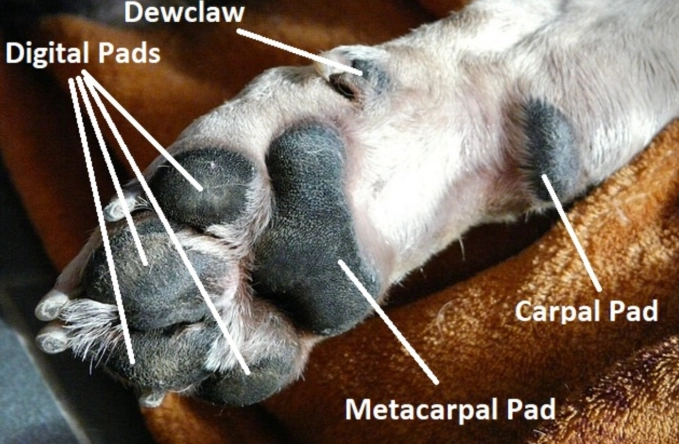
The Top 5 Jobs of Your Dog's Paw Pads
- Shock Absorption: The fat honeycomb layer dissipates the force of each step, protecting joints from the wrists/ankles all the way up to the spine. This is arguably their most critical job.
- Traction & Stability: The textured surface and the way the pads can splay slightly provide grip on various surfaces, from slick hardwood floors to loose dirt.
- Insulation & Thermoregulation: The thick skin and fat layer provide some insulation against extreme ground temperatures. More importantly, those blood vessels help regulate body temperature. In heat, they expand to release warmth; in cold, they constrict to conserve it. And remember those sweat glands? They help with cooling too.
- Sensory Perception: All those nerves make the pads highly sensitive. They tell the dog about the texture, vibration, and temperature of the ground, which is crucial for safe movement and exploration.
- Protection: The tough outer layer is a literal shield against sharp objects, abrasions, and environmental irritants.
It's a lot for one body part to handle. And when you think about it, it's no wonder paw pad injuries are so common. They're constantly on the front lines.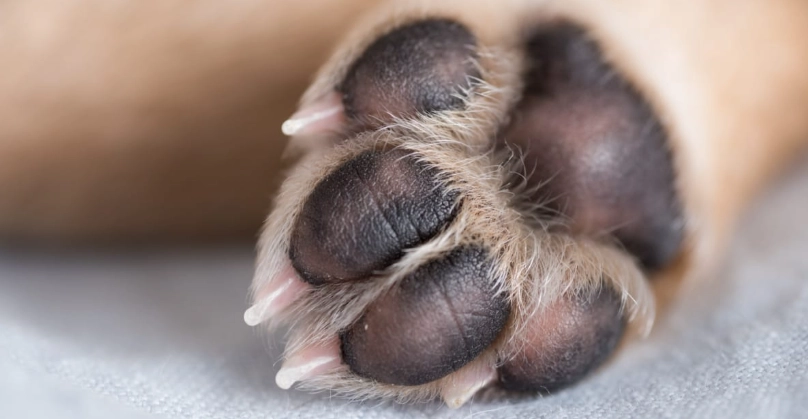
Common Paw Pad Problems: What to Watch For
Now for the not-so-fun part. Because they're so exposed, paw pads are vulnerable. After Finn's crack, I became hyper-aware. Here are the issues you're most likely to encounter, and honestly, some of them look worse than they are, while others are sneaky.
- Abrasions & Cuts: From glass, sharp rocks, or metal edges. These can bleed a lot because the pads are so vascular.
- Cracks & Dryness: Often caused by extreme weather (hot, dry summers or cold, dry winters), chemical exposure (road salt, lawn fertilizers), or simply lack of natural conditioning. Older dogs are more prone.
- Burns & Blisters: A major summer hazard. Asphalt and sand can reach scorching temperatures very quickly, literally cooking the pads. The first sign is often limping or refusing to walk, and you might see blisters or pieces of pad peeling off later.
- Punctures: From thorns, nails, or other sharp objects that penetrate deep. These are dangerous because they can introduce infection deep into the pad's tissue.
- Infections (Pododermatitis): This is a broad term for inflammation of the paw. It can be caused by bacteria, yeast, allergies, or foreign bodies. Signs include licking/chewing, redness, swelling, and sometimes a foul smell.
- Hyperkeratosis: This is when the outer keratin layer grows excessively, forming hard, rough, sometimes crusty extensions that look like 'hairy' or cracked pads. It's common in certain breeds and older dogs.
I made a classic mistake with Finn. I saw the crack and immediately slathered on a human-grade moisturizer. Big error. Many human lotions contain ingredients that are toxic if licked or can overly soften the pad, making it more susceptible to injury. Lesson learned the hard way.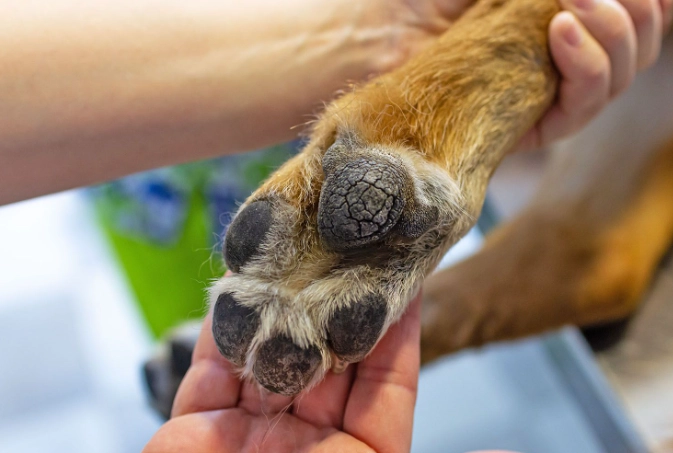
Your Action Plan: Prevention & Daily Care
An ounce of prevention is worth a pound of cure, especially with paws. A little routine attention goes a long way in maintaining healthy paw pad anatomy.
The Pre-Walk Check & The 7-Second Test
Get in the habit of checking paws regularly. Look between the toes, at the nail beds, and of course, the pads themselves for any cuts, redness, or foreign objects (like foxtails). Before a walk in hot weather, do the 7-second test: press the back of your hand firmly against the pavement. If you can't hold it there comfortably for seven seconds, it's too hot for your dog's paws. Opt for grass or walk during cooler times.
Conditioning and Protection Products
For dogs that are active or live in harsh climates, pad conditioners are a game-changer. Look for wax-based balms specifically formulated for dogs (like Musher's Secret or similar brands). These create a protective barrier against salt, hot pavement, and ice. They also help moisturize without over-softening. Apply a thin layer before going out and wipe off excess when you come in. For winter, dog boots are the ultimate protection against salt and chemical ice melts, which are severe irritants and can be poisonous if licked.
Post-Adventure Paw Maintenance
After every walk, especially in urban areas or after hiking, make it a ritual to wipe down your dog's paws. Use a damp cloth or pet-safe wipe to remove dirt, pollen, and any potential toxins. This simple step can prevent a lot of licking and potential irritation. Then, give them a good feel. You're checking for any new bumps, cuts, or lodged debris.
First Aid for Paw Pad Injuries: What You Can Do at Home
Minor injuries can often be managed at home. Here's a basic protocol. Important: If the cut is deep, the bleeding won't stop, there's a visible embedded object, or signs of infection (pus, increasing redness/swelling) appear, see your vet immediately.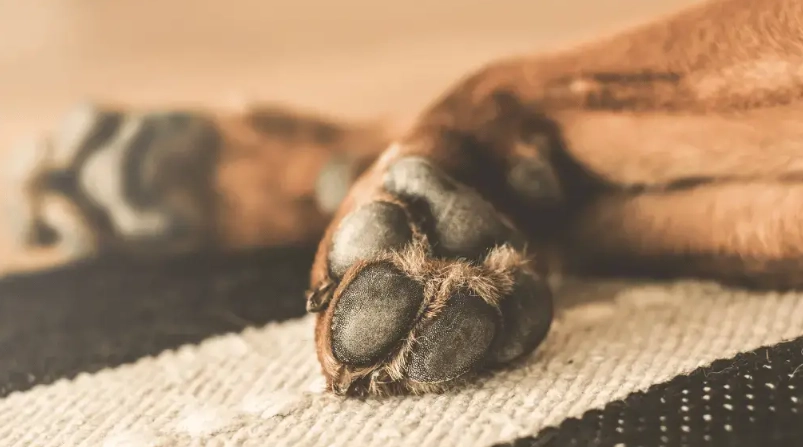
- Clean Gently: Rinse the pad with lukewarm water or a mild saline solution to flush out dirt. You can use a mild antiseptic like diluted chlorhexidine (follow package directions). Avoid hydrogen peroxide or alcohol, as they can damage healthy tissue.
- Control Bleeding: Apply gentle pressure with a clean cloth or gauze. Paw pad cuts often bleed more initially but usually clot quickly.
- Remove Debris: If you see a small splinter or gravel, use clean tweezers to carefully remove it.
- Protect the Wound: For a minor abrasion or crack, apply a vet-approved antibacterial ointment. Then, the tricky part: keeping the dog from licking it off. This is non-negotiable. Licking introduces bacteria and prevents healing. You must use an Elizabethan collar (cone) or a dog bootie/sock secured with medical tape (never tight!) to cover the paw.
- Rest: Limit activity to allow the pad to heal. Keep walks short and on soft surfaces.
For burns, immediate cooling with cool (not ice-cold) water is key, followed by a prompt vet visit, as the full damage can be subsurface.
When to Absolutely, Positively Call the Vet
Don't play the hero. Some situations require professional intervention. Call your vet if you see:
- Deep lacerations or punctures.
- Signs of infection (pus, swelling, red streaks, foul odor).
- Burns or blisters covering a significant portion of the pad.
- Sudden, severe lameness where the dog won't put any weight on the foot.
- A foreign object deeply embedded that you can't easily remove.
- Any injury that doesn't show clear signs of improvement within 24-48 hours of home care.
Vets have access to stronger antibiotics, pain relief, and can properly bandage a paw—something that's very difficult to do effectively at home. The Veterinary Partner website, a peer-reviewed resource for pet owners, has excellent articles on wound care and bandaging that explain why professional help is often best.
Breed-Specific Quirks in Paw Pad Anatomy
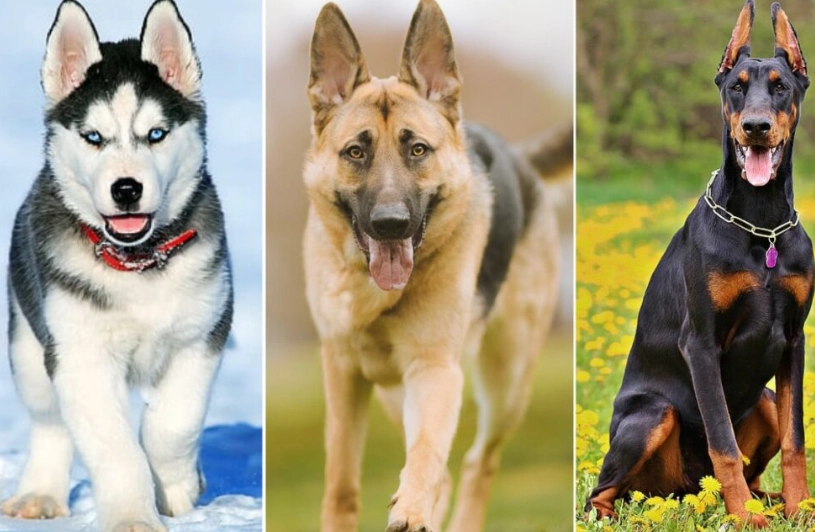
Not all paws are created equal. Breed plays a huge role. Northern breeds like Siberian Huskies often have larger, thicker, more heavily furred pads for insulation against snow and ice. Sighthounds like Greyhounds tend to have smaller, more compact 'hare feet' with less protective fur, making them somewhat more delicate. Giant breeds have massive pads to distribute their enormous weight, while toy breeds have tiny, sometimes more finely textured pads. Water-retrieving breeds often have pronounced webbing between their toes. Knowing your breed's tendencies can help you anticipate their needs.
Answers to Questions You're Probably Asking
Let's tackle some of the specific searches people make about dog paw pad anatomy.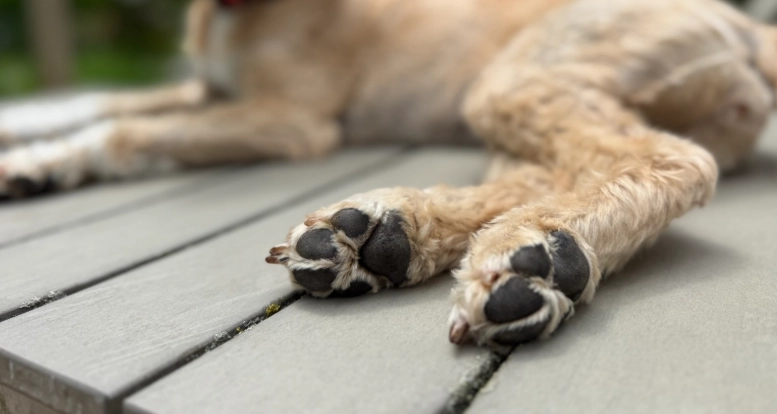
A Final Thought from One Dog Lover to Another
Learning about my dog's paw pads anatomy changed how I care for him. It transformed those cute beans from an afterthought to a priority. I now check his paws like I check the weather before a hike—it's just part of the routine. I keep a tin of paw balm by the door in winter, and I'm militant about the pavement test in summer.
It's easy to get overwhelmed with all the information, but don't be. Start simple. Tonight, take a few minutes to really look at your dog's paws. Feel the texture of the pads, notice their shape and color. That familiarity is your first and best tool. From there, a little preventive care and prompt attention to problems will keep those amazing natural shock absorbers in top shape for miles and miles of happy walks together.
Because at the end of the day, those paws are what carry them through their life with you. They deserve a little extra TLC.

Leave a comment