In This Guide
- Why Are Nuts a Problem for Dogs Anyway?
- The Top Tier: Nuts That Are Highly Toxic to Dogs
- The High-Risk Category: Nuts That Are Dangerous for Other Reasons
- The "Maybe, But Why Risk It?" Category
- What About Peanuts and Peanut Butter?
- My Dog Ate a Toxic Nut: What Do I Do Right Now?
- Safe Alternatives: What Can You Feed Instead?
- Your Questions Answered: Common Nut Dilemmas
- The Bottom Line: A Simple Rule to Live By
Let's be honest. You're scrolling through your phone, snacking on a handful of mixed nuts, and those big, pleading eyes lock onto you. Your dog wants a piece of the action. It's a moment every pet owner faces. A tiny piece won't hurt, right? Well, that's where things can get dangerous, and fast.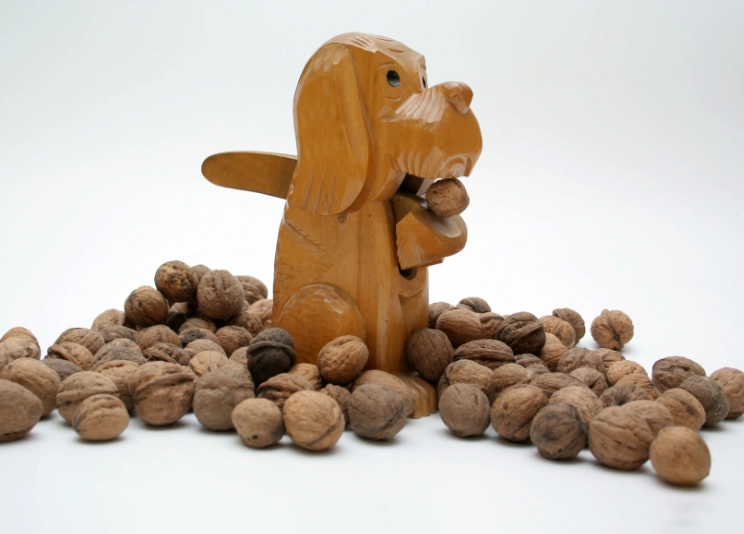
I remember the panic I felt when my friend's Labrador got into a bowl of macadamia nuts during a game night. The dog was shaky and couldn't stand properly within a few hours. It was a scary rush to the emergency vet. That experience drilled one question into my head, and probably into yours right now: what nut is toxic for dogs, really?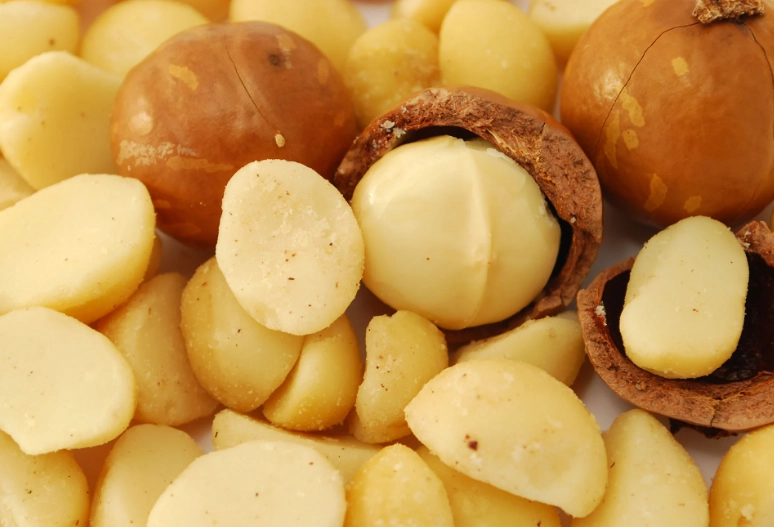
The answer isn't as simple as a yes or no list. It's a spectrum of risk, from "absolutely never" to "proceed with extreme caution." And it's not just about the nut itself. It's about mold, fat content, choking hazards, and salts. This guide is going to cut through the noise and give you the straight facts, so you can make safe choices for your furry family member.
Why Are Nuts a Problem for Dogs Anyway?
Dogs aren't small humans. Their digestive systems and metabolisms work differently. What's a healthy snack for us can be a digestive nightmare or worse for them. When we ask "what nut is toxic for dogs," we're really asking about a few key hazards.
First up is the high fat content. Nuts are loaded with oils. A dog's pancreas isn't designed to handle a sudden, large fat dump. This can lead to pancreatitis—a painful, serious inflammation of the pancreas. Symptoms include vomiting, severe belly pain, and lethargy. It's no joke and often requires hospitalization.
Then there's the choking and obstruction risk. Especially with smaller dogs, a whole nut can get stuck. Worse are the shells. A walnut or pistachio shell can cause a dangerous intestinal blockage that might need surgery to remove. I've heard vets tell stories of dogs needing emergency surgery from a single peach pit or a handful of nutshells.
And let's not forget about salt and seasonings. Those delicious salted, roasted, or honey-glazed nuts? The sodium levels can be dangerous for dogs, leading to sodium ion poisoning. Symptoms include excessive thirst, vomiting, diarrhea, tremors, and even seizures.
But the most direct answer to "what nut is toxic for dogs" involves specific toxins that certain nuts carry, which have nothing to do with fat or choking. These are the real bad guys.
The Top Tier: Nuts That Are Highly Toxic to Dogs
These are the ones you need to treat like poison. Even a small amount can cause serious problems. If you remember nothing else from this article, remember this list.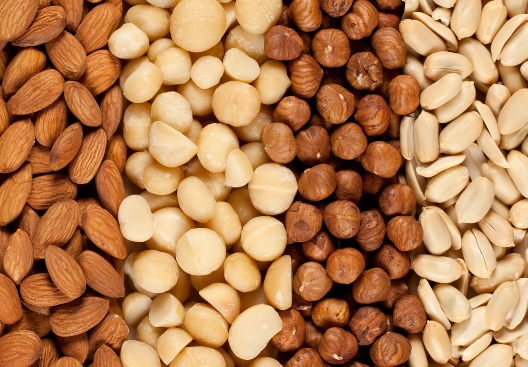
Macadamia Nuts: The Number One Offender
If there's a poster child for answering "what nut is toxic for dogs," it's the macadamia nut. The mechanism isn't fully understood, but even a small quantity—sometimes as few as one nut per pound of a dog's body weight—can cause a toxic reaction.
The symptoms are pretty distinct and can appear within 12 hours:
- Weakness and lethargy: Your dog might look drunk, have trouble standing, or just collapse in the back legs.
- Tremors and shaking: Especially noticeable when the dog tries to move.
- Vomiting
- Hyperthermia (elevated body temperature)
The good news? It's rarely fatal with prompt veterinary care, which usually involves inducing vomiting, giving activated charcoal, and providing supportive care like IV fluids. But why risk it? Keep macadamia nuts and anything containing them (cookies, trail mix, macadamia nut butter) completely out of reach.
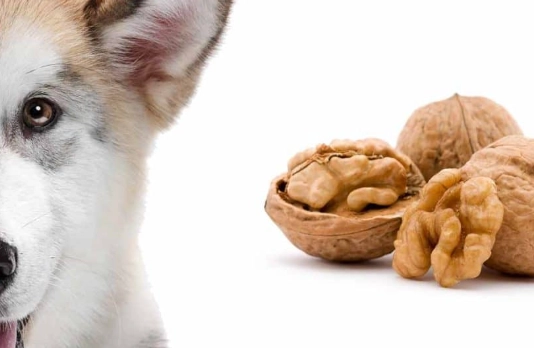
Walnuts (Especially Black Walnuts and Old/Moldy Walnuts)
This one requires a bit of nuance. The common English walnut you buy at the store is considered a lower-risk nut (more on that later) in small, plain pieces. The real dangers are black walnuts and any walnuts that have gone moldy.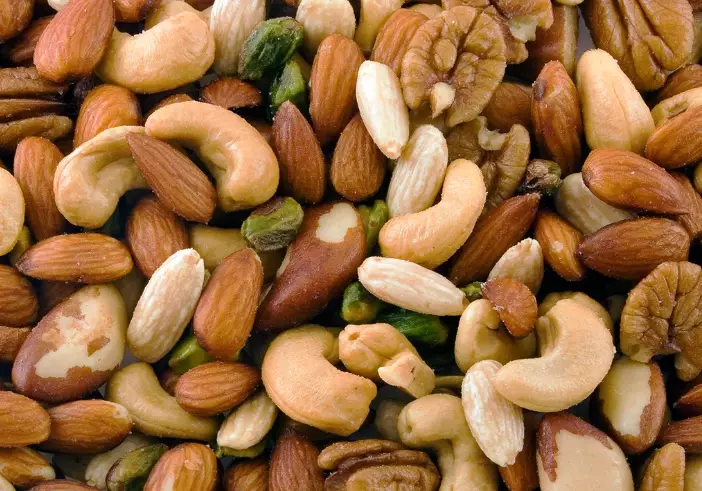
Black Walnuts: These contain a toxin called juglone, which can cause seizures and neurological issues in dogs. They also often harbor a particular type of mold that produces tremorgenic mycotoxins.
Moldy Walnuts (Any Type): This is the bigger, more common risk. A mold called *Penicillium crustosum* can grow on walnuts (and other nuts, corn, dairy) that are stored in damp conditions. This mold produces neurotoxins that cause something called "moldy nut poisoning."
Symptoms of moldy walnut poisoning are severe and can start very quickly:
- Severe, whole-body tremors and seizures
- Vomiting
- Agitation
- High fever
- Liver failure in severe cases
If your dog gets into walnuts from your backyard tree or an old bag in the pantry, consider it a potential emergency. The Pet Poison Helpline lists black walnuts as a major concern. When people ask me what nut is toxic for dogs, I always stress the mold risk with walnuts—it's a hidden danger many owners don't think about.
The High-Risk Category: Nuts That Are Dangerous for Other Reasons
These nuts might not contain a specific "toxin" like macadamias, but they pose such significant health risks that they belong on the "do not feed" list.
Pecans
Pecans fall into the same dangerous category as old walnuts. They are highly prone to growing the same tremorgenic mold, especially if they've been sitting on the ground. The high fat content also makes pancreatitis a real risk. It's just not worth it.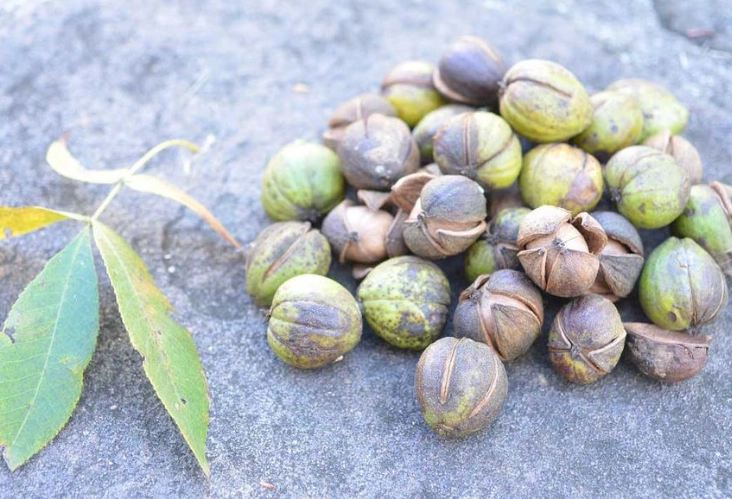
Almonds
This one surprises people. A plain, unsalted almond isn't toxic in the chemical sense. So why are they high-risk?
- Obstruction: Their shape and size make them a prime choking hazard and can cause intestinal blockage, especially in smaller breeds.
- Digestive Upset: Dogs don't digest almonds well. They can cause stomach pain, gas, and diarrhea.
- Salt & Seasoning: Most almonds available to us are salted, smoked, or coated in flavors that are bad for dogs.
So while one almond might not land your dog in the ER, it's a consistent problem. I'd avoid them entirely.
| Nut | Toxicity Level | Primary Danger | Common Symptoms |
|---|---|---|---|
| Macadamia Nut | High - Directly Toxic | Unknown toxin affecting nervous system | Weakness, tremors, vomiting, hyperthermia |
| Black Walnut / Moldy Walnut | High - Directly Toxic | Juglone toxin & tremorgenic mycotoxins from mold | Severe tremors, seizures, vomiting, fever |
| Pecan | High - Risk of Mold | Tremorgenic mycotoxins (from mold), High Fat | Tremors, seizures, pancreatitis risk |
| Almond | High - Physical Hazard | Choking/obstruction, Digestive upset, High Fat | Vomiting, diarrhea, potential blockage |
The "Maybe, But Why Risk It?" Category
Some nuts frequently pop up in searches about what dogs can eat. The consensus among most vets is that the risks outweigh any minimal benefits.
Cashews
Unsalted, plain cashews given very occasionally and in tiny amounts (like one or two) are often considered the "safest" nut by some. They're lower in fat than some others. But they're still high in fat overall! They can still cause pancreatitis in a dog with a sensitive stomach or if too many are eaten. They also contain oxalates, which can contribute to kidney stones. My take? If you absolutely must, one plain cashew as a rare treat for a large dog is probably okay. But there are a hundred better treat options.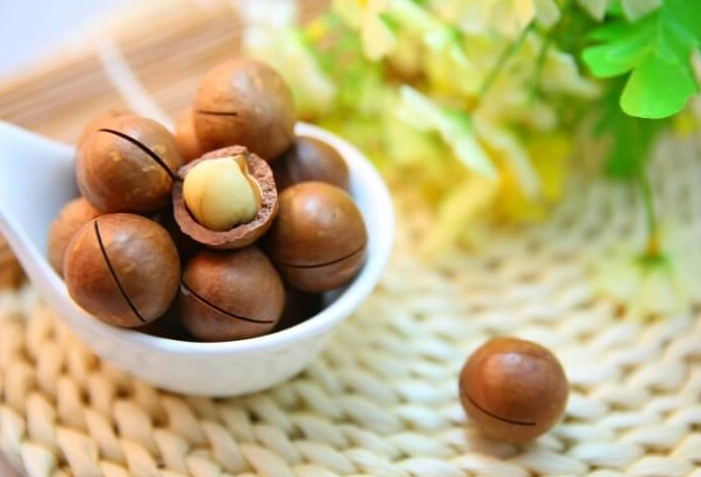
Pistachios
The nut itself isn't toxic. The dangers here are practical: the high fat, the salt, and most of all, the shells. Pistachio shells are a major choking and obstruction hazard. They can also harbor Aspergillus mold, which produces aflatoxins—potent toxins that can cause severe liver damage. An open bag of pistachios is just a problem waiting to happen.
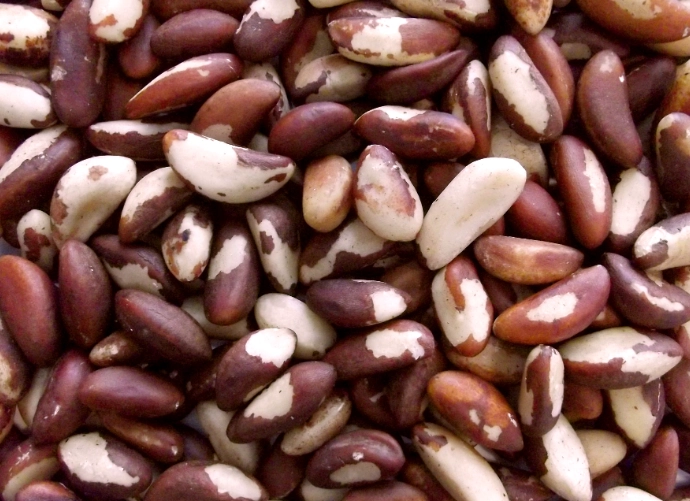
Hazelnuts & Brazil Nuts
Extremely high in fat. Brazil nuts are possibly the fattiest nut of all. The risk of pancreatitis is significant. They also pose an obstruction risk due to their size and shape. Just skip them.
What About Peanuts and Peanut Butter?
Peanuts are technically legumes, not tree nuts, but everyone thinks of them as nuts. Plain, unsalted peanuts are generally considered safe for dogs in very small quantities. But again, they're fatty and can be a choking hazard.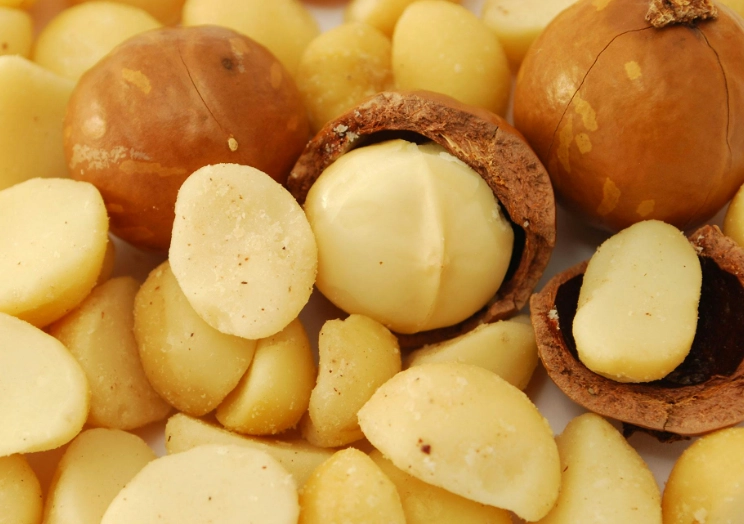
The real star is peanut butter. It's a fantastic tool for hiding pills or filling Kong toys. But you have to choose carefully.
You must avoid peanut butter containing xylitol. This artificial sweetener is extremely toxic to dogs, causing a rapid and severe drop in blood sugar (hypoglycemia) and liver failure. It's in many "sugar-free" or "low-sugar" products. Also, choose a natural peanut butter with only peanuts (and maybe salt) on the ingredient list. Avoid added sugars, hydrogenated oils, and excess salt.
My Dog Ate a Toxic Nut: What Do I Do Right Now?
Panic doesn't help. Action does. Here's your step-by-step guide.
- Don't Wait for Symptoms. If you saw your dog eat macadamia nuts or moldy walnuts, act immediately. Symptoms can take hours to appear, and by then, treatment is harder.
- Identify What and How Much. Try to figure out what nut it was and estimate how many they ate. Grab the container if you can.
- Call for Help Immediately. Don't just Google. Call your primary veterinarian if they're open. If it's after hours, call the nearest emergency animal hospital or a poison control hotline.
Critical Resources:
- ASPCA Animal Poison Control Center: 1-888-426-4435 (A consultation fee may apply). Their website is a wealth of information: ASPCA Poison Control.
- Pet Poison Helpline: 1-855-764-7661 (Fee applies).
- Follow Professional Advice. They may instruct you to induce vomiting at home with hydrogen peroxide (ONLY if they tell you to, for the specific substance and situation). More likely, they'll tell you to bring your dog in. Go.
- Bring Evidence. Take the nut packaging or a sample of the nuts with you to the vet.
Treatment will depend on the nut, the amount, and how long ago it was eaten. It may include inducing vomiting, administering activated charcoal to bind the toxins, IV fluids for support and to protect the kidneys, anti-nausea medication, and monitoring.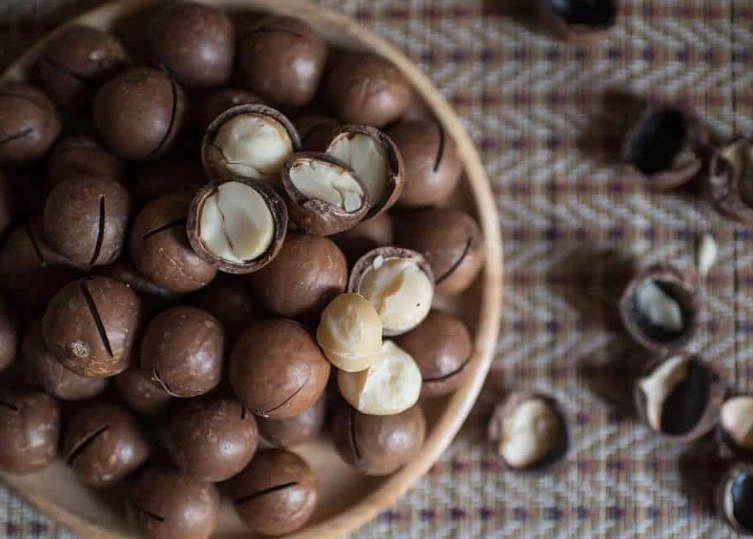
Safe Alternatives: What Can You Feed Instead?
If you want to give your dog a crunchy, satisfying treat, there are so many safe options! Why gamble with nuts?
- Commercial Dog Treats: Formulated to be safe and nutritious.
- Fresh Vegetables: Many dogs love crunchy carrots, green beans, cucumber slices, or broccoli florets (in moderation).
- Fresh Fruits: Apple slices (no seeds), banana slices, blueberries, watermelon (no rind or seeds). Always research first, as some fruits like grapes are toxic.
- Plain, Air-Popped Popcorn (no salt, no butter).
- Dehydrated Sweet Potato or Liver Treats you can make at home or buy.
These options are lower in fat, often higher in vitamins, and pose none of the specific toxicity risks we've been talking about. When you're wondering what nut is toxic for dogs, the easiest solution is to just pick something from this list instead.
Your Questions Answered: Common Nut Dilemmas
The Bottom Line: A Simple Rule to Live By
After all this, the answer to "what nut is toxic for dogs" is pretty clear. The simplest, safest rule for the average dog owner is this:
Really. The potential dangers—from specific toxins in macadamias and moldy walnuts, to the high risk of pancreatitis from fats, to the choking hazard—far outweigh any negligible nutritional benefit. There are countless other treats your dog will love that don't come with a side of potential disaster.
Be vigilant about dropped food, open bags on coffee tables, and trail mix in backpacks. Educate everyone in your household. A little prevention saves a lot of heartache (and a very expensive vet bill). Your dog's health is worth more than a momentary snack. Keep the nuts for yourself, and give your pup a carrot stick instead. They'll love you just the same.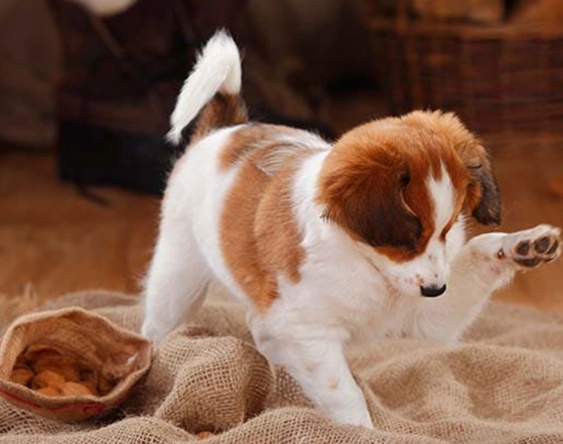

Leave a comment