In This Guide
- What Does "Watery Brown Diarrhea" Actually Mean?
- The Main Culprits: Why Does My Dog Have Watery Brown Diarrhea?
- The Home Care First Aid Kit: What to Do Right Now
- The Red Flags: When to Stop Home Care and Call the Vet
- What Will the Vet Do? Diagnosis and Treatment
- Prevention: Keeping Your Dog's Gut Happy
- Your Questions Answered: Dog Diarrhea FAQ
Let's be honest, dealing with dog diarrhea is one of the least glamorous parts of pet ownership. You're cleaning up a mess, your dog looks miserable, and you're left worrying about what's wrong. When that diarrhea is specifically watery and brown, it can feel especially alarming. Is it just a tummy bug, or something more serious?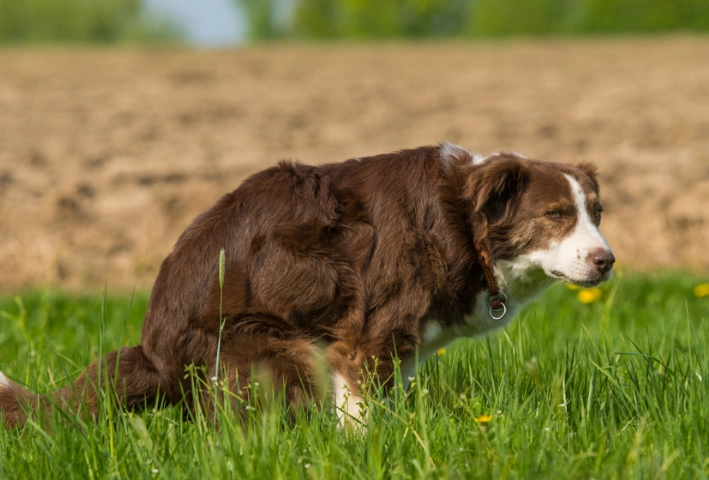
I've been there. My own dog, a Labrador with a stomach of (apparently) steel, once had a bout of watery brown diarrhea that had me pacing the floor at 2 AM. It's a common issue, but that doesn't make it any less stressful when it's your furry friend.
This guide is here to cut through the worry. We're going to break down exactly what causes watery brown diarrhea in dogs, what you can safely do at home, and the clear red flags that mean you need to pick up the phone and call your vet. No fluff, just practical information to help you and your dog feel better.
What Does "Watery Brown Diarrhea" Actually Mean?
First, let's define our terms. When we talk about dog diarrhea watery brown, we're describing a stool that has lost its normal formed consistency. It's loose, unformed, and often has the texture of pudding or pure liquid. The "brown" part is usually a range of shades—from light tan to a dark chocolate brown.
The color brown in normal stool comes from bile, a digestive fluid produced by the liver. So, a brown color, even in diarrhea, often means the digestive process is at least partially working. It's when the color changes dramatically (to red, black, or yellow) that we get more specific clues about the problem's location.
But just because it's brown doesn't mean it's always simple. The watery consistency is the real key. Watery diarrhea suggests that the large intestine isn't doing its main job of absorbing water from the waste material. This can happen for a lot of reasons.
The Main Culprits: Why Does My Dog Have Watery Brown Diarrhea?
Pinpointing the cause is step one. The reasons range from "no big deal" to "get to the vet now." I like to split them into two main groups: the common, often less severe causes, and the more serious underlying conditions.
The Usual Suspects (Often Mild to Moderate)
These are the things we dog owners are most familiar with. They can cause a sudden onset of watery brown diarrhea.
- Dietary Indiscretion: This is a fancy term for "eating something they shouldn't have." It's the top cause. Scavenging garbage, eating table scraps that are too rich or fatty, getting into the cat's food, or even just a sudden change in their regular dog food can upset the balance. My Lab's episode? A stolen loaf of bread from the counter. His system did not thank him.
- Food Intolerance or Allergy: Sometimes it's not about a one-time mistake but a specific ingredient that doesn't agree with your dog. Common triggers are beef, dairy, chicken, wheat, or soy. The diarrhea might be chronic or come and go.
- Stress or Anxiety: Yes, dogs get stress-related tummy troubles too. A big thunderstorm, a new pet in the house, or a long boarding stay can trigger a bout of watery brown diarrhea. The gut-brain connection is very real in canines.
- Mild Bacterial or Viral Imbalance: Exposure to a mild pathogen or a temporary imbalance in the gut's natural bacteria (like after a course of antibiotics) can lead to diarrhea. Not all infections are severe.
- Parasites: Intestinal worms like roundworms, hookworms, or whipworms, and protozoa like Giardia, are classic culprits. Giardia, in particular, is notorious for causing intermittent, foul-smelling, watery diarrhea. It's often picked up from contaminated water or soil.
The More Serious Causes (Requiring Veterinary Attention)
These conditions need a vet's diagnosis and treatment. Don't try to manage these at home.
- Inflammatory Bowel Disease (IBD): This is a chronic condition where the dog's own immune system attacks the lining of the intestines. It leads to persistent inflammation and, you guessed it, chronic diarrhea that can be watery. It requires lifelong management.
- Pancreatitis: Inflammation of the pancreas. It's often caused by eating fatty foods and is extremely painful. Diarrhea can be a symptom, along with vomiting, a hunched back, and severe lethargy. This is an emergency. The American College of Veterinary Surgeons provides a detailed overview of this serious condition.
- Hemorrhagic Gastroenteritis (HGE): This one is scary and comes on fast. The stool often starts as watery brown diarrhea but can quickly become bloody and jelly-like. Dogs with HGE can become dehydrated at a dangerous rate within hours.
- Certain Cancers: Lymphoma or tumors in the digestive tract can cause chronic diarrhea, weight loss, and other symptoms.
- Systemic Diseases: Problems with organs like the liver or kidneys can manifest as gastrointestinal upset, including diarrhea.
| Cause Category | Common Examples | Typical Severity | Action Required |
|---|---|---|---|
| Dietary | Garbage, rich food, new food | Mild-Moderate | Home Care / Vet if persists |
| Infectious | Giardia, bacteria, virus | Moderate-Severe | Vet |
| Chronic | Food allergy, IBD | Moderate-Chronic | Vet for Diagnosis |
| Organ Disease | Pancreatitis, liver failure | Severe-Emergency | Emergency Vet |
The Home Care First Aid Kit: What to Do Right Now
Okay, so your dog has the runs. It's watery brown diarrhea, but they're still acting pretty normal—maybe a little sorry for themselves, but drinking water and not vomiting repeatedly. Here's your action plan. This is the protocol many vets recommend for otherwise healthy adult dogs.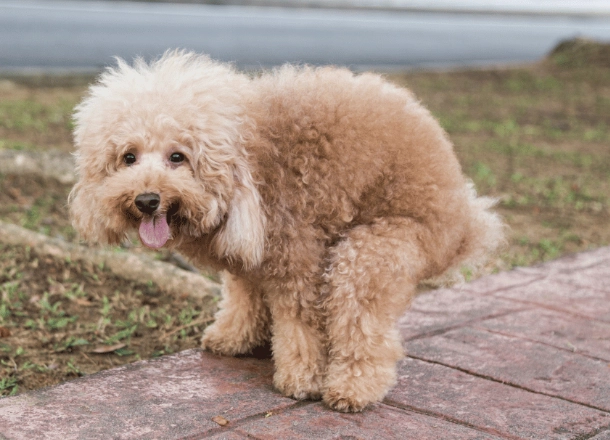
Step 1: The 12-24 Hour Fast
This gives the irritated digestive tract a complete rest. No food for 12 to 24 hours. I know, it feels cruel to withhold food from a begging dog, but it's one of the most effective things you can do. It allows the intestines to stop the constant stimulation and start healing.
Water is NON-NEGOTIABLE. Your dog must have access to fresh, clean water at all times. Diarrhea causes fluid loss, and dehydration is the biggest immediate risk. You can even offer ice cubes if they're interested.
Step 2: The Bland Diet Reintroduction
After the fasting period, if the diarrhea has slowed or stopped, you introduce a bland diet. The classic recipe is boiled white meat chicken (no skin, no bones) or extra-lean ground beef (drained of all fat) mixed with plain, cooked white rice. The ratio is about 1:1 (e.g., one cup chicken to one cup rice).
Feed small, frequent meals. Think ¼ of their normal meal amount, but offered 4 times a day. This is gentler on the system than one or two big meals.
Feed this bland diet for 2-3 days after the stool has returned to normal. Then, over the course of 4-5 days, slowly mix in their regular food, increasing the regular food and decreasing the bland mix each day. A sudden switch back can restart the problem.
Step 3: Supportive Supplements (Vet-Approved)
Some supplements can help soothe the gut and restore balance. Again, check with your vet first.
- Pumpkin (Plain, Canned): Not pumpkin pie mix! Plain pumpkin is high in fiber, which can help absorb excess water in the intestines and add bulk to the stool. A tablespoon for medium dogs, a teaspoon for small ones, mixed into food.
- Probiotics: These are "good" bacteria that help repopulate a healthy gut flora. Look for a probiotic formulated specifically for dogs. Human probiotics aren't always the right strains.
- Electrolyte Solutions: For dogs that are drinking but seem sluggish, an unflavored pediatric electrolyte solution (like Pedialyte) can help replace lost minerals. Offer it diluted 50/50 with water.
The Red Flags: When to Stop Home Care and Call the Vet
This is the most important part of the article. Home care is great for simple cases, but you must know when it's time to get professional help. Don't wait if you see any of these signs.
Honestly, I think some lists downplay this. If you're worried, just call. It's always better to be safe.
- Blood in the Stool: Fresh red blood or dark, tarry black stool (which indicates digested blood). This is a major sign something is wrong.
- Repeated Vomiting: More than once or twice, especially if they can't keep water down. Vomiting + diarrhea is a fast track to dehydration.
- Lethargy or Severe Weakness: If your dog is listless, won't get up, or seems disoriented. A dog that's normally bouncing but now just lies there is sending a big signal.
- Signs of Pain: Whining, trembling, a hunched posture, or a tense abdomen (they don't want you to touch their belly).
- Pale Gums: Gums should be a healthy pink. Press on them—the color should return within 1-2 seconds (capillary refill time). Pale, white, or blue gums are an emergency.
- No Improvement in 48 Hours: If you've done the 24-hour fast and bland diet for another day and the watery brown diarrhea is still going strong, it's vet time.
- Other Concerning Symptoms: Fever, sudden weight loss, or if your dog is very young, very old, or has a known health condition like diabetes.
See any of these? Stop reading and call your veterinarian or an emergency animal hospital.
What Will the Vet Do? Diagnosis and Treatment
If you end up at the vet's office, here's what you can expect. Knowing this can ease some of the anxiety of the visit.
The Diagnostic Process
Your vet isn't guessing. They'll use a logical process to find the root cause of the watery brown diarrhea.
- Detailed History: They'll ask you everything: when it started, what the stool looks like exactly, any vomiting, diet changes, access to garbage/toxins, recent travel, behavior changes. Be ready with details.
- Physical Exam: They'll check your dog's weight, temperature, hydration status, listen to the abdomen, and palpate (feel) the belly for pain or abnormalities.
- Fecal Exam: They'll check a stool sample under a microscope for parasites like worms, Giardia, or harmful bacteria.
- Bloodwork: A complete blood count (CBC) and chemistry panel can reveal infections, pancreatitis, organ dysfunction, or electrolyte imbalances caused by the diarrhea.
- Imaging: In persistent or severe cases, an X-ray or ultrasound might be needed to look for foreign objects, tumors, or signs of IBD.
Common Veterinary Treatments
Treatment depends entirely on the diagnosis.
- Fluid Therapy: For dehydration, this is often the first step. Fluids may be given under the skin (subcutaneous) or through an IV (intravenous) for severe cases.
- Medications: These could include anti-parasitics for worms, antibiotics for specific bacterial infections (not all diarrhea needs antibiotics!), anti-nausea drugs, or medications to coat and soothe the intestinal lining.
- Prescription Diets: For food allergies, IBD, or sensitive stomachs, your vet may recommend a hydrolyzed protein or novel protein prescription diet. These are designed to be non-irritating.
- Management Plans: For chronic conditions like IBD, treatment involves a combination of special diet and sometimes immunosuppressive medications to control inflammation.
Prevention: Keeping Your Dog's Gut Happy
An ounce of prevention, right? While you can't prevent every case, these habits drastically reduce the risk of future episodes of watery brown diarrhea.
- Stick to a Consistent, High-Quality Diet: Find a good food that works for your dog and stick with it. If you must change foods, do it gradually over 7-10 days by mixing the old and new.
- Be a Food Nazi: This is my personal rule. No table scraps, especially fatty ones. Secure your garbage cans. Don't let them scavenge on walks. It's hard, but it prevents so many problems.
- Regular Parasite Prevention: Keep your dog on a monthly heartworm preventative that also controls intestinal parasites, as recommended by your vet.
- Manage Stress: If your dog is anxious, work on training, provide safe spaces, and talk to your vet about calming aids for known stressful events (like fireworks).
- Provide Clean Water: Always have fresh water available, and be cautious about letting them drink from stagnant ponds or puddles, which can harbor Giardia and bacteria.
Your Questions Answered: Dog Diarrhea FAQ
Let's tackle some of the specific questions that keep popping up in forums and vet offices. These are the things people really want to know.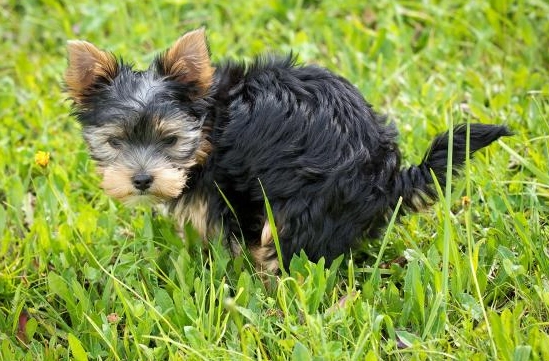
How long is too long for a dog to have diarrhea?
For acute (sudden) diarrhea, if home care doesn't show clear improvement within 48 hours, see a vet. For chronic diarrhea (coming and going for weeks), you should see a vet to find the underlying cause. Letting it go on can lead to malnutrition and weight loss.
Can I give my dog rice for diarrhea?
Yes, but as part of the bland diet (mixed with a lean protein like chicken). Plain white rice by itself isn't a complete meal and shouldn't be fed long-term, but for a few days, it's a great binding food. Brown rice has more fiber and might not be as effective for acute cases.
My dog has diarrhea but is acting fine. Should I worry?
Not immediately. A single episode or a short bout where your dog is otherwise energetic, drinking, and not vomiting can often be managed at home. Start the fasting/bland diet protocol. The key is vigilance. If the good behavior continues and the diarrhea resolves, you likely handled it. If the good behavior changes, follow the "red flag" rules.
What's the difference between small intestine and large intestine diarrhea?
Great question, and it helps understand what's happening. Small intestine diarrhea is typically large in volume, watery, and can lead to more rapid weight loss/nutrient issues. Large intestine diarrhea (colitis) is characterized by frequent, small amounts of stool, often with mucus or fresh blood, and marked urgency. Watery brown diarrhea can originate from either, but the presence of other symptoms helps the vet localize the problem.
Are some dog breeds more prone to digestive issues?
Unfortunately, yes. German Shepherds are notoriously prone to conditions like IBD and Exocrine Pancreatic Insufficiency (EPI). Many retrievers have indiscriminate eating habits (ahem). Smaller breeds like Yorkies can have more sensitive stomachs. Knowing your breed's tendencies can make you a more proactive owner.
Dealing with dog diarrhea watery brown is never fun, but hopefully, this guide gives you a clear roadmap. You now know the potential causes, have a safe home care plan, understand the critical warning signs, and know what to expect at the vet.
The bottom line? Trust your gut (pun intended). If your dog seems off and you're concerned, erring on the side of caution with a vet call is never the wrong move. Your furry friend is counting on you to be their advocate. Here's to happy tummies and clean floors.
Leave a comment