Your Canine Care Compass
- The Two Sides of the Coin: When Peroxide Can Help and When It Hurts
- What to Use Instead: Safer Alternatives for Dog Wound Care
- The Hidden Dangers: Why "Can You Use Peroxide on Dogs" is a Warning Sign
- Your Dog First-Aid Kit: What to Have Instead of Peroxide
- Answering Your Burning Questions
- When to Skip Everything and Go Straight to the Vet
So you found the brown bottle in your medicine cabinet, and your dog has a scrape. Or maybe they just gobbled up something they shouldn't have. The question hits you instantly: can you use peroxide on dogs? It's a classic home remedy, right? We've all heard it. But here's the thing—the answer isn't a simple yes or no. It's a loud, clear "sometimes, but be incredibly careful." And knowing when that "sometimes" applies could be the difference between helping your pup and accidentally causing them more harm.
I remember panicking when my friend's Labrador ate a bunch of raisins. The first thing everyone yelled was "hydrogen peroxide!" It worked, but the vet later gave us an earful about the risks we didn't even consider. That experience sent me down a rabbit hole of research and conversations with vets. What I learned changed how I view that bubbling liquid entirely.
Let's get this out of the way first: This article is your guide, not a substitute for professional veterinary advice. If your dog is in distress, bleeding heavily, or has ingested something poisonous, call your vet or an emergency pet poison hotline immediately. The ASPCA Animal Poison Control Center (APCC) is a critical resource in the US.
The Two Sides of the Coin: When Peroxide Can Help and When It Hurts
Hydrogen peroxide (that's H2O2 for the science folks) is an antiseptic and oxidizing agent. It kills bacteria by releasing oxygen, which creates that familiar fizz. This action is a double-edged sword for dogs.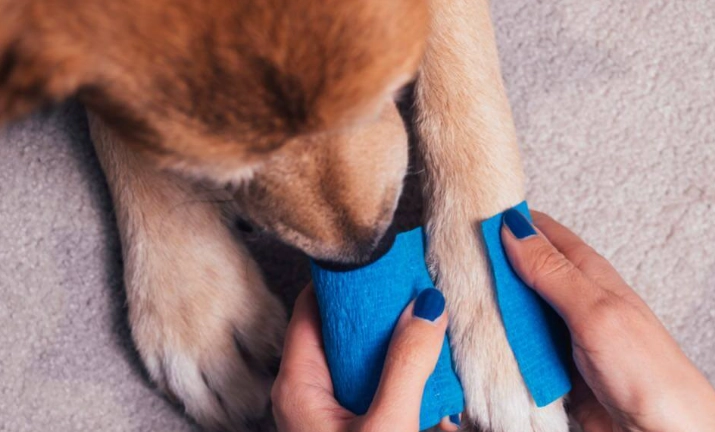
The Approved Use: Inducing Vomiting (Emesis)
This is the only scenario where many vets might give a cautious green light for at-home use, and it's strictly for recent poisonings. The idea is to empty the stomach before the toxin is absorbed. But—and this is a huge but—you should never do this without explicit instruction from a vet or poison control expert.
Why you need permission first: Making a dog vomit can be dangerous or even fatal if they've ingested certain substances like caustics (bleach, drain cleaner), sharp objects, or petroleum products. Vomiting these can cause severe damage to the esophagus and lungs on the way back up. A professional will ask what was ingested, how much, your dog's size, and breed before giving the go-ahead.
So, can you use peroxide on dogs to make them throw up?
Only if a professional tells you to, for a specific toxin, within a specific timeframe (usually within 2 hours of ingestion). They will also tell you the correct dosage, which is typically 1 teaspoon (5 ml) of 3% hydrogen peroxide per 10 pounds of body weight, up to a maximum of 3 tablespoons. Using a higher concentration is dangerous.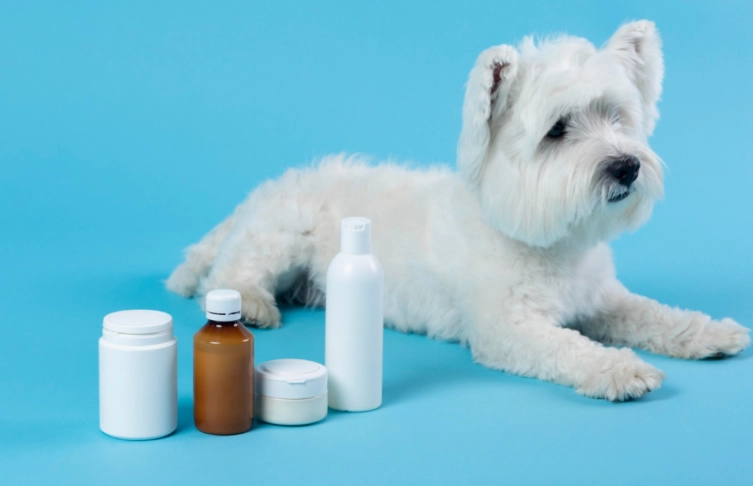
The Risky Use: Cleaning Wounds and Skin
This is where the old advice falls apart. Pouring peroxide on your dog's cut might seem like a good idea—it bubbles, so it must be cleaning, right? Unfortunately, that bubbling isn't just killing germs.
It's also damaging healthy tissue. Peroxide is a cytotoxic agent, meaning it kills cells indiscriminately—both bad bacteria and the good cells trying to heal the wound. This can delay healing, increase scarring, and cause significant pain for your dog. Imagine pouring a mild acid on a scrape. Ouch.
I made this mistake once with a small cut on my dog's paw pad. It seemed fine at first, but the area became red and irritated for days longer than it should have. The vet assistant gently explained that I'd basically scorched the earth, killing the delicate new skin cells trying to grow.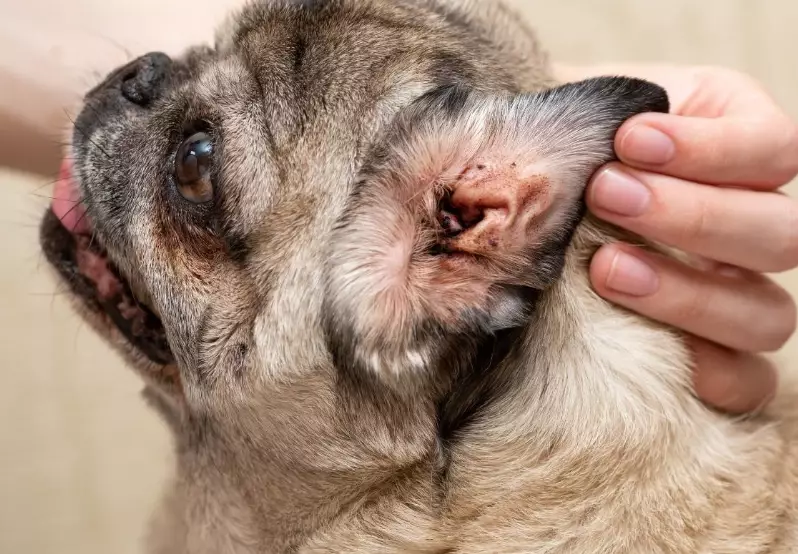
What to Use Instead: Safer Alternatives for Dog Wound Care
Okay, so if the answer to can you use peroxide on dogs for cuts is a firm "no," what should you reach for instead? Your goal is gentle cleansing without damaging tissue.
| Cleaning Solution | Best For | How to Use | Key Benefit / Note |
|---|---|---|---|
| Sterile Saline Solution (0.9% Sodium Chloride) | Flushing out dirt and debris from fresh wounds, eye rinses. | Gently pour or use a syringe to flush the wound. No rinsing needed. | The gold standard. It's isotonic, so it doesn't sting or damage tissue. You can buy it or make a weak version at home (1 tsp salt to 2 cups boiled, cooled water). |
| Dilute Chlorhexidine Solution (0.05% to 0.1%) | Cleaning wounds, skin infections, hot spots. Great for its residual antibacterial effect. | Dilute the surgical scrub (usually 2-4%) with water. Apply with gauze, then rinse with saline/water. | Very effective and widely recommended by vets. Must be diluted correctly to avoid irritation. The Merck Veterinary Manual notes its broad-spectrum efficacy. |
| Plain, Clean Warm Water | Initial rinse for very dirty wounds, cleaning around (not in) a wound. | Use gentle running water or a soaked cloth. | Underrated! Excellent for removing gross debris before applying a proper antiseptic. No tissue damage. |
| Veterinary-Prescribed Antiseptic Sprays/Ointments | Post-cleaning protection, promoting healing for minor abrasions. | Apply a thin layer after cleaning and drying the area. | Formulated specifically for animals. Avoid human antibiotic ointments like Neosporin unless your vet says it's okay, as dogs may lick and ingest them. |
| Hydrogen Peroxide (3%) | Not recommended for wounds. Only for inducing vomiting under professional guidance. | N/A for wound care. | Damages granulation tissue, delays healing, can be painful. |
Step-by-Step: How to Clean a Minor Dog Wound at Home
- Restrain and Comfort: Have someone help hold your dog gently. Muzzle if necessary (even the sweetest dog may bite in pain). Talk calmly.
- Initial Rinse: Use warm water or sterile saline to flush away loose dirt and hair.
- Trim Hair: Carefully clip hair around the wound with blunt-nosed scissors to prevent contamination.
- Clean: Soak gauze in your chosen antiseptic (like diluted chlorhexidine) and gently wipe from the center outward. Don't wipe dirt back into the wound. Use a fresh piece each time.
- Rinse Again: Rinse off the antiseptic with saline or water unless it's a leave-on product.
- Dry & Protect: Pat dry with a clean towel. Apply a vet-recommended ointment if needed. Prevent licking with an e-collar (cone).
See? No peroxide needed.
The Hidden Dangers: Why "Can You Use Peroxide on Dogs" is a Warning Sign
Beyond tissue damage, there are other risks that don't get talked about enough.
- Chemical Burns: Using a concentration stronger than 3%, or using 3% on delicate tissue (like inside the ear or on mucous membranes) can cause serious chemical burns.
- Inhalation Risk: If peroxide is used in an enclosed space or the dog aspirates it during forced vomiting, it can cause severe lung inflammation (chemical pneumonitis).
- Gastrointestinal Irritation: Even when used correctly to induce vomiting, it can irritate the stomach lining, sometimes leading to gastritis.
- Ineffectiveness: It doesn't work on all toxins. For some, it's completely useless, and the delay in seeking real help is the real danger.
A vet tech once told me about a case where a well-meaning owner repeatedly used peroxide on a dog's persistent hot spot. The skin became so raw and damaged that it needed weeks of specialized care to heal. The owner was devastated—they just wanted to help. It's a tough lesson on why old-school remedies need reevaluation.
Your Dog First-Aid Kit: What to Have Instead of Peroxide
Let's be proactive. Instead of wondering can you use peroxide on dogs, stock your kit with safer, vet-approved items. This is what I keep in mine now.
- Sterile saline solution (in bottles or individual ampules)
- Chlorhexidine solution (2%, for dilution)
- Sterile non-stick gauze pads and roll gauze
- Self-adhering vet wrap (doesn't stick to fur)
- Blunt-tipped scissors and tweezers
- Digital pet thermometer
- Muzzle (a must—fear and pain change behavior)
- Your vet's phone number, emergency clinic number, and the APCC number: (888) 426-4435.
Notice hydrogen peroxide isn't on that list? I keep a single, unopened bottle in the very back of a cabinet only on the off-chance a vet tells me to use it over the phone. It's not a frontline tool.
Answering Your Burning Questions
Can you use peroxide on dogs' ears?
Absolutely not. Do not put hydrogen peroxide in your dog's ear canal. The delicate skin inside can be easily damaged, leading to pain and potentially worsening an infection. If your dog has an ear issue, see your vet. They will use proper, safe ear cleaners. The VIN (Veterinary Information Network) client resources stress the importance of using pH-balanced, veterinary-formulated ear cleaners.
Can you use peroxide on dogs for itching?
No. Itching is a symptom, not a dirt problem. Peroxide will dry out and irritate the skin, making the itch worse and potentially creating an open wound. You need to find the cause of the itch (allergies, parasites, infection) with your vet.
My dog licked peroxide, what do I do?
A small lick of 3% peroxide from a cleaned wound is unlikely to cause serious harm but may cause drooling or mild stomach upset. Rinse their mouth with water. If they ingested a significant amount (like from a spilled bottle), call your vet or poison control. Watch for vomiting, diarrhea, or lethargy.
Is there a specific "hydrogen peroxide for dogs" product?
No. It's the same chemical. Any product marketed as such is just repackaged 3% hydrogen peroxide. There's no magical "dog-safe" formulation. The safety comes from how and when you use it, not the bottle label.
The Bottom Line Takeaway: The modern, evidence-based answer to "can you use peroxide on dogs?" is this: Its use is highly restricted. It may be used to induce vomiting only under direct veterinary guidance for specific poisonings. It is not recommended for cleaning wounds, ears, or skin due to its damaging effects on healthy tissue. Safer, more effective alternatives like sterile saline and diluted chlorhexidine exist and are preferred by veterinary professionals.
When to Skip Everything and Go Straight to the Vet
No home remedy, peroxide or otherwise, is a substitute for professional care. Drop everything and seek immediate veterinary attention if your dog has:
- Deep puncture wounds or lacerations (especially from bites)
- Bleeding that doesn't stop with direct pressure after 5-10 minutes
- Wounds near eyes, mouth, or genitals
- Signs of infection (pus, swelling, redness, foul odor, heat)
- Embedded foreign objects (glass, wood, etc.)
- Ingested a known toxic substance, sharp object, or caustic material
- Is lethargic, having trouble breathing, or seems in severe pain
Look, I get the appeal of hydrogen peroxide. It's cheap, it's available, and that fizz feels like action. But when it comes to our dogs, we have to use the best tools for the job, not just the most familiar ones. The veterinary field has advanced, and our first-aid knowledge should too.
So next time you're faced with a canine cut or a poisoning scare, you'll know the real deal. You can confidently skip the peroxide for wounds and reach for the saline. And you'll know that calling the vet or poison control is always the most powerful first step you can take. That's how we give our dogs the best care, based on knowledge, not just old habits.
After all, asking "can you use peroxide on dogs" is the start of being a great pet owner. Understanding the nuanced, safer answer is what makes you an informed and prepared one.


Leave a comment