In This Guide
- Why Is Hydrogen Peroxide Such a Controversial Topic for Dogs?
- The Potential Risks: When Peroxide Does More Harm Than Good
- Is There Ever a Safe Time to Use Peroxide on a Dog?
- What Should I Use Instead? Safer Home Care for Dog Wounds
- Step-by-Step Guide: How to Clean a Minor Dog Wound at Home (The Right Way)
- Answers to Your Burning Questions About Peroxide and Dogs
- Building a Dog-Safe First Aid Kit: What to Stock Instead
- Final Thoughts: Making the Best Choice for Your Dog
Let's cut right to the chase. You're probably here because your dog has a cut, a hot spot, or some other skin issue, and you've got that brown bottle of hydrogen peroxide in your medicine cabinet. It bubbles on your own scrapes, so it must be good for Fido too, right? The internet is full of conflicting advice, and honestly, it's a mess. Some folks swear by it; others call it poison. So, can you use peroxide on your dog's skin?
The short, honest answer is: it's complicated, and most veterinarians today will tell you not to make it your go-to. I know, that's not the simple yes or no you wanted. But stick with me. Using that peroxide without knowing the full picture could do more harm than good, delaying healing and causing your dog unnecessary pain. I've seen it happen.
This guide isn't about scaring you. It's about giving you the complete, balanced information that vets wish every pet owner had before they reach for the bottle. We'll dig into why peroxide is so controversial, when (if ever) it might be cautiously okay, and most importantly, what safer, more effective alternatives you should use instead.
Why Is Hydrogen Peroxide Such a Controversial Topic for Dogs?
Think about it. For decades, hydrogen peroxide (usually the 3% solution you find at the drugstore) was a first-aid staple. Our parents used it on us. The fizzing action feels like it's working, killing germs deep in the wound. That logic seems sound, so the question "can I use peroxide on my dog's skin?" feels like it should have a simple "yes."
But veterinary medicine evolves, just like human medicine. What we thought was helpful 30 years ago sometimes turns out to be problematic with more research.
The core issue with hydrogen peroxide isn't that it's instantly toxic (though higher concentrations are dangerous). The problem is what it does to the very tissue you're trying to heal. That bubbling action? It's a chemical reaction that breaks down into water and oxygen. While it does kill some bacteria through oxidation, it's not selective. It's equally harsh on the healthy, delicate skin cells and fibroblasts—the little guys responsible for building new tissue and closing the wound.
This cellular damage can actually slow down the healing process significantly. Instead of clean, efficient repair, the body has to first deal with the chemical injury you caused before it can tackle the original cut. It can also increase scarring.
So, the modern perspective shifts the answer from "yes, always" to "rarely, and with extreme caution." The risks often outweigh the potential benefit of disinfection, especially when better options exist.
The Potential Risks: When Peroxide Does More Harm Than Good
Let's break down the specific risks, because just saying "it's bad" isn't helpful. You need to know what can go wrong.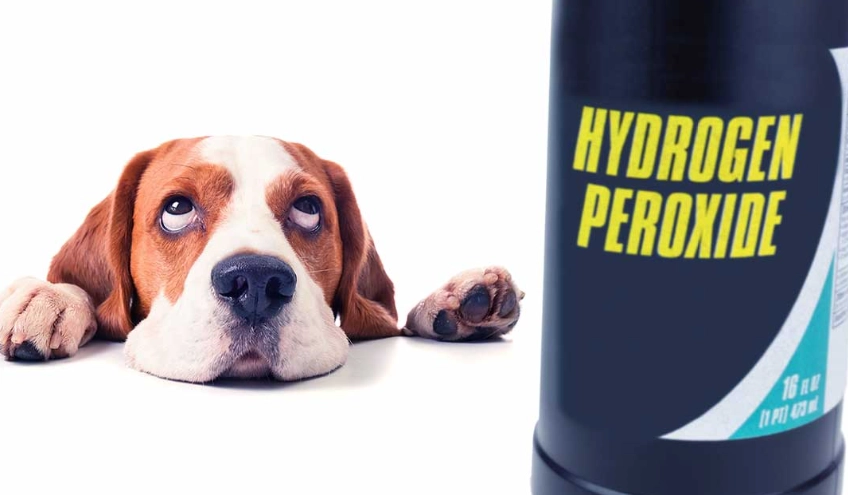
- Delayed Healing: As mentioned, damaging healthy cells puts healing on pause. A simple cut that might heal in a week could drag on for two.
- Increased Scarring: More tissue damage equals a bigger, more noticeable scar. Not a huge cosmetic concern for a dog, but it indicates poorer quality healing.
- Pain and Discomfort: Pouring peroxide on an open wound stings. A lot. Your dog can't tell you, but watch their reaction—flinching, whining, trying to get away. It's painful.
- Skin Irritation and Contact Dermatitis: For dogs with sensitive skin (and many breeds do), peroxide can cause redness, itching, and inflammation around the wound site, creating a whole new problem.
- Ineffective Against Certain Bacteria: Peroxide's germ-killing power is surface-level and short-lived. It doesn't have any lasting antiseptic effect, and some bacteria in deeper tissues can be unaffected.
I made the mistake once with my own dog, Sam. He got a small scrape on his pad. I diligently cleaned it with peroxide for two days. Not only did he hate every second of it, but the skin around the scrape got red and angry-looking. When I finally took him to the vet (should have gone sooner), she explained I was irritating the area and told me to switch to plain saline wash. The difference in how quickly it calmed down was night and day. Lesson learned the hard way.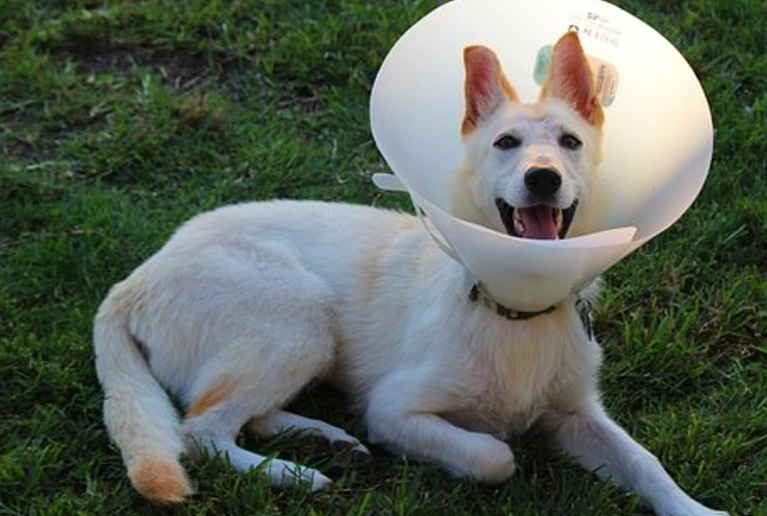
Is There Ever a Safe Time to Use Peroxide on a Dog?
Okay, so with all those warnings, is the answer to "can I use peroxide on my dog's skin?" a flat-out never? Most vets will give a very narrow, specific exception for initial, one-time cleansing of a minor, superficial, and freshly acquired wound.
Think of it as a last-resort option if you have absolutely nothing else available and the wound is visibly dirty (like mud or debris). The goal here isn't to "disinfect" perfectly, but to mechanically flush out large contaminants to prevent infection until you can get proper care.
Even then, it's not the preferred method. The American Veterinary Medical Association (AVMA) generally recommends against using irritating substances like hydrogen peroxide for wound care, emphasizing gentle flushing with safer solutions. You can find their resources on responsible pet care and first aid on their official website, which is a great source for general pet health guidelines.
If you are in that rare situation where peroxide is your only option, here's the strict, cautious protocol:
- Dilute it. Never use full-strength 3% peroxide. Mix it 50/50 with clean, warm water. This reduces the concentration and its damaging potential.
- Flush, don't soak or rub. Use a syringe or squeeze bottle to gently flush the diluted solution over the wound once to dislodge dirt. Do not pour it directly from the bottle or use cotton balls (fibers get stuck).
- Rinse thoroughly. Immediately after the peroxide flush, you must rinse the area copiously with plenty of clean, lukewarm water or saline solution to remove all peroxide residue from the tissue.
- One time. This is a one-time use only for the initial clean. Do not repeat the process daily. After this, switch to safer alternatives.
Honestly, even writing these steps makes me uneasy because I know how easy it is for someone to skip the dilution or not rinse properly. My personal view? It's better to just skip the peroxide altogether and use one of the safer alternatives below from the start. The risk of doing it wrong is too high.
What Should I Use Instead? Safer Home Care for Dog Wounds
This is the good stuff—what you actually should have in your dog's first-aid kit. These solutions are effective, gentle, and recommended by veterinarians.
| Solution | How to Use It | Best For | Notes & Cautions |
|---|---|---|---|
| Sterile Saline Solution (0.9% Sodium Chloride) | Flush liberally over the wound. Can be used multiple times a day. | Flushing out debris, rinsing wounds, cleaning eyes. | The gold standard for gentle irrigation. Causes no tissue damage. You can buy it or make a close approximation (see below). |
| Dilute Chlorhexidine Solution (0.05% to 0.1%) | Flush the wound or apply with gauze. Usually once or twice daily as directed. | Antiseptic cleaning of minor cuts, scrapes, and skin folds. | Excellent broad-spectrum antiseptic that is gentle on tissue. Must be diluted from the standard 2% surgical scrub. Do not use in ears or eyes. |
| Plain, Clean Water | Gentle stream from faucet or hose, or poured from a clean container. | Initial rinsing of a dirty wound when nothing else is available. | The physical action of flushing with water removes more bacteria than you might think. It's always better than nothing and far better than a damaging chemical. |
| Povidone-Iodine Solution (Diluted to a light tea color) | Apply with gauze to the affected area, avoiding surrounding healthy skin. | Antiseptic for minor skin infections, hot spots. | Effective but can stain and may be drying. Some dogs can be allergic. Always dilute to the color of weak tea. Do not use on cats. |
How to Make a Safe, Simple Saline Wash at Home
If you don't have sterile saline on hand, you can make a very close and safe approximation at home in a pinch. This is not sterile, but it is much, much safer than using peroxide.
- Boil one cup of water for at least 10 minutes to sterilize it as best you can.
- Let it cool until it's just warm to the touch (lukewarm).
- Add a 1/4 teaspoon of non-iodized salt (like pickling or canning salt) to the boiled water.
- Stir until fully dissolved.
- Let it cool completely before using. Store it in a clean, covered container for no more than 24 hours. After that, discard and make a new batch.
See? Simple, safe, and non-irritating. This should be your first line of defense, not the harsh fizz of peroxide.
Step-by-Step Guide: How to Clean a Minor Dog Wound at Home (The Right Way)
Let's put it all together. Your dog comes in with a small cut on their leg. Here's what you do.
Step 1: Restrain and Calm Your Dog (and Yourself)
Safety first. An anxious dog may bite, even their beloved owner. Use a muzzle if needed (panting is a sign of stress, not aggression). Have someone help you hold them gently. Speak in a calm, reassuring voice.
Step 2: Assess the Wound
Is it a shallow scrape? Or is it deep, gaping, bleeding heavily, near an eye or joint, or caused by a bite or puncture? If it's serious, skip home care and go straight to the vet. For minor scrapes, proceed.
Step 3: The Initial Rinse
Use lukewarm water or your homemade saline from a gentle stream, a squeeze bottle, or a syringe (without the needle) to flush the wound thoroughly. The goal is to physically wash away dirt, hair, and debris. Do this for a good 60 seconds.
Step 4: Gentle Cleaning
Pat the area dry with a clean paper towel or gauze. Then, apply your chosen safe solution (dilute chlorhexidine or dilute povidone-iodine) to a piece of gauze and gently wipe the wound area. Don't scrub. You can also use sterile saline for this step if the wound is already clean.
Step 5: Drying and Monitoring
Pat dry again. Leave the wound open to air if possible, unless your dog will lick it. Monitor for signs of infection: increased redness, swelling, pus, a foul smell, or if your dog seems lethargic or in pain. The Merck Veterinary Manual, a trusted global resource, provides detailed information on recognizing wound infections and complications, which is invaluable for any pet owner.
Step 6: Prevent Licking
A dog's mouth is not clean. Licking introduces bacteria and can reopen wounds. Use an Elizabethan collar (the cone of shame) or a protective sleeve. It's essential.
Notice that nowhere in these steps did I ask, "can I use peroxide on my dog's skin?" Because with this protocol, you simply don't need to.
Answers to Your Burning Questions About Peroxide and Dogs
You've got more questions. I hear them all the time from other dog owners. Let's tackle them head-on.
Can I use peroxide to clean my dog's ears?
Absolutely not. This is a hard no. The ear canal is a delicate, sensitive, and enclosed space. Introducing peroxide can cause significant irritation, inflammation, and pain. It can also disrupt the natural balance of the ear canal, potentially making an existing infection worse. The American Society for the Prevention of Cruelty to Animals (ASPCA) animal poison control resources consistently warn against using household chemicals like peroxide in sensitive areas like ears. For ear cleaning, use only a veterinarian-recommended ear cleaner.
Can I use peroxide to whiten my dog's fur?
Please don't. Applying peroxide to your dog's coat to remove stains (like tear stains or paw stains) is extremely irritating to their skin. They will likely lick it off, leading to ingestion and potential stomach upset. It can also bleach and damage the hair shaft, making the fur brittle. There are specific, safe whitening shampoos and wipes made for dogs if this is a concern.
Is it safe to use peroxide on dog paws?
Paw pads are tough, but the skin between the toes is very sensitive. Using peroxide on cracked pads or cuts between the toes can be painful and delay healing. For dirty or muddy paws, a simple wipe with a damp cloth or a rinse with water is sufficient. For minor cuts, use saline or a vet-approved antiseptic.
Vets sometimes use peroxide to induce vomiting. Can I do that?
This is a critical distinction. Do not attempt this at home without explicit, direct instruction from a veterinarian or animal poison control center. The use of hydrogen peroxide to induce vomiting is a specific medical procedure for certain types of recent toxin ingestions. The wrong dose, the wrong substance (like caustics or petroleum products, which can cause more damage coming back up), or the wrong dog (e.g., brachycephalic breeds) can be dangerous or fatal. This decision must be made by a professional.
My dog licked some peroxide. What should I do?
If it was a small amount of the standard 3% solution, they will likely be fine but may experience some stomach upset, drooling, or vomiting due to the irritation. Offer fresh water to drink. If they ingested a large amount or a higher concentration, or if they show signs of distress (repeated vomiting, lethargy, abdominal pain), contact your vet or the ASPCA Animal Poison Control Center immediately.
Building a Dog-Safe First Aid Kit: What to Stock Instead
Let's be proactive. Here’s what should be in your kit, so you're never tempted to ask "can I use peroxide on my dog's skin?" in a panic.
- Sterile Saline Solution (for flushing wounds/eyes)
- Chlorhexidine 2% Solution (to dilute for skin cleaning)
- Gauze Pads and Rolls (for cleaning and padding)
- Self-Adhering Vet Wrap (sticks to itself, not fur)
- Blunt-tipped Scissors
- Tweezers (for splinters)
- Digital Thermometer (pet-specific)
- Muzzle (a must for safety when in pain)
- Emergency Vet Contact Numbers (yours, the nearest emergency clinic, poison control)
Throw out that old bottle of peroxide from your pet's kit. Replace it with saline. You'll sleep better knowing you're prepared with the right tools.
Final Thoughts: Making the Best Choice for Your Dog
Look, I get the appeal of peroxide. It's familiar, it's cheap, and it feels like you're taking strong action. But caring for our dogs is about using the best, most up-to-date knowledge we have, even if it means changing old habits.
So, can I use peroxide on my dog's skin? The modern, evidence-based answer is a heavily qualified "maybe once, in a very specific pinch, but you really shouldn't." The potential to damage healing tissue and cause pain is just too high.
Arm yourself with safer alternatives like saline and dilute chlorhexidine. Learn the proper steps for wound cleaning. And most importantly, know when to stop playing vet and pick up the phone. Your veterinarian is your best partner in your dog's health—don't hesitate to call them, even for a question that seems small. A quick call can save you and your dog a lot of trouble, and it's always better to be safe than sorry.
Ditch the peroxide. Embrace the gentle flush. Your dog will thank you for it.


Leave a comment