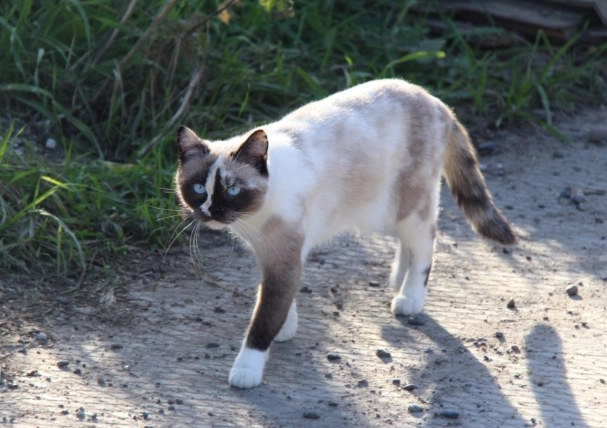
I almost lost my cat, Milo, to a plant I thought was harmless. It was a gorgeous, bushy Ficus benjamina, a staple in home decor magazines. One afternoon, I found him lethargic, drooling, with a few chewed leaves on the floor beside the pot. The panic was instant. That experience taught me what many cat owners don't realize: the common ficus is a wolf in sheep's clothing for our feline friends. It's not just "mildly irritating"—it can trigger a stressful and costly veterinary emergency. If you have a cat and any type of ficus (Weeping Fig, Rubber Plant, Fiddle-Leaf Fig), you need to read this. We'll cut through the generic advice and get into what actually happens, what you must do, and what you can safely grow instead.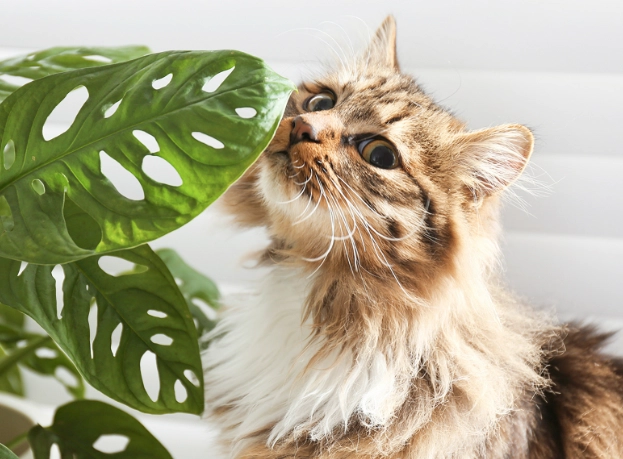
What's Inside: Your Quick Safety Guide
- What Makes Ficus Plants Toxic to Cats?
- Symptoms of Ficus Poisoning in Cats
- What Should I Do If My Cat Ate a Ficus Leaf?
- What Will the Vet Do? Understanding Treatment
- Safe & Stylish: Non-Toxic Plant Alternatives to Ficus
- Keeping Cats Away from Plants: Realistic Strategies
- Your Ficus & Cat Questions Answered
What Makes Ficus Plants Toxic to Cats?
The danger lies in the milky white sap, or latex, that oozes from any broken part of the plant—a stem, a leaf vein, a petiole. This sap contains proteolytic enzymes and ficin, but the primary irritants are insoluble calcium oxalate crystals.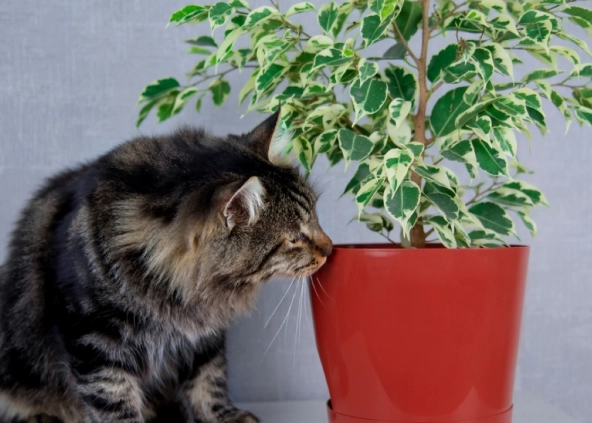
Here's how it works on a physical level: When your cat bites or chews the plant, microscopic, needle-sharp crystals are released. These crystals penetrate the soft tissues of the mouth, tongue, and throat, causing immediate mechanical injury and intense inflammation. It's like chewing on tiny shards of glass. The body's response is pain, swelling, and excessive drooling as it tries to wash the irritants away.
If swallowed, this irritated slurry can then upset the gastrointestinal tract, leading to vomiting, diarrhea, and abdominal discomfort. The toxicity is primarily mechanical and localized, which is why it's often classified as "mild to moderate." However, "mild" is a veterinary term; for you and your cat, it means a very bad day (or night) and a likely vet visit.
Symptoms of Ficus Poisoning in Cats
Symptoms can appear within minutes to a couple of hours after ingestion. The severity depends on how much plant material your cat consumed and their individual sensitivity. Let's break it down by what you might observe.
Mild Symptoms (What You'll Likely See First)
These are the most common signs and usually the first to appear:
- Oral Irritation: This is the hallmark. Your cat will paw at their mouth, rub their face on the floor, or smack their lips repeatedly.
- Excessive Drooling (Hypersalivation): The drool can be thick and stringy. You might see it dripping or matting the fur on their chin.
- Decreased Appetite: A sore mouth makes eating painful.
- Mild Vomiting: You may find vomit containing plant material.
Many owners stop here, thinking, "Oh, he just threw it up, he'll be fine." This is a mistake. The irritation has already occurred, and dehydration from drooling/vomiting can set in.
Severe Symptoms (When It's a Real Emergency)
If a significant amount is ingested, or if your cat is particularly sensitive, symptoms can escalate:
- Persistent Vomiting and Diarrhea: This leads to rapid dehydration and electrolyte imbalance.
- Lethargy and Weakness: Your cat may hide, refuse to move, or seem unusually tired.
- Swelling of the Mouth, Lips, or Tongue: In rare cases, swelling can become severe enough to cause breathing difficulties. This is a true emergency.
What Should I Do If My Cat Ate a Ficus Leaf?
Stay calm. Panic helps no one. Follow these steps in order:
- Remove Your Cat from the Plant: Prevent further ingestion. Move your cat to a safe, contained area.
- Identify the Plant: Take a picture or bring a leaf with you to the vet. Positive ID is crucial.
- Do NOT Induce Vomiting: Unless specifically instructed by a veterinarian or poison control expert. The caustic sap can cause more damage coming back up.
- Rinse the Mouth Gently: If your cat allows it, you can gently rinse their mouth with water or offer a small drink to help flush out some crystals. Don't force it if they're stressed.
- Call for Professional Help:
- Call Your Vet: Describe the plant and the symptoms you see. They will advise if you need to come in.
- Call a Pet Poison Hotline: In the US, the ASPCA Animal Poison Control Center (888-426-4435) or the Pet Poison Helpline (855-764-7661) are vital resources. (Note: A fee may apply, but it's worth it for expert guidance). They can create a case file your vet can access.
What Will the Vet Do? Understanding Treatment
Knowing what to expect can reduce your anxiety. Treatment is supportive, meaning the vet helps your cat's body cope while the irritant passes through.
- Physical Exam: They'll check your cat's mouth, hydration status, and vital signs.
- Oral Rinse/Pain Management: They may flush the mouth and provide pain relief or anti-inflammatory medication to soothe the irritation.
- Anti-Nausea Medication: Drugs like Cerenia (maropitant) can stop vomiting, making your cat feel much better and preventing dehydration.
- Fluid Therapy: This is common. Subcutaneous (under the skin) or intravenous (IV) fluids rehydrate your cat and support kidney function.
- Monitoring: For severe cases, your cat may need to stay for observation to ensure swelling doesn't impede breathing.
Prognosis is generally excellent with prompt treatment. The goal is managing the symptoms and preventing complications.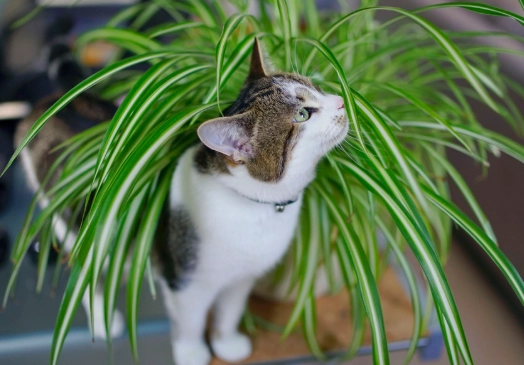
Safe & Stylish: Non-Toxic Plant Alternatives to Ficus
You don't have to live in a plant-less bunker. The ASPCA maintains a comprehensive list of toxic and non-toxic plants. Here are fantastic, cat-safe alternatives that give you the same aesthetic as popular ficuses.
| If You Like This Ficus... | Try This Safe Alternative Instead | Why It's a Great Swap |
|---|---|---|
| Weeping Fig (Ficus benjamina) Tree-like, small leaves |
Parlor Palm (Chamaedorea elegans) or Money Tree (Pachira aquatica) | Both offer lush, green foliage and a tree-like shape. Parlor Palms are notoriously hardy. Money Trees have a fun, braided trunk. |
| Rubber Plant (Ficus elastica) Large, glossy, dark leaves |
Cast Iron Plant (Aspidistra elatior) or Peacock Plant (Calathea makoyana) | Cast Iron Plants have broad, dark leaves and live up to their name—they're nearly indestructible. Peacock Plants offer stunning patterned foliage. |
| Fiddle-Leaf Fig (Ficus lyrata) Large, dramatic, violin-shaped leaves |
Banana Plant (Musa spp., dwarf varieties) or Rattlesnake Plant (Calathea lancifolia) | Dwarf Banana Plants give that huge, tropical leaf drama. Rattlesnake Plants have beautifully patterned, large leaves with a wavy edge. |
| Creeping Fig (Ficus pumila) Trailing or climbing vine |
Spider Plant (Chlorophytum comosum) or Swedish Ivy (Plectranthus verticillatus) | Spider Plants are classic, easy to grow, and produce "pups" you can share. Swedish Ivy is a fast-growing, forgiving trailer with pretty rounded leaves. |
Keeping Cats Away from Plants: Realistic Strategies
Cats are curious. Simply placing a plant "up high" often just creates a more exciting challenge. Combine strategies.
- Bitter Sprays: Products like Grannick's Bitter Apple Spray can be applied to leaves and pots. Test on one leaf first to ensure it doesn't damage the plant. Reapply regularly.
- Physical Barriers: Place decorative pebbles or pine cones on top of the soil to block digging. Use hanging planters for trailing plants, ensuring they're hung well away from launch pads (shelves, cat trees).
- Provide a Distraction: Grow a pot of cat grass (wheatgrass or oat grass). This gives them a sanctioned, safe plant to chew on, which may divert them from your decor.
- The Ultimate Solution: The most effective, stress-free method is to only bring verified non-toxic plants into your home. It eliminates the risk at the source.
I learned this the hard way. After Milo's scare, I gave the ficus to a friend without pets. My home is now filled with Calatheas, Palms, and Spider Plants. It's just as green, infinitely more peaceful, and Milo can bat at leaves without me having a heart attack.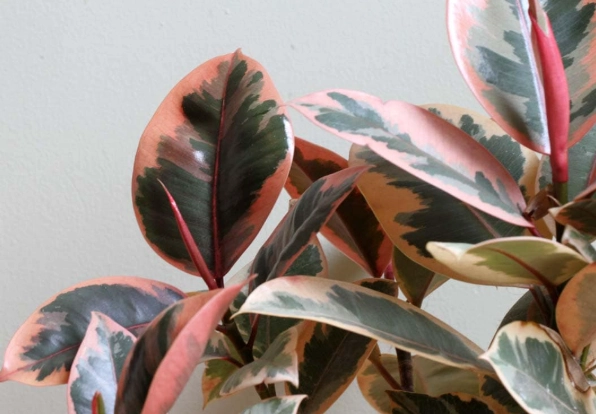
Your Ficus & Cat Questions Answered
My cat only nibbled one leaf. Should I still call the vet?
Always call your vet or a pet poison hotline. Even a small amount of ficus sap can cause mouth irritation and vomiting. The bigger risk isn't always the initial dose, but the potential for an allergic reaction or if your cat has underlying kidney issues. It's a low-cost call for peace of mind versus a high-cost emergency later.
How long after eating ficus will symptoms appear in cats?
Symptoms typically show up within a few hours, often sooner. You might see drooling or pawing at the mouth within minutes if the sap irritates their oral tissues. Gastrointestinal signs like vomiting or diarrhea usually follow within 2-6 hours. Monitor your cat closely for at least 24 hours, as lethargy can develop if they become dehydrated from vomiting.
Are all types of ficus plants equally toxic to cats?
Yes, all members of the Ficus genus contain the same irritating sap. This includes the very common Weeping Fig (Ficus benjamina), the Rubber Plant (Ficus elastica), the Fiddle-Leaf Fig (Ficus lyrata), and the Creeping Fig (Ficus pumila). The level of toxicity is considered mild to moderate, but the reaction can vary from cat to cat. Don't assume one type is safer than another.
What's the safest way to keep a ficus if I have a curious cat?
Honestly, the safest way is not to have one. If you're determined, it requires extreme measures: a tall, heavy, un-climbable plant stand in a room the cat never accesses, combined with bitter-tasting sprays on the leaves. Even then, a fallen leaf is a hazard. For most cat households, choosing a proven non-toxic alternative is far less stressful and eliminates the risk entirely.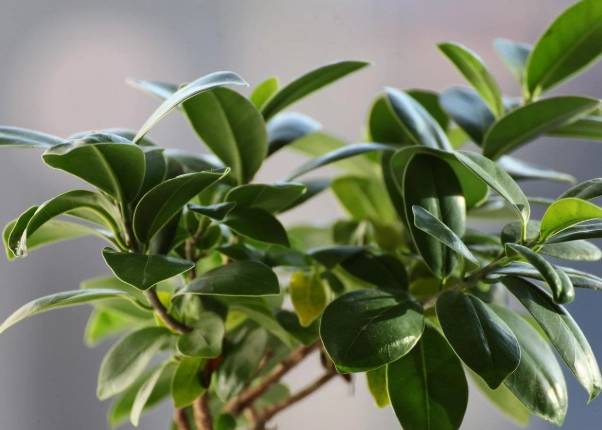
The bottom line is simple. Ficus plants and cats are a bad mix. The risk of seeing your pet in discomfort, coupled with an unexpected vet bill, just isn't worth the aesthetic. You have a world of beautiful, safe plants to choose from. Make the swap. Your cat's health—and your own peace of mind—will thank you for it.




Leave a comment