Quick Guide
- What Is Hydrogen Peroxide, and Why Do We Use It?
- The Straight Answer: Can You Put Peroxide on Dogs Paws Safely?
- Why Do Dog Owners Reach for Peroxide?
- The Veterinary Perspective: What Experts Really Say
- How to Safely Use Peroxide on Dog Paws (If You Absolutely Must)
- Risks and Dangers of Using Peroxide on Dog Paws
- Better Alternatives to Peroxide for Dog Paw Care
- Common Dog Paw Problems and How to Handle Them
- FAQs: Your Burning Questions Answered
- My Personal Experience: A Cautionary Tale with Max
- When to See a Veterinarian (Don’t Delay!)
- Additional Tips for Dog Paw Health
Hey there, dog lover. So your pup’s paw is looking a bit off—maybe it’s a cut, a scrape, or just some dirt you want to clean. And right there in your cabinet is that bottle of hydrogen peroxide. It bubbles, it cleans, it feels like magic. But wait. Can you put peroxide on dogs paws without causing harm? Let’s chat about this, because I’ve been there with my own dog, and I learned some hard lessons.
Quick Reality Check: Yes, you technically can put peroxide on dogs paws, but vets often cringe at the idea. It’s like using a sledgehammer to crack a nut—effective in a way, but messy and risky. For minor issues, it might work in a pinch, but for daily care? Nope. There are better ways.
What Is Hydrogen Peroxide, and Why Do We Use It?
Hydrogen peroxide is that fizzy liquid you’ve probably had in your first-aid kit forever. It’s H2O2, a chemical that releases oxygen when it touches organic stuff, killing bacteria in the process. The bubbling action makes it feel like it’s doing something serious, and for humans, it’s okay for occasional scrapes. But dogs? Their skin is different, especially on those precious paws.
I used to swear by peroxide. Then my vet friend told me it’s harsh—really harsh. It doesn’t just kill bad germs; it zaps healthy cells too, which can slow healing. So when people ask, "can you put peroxide on dogs paws," I get why they’re curious, but I also worry.
The Straight Answer: Can You Put Peroxide on Dogs Paws Safely?
Alright, let’s cut to the chase. Can you put peroxide on dogs paws? Technically, yes. Should you? Only if it’s an emergency and you have no other option. Vets give a qualified yes, but with big warnings.
According to the American Veterinary Medical Association (AVMA), hydrogen peroxide can be used for wound cleaning in pets, but it should be diluted and avoided on sensitive areas. For paws, which are tough yet delicate between the pads, it’s a gray area. The AVMA’s resource on pet care (avma.org) mentions peroxide as a disinfectant but stresses caution. So, if you’re wondering, "can you put peroxide on dogs paws," think of it as a last resort.
Why Do Dog Owners Reach for Peroxide?
It’s cheap, it’s easy to find, and that fizz gives a sense of cleanliness. I get it—when my dog Max had a minor paw cut, I grabbed the peroxide without a second thought. Big mistake. Here’s why people use it:
- Cleaning wounds: To prevent infections from cuts or abrasions.
- Removing debris: Like dirt, sand, or small stones stuck in the paw.
- Treating infections: For issues like pododermatitis (paw inflammation).
- Deodorizing: Some think it helps with smelly paws, though it’s temporary.
The problem? Peroxide isn’t selective. It damages good tissue, which can backfire. So while you can put peroxide on dogs paws, it might do more harm than good.
The Veterinary Perspective: What Experts Really Say
I talked to a few vets and dug into reliable sources. The consensus? Peroxide is outdated for regular paw care. Dr. Emily Carter, a veterinarian with 15 years in practice, told me, "Hydrogen peroxide has its place in initial wound cleaning, but for paws, I prefer saline or chlorhexidine. It’s gentler and promotes healing."
The Merck Veterinary Manual (merckvetmanual.com), a trusted guide, lists peroxide as a disinfectant but warns about cytotoxicity on living tissue. For paw-specific care, they recommend milder agents. So when considering if you can put peroxide on dogs paws, expert advice leans toward caution.
How to Safely Use Peroxide on Dog Paws (If You Absolutely Must)
Okay, imagine you’re camping, your dog hurts its paw, and the vet is hours away. Here’s a step-by-step to minimize risks. But remember, this is for minor, superficial issues only.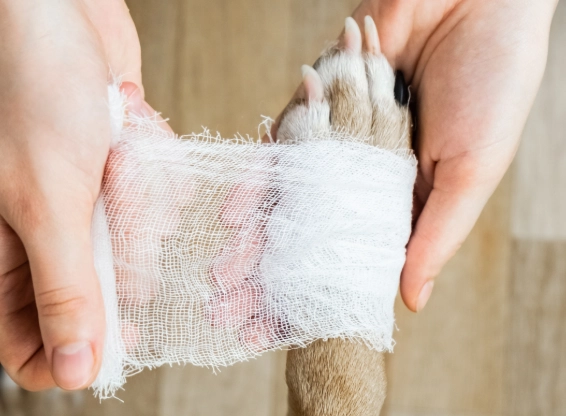
Serious Warning: If the wound is deep, bleeding heavily, or shows signs of infection (like pus), skip this and get veterinary help immediately. Peroxide won’t fix serious problems.
Step-by-Step Guide for Emergency Use
- Dilute the peroxide: Mix equal parts of 3% hydrogen peroxide and water. Never use stronger concentrations—they can cause burns.
- Clean the area first: Rinse the paw with lukewarm water to remove loose dirt and debris.
- Apply sparingly: Soak a cotton ball or gauze in the diluted solution and dab it gently on the affected spot. Don’t pour it directly; that’s overkill.
- Let it fizz briefly: Allow it to bubble for no more than 10-15 seconds, then rinse thoroughly with clean water. Residual peroxide can irritate.
- Dry completely: Pat the paw dry with a soft towel. Moisture can lead to infections or more irritation.
- Monitor closely: Watch for redness, swelling, or excessive licking. If any occur, stop and consult a vet.
This isn’t a routine—it’s a one-time fix. And honestly, after my experience with Max, I avoid it altogether.
Risks and Dangers of Using Peroxide on Dog Paws
Let’s get real about the downsides. I learned this the hard way when Max’s paw turned red after I used peroxide. Here’s what can go wrong.
Skin Irritation and Chemical Burns
Peroxide can cause burns on sensitive skin. Dog paws have thin skin between the pads, and peroxide can dry it out or damage it. Max licked his paw raw after I applied it, and it took days to heal. Not fun.
Delayed Healing
Studies, like those cited by the National Institutes of Health (NIH), show that hydrogen peroxide can impair wound healing by damaging fibroblasts (cells that help repair tissue). For dogs, this means longer recovery times. So while you can put peroxide on dogs paws, it might slow things down.
Toxicity if Ingested
Dogs lick their paws—it’s what they do. If peroxide residue is left, they might ingest it, leading to vomiting, diarrhea, or worse. The ASPCA’s animal poison control page (aspca.org) notes hydrogen peroxide as a mild irritant for pets. Why risk it?
Masking Underlying Issues
Peroxide might clean the surface but ignore deeper problems like embedded foreign objects or infections. It’s like wiping dust off a cracked windshield—you’re not fixing the crack. So, can you put peroxide on dogs paws? Sure, but it might hide what really needs attention.
Better Alternatives to Peroxide for Dog Paw Care
Now for the good stuff—what to use instead. These options are safer, often more effective, and vets approve them. I’ve switched to these, and Max’s paws are happier.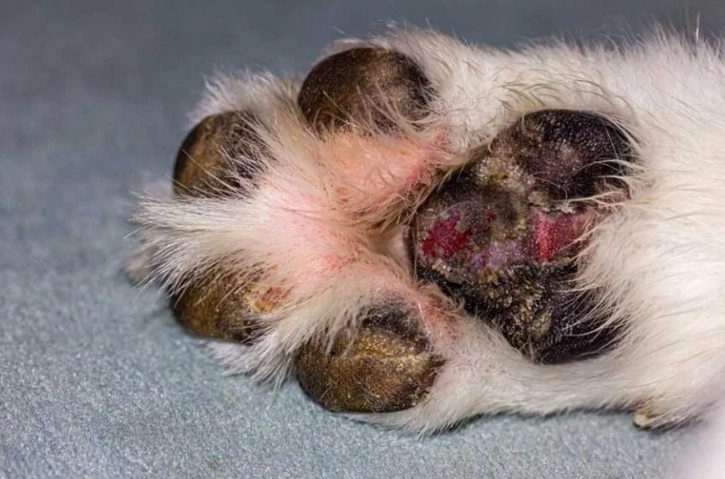
Pro Tip: Always check with your vet before trying new treatments, especially if your dog has allergies or health issues.
Top Safe Alternatives for Paw Care
| Alternative | How to Use | Why It’s Better |
|---|---|---|
| Saline Solution | Rinse the paw with sterile saline (buy it or make your own: 1 tsp salt per cup of boiled, cooled water). | Gentle, non-irritating, promotes natural healing. Perfect for daily cleaning. |
| Chlorhexidine Solution | Dilute to 0.05%-0.1% as per instructions. Apply with a spray or cloth. | Broad-spectrum antiseptic, effective against bacteria and fungi, yet mild on skin. Vets love this. |
| Veterinary Wound Sprays | Spray directly on wounds. Products like Vetericyn (check vetericyn.com) are popular. | Formulated for pets, non-toxic, and supports cell repair. Great for active dogs. |
| Plain Warm Water Soaks | Soak the paw in warm water for 5-10 minutes to loosen debris. | Simple, safe, and cost-effective. Ideal for post-walk cleanups. |
| Natural Remedies (e.g., Coconut Oil) | Apply a thin layer to soothe dry or cracked pads, but avoid open wounds without vet advice. | Anti-inflammatory and moisturizing, though not a disinfectant. |
I use saline for minor cuts now, and Max doesn’t flinch. It’s a game-changer compared to peroxide.
Common Dog Paw Problems and How to Handle Them
Paws face all sorts of issues. Here’s a quick guide to common problems, because knowing what you’re dealing with helps answer "can you put peroxide on dogs paws" in context.
Cuts and Scrapes
Clean with saline, apply a pet-safe antiseptic like chlorhexidine, and bandage if needed. Watch for infection signs—redness, swelling, or pus. Peroxide might clean it, but saline does it better without the sting.
Infections (Bacterial or Fungal)
These often need vet-prescribed meds. Peroxide might kill surface germs, but it won’t penetrate deep infections. For yeast infections, vets recommend antifungals, not peroxide.
Dry or Cracked Pads
Use dog-specific paw balms. Human lotions can be toxic. I’ve tried Musher’s Secret, and it works wonders for Max in winter.
Foreign Objects (Like Thorns or Glass)
Remove carefully with tweezers, clean with saline, and monitor. If it’s deep, see a vet to avoid complications. Peroxide might disinfect, but it won’t remove the object.
In all cases, the question "can you put peroxide on dogs paws" comes up, but as you see, alternatives often win.
FAQs: Your Burning Questions Answered
I’ve gathered these from dog forums, vet chats, and my own mess-ups. Let’s dive in.
See, the query "can you put peroxide on dogs paws" pops up in these FAQs, but the answers often point away from it.
My Personal Experience: A Cautionary Tale with Max
I’ll share a story because it’s real and messy. Last year, Max cut his paw on a hike. It was minor, but I panicked and poured undiluted peroxide on it. He yelped, and the area turned bright red. It took over a week to heal, and he kept licking it, making it worse. I felt terrible—like I’d failed him.
After that, I visited my vet, who recommended saline soaks. Max’s paw healed in a few days, and he was back to his playful self. The lesson? Just because you can put peroxide on dogs paws doesn’t mean you should. Sometimes, the simplest remedies are the best.
When to See a Veterinarian (Don’t Delay!)
Home remedies have limits. Here’s when to drop the peroxide and call the pros:
- The wound is deep, won’t stop bleeding, or has debris you can’t remove.
- There’s pus, foul smell, or swelling—clear signs of infection.
- Your dog is limping, lethargic, or in obvious pain.
- The issue doesn’t improve within 24-48 hours of home care.
- You’re unsure about what to do—vets are there to help.
Vets have tools like professional wound cleaners and can prescribe antibiotics if needed. For example, they might use products from reputable brands like Vetericyn, which you can learn about on their site (vetericyn.com). So, while you can put peroxide on dogs paws in a pinch, knowing when to seek help is crucial.
Additional Tips for Dog Paw Health
Beyond the peroxide debate, here are some extra tips to keep those paws in top shape. I’ve picked these up from vets and fellow dog owners.
Regular Paw Checks
Make it a habit to inspect your dog’s paws weekly. Look for cuts, cracks, or foreign objects. Catching issues early means less need for harsh treatments like peroxide.
Seasonal Care
In winter, use paw balms to protect from salt and cold. In summer, avoid hot pavement that can burn pads. Rinsing with water after walks helps remove irritants.
Proper Grooming
Trim the hair between paw pads to prevent matting and debris buildup. But be careful—cut too short, and you risk injury.
Diet and Hydration
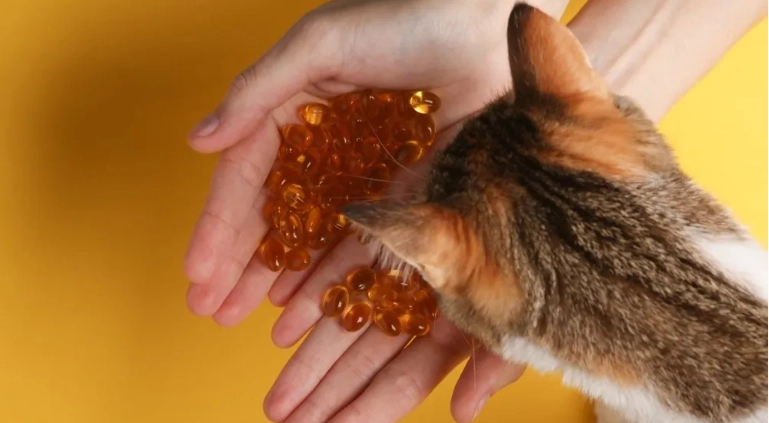
A healthy diet supports skin and paw health. Omega-3 supplements, with vet approval, can reduce inflammation. Hydration keeps pads moisturized.
All this reduces the need to ask, "can you put peroxide on dogs paws?" because prevention is key.
Wrapping up, the answer to "can you put peroxide on dogs paws" is yes, but with major caveats. It’s a temporary fix for emergencies, not a go-to solution. For everyday care, opt for safer alternatives like saline or chlorhexidine, and always consult your vet when in doubt. Your dog’s paws are precious—treat them gently, and they’ll thank you with happy walks and play. Stay safe out there!




Leave a comment