Let's talk about those extra little toes on your dog's legs—the dewclaws. You've probably noticed them, maybe even wondered about them. And if you're here, you're likely facing a decision, a recommendation from your vet, or just cleaning up after a nasty injury. Dewclaw removal is one of those topics that splits opinion right down the middle. Is it a necessary preventative measure or an outdated cosmetic practice?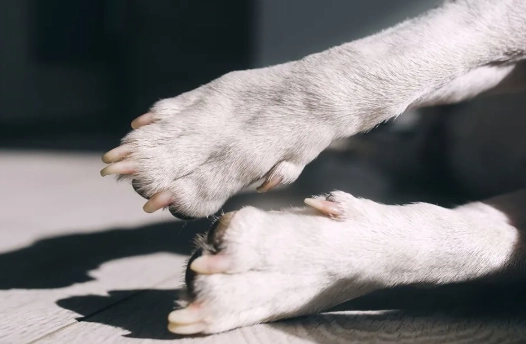
I've seen this from both sides of the exam table. I've held puppies during their first vet visit and discussed the option with breeders. More painfully, I've rushed a dog to the emergency clinic after he caught his dewclaw on a carpet loop, tearing it halfway off. The blood, the panic, the guilt—it's a scene no owner wants to repeat.
This guide isn't about pushing you one way or the other. It's about giving you the full picture, the kind of nuanced detail you'd get from a vet who's performed hundreds of these procedures and dealt with the aftermath, good and bad. We'll cut through the noise and look at the anatomy, the real reasons for removal, the surgery itself, and what recovery actually looks like day-by-day.
What's Inside This Guide
What Exactly Are Dewclaws?
Think of them as thumbs. Seriously. Dewclaws are essentially vestigial digits, located higher up on the leg than the main paw pads. Most dogs have them on their front legs; some have them on the rear, and a few breeds like the Great Pyrenees or Briard even have double dewclaws on the back legs.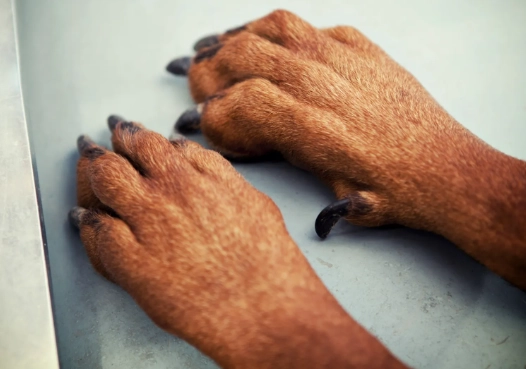
The key difference that dictates everything is how they're attached.
| Attachment Type | What It Means | Common In |
|---|---|---|
| Bone-Attached | The dewclaw has a proper connection to the leg bone via ligaments and a joint. It's functional, has muscle attachment, and can bear some weight. | Rear dewclaws of working/herding breeds (e.g., Pyrenees, Beaucerons). |
| Skin-Attached | The dewclaw is connected only by skin and soft tissue. It dangles loosely, has minimal muscle control, and is prone to catching and tearing. | Front dewclaws of many breeds, especially loosely attached ones in puppies. |
That loose, skin-only attachment is the root of most problems. It doesn't get worn down like the other nails, so it grows long, curved, and sharp. It can easily snag on blankets, carpet, underbrush, or even a dog's own collar during play.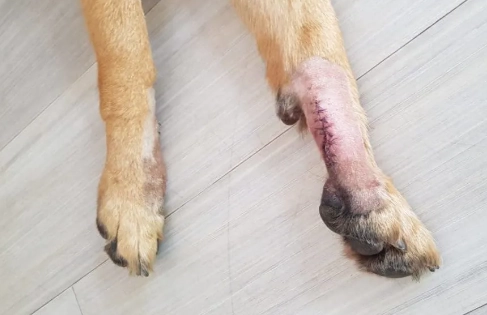
Is Dewclaw Removal Necessary?
This is where opinions get heated. Let's separate the medical facts from tradition.
The most common medical reason is trauma. A torn or fractured dewclaw is painful, bleeds a lot, and is prone to infection. If the ligament is badly damaged, repair isn't really an option—removal is the fix. Chronic, low-grade irritation or nail bed infections can also lead to a recommendation for removal.
Then there's preventive removal. This is often done on newborn puppies (2-5 days old) because the procedure is quick, the bones are soft, and they heal almost instantly. The logic is to remove a potential problem before it happens, especially in active or working dogs. Many breeders of hunting breeds or show dogs (where it's a breed standard for some) do this routinely.
But here's the expert nuance most blogs miss: Not all loose dewclaws are destined for disaster. I've known plenty of family pets with floppy front dewclaws that live full, active lives without a single issue. The secret? Meticulous nail trimming. If you keep that dewclaw nail short and blunt, you drastically reduce its ability to hook onto anything.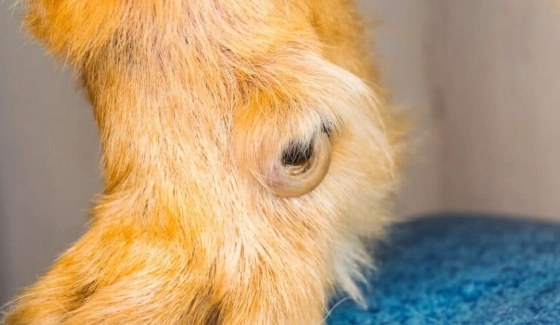
The blanket statement "all puppies should have them removed" is outdated. The decision should be individualized. For a future agility dog or a hunting companion who will blaze through thickets, preventive removal might be a smart choice. For a couch-loving Bulldog, it's probably an unnecessary procedure.
A Major Misconception: Dewclaw removal is NOT the same as declawing a cat. Declawing (onychectomy) is an amputation of the last bone of each toe. Dewclaw removal, when done properly, is the removal of a separate, often non-weight-bearing digit. The pain profile and functional impact are vastly different.
How is the Dewclaw Removal Procedure Performed?
This changes dramatically based on the dog's age.
Puppy Dewclaw Removal (2-5 Days Old)
No general anesthesia is used. The puppy is held securely, the area is cleaned, and a sterile surgical scissor or blade is used to quickly remove the digit. It's over in seconds. A bit of pressure stops the bleeding, and maybe a drop of surgical glue is applied. They often nurse right after and show no signs of pain. It's a breeder or vet procedure, not a major surgery at this stage.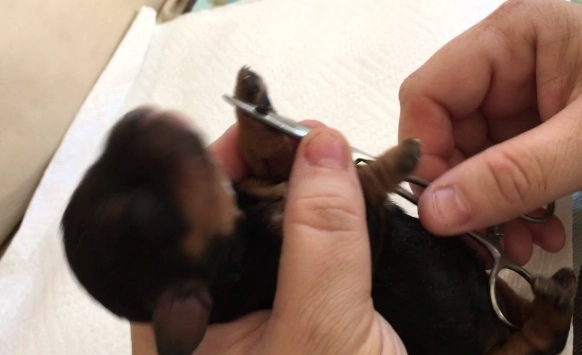
Dewclaw Removal in Juvenile or Adult Dogs
This is a full surgical procedure under general anesthesia. Here's the step-by-step breakdown most owners don't see:
- Anesthesia & Prep: Your dog is fully anesthetized. The leg is shaved and surgically scrubbed.
- The Incision: The vet makes an elliptical incision around the base of the dewclaw. The goal is to remove the entire toe, including the nail bed, to prevent any regrowth of a deformed nail stump.
- Ligament & Bone: This is the critical part. The vet must carefully dissect and cut the attaching ligaments. For a bone-attached dewclaw, a portion of the associated bone (like the metacarpal bone) may need to be removed with a bone cutter or laser to ensure a smooth contour.
- Closure: The muscle and subcutaneous tissue are sutured in layers to close the dead space and provide support. The skin is then closed with sutures or staples. A light bandage is applied.
The use of a surgical laser can be a game-changer here. It cauterizes small blood vessels and nerve endings as it cuts, leading to less bleeding, less post-op swelling, and potentially less pain. It's worth asking your vet if they offer it.
The Recovery Timeline: What to Expect Day by Day
Forget generic "rest and recover" advice. Let's get specific. This is for an adult dog surgery.
Day of Surgery: Your dog will be groggy. The bandage is crucial—it applies pressure and keeps the site clean. They'll likely sleep it off. Pain medication from the vet is essential. Don't skip it because they "seem fine."
Days 1-3: The bandage stays ON. No walks, no play. Leash-only for quick bathroom breaks. The biggest challenge? The Elizabethan collar (cone). Non-negotiable. Licking will cause infection and rip stitches out. I've had clients try "soft cones" or inflatable collars, only to find their dog's flexible neck could still reach the foot. A proper hard cone is annoying but foolproof.
Days 4-10: Your vet might want a recheck to change the bandage. Swelling should subside. Your dog will feel better and want to act normal. This is the danger zone. They'll try to run, jump, and play. You must enforce calm. Crate rest or confinement to a small room is your best friend.
Day 10-14: Stitch or staple removal. Once the skin is fully closed, the cone can usually come off. But healing isn't complete underneath. Gradually reintroduce activity over the next week.
A pro tip I give all my clients: Use a baby sock. After stitch removal, if the scar looks sensitive or your dog is bothering it, put a clean baby sock over the foot and secure it loosely with medical tape (not too tight!) up the leg. It protects the site from licking and dirt during the final phase of healing indoors.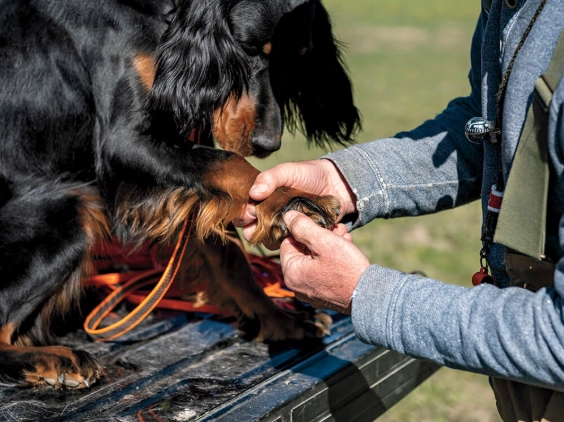
Costs, Ethics, and Making Your Decision
Cost is a real factor. For a puppy done at a few days old, a breeder might pay $20-$50 per litter. For an adult dog, with anesthesia, monitoring, surgery, and medications, you're looking at $300 to $800+. An emergency removal for a torn dewclaw will be on the higher end. Always get a detailed estimate.
The ethical debate is real. Organizations like the American Veterinary Medical Association (AVMA) state that elective removal of dewclaws, especially in older dogs, should not be performed without a clear medical or preventive justification related to the individual animal's health. The pendulum has swung towards preservation when possible.
So, how do you decide?
- For a new puppy: Ask your vet to assess the attachment. If it's very loose, discuss your lifestyle. Are you an avid hiker? Will the dog be in rough terrain? If yes, preventive removal might save future trauma. If not, commit to being diligent with nail trims.
- For an adult dog with a healthy dewclaw: Leave it be. Manage it through grooming.
- For an injured dewclaw: Follow your vet's recommendation. If it's a severe tear, removal is often the kindest, most definitive solution.
It comes down to informed, individualized choice—not fear or tradition. Your dog's specific anatomy and your shared life should guide you.
Your Dewclaw Questions, Answered
My dog's dewclaw got torn. Is removal the only option?
Not always. A simple, clean tear might be treated with antibiotics, pain relief, and bandaging. The vet will assess the damage to the ligaments and bone. If the attachment is severely compromised or the toe is repeatedly injured, removal often becomes the most practical and humane long-term solution to prevent future trauma and chronic pain.
How long does it take for a dog to recover from dewclaw removal surgery?
Most dogs bounce back from the anesthesia within a day. The real recovery is about the surgical site. You'll need to keep it clean, dry, and prevent licking for 10-14 days. Stitches or staples are usually removed around day 10-14. While they might be walking normally quickly, limit strenuous activity like running or jumping for about two weeks to allow proper internal healing and prevent the wound from reopening.
Is it cruel to remove dewclaws on an adult dog?
The ethics shift dramatically with age. Removing healthy, attached dewclaws on an adult dog is a major orthopedic procedure with a painful, lengthy recovery. It's rarely justified unless medically necessary due to injury or disease. The conversation should be about managing risk (keeping nails trimmed, monitoring for catches) versus imposing a significant surgery. For adult dogs, the default should be preservation, not removal.
What's the typical cost for dewclaw removal?
Costs vary wildly. For puppies done during spay/neuter, it might add $50-$150 to the total bill. For an adult dog needing separate anesthesia and surgery, expect $300-$800 or more, depending on complexity, location, and the vet's expertise. Emergency removal for a torn dewclaw will be on the higher end. Always get a detailed itemized estimate beforehand.

Leave a comment