Quick Navigation
Okay, let's talk about the elephant—or rather, the dog—in the room. You're chilling on the couch, friends are over, and suddenly your Lab, Buddy, decides your guest's leg is the perfect... well, you know. Cue the awkward laughter, the red faces, and that sinking feeling of "why is my dog doing this?" It's embarrassing, sure. But more than that, it's confusing. Is he just being a "bad" dog? Is it a dominance thing? A sex thing? What on earth triggers a dog to hump in the first place?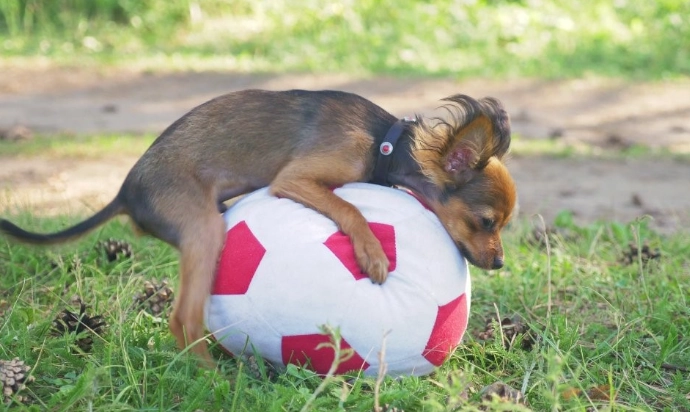
I've been there. My own dog, a goofy terrier mix, went through a phase where his favorite stuffed hedgehog was, let's say, his special friend. It was weird. But after talking to vets, trainers, and digging into the research, I realized how much we misunderstand this behavior. The truth is, asking "what triggers a dog to hump?" is like asking why a kid throws a tantrum. The answer is never simple, and it's rarely just one thing.
The Big Takeaway First: Mounting or humping is a normal canine behavior with a wide range of potential triggers. It's not inherently "bad," but it can become a problem behavior if it's excessive, directed at people, or caused by underlying stress. Your job isn't to shame your dog, but to play detective and figure out the why behind the action.
So, let's ditch the embarrassment and get into the nitty-gritty. We'll break down every possible trigger, from the obvious to the totally unexpected. I'll share what experts say, what actually worked for me and others, and how you can figure out which scenario fits your furry friend.
Beyond the Bedroom: It's Not (Just) About Sex
This is the biggest myth we need to bust. Yes, intact (un-neutered) males and females in heat will mount for sexual reasons. That's a primary driver. But here's the kicker—neutered males, spayed females, and even puppies do it too. If sex were the only trigger, that wouldn't happen. This tells us right away that the behavior serves other purposes in a dog's communication toolkit.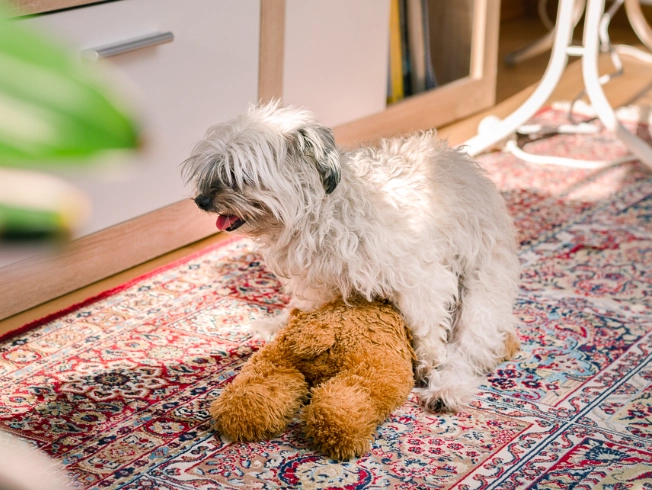
Think of it as a multi-purpose tool. Sometimes it's a screwdriver, sometimes it's a chisel. The action looks the same, but the intent behind it can be worlds apart. Understanding this is the first step to managing it.
The Top 5 Triggers: A Ranked Look at Why Dogs Hump
Based on prevalence and insights from behavioral experts, here are the most common reasons, roughly in order of how often they're the culprit behind non-sexual mounting.
| Rank | Trigger Category | Typual Scenario | Key Clues |
|---|---|---|---|
| #1 | Play & Over-Excitement | During a rowdy play session with another dog or a human, after you come home from work. | Loose, wiggly body; "play bows" before/after; it starts and stops with the play session. |
| #2 | Stress & Anxiety Relief | During a noisy party, when meeting new people, after being scolded. | Tense body, pinned ears, whale eye; it seems like a compulsive, frantic outlet. |
| #3 | Attention-Seeking (Even Negative) | You're on an important call or ignoring them. They hump, you react. | They make eye contact before doing it; any reaction from you (even yelling) reinforces it. |
| #4 | Medical Issues | Seemingly out of the blue, with no clear environmental trigger. | Sudden onset in an older dog; accompanied by licking the area, skin irritation, or urinary issues. |
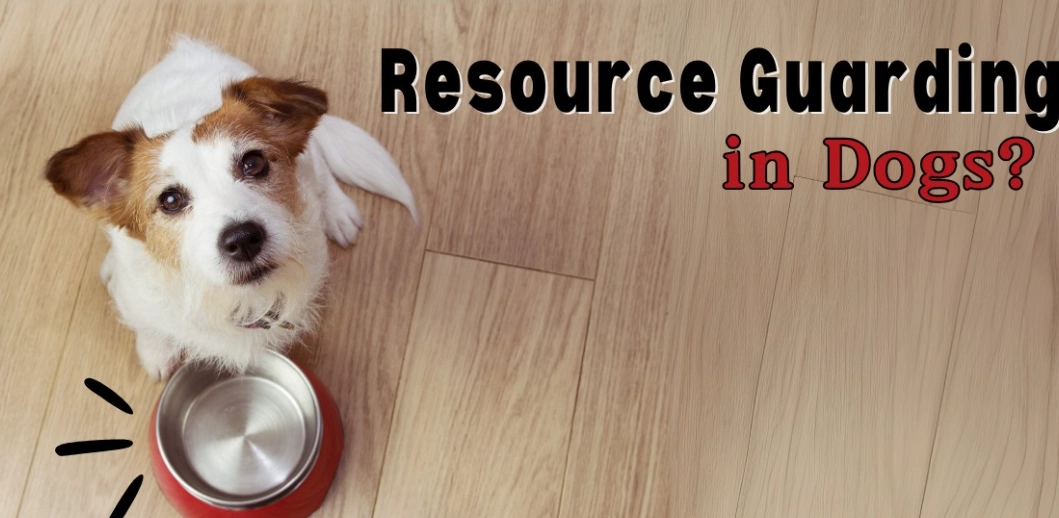
| #5 | Resource Guarding or Control | Mounting another dog over a toy, food bowl, or favorite spot. | Usually directed at another dog; involves guarding valuable resources; can escalate to aggression. |
See that? Sexual motivation isn't even on this top-five list for everyday problem humping. It's a specialized case. For most of us dealing with a humping dog at home, the trigger is likely one of these five. Let's unpack each one.
Digging Deeper: The Real-World Scenarios
When Play Gets Too Rowdy
This is probably the most common trigger I see. Dogs, especially young ones, can get so amped up during play that they literally don't know what to do with all that energy. Humping becomes a physical release valve. It's not aggressive or sexual; it's just... goofy overstimulation.
My terrier's hedgehog thing? Total over-excited play. He'd get the zoomies, grab his toy, and go to town. It was his way of saying, "I'M SO HAPPY AND HAVE SO MANY FEELINGS!"
What to look for: The dog's overall demeanor is happy and loose. The humping is often brief and interspersed with play bows, bouncy movements, and a relaxed face. If you interrupt it, the dog usually just switches to another playful behavior.
Pro Tip: For play-triggered humping, the best response is often a calm interruption and a redirect. A simple "oops, let's play with this instead" and offering a game of tug or fetch can help them channel that energy appropriately. It's about teaching an alternative, not punishing the excitement.
The Stress & Anxiety Connection (This is a Big One)
This one is crucial and often missed. For many dogs, humping is a displacement behavior or a self-soothing mechanism. When they're faced with a stressful situation they can't escape—like a crowded vet waiting room, a tense argument at home, or an unfamiliar guest—they may resort to a familiar, rhythmic action to comfort themselves. It's akin to a person biting their nails or twirling their hair.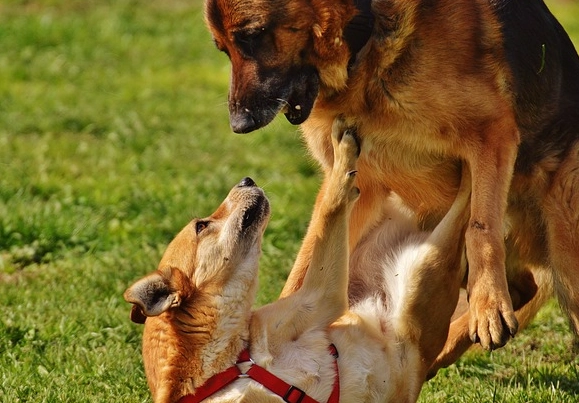
The behavior looks different here. It's often more frantic, compulsive, and the dog seems in their own world. Their body is stiff, their ears might be back, and they may ignore your calls. This is a clear signal that the trigger is internal anxiety, not external play.
I remember a friend's dog who would only hump when they had construction noises next door. It was pure stress relief. Punishing that would have been like yelling at someone for having a panic attack—completely counterproductive and cruel.
The Attention Game (Positive or Negative)
Dogs are masters of cause and effect. If a behavior gets a reaction, they'll remember it. For a bored or attention-starved dog, even a sharp "NO!" or being pushed off is a form of interaction. From the dog's perspective: "When I do this, my human talks to me and touches me. Success!"
This is why so many well-intentioned scoldings backfire. You think you're correcting the behavior, but you're actually reinforcing it by providing the attention they craved. The trigger here is your inattention, and the humping is the tool they use to fix it.
Don't Skip the Vet: Medical Triggers
Before you label it a behavioral problem, a vet check is non-negotiable. This is a core part of the EEAT (Experience, Expertise, Authoritativeness, Trustworthiness) approach—giving medically sound advice. Sudden or obsessive humping can be a sign of:
- Urinary Tract Infections (UTIs): The discomfort or constant urge can lead to licking and mounting.
- Skin Allergies or Irritation: Itching around the genitals or rear end.
- Hormonal Imbalances: Even in neutered/spayed dogs.
- Neurological Issues: In rare cases, compulsive behaviors can have a neurological component.
Organizations like the American Veterinary Medical Association (AVMA) always stress ruling out medical causes first for any sudden behavioral change. It's the responsible first step.
If your dog starts humping out of the blue, or if it's focused intensely on one specific spot on their own body, your first call should be to the vet, not a trainer.
So, What Actually Works to Stop It?
Knowing the trigger is 90% of the battle. The response is totally dependent on that "why." A one-size-fits-all solution doesn't exist, and anyone who sells you one is oversimplifying. Here's a trigger-based action plan.
For Play/Excitement Triggers:
- Interrupt & Redirect Calmly: Use a neutral cue like "Oops" or "All done." Then, immediately offer a more appropriate outlet for that energy—a chew toy, a training session for a sit, a game of fetch.
- Manage Play Sessions: Keep play sessions shorter and calmer. If you see arousal levels skyrocketing, call for a brief time-out with a calm petting or settling exercise before things escalate to humping.
- Teach an "Off-Switch": Practice cues like "settle" or "mat" during calm times so you can use them when excitement builds.
For Stress/Anxiety Triggers:
- Remove the Stressor, Don't Punish the Symptom: If your dog humps when guests arrive, put them in their safe space (crate, another room) with a great chew before the doorbell rings. Manage the environment.
- Build Confidence: Anxiety-based behaviors often improve with confidence-building games, nose work, and positive reinforcement training. It helps the dog feel more in control.
- Consider Professional Help: For severe anxiety, a certified veterinary behaviorist (you can find one via the American College of Veterinary Behaviorists) is your best bet. They can assess if medication, alongside a behavior modification plan, is needed.
Personal Opinion: I think the worst advice is to use dominance-based corrections like alpha rolls or kneeing the dog away for anxiety humping. It adds fear on top of anxiety, making the root problem worse. It's an outdated and harmful approach that most modern behaviorists reject.
For Attention-Seeking Triggers:
- The Ultimate Test: Zero Reaction. This is hard but effective. Stand up, calmly walk away, and completely ignore the dog for 30-60 seconds. No eye contact, no talking, no touch. This teaches that the behavior makes the fun stop and you disappear.
- Reward the Opposite: Lavishly praise and reward your dog when they are calm and settled, especially in situations where they'd normally seek attention. Be proactive with your attention.
Common Questions (And Straight Answers)
Is it a dominance thing?
The whole "dominance theory" in dog training has been widely debunked by behavior science. While mounting can be used in social negotiation between dogs (sometimes to assert control in a specific moment), applying the label of a "dominant dog" to a pet who humps pillows or legs is misleading. It's more about the context of that moment—excitement, resource value, anxiety—than some fixed personality trait of "dominance." The ASPCA has great resources explaining modern views on canine social behavior.
Should I let my dog hump toys or pillows?
It's a gray area. If it's a rare, private self-soothing thing that doesn't interfere with life, some trainers say to let it be. But if it's a frequent habit, it can become a rehearsed behavior that's harder to stop and may generalize to other objects (or legs). Personally, I redirect it. Why let them practice a behavior you don't want in the living room?
Will neutering/spaying stop it?
If the primary trigger is sexual and the dog is intact, yes, it will likely reduce or eliminate that motivation. However, if the dog has been humping for other reasons (play, stress) for a long time, it has become a learned habit. Surgery removes hormones, not habits. You'll likely still need behavior modification for non-sexual triggers.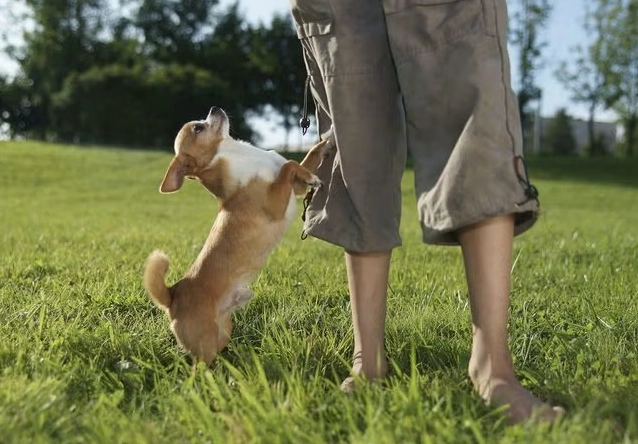
My dog only humps one specific person/other dog. Why?
That person or dog is likely the trigger! It could be that the person gets overly excited with the dog (play trigger), the dog is unsure of that person (anxiety trigger), or the other dog gives off subtle signals that trigger the behavior. You need to analyze the specific dynamics of that relationship.
Putting It All Together: Your Action Checklist
- Rule Out Medical: Vet visit first. Always.
- Play Detective: Keep a simple log. What happened right before? Who was there? What was the energy level? This will reveal the pattern.
- Match the Solution to the Trigger: Use the guide above. Excited play gets a redirect. Anxiety gets management and confidence-building. Attention-seeking gets ignored.
- Manage the Environment: Prevent rehearsals. Use baby gates, leashes, or crates to manage situations you know are triggering while you work on the long-term solution.
- Be Patient and Consistent: You're undoing a learned behavior. It takes time. Inconsistency (sometimes ignoring it, sometimes yelling) will confuse your dog and make it last longer.
Figuring out what triggers a dog to hump is the key to peace. It shifts the question from "How do I stop this?" to "What is my dog trying to tell me?" That's a much more productive—and compassionate—place to start from.
It took me a few weeks of consistent redirection and shorter play sessions to break my terrier's hedgehog habit. Now he just carries it around proudly. The behavior faded because I addressed the trigger (over-arousal) instead of just the symptom. Your journey might be different, but the process is the same: observe, identify, and respond with understanding. You've got this.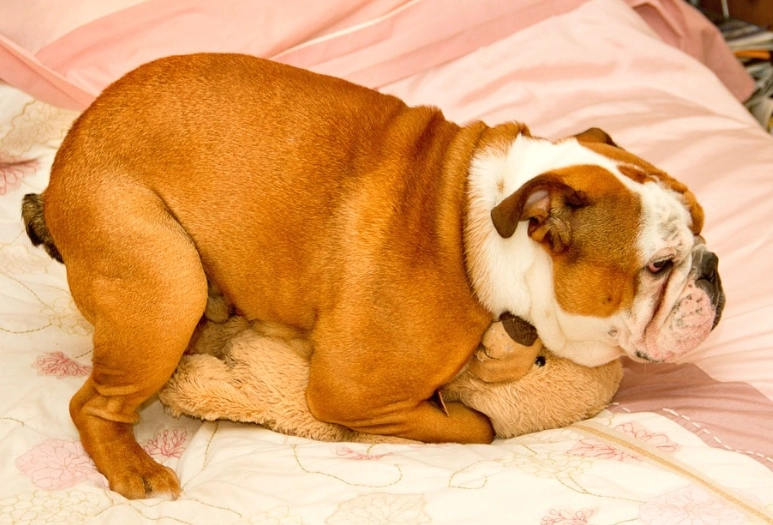
Leave a comment