Quick Navigation Guide
- What Makes a Treat “High Value”? (The Core Principles)
- Why Bother? The Real-World Benefits of High-Value Rewards
- The Ingredient Hall of Fame: What to Look For (and Avoid)
- Top Contenders: Categories of High-Value Dog Treats
- Choosing the Right High-Value Treat: A Decision Matrix
- The Practical Side: Using High-Value Treats Effectively & Safely
- Your High-Value Dog Treat Questions, Answered (FAQ)
I remember the first time I pulled out a piece of freeze-dried liver during a distracted puppy class. My dog's eyes, which had been glued to a squirrel outside the window, snapped to my hand like a magnet. Every other owner was waving around standard kibble or bland training biscuits. My pup? He nailed "leave it" with a distraction three feet away. That was the moment I truly understood the power of high value dog treats. It wasn't magic; it was just better bait.
If you're here, you've probably heard the term thrown around in training circles or seen it on fancy treat bags. Maybe your dog trainer mentioned them, or you're desperately searching for something—anything—that will get your dog to listen when it really counts. You're in the right place. This isn't just a list of products. It's a deep dive into the what, why, and how of high-value rewards. We'll cut through the marketing fluff and talk about what actually works, why it works, and how to use these powerful tools without turning your dog into a treat-obsessed couch potato.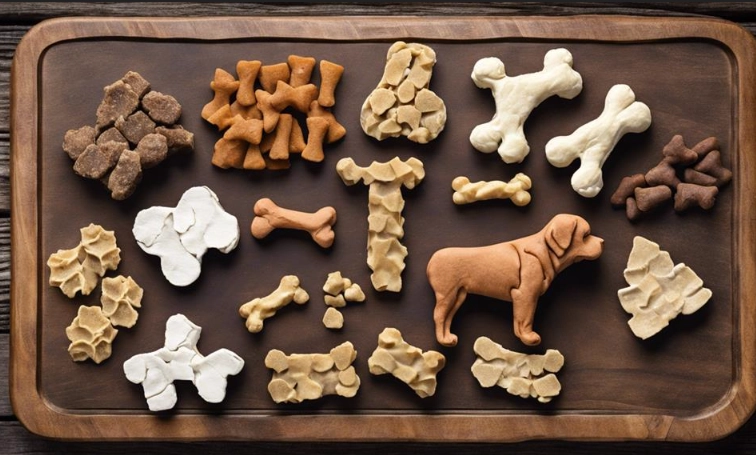
What Makes a Treat “High Value”? (The Core Principles)
Think of your dog's treat hierarchy like a pyramid. At the bottom, you have their everyday kibble—familiar, boring, baseline. In the middle, maybe some decent store-bought biscuits. At the very top, the pinnacle, sits the high value reward. Getting to that top tier isn't random. It's a mix of science and canine psychology.
Palatability (Taste & Smell)
Dogs experience the world through their noses first. A truly high-value dog treat is often smelly. I'm talking pungent, meaty, oily aromas that we humans might find a bit gross. Liver, fish, tripe—these are the big hitters. The stronger the scent, the faster it travels to your dog's brain and screams, "THIS IS WORTH WORKING FOR!" Taste follows closely. It needs to be intensely flavorful, often from real meat or organs, not just vague "animal digest" or flavor coatings.
Nutritional Profile
This is where many owners get tripped up. High-value doesn't mean nutritionally void. In fact, the best ones are often packed with protein and healthy fats. They're small but dense. Think of them as the canine equivalent of a rich piece of dark chocolate versus a bland rice cake. Your dog's body recognizes quality nutrients, which adds to the perceived value. A treat made with real chicken breast or salmon is inherently more compelling than one made with corn, wheat, and a bunch of unpronounceable binders.
Let's be honest, some of those brightly colored, oddly shaped commercial treats in the big bags? They're more filler than anything else. Your dog might eat them, but they won't crave them.
Texture and Size
High-value treats are almost always soft and smelly. Why? Because soft treats can be eaten quickly. This is crucial. During training, you want the reward consumed fast so your dog's attention snaps back to you for the next command. A crunchy biscuit that takes 30 seconds to chew is a distraction. The ideal high value training treat is pea-sized (or smaller for small dogs) and can be swallowed in one gulp.
Novelty & Exclusivity
This is the secret weapon. If your dog gets chicken every day in their bowl, a piece of boiled chicken might not be super high-value. But if you suddenly pull out a piece of dried sardine or a bit of cheese (for dogs who tolerate it), you've got their undivided attention. The "treat rotation" is a real strategy. Don't let your dog get bored of their high-value options. Keep a couple in reserve for when you really need them.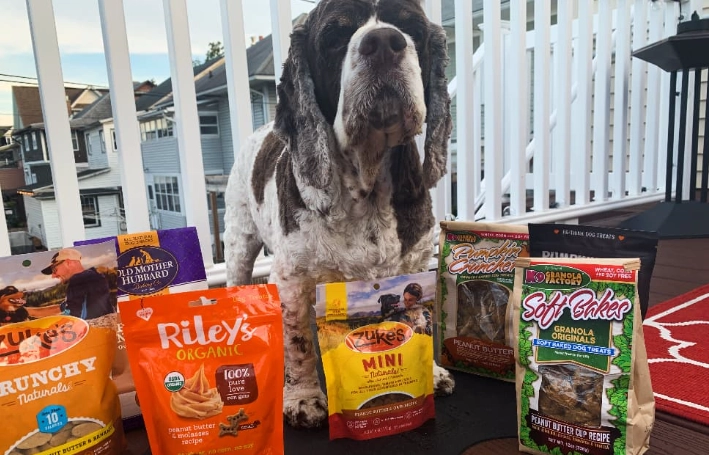
Why Bother? The Real-World Benefits of High-Value Rewards
You could just use your dog's kibble for everything, right? Sure, for easy stuff inside your quiet living room. But life with a dog isn't always quiet or easy. Here’s where high value treats earn their keep.
For Critical Training: Recall (coming when called), especially around distractions like other dogs, squirrels, or children, is a life-saving skill. A standard biscuit won't cut it when the alternative is chasing a rabbit. A piece of freeze-dried liver or a bit of hot dog might. Same goes for serious behavioral work like counter-conditioning for fear or aggression. You need a reward so good it can compete with and eventually outweigh the scary thing.
For the “Stubborn” or Distracted Dog: Labeling a dog as stubborn is often unfair. They're just not motivated enough by what you're offering. I've seen dogs labeled "untrainable" suddenly become star pupils when the right high-value dog treat was introduced. It's not about defying you; it's about making the choice to obey you the most appealing choice available.
For Building a Stronger Bond: When you become the source of these amazing, coveted rewards, your value in your dog's eyes skyrockets. You're not just the person who fills the food bowl; you're the fun, generous, unpredictable source of great things. This builds engagement and willingness to work with you.
For Picky Eaters (as a food topper): Sometimes, you just need to get a finicky dog to eat. Crumbling a high-value treat over their regular food can work wonders. It's like putting gravy on mashed potatoes.
The Ingredient Hall of Fame: What to Look For (and Avoid)
Scanning a pet food label can be confusing. Here’s a straightforward breakdown of what separates a genuine high-value treat from a pretender.
| Look FOR These (The Good Stuff) | AVOID These (The Fillers & Fluff) |
|---|---|
| Named Animal Protein as FIRST Ingredient: Chicken, Beef, Salmon, Lamb, Duck. The more specific, the better (e.g., "Chicken Liver" vs "Meat"). | Vague Meat Terms: "Meat Meal", "Animal Digest", "Poultry By-Products". These are low-quality and undefined. |
| Single-Ingredient Treats: Freeze-dried chicken breast, dehydrated sweet potato, dried fish skins. Nothing added, nothing taken away. Pure and simple. | Artificial Colors, Flavors, & Preservatives (BHA, BHT, etc.): Completely unnecessary. Dogs don't care if their treat is red or green. |
| Healthy Fats: Ingredients like salmon oil or chicken fat. Fat carries flavor and is a great energy source. | Excessive Carbohydrates & Sugars: Corn, wheat, soy, molasses, sucrose. These are cheap fillers that offer little nutritional value and can spike blood sugar. |
| Natural Preservatives: Mixed Tocopherols (Vitamin E), Rosemary Extract. These are safe and effective. | Propylene Glycol, Carrageenan, unnamed "Gums": These are additives and thickeners with questionable benefits for dogs. |
The gold standard? Treats that you can recognize as food. If you look at it and think, "Yep, that's a piece of meat or a vegetable," you're on the right track. The Association of American Feed Control Officials (AAFCO) sets nutritional standards for pet food, but treats are often a regulatory gray area. That's why ingredient scrutiny is on you, the owner. You can learn more about pet food labeling from the AAFCO website.
Top Contenders: Categories of High-Value Dog Treats
Not all high-value treats are created equal, and different situations call for different tools. Here’s a breakdown of the major players, from my personal experience and consensus among trainers.
The Gold Standard: Freeze-Dried & Dehydrated
This is my personal go-to category for reliability. Freeze-drying removes moisture while locking in nutrients and, crucially, smell. A bag of freeze-dried liver is a potent weapon.
- Pros: Extremely smelly, high in protein, often single-ingredient, easy to break into small pieces, shelf-stable.
- Cons: Can be pricey, some brands are crumbly.
- Best For: High-distraction outdoor training, critical recalls, foundational obedience with a distracted dog.
- Examples: Freeze-dried chicken hearts, beef liver, salmon chunks.
The Pure & Simple: Single-Ingredient Treats
These are exactly what they sound like: one ingredient. They eliminate any guesswork about what you're feeding.
- Pros: Minimal processing, no hidden ingredients, great for dogs with food sensitivities.
- Cons: Can be chewy or hard, not as smelly as freeze-dried options.
- Best For: Dogs with sensitive stomachs, as a lower-tier high-value reward, or mixed with other treats.
- Examples: Dried sweet potato strips, dried beef lung, dehydrated fish skins.
The Old-School Powerhouse: Real Meat & Organs
You can make these yourself, which is a huge plus for controlling quality.
- Pros: The ultimate in palatability, you control the quality, very cost-effective if you buy in bulk.
- Cons: Perishable, messy to handle (especially in a training pouch), preparation time.
- Best For: The most challenging training scenarios, building immense value quickly.
- Examples: Boiled chicken breast (shredded), baked salmon flakes, lightly cooked beef liver (in tiny amounts!).
The Commercial Soft Treats (The Good Ones)
Some brands have figured it out. They make small, soft, stinky treats specifically for training.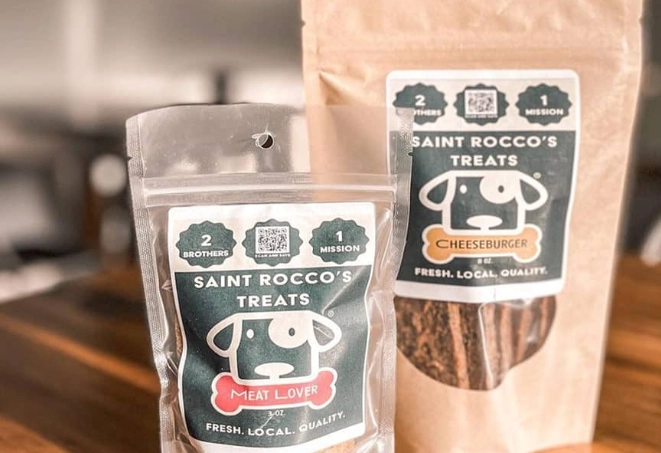
- Pros: Convenient, pre-portioned, less messy than real meat.
- Cons: You must read labels carefully—many are full of junk. They can be expensive for what you get.
- Best For: General training classes, everyday reinforcement where you need lots of repetitions.
Choosing the Right High-Value Treat: A Decision Matrix
It can feel overwhelming. This table should help you match the treat to the task and your dog.
| Your Goal / Situation | Recommended Treat Type | Why It Works | Portion Size Guide |
|---|---|---|---|
| Basic Obedience at Home (Sit, Down, Stay in a low-distraction environment) | Higher-quality kibble, small soft commercial treats, or low-fat cheese bits. | Doesn't require the "big guns." Saves the ultra-high value for harder tasks. | Pea-sized or smaller. |
| Advanced Training & High-Distraction Environments (Recall at the dog park, "leave it" with a squirrel) | Freeze-dried liver/heart, real meat (chicken, hot dog*), stinky fish. | Smell and taste cut through major distractions. Creates a strong "What's in it for me?" motivation. | Pea-sized. The value is in the taste, not the volume. |
| Health-Conscious or Sensitive Stomach | Single-ingredient dehydrated treats (sweet potato, lung), freeze-dried single protein. | Minimizes risk of upset stomach from rich/fatty treats or additives. | Start with tiny pieces to test tolerance. |
| The Extremely Picky Eater | Novel proteins (duck, rabbit, lamb), real meat toppers, anchovy paste (tiny dab). | Uses novelty to spark interest. Something they never get in their regular diet. | Very small taste to start—don't overwhelm. |
*A note on hot dogs and cheese: These are classic high-value treats for a reason—they're salty, fatty, and delicious. But use them sparingly. They're not healthy. I might use a single slice of hot dog, diced into 50 tiny pieces, for one critical training session and then not again for weeks.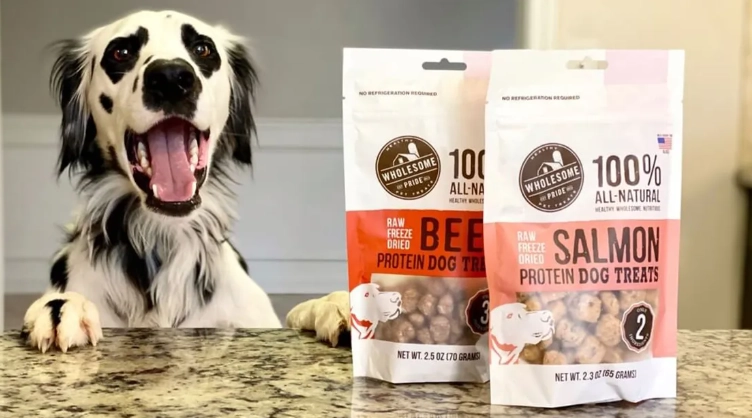
The Practical Side: Using High-Value Treats Effectively & Safely
Having the right treat is only half the battle. How you use it matters just as much.
Portion Control is Non-Negotiable
This is the biggest mistake I see. People give a treat the size of their thumb and wonder why their dog is gaining weight. For high value dog treats, tiny is mighty. A piece the size of a lentil or a pea is enough for most dogs to get the taste and the reward message. If you're doing a lot of repetitions, break your treats up beforehand. The American Veterinary Medical Association (AVMA) has great resources on pet health and nutrition, including weight management, which is crucial when using treats.
Storage Matters
Keep your high-value treats sealed and separate. I use small, airtight containers. You want to preserve that smell and freshness. If you're using real meat, keep it in a cooler bag during training sessions.
The “Jackpot” Reward
This is a pro move. When your dog does something exceptionally well (a perfect recall away from a playing dog), give a "jackpot"—a rapid-fire series of 3-5 tiny high-value treats, one after the other, with lots of praise. This massively reinforces the behavior and teaches them that listening to you in tough situations pays off BIG.
Phasing Them Out (Sometimes)
For life-saving behaviors like a solid recall, you may always reward with a high-value treat. For other behaviors, once they're solid, you can start to randomize the reward—sometimes a high-value treat, sometimes a lower-value one, sometimes just praise. This actually makes the behavior more resilient.
Your High-Value Dog Treat Questions, Answered (FAQ)
Are high-value treats bad for my dog's diet?
Not if used correctly. They should make up no more than 10% of your dog's total daily caloric intake. The key is to adjust their regular meals accordingly. If you have a big training day, give them slightly less dinner.
Can I use human food as high-value treats?
Yes, but you must know what's safe. Great options: plain cooked chicken, turkey, beef, salmon, blueberries, banana (tiny bits), plain cooked sweet potato. Dangerous foods: chocolate, grapes/raisins, onions, garlic, xylitol (common in sugar-free products). The ASPCA Animal Poison Control Center is an authoritative resource for a full list of toxic foods.
My dog has allergies. What are good hypoallergenic high-value treats?
Novel protein single-ingredient treats are your best friend. If your dog is allergic to chicken and beef, try freeze-dried duck, rabbit, or kangaroo. Dehydrated white fish or sardines can also be great. Always introduce any new treat slowly.
How do I know if a treat is truly “high value” for MY dog?
Do a simple test. Offer your dog a choice between their regular kibble and the new treat. If they consistently and immediately choose the new treat, you have a winner. If they hesitate or go for the kibble, it's not high-value enough for serious work.
Won't using these treats make my dog only listen when I have food?
This is a common fear, but it's backwards. You use the high-value treats to teach and proof the behavior under distraction. Once the behavior is solid and reliable, you can start to fade the food reward to a variable schedule (rewarding randomly) and incorporate other rewards like play, praise, or life rewards (e.g., sitting politely opens the door to go for a walk). The food builds the initial strong connection.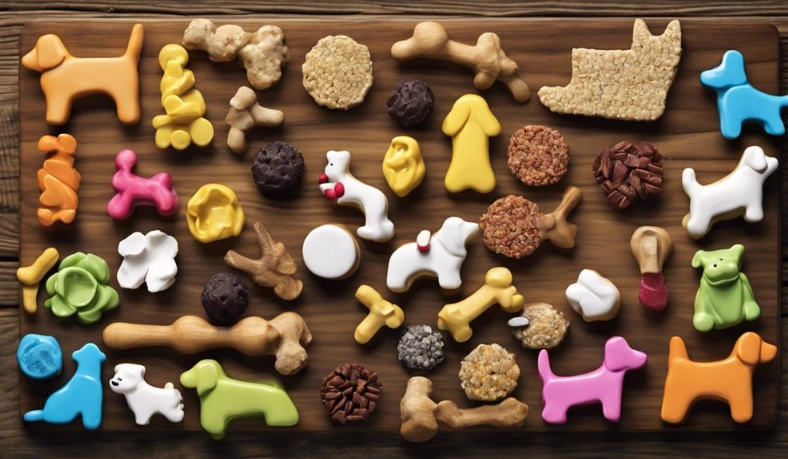
Finding the right high value dog treat is a game-changer. It turns training from a chore into a conversation. It builds focus, solves problems, and deepens your bond. It’s not about bribing your dog; it’s about communicating clearly in a language they understand: the language of motivation. Start by picking one or two options from the categories above, keep them special, use them tiny, and watch your dog’s willingness to work with you transform. You might just find that the best high-value rewards aren't just for your dog—they're for the both of you, leading to a happier, more harmonious life together.


Leave a comment