You want a beautiful garden, but you also have a curious dog who thinks every new plant is a snack. I get it. My Labrador, Finn, once dug up and proudly presented me with a daffodil bulb, sending us straight to the emergency vet. That scare changed everything for me. It's not just about knowing a few safe names; it's about understanding the why and the how to create a space that's truly safe. Let's cut through the confusion and build a garden you don't have to patrol like a security guard.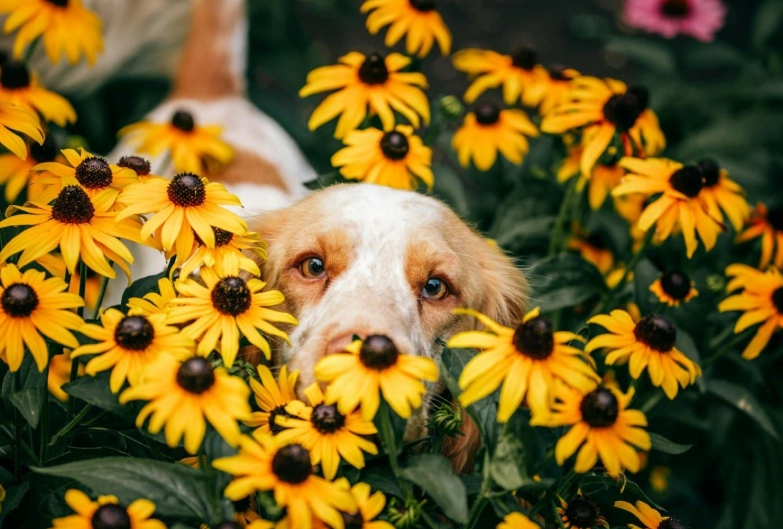
What's Inside This Guide
Why Are Some Plants Dangerous for Dogs?
Plants produce chemicals for defense. To us, they're just pretty flowers. To a dog's different metabolism, they can be irritants, organ toxins, or neurological disruptors. The ASPCA Animal Poison Control Center notes that plant ingestion is a top reason for calls. The danger isn't always obvious. Lilies, for example, cause kidney failure in cats, but some are less severe for dogs—yet all parts of the Easter Lily are highly toxic. It's this nuance that trips people up.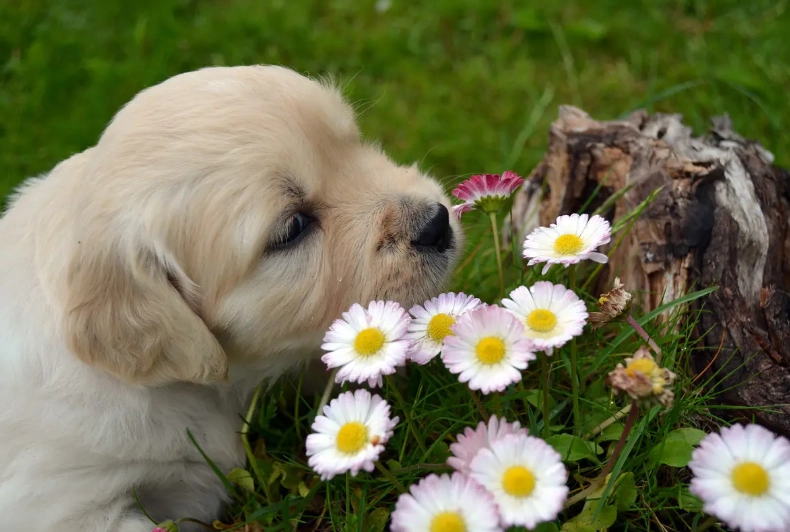
One mistake I see all the time? People assume "natural" means safe. Foxglove is natural. It's also digitalis, a powerful heart medicine (and poison). Another oversight is focusing only on the flower. Often, the bulb (tulips, hyacinths) or the seed pod (castor bean) is the most potent part.
The Go-To List of Safe Flowers for Dogs
This list is your starting point. It's compiled from resources like the ASPCA's toxic and non-toxic plant database and my own experience. "Non-toxic" generally means ingestion is unlikely to cause more than mild stomach upset. But remember, any plant material in large quantities can cause a blockage or upset.
| Flower Name | Key Features & Growing Tips | Good For |
|---|---|---|
| Roses (Rosa spp.) | Thorns are the main hazard. Choose modern shrub or landscape roses with fewer thorns. Deadhead spent blooms to prevent rose hip ingestion, which can cause mild stomach issues. | Borders, climbing walls, cutting gardens. |
| Sunflowers (Helianthus annuus) | Fast-growing and fun. The seeds are actually safe and nutritious for birds. Just watch the heavy heads; a falling sunflower can startle a napping dog! | Back of borders, sunny spots, kid-and-dog friendly projects. |
| Snapdragons (Antirrhinum majus) | Cool-season annuals with fun, "snapping" blooms. They have no significant toxicity. They prefer cooler weather, so plant in spring or fall. | Container gardens, front of borders, adding height and color. |
| Zinnias | Absolute champions of the summer garden. Easy from seed, bloom non-stop, and completely safe. They come in every color but blue. My Finn has brushed past them for years with zero interest in eating them. | Cutting gardens, pollinator patches, filling gaps with bright color. |
| African Violets (Saintpaulia) | A perfect, safe choice for indoor color. They like bright, indirect light and consistent moisture. Keep them on a high shelf if your dog is a notorious counter-surfer. | Indoor windowsills, bright bathrooms, office desks. |
| Orchids (Phalaenopsis, Cattleya) | Surprisingly dog-safe. The exotic look causes worry, but common moth orchids (Phalaenopsis) are non-toxic. The main risk is the potting medium (bark/moss) if dug up and eaten. | Indoor elegance, hanging displays. |
A few more reliable, safe additions: Asters, Camellias, Impatiens, and Petunias. For herbs, Basil, Rosemary, and Thyme are great, dog-safe choices that add fragrance and utility.
Pro Tip from a Seasoned Gardener: "Safe" doesn't mean "ignorable." A dog that gorges on a bed of zinnias may still get an upset stomach from the fiber overload. Supervision is always the first line of defense, especially with puppies or curious chewers.
Common Garden Plants That Are Toxic to Dogs
This list isn't to scare you, but to inform you. Many of these are common in nurseries and landscapes. Knowing them lets you make smart choices.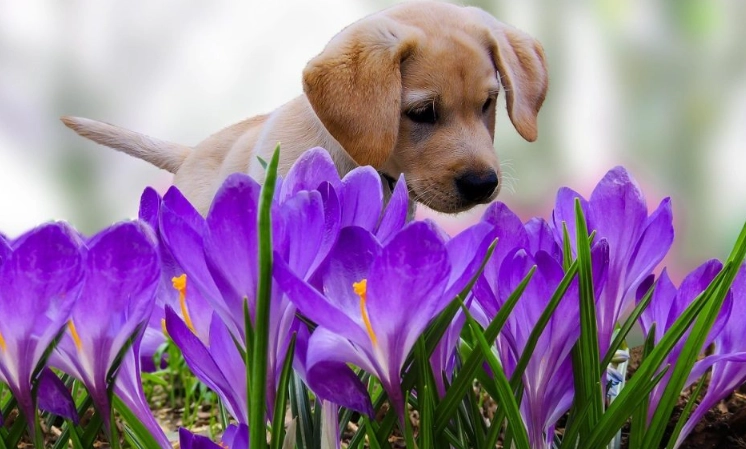
Highly Toxic (Can Cause Serious Illness or Death)
- Lilies (Lilium, Hemerocallis): True Lilies (like Easter, Tiger, Asiatic) are extremely dangerous, especially to cats, but can cause severe gastrointestinal issues in dogs. Daylilies (Hemerocallis) are less toxic but can still cause upset. Best avoided entirely.
- Sago Palm (Cycas revoluta): Every part is poisonous, but the seeds (nuts) are the worst. Ingestion often leads to severe liver failure and is frequently fatal. It's an outdoor and popular houseplant—steer clear.
- Oleander (Nerium oleander): A single leaf can be fatal. It contains cardiac glycosides. Even the water in a vase holding oleander clippings becomes toxic.
- Autumn Crocus (Colchicum autumnale): Not to be confused with the spring crocus (which causes mild upset). This one contains colchicine, causing severe vomiting, organ damage, and bone marrow suppression.
- Azaleas/Rhododendrons (Rhododendron spp.): Ingestion of even a few leaves can cause vomiting, diarrhea, drooling, and potentially coma or death in severe cases.
Moderately Toxic (Causes Significant Discomfort, Requires Vet Attention)
- Daffodils/Narcissus: The bulb is the most toxic part, causing severe vomiting, diarrhea, and even cardiac or respiratory issues. My dog Finn's encounter was with a bulb.
- Tulips & Hyacinths: Again, the bulb is the main concern, containing allergenic lactones. Ingestion leads to intense gastrointestinal irritation, drooling, and loss of appetite.
- Lily of the Valley (Convallaria majalis): Contains cardiac glycosides like oleander, but typically in smaller amounts. Still causes vomiting, diarrhea, and heart rhythm problems.
- Foxglove (Digitalis purpurea): The source of the heart medicine digitalis. Ingestion affects the heart directly and is very dangerous.
If you suspect your dog has eaten a toxic plant: Don't wait. Don't try to induce vomiting unless instructed by a professional. Immediately call your vet or the ASPCA Animal Poison Control Center (888-426-4435) or the Pet Poison Helpline (855-764-7661). Have the plant's name ready, if you know it.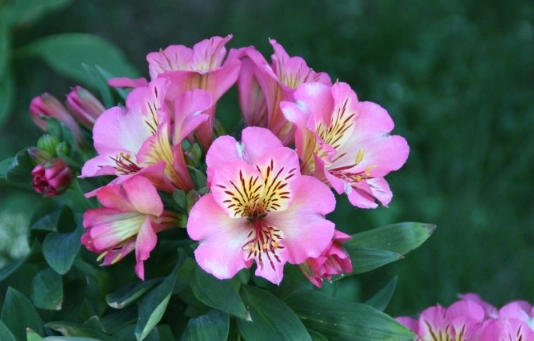
How to Create a Dog-Safe Garden: A 4-Step Plan
It's more than just picking safe plants. It's about design and management.
1. Audit and Redesign Your Space
Walk your garden with your dog's nose in mind. Identify existing toxic plants. Can you remove them? If it's a cherished, established shrub like a rhododendron, can you fence it off with decorative, low garden fencing? Create dedicated dog paths with mulch or sturdy ground cover to discourage digging in flower beds.
2. Choose and Plant Strategically
Stick to the safe list, especially in areas your dog can access freely. Consider raised beds—they're not just for veggies. A 2-foot-high raised bed is a clear visual and physical barrier for most dogs. For ground cover in dog zones, think about robust, non-toxic options like Irish Moss (Sagina subulata) or Elfin Thyme (Thymus serpyllum).
3. Train and Supervise
Teach a solid "leave it" command. It's invaluable. When introducing new plants, supervise initial interactions. Redirect chewing to appropriate toys. Provide a designated digging pit—a sandbox—if your dog loves to dig. Give them an approved outlet.
4. Maintain Vigilance
Regularly check your garden for fallen leaves, seed pods, or mushrooms (which are fungi, not plants, but highly dangerous). Be mindful of fertilizers and pesticides. Always use pet-safe products and follow label instructions for keeping pets off treated areas.
I made my garden a shared project. Finn has his sunny patio spot with a hardy sedum ground cover he can nap on, and I have my raised bed of zinnias and sunflowers. We both win.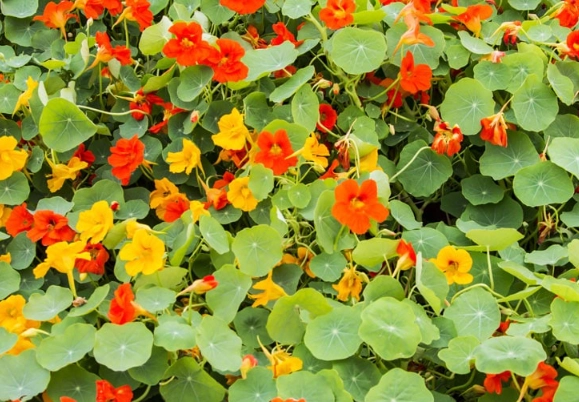
Your Dog & Garden Safety Questions Answered
My dog just ate a few petals from a flower I'm not sure about. What should I do first?
First, try to identify the plant. Take a clear photo with your phone. Then, immediately call your veterinarian or a pet poison helpline. Don't rely on "wait and see." Tell them the dog's breed, weight, what part of the plant was eaten, and how much. Having the photo ready can speed up identification dramatically.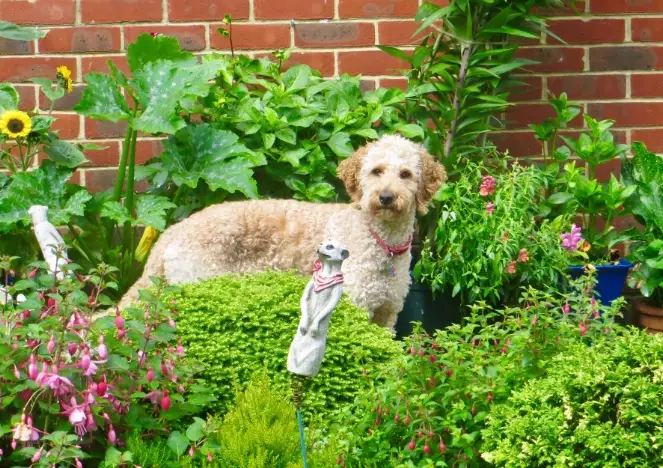
Are there any "safe" flowers that can still cause problems in specific situations?
Yes, and this is a subtle point many miss. Roses are non-toxic, but the thorns can cause physical injury to paws, mouths, or eyes. Also, any flower treated with systemic pesticides (those taken up by the plant's roots) becomes temporarily hazardous. Always ask your nursery if plants have been treated with neonicotinoids or other long-lasting systemic chemicals before planting them in a dog-accessible area.
I live in an apartment. What are the safest indoor flowering plants I can get?
Stick with the classics: African Violets, most Orchids (Phalaenopsis), and Christmas Cactus (Schlumbergera) are excellent, safe choices. For foliage, Spider Plants, Boston Ferns, and Parlor Palms are great. A common mistake is bringing home a beautiful Kalanchoe or a Jade Plant—both are toxic to dogs. Always double-check before you buy.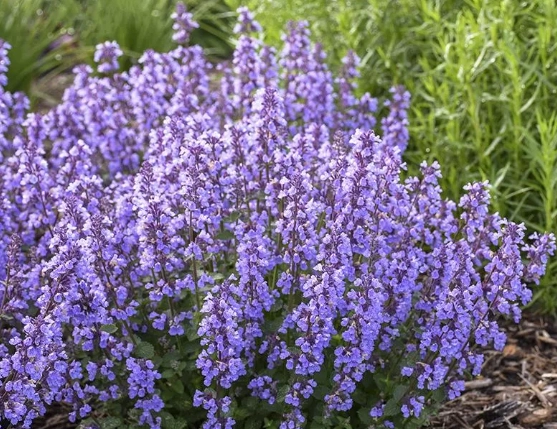
My dog ignores plants but loves to dig in the dirt. How can I protect my safe flowers?
The digging instinct is strong. Instead of fighting it, manage it. Create a designated digging zone filled with soft sand or loose soil. Bury toys and treats there to make it rewarding. For your flower beds, lay chicken wire flat just under the surface of the mulch before planting. Plants grow through it, but paws hate the feeling. You can also place large, smooth river rocks around the base of plants as a deterrent.
Is it enough to just avoid the flowers, or do I need to worry about trees and shrubs too?
Absolutely worry about trees and shrubs. Many common landscape plants are problematic. Yew (Taxus) hedges are highly toxic. The berries and leaves of many Maple species (like Red Maple) can be dangerous to horses and potentially cause issues for dogs. When planning your landscape, research every single plant, not just the showy flowers. The ASPCA database is your best friend here.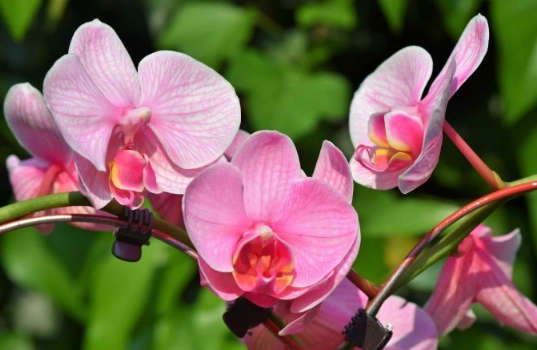




Leave a comment