You know that look. Your cat hops into the litter box, assumes the position, and… nothing. Or maybe there's straining, a few plaintive meows, and then a retreat. Maybe you've even spotted a couple of hard, dry pellets that look more like rabbit droppings than cat stool. Constipation in cats isn't just uncomfortable for them—it's stressful for you to watch. And if it goes on too long, it becomes a serious medical issue called obstipation, which can permanently damage the colon.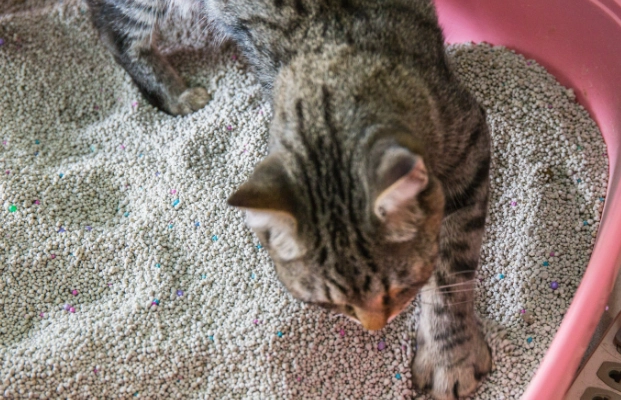
I've seen this hundreds of times in the clinic. The most common mistake owners make? Waiting too long to act, or using well-meaning but potentially harmful home remedies. Let's break down what's really happening when your cat can't poop, what you can safely try at home, and the exact moment you need to pick up the phone and call your vet.
What's in This Guide
Spotting the Signs: Is It Really Constipation?
Cats are private creatures, so you have to be a bit of a detective. Constipation isn't just about frequency. A healthy cat typically poops once every 24 to 36 hours, but some perfectly healthy cats on specific diets might go every other day. The key is the quality of the visit and the stool.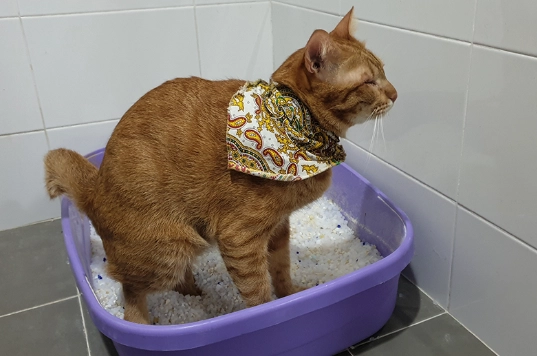
Watch for these signs:
- Frequent, Unproductive Trips: Going to the box more often, squatting for long periods, and leaving with nothing to show for it.
- Straining and Crying: Visible discomfort, vocalizing while trying to pass stool. This is a big one—don't ignore a crying cat in the litter box.
- Hard, Dry Stool: When something does come out, it's small, hard, and often dark. It might look like little rocks or pebbles.
- Small Amounts of Liquid: Sometimes, liquid stool can seep around a hard blockage, making it look like diarrhea. This is often mistaken for a stomach bug when it's actually a sign of severe constipation.
- Loss of Appetite or Lethargy: As the discomfort builds, your cat may eat less and become less active.
- Vomiting: In more advanced cases, the backup can cause nausea.
Pro Tip: Get familiar with your cat's normal "output." The ideal cat stool is firm, moist, and shaped like a log (a "Tootsie Roll," as we say in the biz). It should leave little to no residue when picked up. Knowing normal makes spotting abnormal instant.
The Common Culprits Behind Cat Constipation
It's rarely just one thing. Usually, it's a combination of factors that slow down the colon's motility. Here are the big players:
Dehydration: The #1 Offender
Cats have a low thirst drive, a holdover from their desert-dwelling ancestors. If they're on a dry food (kibble-only) diet, they're often in a chronic state of mild dehydration. The colon's job is to absorb water from waste. If the body is thirsty, it pulls too much water out, leaving the stool dry and hard. Think of a dried-out sponge.
Hairballs and Excessive Grooming
All that swallowed hair has to go somewhere. While most passes through, a large accumulation can form a matted plug in the intestines, acting like a cork. Long-haired cats and obsessive groomers (often due to stress or pain) are at higher risk.
Diet and Lack of Fiber
Diets too low or, surprisingly, too high in fiber can cause issues. Low-fiber diets don't provide enough bulk to stimulate the colon to contract. Conversely, a sudden influx of high fiber without adequate water can create a bulky, slow-moving mass.
Painful Litter Box Associations
This is a subtle one many miss. If your cat has arthritis (common in older cats), jumping into a high-sided box hurts. If they've had a previous painful bowel movement due to constipation or a urinary issue, they may start avoiding the box altogether, holding it in until it becomes a bigger problem. The litter box location (a noisy basement), type (a covered box trapping odors), or litter texture can also be deterrents.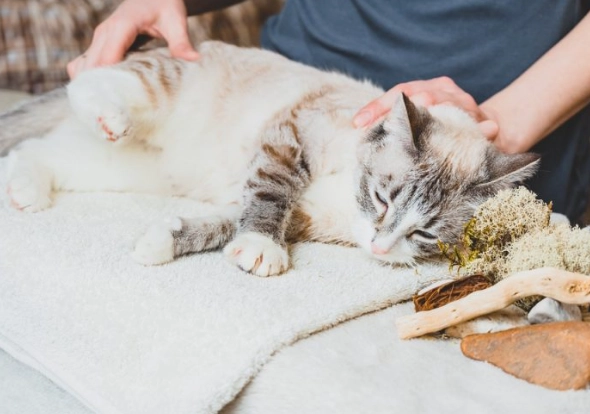
Underlying Medical Conditions
Kidney disease, diabetes, and neurological issues can lead to dehydration or nerve dysfunction affecting the colon. An underactive thyroid (hypothyroidism) can slow everything down. In older cats, a condition called megacolon—where the colon muscles become weak and flabby—is a common final pathway for chronic constipation.
Safe Home Remedies You Can Try (And One to Avoid)
If your cat is still eating, drinking, and acting mostly normal but you notice mild signs, you can try these steps for 24-48 hours. Have a clear line in your mind: if no improvement, vet time.
1. Increase Water Intake Aggressively
This is your first and most important move.
- Switch to Wet Food: Even if just temporarily. The moisture content in canned food is around 70-80%, compared to 10% in kibble.
- Add Water or Broth: Mix warm water or a bit of low-sodium chicken broth (no onions or garlic) into their current food.
- Get a Water Fountain: Many cats prefer running water. The Catit Flower Fountain or Pioneer Pet Raindrop are popular models that encourage drinking.
- Multiple Water Stations: Place bowls away from food bowls (instinct tells them water near a kill is contaminated). Use glass or ceramic bowls, not plastic, which can hold odors.
2. Dietary Fiber Boosters
These add bulk and can help retain water in the stool.
- Canned Pumpkin: Plain, pure pumpkin (not pie filling). Start with 1/2 teaspoon mixed into food twice a day. Too much can backfire.
- Psyllium Husk: A vet may recommend this. A tiny pinch (less than 1/8 tsp) mixed very well into wet food can work wonders. It MUST be followed by ample water intake, or it will worsen the problem.
- Specialized Diets: Brands like Royal Canin and Hill's have prescription gastrointestinal or fiber response diets. These require a vet's approval.
3. Encourage Gentle Movement
Activity stimulates gut motility. A short, gentle play session with a wand toy might get things moving. Don't overdo it if your cat seems uncomfortable.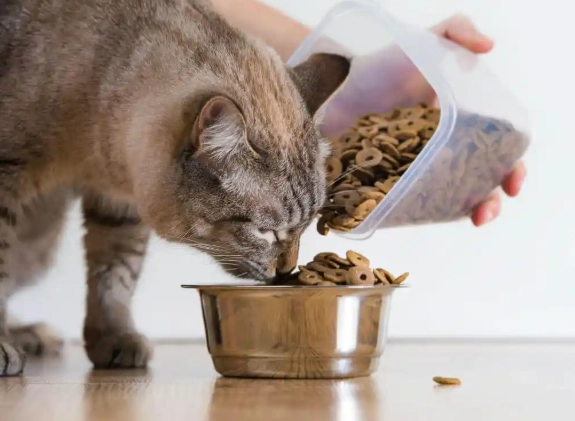
The Remedy to Avoid: Never give human laxatives, mineral oil, or enemas. Mineral oil is a severe aspiration risk (it can get into the lungs). Stimulant laxatives meant for humans can cause dangerous cramps and electrolyte imbalances in cats. This is a fast track to the emergency clinic.
The Red Flags: When to Call the Vet Immediately
Home care has its limits. Here is your decision-making table. If you check any box in the "Vet Now" column, stop reading and make the call.
| Symptom or Situation | Monitor at Home (For 24-48 hrs) | Call Your Vet Now |
|---|---|---|
| No Bowel Movement | Missed one stool, but cat is acting normal. | No stool for more than 48-72 hours, or any straining with no production. |
| Behavior | Mild lethargy, slightly reduced appetite. | Hiding, obvious pain, crying, vomiting, complete refusal to eat or drink. |
| Stool Appearance | A few harder-than-usual stools. | Blood in stool or around anus, only passing liquid/mucus. |
| History | First-time, mild episode in an otherwise healthy adult cat. | Kitten, senior cat, or cat with known kidney disease, diabetes, or prior constipation. |
At the clinic, treatment can range from subcutaneous fluids (to rehydrate from under the skin) to oral laxatives like lactulose or cisapride. For severe blockages, an enema under sedation is often necessary. In recurrent cases, vets may discuss medications like lactulose (a stool softener) or prokinetic drugs like cisapride to help the colon contract. According to the Cornell Feline Health Center, chronic constipation that progresses to obstipation and megacolon may ultimately require surgical intervention (subtotal colectomy).
Preventing Future Episodes: A Long-Term Plan
If your cat has been constipated once, they're prone to it again. Prevention is about managing the triggers.
- Diet for Life: Seriously consider a high-quality wet food diet as the staple. If you must feed dry, ensure it's a high-protein, lower-carb formula and that water intake is sky-high.
- Routine Grooming: Brush your cat regularly, especially if long-haired, to reduce hair ingestion. A product like Laxatone or Petromalt can help hair pass through the system, but use it as a grooming aid, not a constipation cure.
- Litter Box Optimization: Keep it spotlessly clean. Use a large, low-sided box for older cats. Place it in a quiet, accessible, low-traffic area. Experiment with unscented, fine-grained litter.
- Weight Management and Exercise: An overweight cat is a sedentary cat, and a sedentary gut is a slow gut. Keep your cat at a healthy weight with portion control and daily play.
- Annual Vet Checks: Bloodwork can catch early kidney disease or diabetes before they manifest as chronic constipation.
Your Constipated Cat Questions Answered
Dealing with a constipated cat requires a blend of observation, safe intervention, and knowing when to seek professional help. The goal isn't just to solve today's problem, but to adjust your cat's lifestyle—through diet, hydration, and environment—to prevent tomorrow's. Paying attention to the litter box might not be glamorous, but it's one of the most direct windows into your cat's health you have.


Leave a comment