Quick Navigation
- What Could This Lump Be? Common Types of Canine Masses
- From Worry to Knowledge: The Veterinary Diagnostic Journey
- Treatment Options: It's Not Just 'Remove It or Not'
- The Financial Reality: Cost of Dealing with a Mass in Dogs
- Your Dog's Recovery and Life Afterwards
- Answers to the Questions You're Probably Googling at Midnight
- Wrapping It Up: Your Action Plan
You're petting your dog, scratching that perfect spot behind their ears, and your fingers freeze. What's that? A lump. A bump. Something that wasn't there last week. Your heart does a little flip. I know that feeling all too well. It happened with my own dog, a sprightly terrier mix named Buddy, a few years back. One day, a pea-sized mass appeared on his shoulder seemingly overnight. The panic is real, and the internet is a terrifying place to search for answers.
Let's take a deep breath together. Finding a mass in dogs is incredibly common, and the vast majority of the time, it's not a death sentence. In fact, many lumps are completely harmless. But knowing what to do, what questions to ask your vet, and understanding the process can turn that panic into calm, decisive action. That's what this guide is for. We're going to walk through everything, from the moment you feel that first lump to diagnosis, treatment options, and recovery. No scare tactics, just clear, practical information.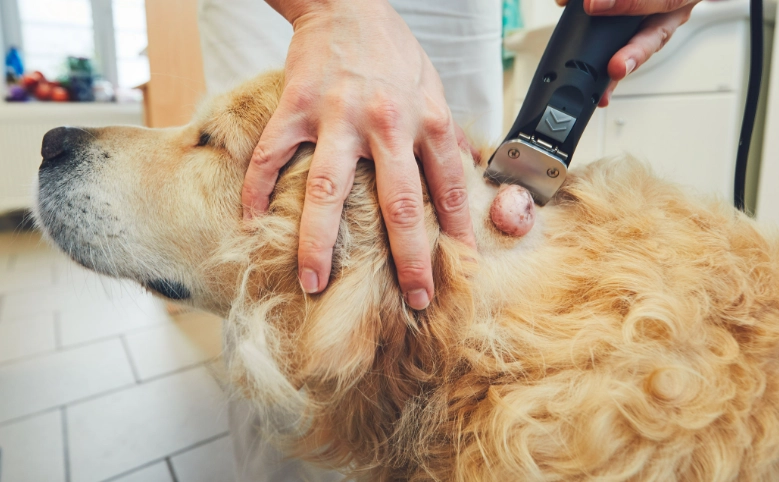
What Could This Lump Be? Common Types of Canine Masses
When you find a mass on your dog, your mind might jump straight to the worst-case scenario. The reality is much broader. Think of these masses in two main categories: the benign (non-cancerous) crowd and the malignant (cancerous) ones. Benign masses are far more common, especially as dogs age.
The Usual Benign Suspects
These are the lumps that are often more of a cosmetic nuisance than a health crisis.
Lipomas: Ah, the classic "fatty tumor." If the lump feels soft, squishy, and movable under the skin, it's likely a lipoma. They're extremely common in middle-aged to older dogs, especially overweight ones. They grow slowly and rarely cause problems unless they get huge and impede movement. My friend's Labrador has three, and they've been monitored for years without issue.
Sebaceous Cysts: These are blocked oil glands. They can feel like a firm pea under the skin and sometimes have a little opening. They might ooze a cheesy, gross material (sorry, but it's true). They can become inflamed or infected, which is usually the only reason to remove them.
Histiocytomas: These are a classic "puppy lump." They often pop up quickly on young dogs (usually under 3 years old) as a small, red, button-like growth. The weird thing? They often disappear on their own within a few months. Vets sometimes call them "benign neglect" lumps because they frequently resolve without treatment.
Warts (Papillomas): Caused by a virus, these look like small cauliflowers and are common around the mouth in young dogs or in older dogs with weaker immune systems. They're contagious to other dogs but not to people.
Concerning Masses That Need Attention
This is where prompt veterinary action is non-negotiable.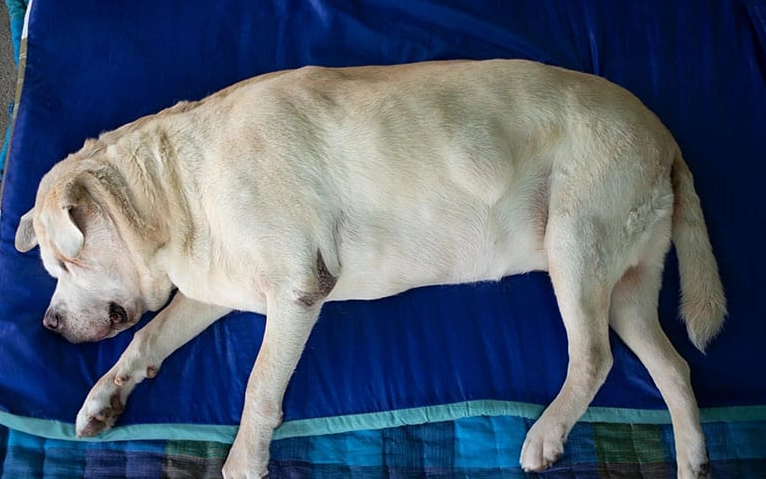
Mast Cell Tumors (MCTs): This is the big one many vets worry about. They are the most common malignant skin tumor in dogs. The tricky part? They can look like anything. A mast cell tumor might look like a harmless lipoma, a wart, or a little bug bite. They can be itchy. Their appearance is a master of disguise, which is why testing is so critical. Some MCTs are low-grade and easily cured with surgery; others are more aggressive.
Soft Tissue Sarcomas: This is a group of tumors that arise from connective tissues. They often feel firm and fixed to deeper structures. They tend to be locally invasive (spreading into surrounding tissue) but are slower to metastasize (spread to distant organs). Complete surgical removal is key.
Mammary Gland Tumors: Primarily seen in unspayed female dogs. Spaying a dog before her first heat cycle dramatically reduces the risk. These masses appear along the mammary chain (the "nipple line") and can be benign or malignant.
See what I mean? That little lump could be a dozen different things. You simply cannot diagnose a mass in dogs by feel or look alone. Not even your vet can do that with 100% certainty on an exam table. They need more information.
From Worry to Knowledge: The Veterinary Diagnostic Journey
So you've booked the vet appointment. What happens next? The process is very methodical, designed to gather clues and get a definitive answer. It's not usually a one-step deal.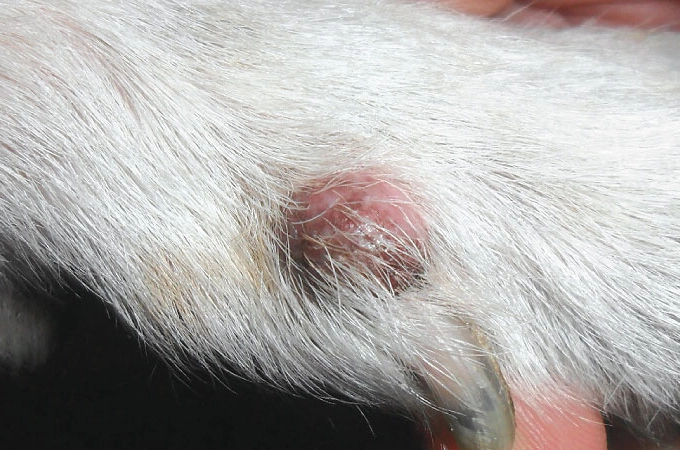
Step 1: The Physical Exam & Fine Needle Aspirate (FNA)
Your vet will feel the mass, note its location, size, and mobility. The first-line test is often a Fine Needle Aspirate. It sounds scarier than it is. They use a small needle (similar to a vaccine needle) to suck out a few cells from the mass. It's quick, relatively cheap, and often doesn't even require sedation.
The catch? It's not always definitive.
An FNA can tell us a lot. It can confirm a lipoma, identify a mast cell tumor, or suggest an infection. But sometimes, the sample isn't representative, or the cells are too weird to categorize. If the FNA is inconclusive or suggests something serious, the next step is needed.
Step 2: The Biopsy - The Gold Standard
A biopsy removes a piece of the mass (incisional biopsy) or the whole thing (excisional biopsy) and sends it to a veterinary pathologist. The pathologist looks at the tissue architecture under a microscope. This gives you a definitive diagnosis and crucial information like the tumor grade (how aggressive it looks) and margins (whether it was fully removed).
This is the step that removes all guesswork. It tells you exactly what kind of mass in dogs you're dealing with. Organizations like the American College of Veterinary Pathologists (ACVP) certify these specialists, ensuring high standards in diagnosis.
Step 3: Staging (If Cancer is Diagnosed)
If the biopsy comes back as malignant, your vet will talk about "staging." This means checking to see if the cancer has spread. It typically involves blood work, X-rays of the chest (to check lungs), and sometimes an abdominal ultrasound or CT scan. Staging tells you if you're fighting a localized battle or a wider war, which drastically changes the treatment plan and prognosis.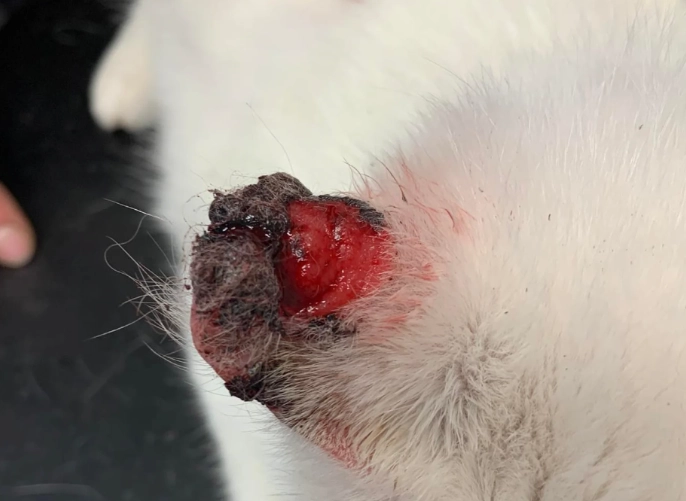
Treatment Options: It's Not Just 'Remove It or Not'
The right treatment depends 100% on the diagnosis. There's no one-size-fits-all. Here’s a breakdown of the main avenues.
Surgery: The First Line of Defense
For most solid masses, especially cancerous ones, complete surgical removal is the goal. The key term is "wide margins." This means the vet removes the mass along with a healthy border of tissue around it to try and get every last cancerous cell. For a low-grade tumor with clean margins, surgery might be the only treatment needed for a cure.
The complexity of surgery depends on the mass's location. Removing a lump from the back is straightforward. Removing one from the paw, face, or inside the mouth is a delicate dance. You might be referred to a veterinary surgeon for complicated cases.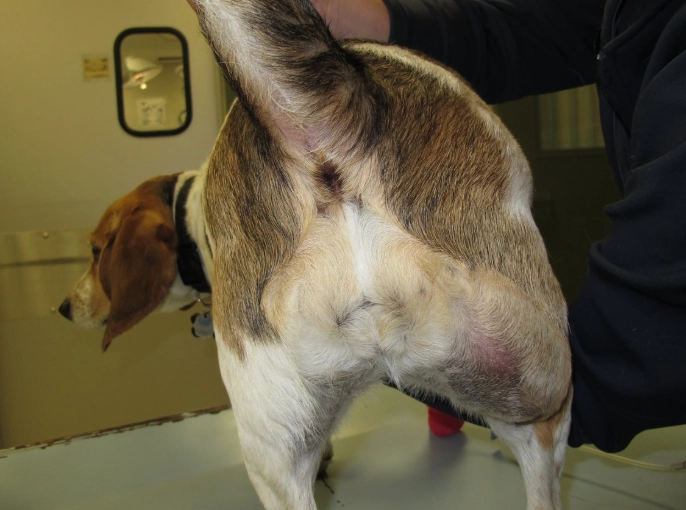
Other Medical Treatments
Chemotherapy: The word is scarier for owners than it often is for dogs. Veterinary chemo is primarily used to manage cancer, not cure it, and the doses are lower to prioritize quality of life. Most dogs handle it remarkably well without the severe side effects humans experience. The Veterinary Cancer Society (VCS) is an excellent resource for understanding these protocols.
Radiation Therapy: Used for tumors that can't be fully removed (like some in the brain or on a limb where amputation isn't desired) or to clean up microscopic cells left after surgery. It requires specialized centers.
Palliative Care: For aggressive, widespread cancers, the goal shifts to managing pain and maintaining quality of life for as long as possible. Medications can reduce inflammation from a mass or slow its growth.
The "Wait and See" Approach
For benign masses like small lipomas or histiocytomas in young dogs, the best treatment might be no treatment at all. Your vet will likely recommend monitoring it. You'll take monthly photos with a ruler next to it to track growth. If it changes or grows quickly, then you intervene.
Let's talk about something practical that everyone worries about: cost.
The Financial Reality: Cost of Dealing with a Mass in Dogs
Let's be blunt. This can get expensive, and costs vary wildly by location, clinic, and the complexity of the case. I think being upfront about this helps you plan and avoids nasty surprises.
| Procedure / Item | Low-End Estimate | High-End Estimate | Notes |
|---|---|---|---|
| Initial Veterinary Exam | $50 - $80 | $100 - $150 | Standard office visit fee. |
| Fine Needle Aspirate (FNA) & Cytology | $100 - $200 | $250 - $400 | Cost includes the procedure and lab fee for pathologist review. |
| Incisional Biopsy (piece) & Histopathology | $300 - $500 | $600 - $1,000+ | More involved surgery and detailed pathology report. |
| Excisional Biopsy (full removal) & Histopathology | $500 - $1,000 | $1,500 - $3,000+ | Cost depends on mass size, location, and surgical complexity. Includes anesthesia, surgery, and pathology. |
| Chest X-rays (for staging) | $150 - $300 | $400 - $600 | Typically two views. |
| Abdominal Ultrasound | $400 - $600 | $800 - $1,200 | If needed for staging abdominal masses. |
| Consult with Veterinary Oncologist | $150 - $250 | $300 - $500 | Specialist consultation fee. |
| Chemotherapy (per session) | $150 - $300 | $500 - $1,000+ | Varies greatly by drug and protocol. Multiple sessions are typical. |
See what I mean? A simple lipoma removal might be a few hundred dollars. A malignant mass requiring surgery, biopsy, staging, and follow-up chemo can run into the thousands. This is where pet insurance, if you have it, becomes worth its weight in gold. If you don't, talk to your vet about care credit options or phased treatment plans. Most vets are willing to work with you.
Your Dog's Recovery and Life Afterwards
Let's say you've gone through it. The mass is out, the biopsy is back, and you have a plan. Now comes the home care.
Post-Surgery Care: You'll get the classic "cone of shame" (Elizabethan collar) to prevent licking and chewing at the stitches. Keep the incision clean and dry. Limit activity—no running, jumping, or swimming for 10-14 days. Check the incision daily for redness, swelling, or discharge.
Long-Term Monitoring: Whether the mass was benign or malignant, your dog is now on "lump watch." Make a habit of running your hands over your dog's entire body once a month during cuddle time. Feel for any new lumps or changes in old ones. Early detection is your best weapon.
Quality of Life is the North Star: This is the most important point, especially if dealing with a chronic condition. Is your dog eating? Playing? Enjoying walks? Happy to see you? Those are the metrics that matter more than anything else. Treatments should support life, not replace it with misery.
Answers to the Questions You're Probably Googling at Midnight
Q: My dog has a mass. Does it automatically mean cancer?
A: Absolutely not. In my experience and according to most veterinary data, benign masses like lipomas and cysts are more common than cancerous ones. But you need a vet to tell the difference.
Q: Can a mass in dogs just go away on its own?
A: Some can, yes! Histiocytomas (the "puppy lumps") are famous for this. Small cysts might rupture and resolve. But as a rule, don't bank on it. If a mass is shrinking on its own, that's great news, but still mention it to your vet.
Q: Is a fine needle aspirate (FNA) enough, or do I need a biopsy?
A: An FNA is a great screening tool. If it clearly shows a harmless lipoma, you might stop there. If it's inconclusive, suggests cancer, or if the mass needs to come out anyway, a biopsy of the removed tissue is the logical and definitive next step.
Q: My dog is old. Is it cruel to put them through surgery for a mass?
A: Age is not a disease. A 12-year-old dog in good health can handle anesthesia and surgery for a problematic mass just fine. The decision should be based on your dog's overall health, not the number on the calendar. The goal is to relieve discomfort and improve quality of life.
Q: How can I prevent masses in my dog?
A: You can't prevent them all, but you can reduce risks. Spay your female dog early to virtually eliminate mammary tumors. Keep your dog at a healthy weight (fewer lipomas). Use sun protection (pet-safe sunscreen) on light-skinned, short-haired dogs to prevent sun-induced skin tumors. And of course, that monthly hands-on check is your best early detection system.
Wrapping It Up: Your Action Plan
Finding a mass in dogs is a common part of dog ownership. It's scary, but you're not powerless.
Here’s what to do, step by step:
1. Don't Panic. Remember, many lumps are harmless.
2. Schedule a Vet Visit. Don't adopt a wait-and-see approach for a new, unknown lump.
3. Allow Diagnostic Testing. Support your vet's recommendation for an FNA or biopsy. Knowledge is power.
4. Discuss All Options. Based on the diagnosis, talk about surgery, monitoring, or other treatments. Ask about costs upfront.
5. Focus on Quality of Life. Let this be your guiding principle for every decision, from treatment to recovery.
Going back to my dog Buddy—that pea-sized mass on his shoulder was a mast cell tumor. Because we caught it early, his vet was able to remove it with wide, clean margins. The biopsy confirmed it was a low-grade tumor. That surgery was the only treatment he ever needed. He lived for several more happy, healthy years without a recurrence, eventually passing from old age.
That's the hope. That's the goal. Arm yourself with information, partner with a vet you trust, and take it one step at a time. You've got this.


Leave a comment