You wake up to a mess on the floor. Or worse, you hear those tell-tale gurgles during a walk. Dog diarrhea strikes fast, turning a normal day into a stressful cleanup mission. I've been there with my own dog, a Labrador who once found a "secret stash" of old food in the park. The panic is real. But after years of dealing with this (and consulting with vets), I've learned that curing dog diarrhea isn't just about stopping the symptom—it's a careful process of rest, repair, and knowing when to sound the alarm.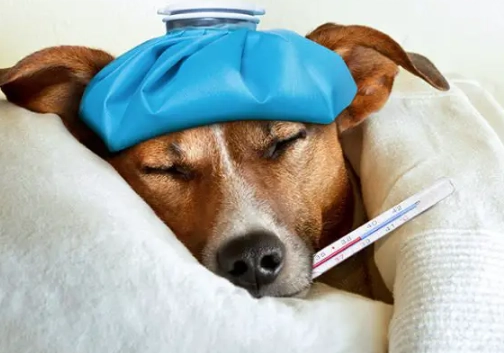
What's Inside This Guide
How to Stop Dog Diarrhea at Home: The 48-Hour Plan
Most simple cases of diarrhea in an otherwise healthy, adult dog can be managed at home. The goal isn't to "plug them up" instantly with medication. That can trap toxins and make things worse. The goal is to give the inflamed digestive tract a break and let it heal. Think of it like hitting the reset button.
Important: This plan is for adult dogs who are otherwise acting normally—still interested in food, drinking water, and not showing the warning signs listed in the next section. Puppies, senior dogs, or dogs with pre-existing conditions need vet advice immediately.
Step 1: The Strategic Fast (12-24 Hours)
The first move is often the hardest for us: withhold food. Not water—never restrict water. But solid food. For 12 to 24 hours, offer nothing but fresh, clean water. This gives the intestines a chance to stop the frantic muscle contractions and reduces inflammation. A common mistake is feeling bad and giving a "little treat" too soon. That little treat is like throwing gasoline on a fire.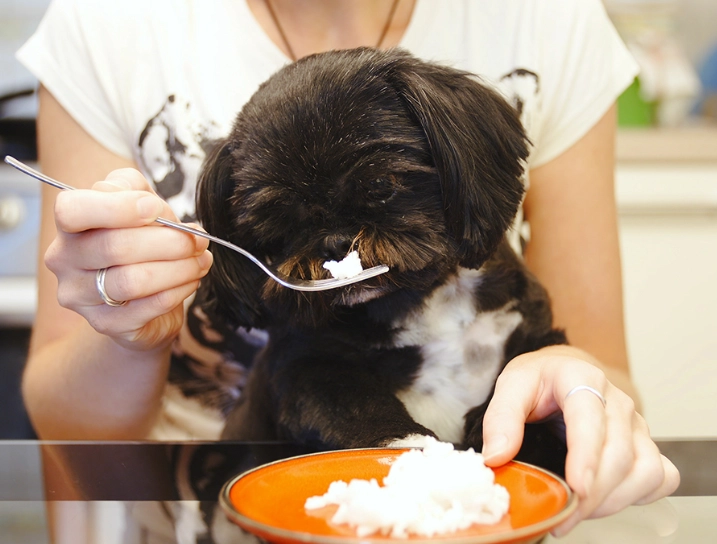
Step 2: The Bland Diet Reintroduction
After the fast, if the diarrhea has slowed or stopped, you start the bland diet. The classic combo is boiled white meat chicken (no skin, no bones) and plain white rice. The ratio is about 1:2 (one part chicken to two parts rice).
But here's a pro tip most articles don't mention: boiled, lean ground turkey or extra-lean ground beef (drained of all fat) is often better than chicken. Why? Some dogs are actually sensitive to chicken, and it can prolong the issue. Turkey is a novel, lean protein for many dogs and can be gentler.
Feed small, frequent meals. Instead of one big bowl, give four to six tiny meals throughout the day. This prevents overloading the sensitive gut.
Step 3: The Slow Return to Normal
Stick with the bland diet for a few days after the stools have firmed up. Then, over the course of 2-3 days, gradually mix in your dog's regular food, reducing the bland food bit by bit. A sudden switch back to regular kibble can trigger a relapse.
When to Call the Vet: Red Flags You Can't Ignore
Home care has its limits. If you see any of the following, stop the home plan and call your veterinarian. This isn't an exhaustive list, but it covers the major alarms.
| Symptom | Why It's Serious | Possible Cause |
|---|---|---|
| Blood in the stool (bright red or dark, tarry) | Indicates significant intestinal bleeding, ulceration, or a severe infection like parvovirus. | Parvovirus, hemorrhagic gastroenteritis, poisoning, foreign body. |
| Vomiting along with diarrhea | Rapidly leads to dehydration and prevents oral rehydration. A vicious cycle starts. | Pancreatitis, intestinal blockage, systemic infection. |
| Lethargy, weakness, or depression | Your dog feels systemically ill. This is more than just a tummy ache. | Severe dehydration, toxin ingestion, metabolic disease. |
| Loss of appetite for more than 24 hours | A sick dog who won't eat is a major concern. They need energy to heal. | Pain, nausea, serious underlying illness. |
| Diarrhea lasting more than 48 hours despite home care | Simple diarrhea should start improving within a day or two. Persistence needs investigation. | Parasites (Giardia), bacterial overgrowth, food intolerance. |
Puppies are a special case. They dehydrate incredibly fast and are vulnerable to viruses like parvovirus. If your puppy has diarrhea, call your vet immediately, even if they seem okay otherwise. Don't wait.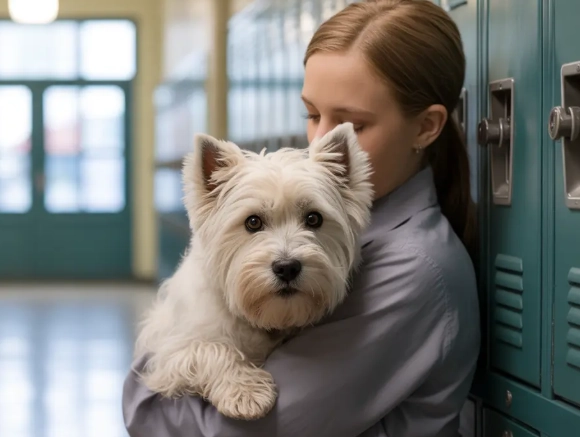
What's Causing This? Common Culprits Behind Canine Diarrhea
Understanding the "why" helps with the "cure" and future prevention. It usually falls into one of these buckets:
Dietary Indiscretion: The number one cause. This is the polite term for eating something they shouldn't. Garbage, spoiled food, a dead animal, rich human food (like grease or dairy), or a sudden change in diet. Their gut flora goes haywire.
Parasites: Worms (roundworms, hookworms) and protozoa like Giardia are common, especially in dogs who sniff or lick everything outside. They irritate the intestinal lining. A fecal test at the vet can diagnose this.
Stress or Anxiety: Believe it or not, stress colitis is real. A big change—boarding, a new pet, construction noise—can trigger diarrhea. The gut-brain connection is strong in dogs too.
Bacterial or Viral Infections: From contaminated water or food. Parvovirus is the most severe and life-threatening viral cause, requiring immediate, intensive vet care.
Food Intolerances or Allergies: A chronic, low-grade issue that can flare up. Common triggers include beef, dairy, wheat, chicken, or soy. This often causes intermittent diarrhea over a long period.
Keeping the Gut Happy: Long-Term Prevention Tips
Curing the current episode is one thing. Preventing the next is another. Here's what actually works, based on maintaining a healthy gut microbiome.
Be a Food Transition Nazi. When changing foods—any food, even to a new bag of the same brand—do it over 7-10 days. Start with 25% new food mixed with 75% old for a few days, then go 50/50, then 75/25. This gives the gut bacteria time to adjust.
Incorporate a Quality Probiotic. This is the industry hotspot for a reason. A good canine-specific probiotic can help repopulate the gut with good bacteria after an episode and strengthen it against future upsets. Look for ones with multiple strains like Enterococcus faecium and Bifidobacterium. Don't just use yogurt; the cultures and amounts are often insufficient. Research from institutions like the Cornell University College of Veterinary Medicine supports the use of specific probiotics for managing digestive issues.
Know Your Dog's Foraging Habits. If your dog is a scavenger, you need to be extra vigilant on walks. Muzzle training (with a basket muzzle that allows panting and drinking) can be a lifesaver for chronic eaters-of-everything.
Manage Stress. For the stress-sensitive dog, create safe spaces, use calming aids like Adaptil pheromone diffusers, and maintain routines, especially during known stressful events.
Your Top Dog Diarrhea Questions, Answered

Leave a comment