I almost lost my friend's border collie, Scout, to what looked like a harmless piece of grass. A week after a hike, he was lethargic, coughing, and had a fever. The vet found a foxtail seed head embedded deep in his nasal passage, starting a serious infection. That was the day I realized how dangerous these common weeds are. If you have a dog, you need to know about foxtails. They're not just an annoyance; they're a medical emergency waiting to happen.
Foxtail grass refers to several types of wild grasses (like Hordeum jubatum or Setaria species) that produce seed heads with a unique, one-way barbed design. They dry out in late spring and summer, break apart, and become nature's perfect penetrating projectile. For a dog, they're like tiny, migrating arrows that only go in, never come out on their own.
Quick Navigation: What You'll Learn
- What Are Foxtails and Why Are They So Dangerous?
- Where Foxtails Hide: Common Entry Points on Your Dog
- How to Spot Foxtail Symptoms Before It's Too Late
- Safe Foxtail Removal at Home (And When to Stop)
- What the Vet Does: Treatment and Costs
- Your Foxtail Prevention Checklist
- Your Foxtail Questions Answered
What Are Foxtails and Why Are They So Dangerous?
Picture a tiny spear. Now, cover it in microscopic barbs that all face backwards. That's a foxtail awn. This design allows it to latch onto fur, skin, or fabric and move steadily forward with any motion—like your dog shaking its head, breathing in, or licking its paw. It doesn't dissolve. It doesn't back out.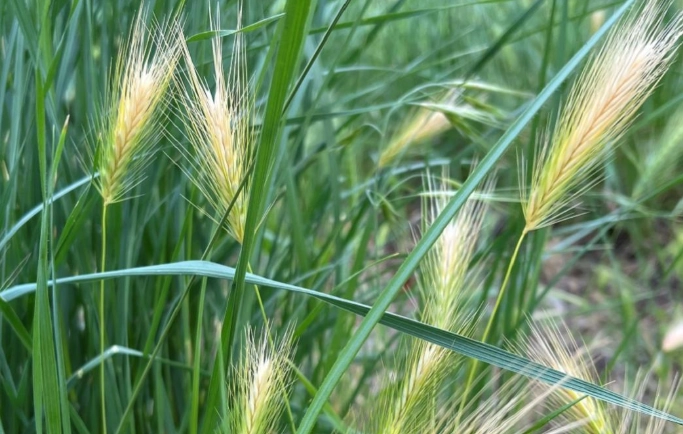
The American Kennel Club (AKC) lists foxtails as a major seasonal hazard. The danger isn't just the initial puncture. It's the migration. A foxtail in a paw can travel up the leg. One inhaled can lodge in the lungs. I've heard vets tell stories of finding them near a dog's spine after entering through the ear. They cause intense inflammation, create pathways for bacteria, and can lead to abscesses, pneumonia, or even sepsis if not addressed.
Where Foxtails Hide: Common Entry Points on Your Dog
Foxtails are opportunists. They go where there's an opening. Some spots are more vulnerable than others.
- Ears: This is a classic. Dogs running through tall grass get them flicked into the ear canal. Immediate head shaking, head tilting, and pawing at the ear are dead giveaways.
- Nose: A strong sniff is all it takes. Sudden, violent sneezing (sometimes with blood), and pawing at the nose are key signs. The sneezing might stop if it travels deeper, but the infection risk skyrockets.
- Paws & Between Toes: The most common entry point. Look for limping, licking a specific spot obsessively, or a small, red, swollen lesion between the toes. Check every time you come back from a walk.
- Eyes: Less common but serious. It can get under the third eyelid. You'll see squinting, redness, tearing, and obvious discomfort.
- Genital Area: Dogs can sit on them or they can get caught in long fur. Excessive licking of the area is a red flag.
How to Spot Foxtail Symptoms Before It's Too Late
Symptoms depend entirely on where the foxtail went. The table below breaks it down. Time is critical. An embedded foxtail can start causing a serious infection within 24-48 hours.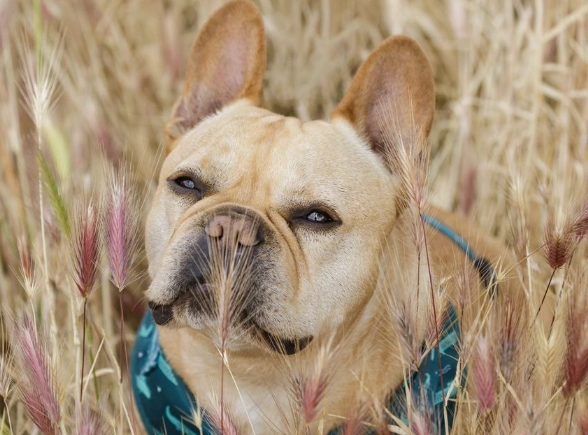
| Entry Point | Early Symptoms (Act Now) | Advanced Symptoms (Vet Emergency) |
|---|---|---|
| Paw/Toe | Limping, licking one spot, visible seed between toes. | Swollen, hot paw, pus discharge, refusal to bear weight. |
| Ear | Sudden head shaking, tilting head, scratching ear. | Crying in pain, smelly discharge, loss of balance. |
| Nose | Frenzied sneezing, pawing at nose, nasal discharge. | Sneezing stops but dog seems lethargic, has fever, facial swelling. |
| Eye | Squinting, rubbing face on ground, redness, tearing. | Cloudy cornea, visible damage, severe swelling. |
| Skin (Anywhere) | Small, non-healing sore or lump, dog licks it constantly. | Large, painful abscess with draining pus. |
If you see any of the "Advanced Symptoms," don't wait. Go to the vet. A migrating foxtail can be fatal.
Safe Foxtail Removal at Home (And When to Stop)
You can try to remove a foxtail yourself only if you can see the entire seed head and it hasn't penetrated the skin. If you see just a tip or nothing at all, stop. Pulling can break it, leaving the barbed part inside.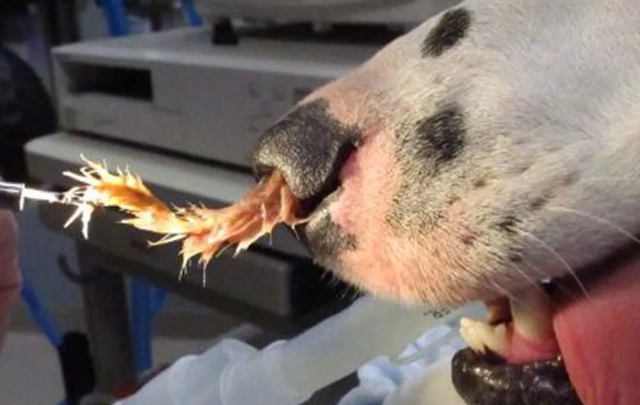
Tools You'll Need
Keep these in your dog first-aid kit: fine-tipped tweezers (not blunt ones), a magnifying glass or your phone's camera zoom, good lighting, and antiseptic wipes.
The Step-by-Step Process
First, have someone gently restrain your dog. Stay calm. Use the magnifier to confirm it's a foxtail and you can see where it attaches. Grip the foxtail as close to the skin/fur as possible with the tweezers. Pull straight out in the direction it entered, with steady, firm pressure. Don't twist or yank. Once out, clean the area with an antiseptic wipe and monitor for swelling or redness.
If the foxtail is in the nose, ear, eye, or an already swollen paw pad, do not attempt removal. You risk pushing it deeper. This is a job for the veterinarian.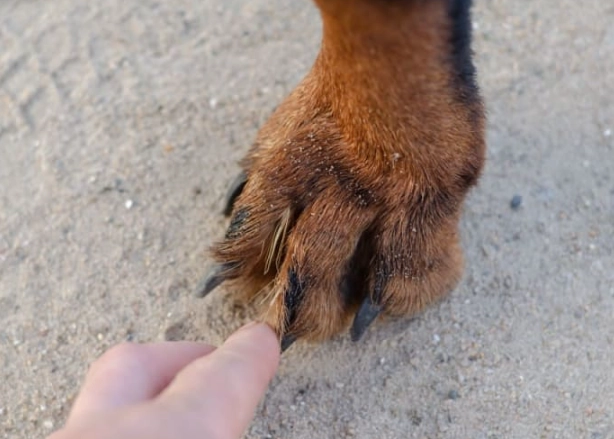
What the Vet Does: Treatment and Costs
When you can't get it, the vet can. For a visible foxtail in a paw, they might sedate your dog, make a small incision, and remove it. Cost: maybe $200-$400.
For a foxtail in the nose or ear, they'll use an otoscope or rhinoscope—a tiny camera on a flexible tube—to locate it and then use specialized forceps to grab it. This usually requires general anesthesia. Cost: $500-$1,500+ depending on complexity.
The real expense comes when the foxtail's location is unknown. This might require X-rays (foxtails don't always show up), ultrasound, or even CT scans to find it before surgery. This can run into the thousands. The American Veterinary Medical Association (AVMA) emphasizes that prompt treatment is always cheaper and less risky than waiting for a major infection to develop.
Your Foxtail Prevention Checklist
Treatment is stressful and expensive. Prevention is straightforward.
- Know the Enemy: Learn to identify foxtail grasses. They look like bushy, fox-tail-shaped seed heads on tall, dry stalks. Avoid those areas, especially from late spring through fall.
- Grooming is Armor: Keep your dog's coat, especially the feet and underside, trimmed short during foxtail season. Long, feathery fur is a trap.
- The Post-Walk Ritual: After every outing, do a thorough "foxtail check." Run your hands over their entire body, feeling for bumps. Look deeply between every toe, inside the ears, and around the mouth and gums.
- Consider Protective Gear: For dogs that must go into high-risk areas, products like "OutFox Field Guards" (mesh hoods) can protect the face, ears, and mouth.
- Landscape Your Yard: If you have foxtails, remove them before they seed. Mow regularly, or consider safe landscaping alternatives.
It takes ten minutes. It could save you a $2,000 vet bill and save your dog immense pain.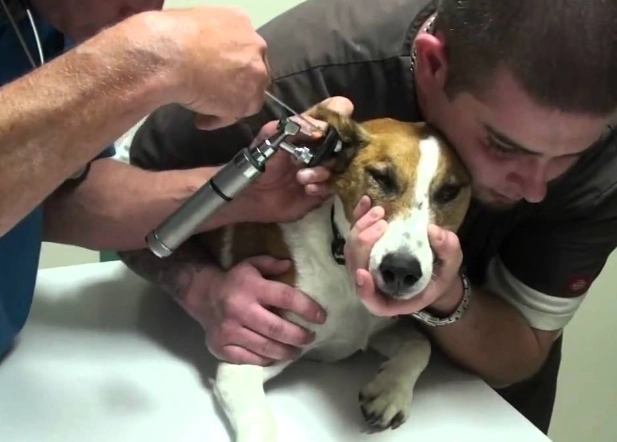
Your Foxtail Questions Answered


Leave a comment