In This Guide
- First Things First: The "Why" Behind the Upset Tummy
- The Gold Standard: The Bland Diet Breakdown
- Beyond Chicken and Rice: Other Soothing Foods and Add-ins
- The "Absolutely Not" List: Foods That Make Diarrhea Worse
- Putting It All Together: A Step-by-Step Feeding Plan
- When Food Isn't Enough: Red Flags for the Vet
- Commercial Options: Prescription and Over-the-Counter GI Diets
- Your Questions Answered: Common Concerns About Dogs and Diarrhea
- Final Thoughts: Patience and Observation Are Key
Let's be honest, cleaning up after a dog with diarrhea is nobody's idea of a good time. It's messy, it's worrying, and your first thought is usually, "What on earth did they get into?" But right after that panic comes the practical question every dog owner faces: what food is good for dogs with diarrhea? You want to help them feel better, fast, but you also don't want to make things worse by feeding the wrong thing.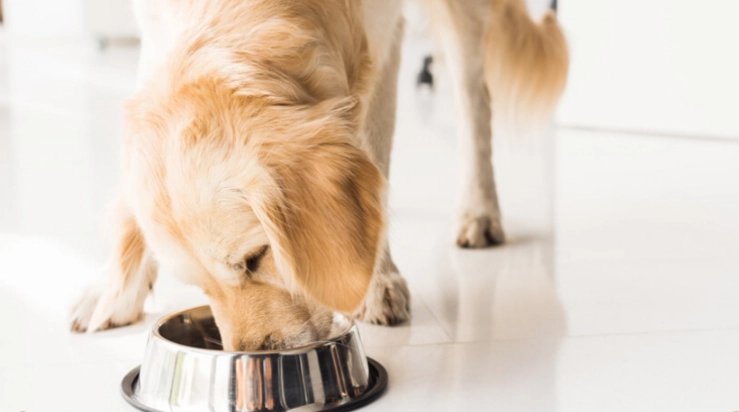
I've been there more times than I'd like to admit with my own Lab, who has a stomach of steel except for when he finds something "interesting" in the yard. Over the years, through vet visits and a lot of trial and error (some of it messy error), I've learned what works and what absolutely doesn't.
This isn't about complicated medical theories. It's a straightforward, practical guide to feeding a dog with an upset stomach. We'll cover the classic bland diet, some surprising foods that can help, the big no-nos, and how to transition back to normal food. We'll also talk about when you need to stop worrying about food and get to the vet, because that's just as important.
Quick Reality Check: This guide is for general advice on mild, short-lived diarrhea in otherwise healthy adult dogs. It's not a substitute for professional veterinary care. If your dog is very young, very old, has other symptoms (like vomiting, extreme lethargy, or blood in the stool), or if the diarrhea doesn't improve quickly, your vet is the first and best call. Always.
First Things First: The "Why" Behind the Upset Tummy
Before we dive into the list of what food is good for dogs with diarrhea, it helps to know why their gut is throwing a tantrum. You can't fix a problem if you don't understand it, right?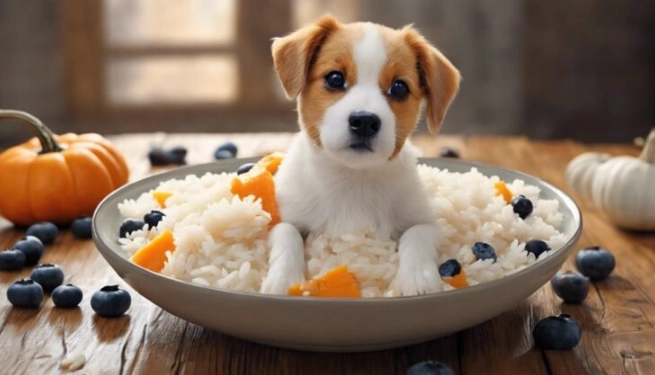
Diarrhea is essentially the gut's way of rushing to get rid of something it doesn't like. The intestines speed up, water isn't absorbed properly, and the result is the unpleasant mess you're dealing with. Common triggers include:
- Dietary Indiscretion: The polite term for eating garbage, spoiled food, or something they found on a walk. This is probably the top cause.
- Sudden Food Change: Switching your dog's kibble too quickly is a classic mistake. Their gut bacteria need time to adjust.
- Food Intolerance or Allergy: Some dogs just can't handle certain ingredients like chicken, beef, or wheat.
- Stress or Anxiety: Yes, dogs get stressed too, and it can absolutely upset their stomachs.
- Parasites, Bacteria, or Viruses: Things like giardia, salmonella, or parvovirus (especially in puppies).
Knowing the cause helps you choose the right response. A simple stomach bug from eating something iffy usually responds well to a bland diet. A more serious infection? That needs a vet.
So, when you're asking "what food is good for dogs with diarrhea," you're really looking for something that will be gentle, easy to digest, and help bind things up a bit while the gut heals itself.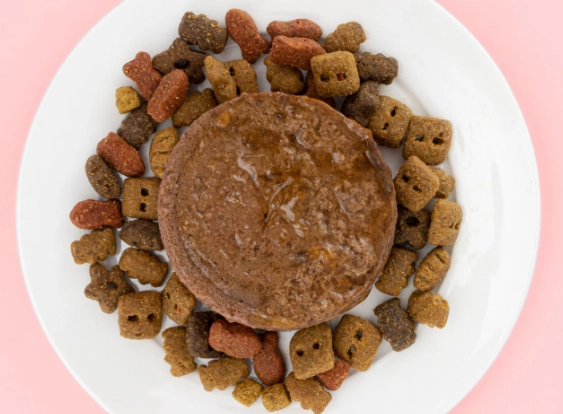
The Gold Standard: The Bland Diet Breakdown
When vets talk about what to feed a dog with diarrhea, they almost always start with the bland diet. It's simple, it's effective, and you can make it with things you probably have in your kitchen. The classic formula is plain, boiled, skinless white meat chicken and plain white rice.
But let's break it down, because there's a right way and a wrong way to do this.
Why These Ingredients Work
Chicken (boiled and shredded) is a lean, easily digestible source of protein. It gives your dog energy without taxing their system. The key is plain. No salt, no butter, no oils, no seasonings. Just chicken and water.
White rice is the real star here. It's a simple carbohydrate that's very binding. It helps absorb excess water in the intestines and forms a kind of protective coating on the gut lining, which can be irritated. Brown rice has more fiber, which is great normally, but it can be harder to digest for a sick tummy, so stick with white.
The ratio is usually 1 part chicken to 2 parts rice. For a medium-sized dog, start with maybe a quarter cup of chicken and a half cup of rice per meal, fed in small portions throughout the day.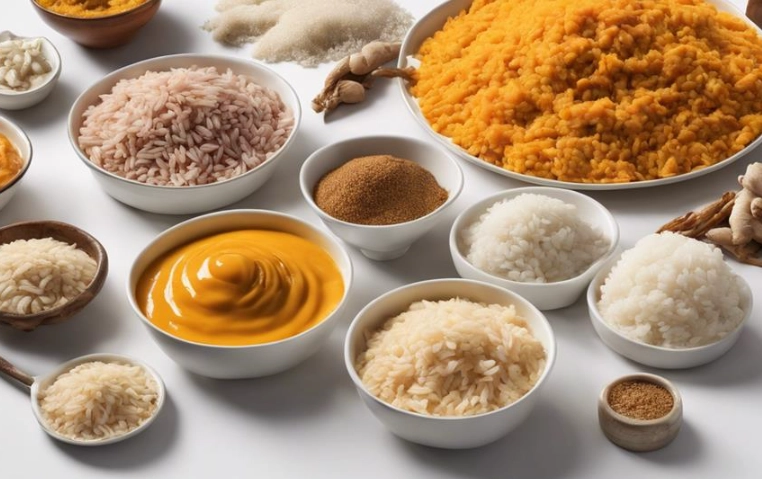
Pro-Tip from Experience: Cook the rice in a big pot of water until it's almost mushy. You want it super soft and starchy. That starchy water can actually be helpful too—some people let their dogs drink a bit of the cooled rice water for extra soothing power.
Bland Diet Variations and Alternatives
Not every dog likes chicken, or maybe you don't have any. What then? The principle is the same: lean protein + simple, binding carb.
- Protein Swap: Instead of chicken, you can use lean ground turkey (drained of all fat after cooking), boiled white fish like cod or haddock, or even lean boiled pork. The goal is low fat.
- Carb Swap: If rice isn't an option, plain boiled pasta (like macaroni), plain mashed potatoes (just potato and water, no dairy!), or even plain pumpkin puree (not pie filling!) mixed with one of the proteins can work. Pumpkin is a fantastic option we'll talk more about later.
I made the mistake once of using a tiny bit of low-sodium broth to make the rice more appealing. Bad idea. Even the low-sodium stuff had onions or garlic powder in it. Stick to water. It's boring, but it's safe.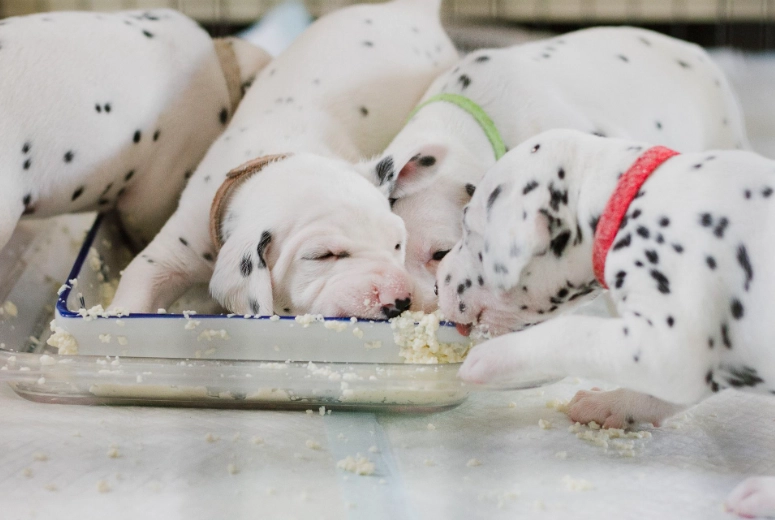
Beyond Chicken and Rice: Other Soothing Foods and Add-ins
While the bland diet is the foundation, there are other foods that can be incredibly helpful when figuring out what food is good for dogs with diarrhea. Think of these as supportive players.
The Power of Pumpkin
Plain, canned pumpkin puree (100% pumpkin, not the spiced pie filling) is a magic bullet for many dog owners. It's high in soluble fiber, which absorbs water and helps add bulk to the stool. A tablespoon or two mixed into their bland diet can work wonders. It's also a good source of vitamins.
Probiotics: The Gut Bacteria Boost
Diarrhea can wipe out the good bacteria in your dog's gut. Replenishing them can speed recovery. You can find probiotic supplements made for dogs, but plain, unsweetened probiotic yogurt (check it's xylitol-free!) or a little bit of cottage cheese can also introduce good bacteria. Just a spoonful.
Bone Broth (Carefully)
Homemade, plain bone broth (simmered bones in water, no onions, garlic, or salt) is great for hydration and provides minerals. It's soothing and enticing if your dog isn't interested in eating. You can pour a little over their rice. Warning: Store-bought broths are almost always loaded with salt, onions, and garlic, which are toxic to dogs. Avoid them unless you're 100% sure of the ingredients.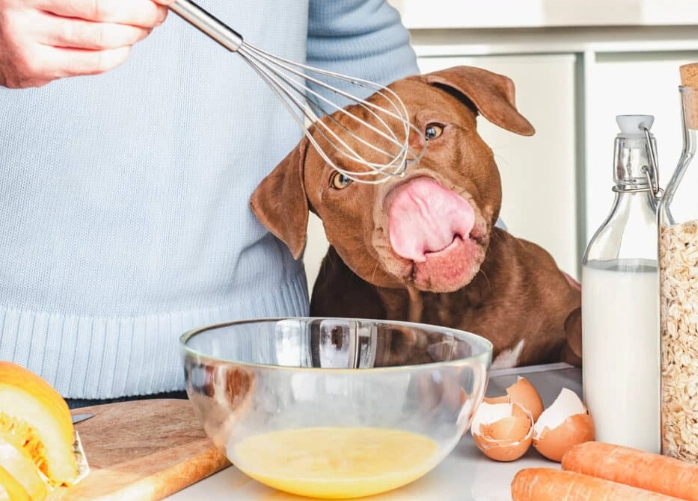
Here’s a quick-reference table to sum up the "good" list:
| Food Category | Specific Examples | Why It Helps | How to Serve |
|---|---|---|---|
| Primary Protein | Boiled chicken breast, boiled ground turkey, boiled white fish (cod, haddock) | Easily digestible, low-fat source of essential energy and amino acids for healing. | Shredded or finely chopped, mixed with a bland carb. No skin, no fat, no seasoning. |
| Primary Carbohydrate | Plain white rice, plain pasta, plain mashed potato (no dairy) | Binding, easy to digest, helps absorb excess fluid and soothe the intestinal lining. | Cooked until very soft. Rice water can also be offered for extra soothing. |
| Beneficial Add-ins | 100% canned pumpkin puree, plain probiotic yogurt, cottage cheese | Pumpkin adds soluble fiber for bulk. Yogurt/cottage cheese introduce beneficial gut bacteria. | 1-2 tablespoons mixed into main meal. Ensure yogurt is xylitol-free and unsweetened. |
| Hydration Support | Homemade bone broth (onion/garlic/salt-free), ice cubes, plain water | Critical to prevent dehydration from fluid loss. Broth encourages drinking. | Offer frequently in small amounts. Broth should be fat-skimmed and cool. |
The "Absolutely Not" List: Foods That Make Diarrhea Worse
This is just as important as knowing what to feed. When a dog has diarrhea, their gut is inflamed and sensitive. Feeding the wrong thing can turn a minor issue into a major one.
Stop! Don't Feed These:
- Fatty Foods: Greasy meats, bacon, sausage, butter, fatty scraps. Fat is very hard to digest and can trigger pancreatitis, a serious and painful condition that often starts with vomiting and diarrhea. This is a big one.
- Dairy (for most dogs): Milk, cheese, ice cream. Many dogs are lactose intolerant, and dairy will just fuel the digestive fire.
- High-Fiber Kibble or Treats: It seems counterintuitive, but suddenly adding a lot of fiber (like bran or certain veggies) to an already upset system can irritate it further. Stick to the simple stuff first.
- Rich or Spicy Human Food: Anything with sauces, spices, garlic, onions, or excessive salt. Onions and garlic are toxic, and spices are irritants.
- Bones or Fatty Skin: Even if your dog normally handles them, now is not the time. They can cause blockages or add too much fat.
- New Treats or Chews: This is not the moment to try that new bag of bully sticks or a different flavor of cookie. Keep everything consistent and simple.
I learned the fatty food lesson the hard way. My dog had just started to recover from a bout of diarrhea, and I thought a little bit of leftover plain ground beef (85/15) would be okay as a treat. It wasn't. We were back to square one within hours. Stick to lean proteins.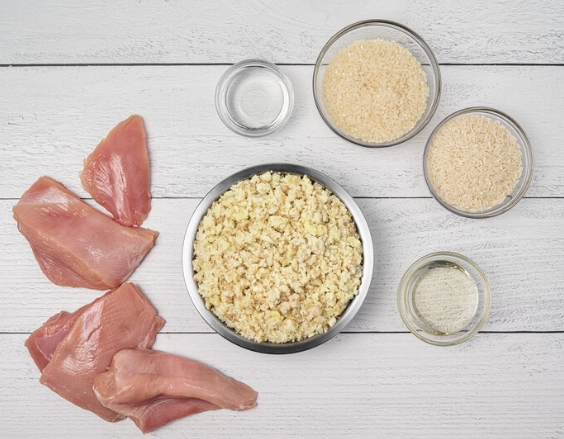
Putting It All Together: A Step-by-Step Feeding Plan
Okay, so you've got your chicken and rice ready. How do you actually do this? Throwing a big bowl of new food at them isn't the answer.
Step 1: The Brief Rest (Optional, but often recommended)
For the first 12-24 hours of acute diarrhea, many vets suggest withholding food (but NOT water). This gives the gastrointestinal tract a complete break to calm down. This is called gastrointestinal rest. However, this is not suitable for all dogs—tiny puppies, very small breeds, or dogs with other health issues can't go long without food. When in doubt, ask your vet if a short fast is appropriate for your dog.
Hydration is critical during this time. Make sure fresh water is always available. If they're not drinking, you can try offering ice cubes or a few spoonfuls of the safe bone broth mentioned earlier.
Step 2: Introducing the Bland Diet
Start with tiny, frequent meals. Think a few tablespoons for a medium dog every 3-4 hours. The goal is to not overwhelm the system. If they keep that down and their stool starts to firm up, you can gradually increase the amount per meal over the next day or two.
Step 3: The Transition Back to Normal Food
This is where people mess up. You can't just go back to regular kibble after 2 days of chicken and rice. The gut needs to readjust.
Once the diarrhea has resolved completely (you're seeing normal, formed stools), start mixing their regular food back in. Day 1: 75% bland diet, 25% regular food. Day 2: 50/50. Day 3: 25% bland, 75% regular. Day 4: 100% regular food. If the diarrhea returns at any point, step back to the previous ratio for another day or two.
This slow transition is the secret to long-term success. It answers the full question of what food is good for dogs with diarrhea, not just at the start, but all the way through recovery.
When Food Isn't Enough: Red Flags for the Vet
You can have the perfect knowledge of what food is good for dogs with diarrhea, but sometimes the problem is beyond dietary management. You need to know when to stop playing chef and start dialing the vet.
Call your veterinarian immediately if you see any of these signs:
- Diarrhea that lasts more than 48 hours despite a bland diet.
- Blood in the stool (bright red or dark, tarry black).
- Vomiting along with the diarrhea.
- Your dog seems lethargic, depressed, or in pain.
- Loss of appetite or refusal to drink water.
- A distended or painful abdomen.
- If your dog is a puppy, a senior, or has a pre-existing condition like diabetes or kidney disease.
These can be signs of parasites, bacterial infections, foreign body obstructions, or serious illnesses like parvovirus or hemorrhagic gastroenteritis. No amount of pumpkin or rice will fix those. They need professional diagnosis and treatment, which may include medications, fluids, or a prescription gastrointestinal diet.
The American Veterinary Medical Association (AVMA) provides excellent resources on recognizing pet emergencies. It's good to familiarize yourself with their guidance so you're prepared. You can find more on their website about general emergency care. For specific, in-depth information on canine parvovirus, a major cause of severe diarrhea in puppies, the Cornell University College of Veterinary Medicine has a detailed fact sheet on canine parvovirus that is an authoritative read.
Commercial Options: Prescription and Over-the-Counter GI Diets
Sometimes, making a homemade bland diet isn't practical. Or maybe your dog has recurrent issues. That's where commercial gastrointestinal (GI) diets come in.
These are specially formulated to be highly digestible, low in fat, and often contain prebiotics or other gut-supporting ingredients. They come in two main types:
- Veterinary Prescription Diets: Brands like Hill's Prescription Diet i/d, Royal Canin Gastrointestinal, or Purina Pro Plan Veterinary Diets EN. These are scientifically formulated and are often the go-to recommendation from vets for managing diarrhea. You need a prescription from your vet to buy them.
- Over-the-Counter Sensitive Stomach Formulas: Many premium pet food brands offer a "sensitive stomach" or "digestive care" line. These are generally higher quality than standard kibble and can be good for dogs with frequent but mild sensitivities. Examples include brands like Purina Pro Plan Sensitive Skin & Stomach, Hill's Science Diet Sensitive Stomach & Skin, or Blue Buffalo Basics Limited Ingredient Diet.
My personal take? For a one-off incident, homemade is fine and cheaper. But for a dog with a chronically sensitive stomach, having a bag of prescription or high-quality sensitive-stomach kibble on hand is a lifesaver. It takes the guesswork out. The transition plan from bland diet back to normal food is the same—just mix it with the new commercial GI kibble instead of their old food.
Your Questions Answered: Common Concerns About Dogs and Diarrhea
Can I give my dog over-the-counter anti-diarrhea medicine?
Short answer: No, do not do this without explicit vet instruction. Human medications like loperamide (Imodium) can be toxic to dogs, especially certain breeds. They can mask symptoms, lead to constipation, or cause toxicity. The treatment is to support the gut with the right food and hydration, not to forcibly stop the process with drugs.
My dog has diarrhea but is acting perfectly normal. Should I still be worried?
If it's a single incident and they're otherwise their happy, energetic, hungry selves, you can often just monitor. Offer the next meal as a bland diet. If it happens again or more than twice in a day, then start the bland diet protocol. Energy level is a huge indicator. No energy = vet time.
What about diarrhea in puppies?
This is a whole different ball game. Puppies can dehydrate incredibly fast and are susceptible to deadly viruses like parvo. If a puppy has diarrhea, especially if they haven't had all their vaccinations, call your vet immediately. Don't wait 48 hours. Better safe than sorry.
Is it okay to fast my dog?
For an otherwise healthy adult dog, a 12-24 hour fast (with water available) at the onset of diarrhea is a common and often effective first step, as mentioned earlier. It's like hitting the reset button. But it's not a one-size-fits-all rule. If your dog has a medical condition or is very small, skipping meals can be dangerous. When in doubt, a small meal of bland food is safer than a long fast.
How long should I feed the bland diet?
Usually until the stools are completely normal for 24-48 hours. That might be 2 days, it might be 5 days. Don't rush it. The slow transition back to regular food is part of the healing process.
See? It's all about working with your dog's body, not against it.
Final Thoughts: Patience and Observation Are Key
Figuring out what food is good for dogs with diarrhea isn't about finding a miracle cure. It's about providing gentle, supportive nutrition that allows your dog's own body to heal. The bland diet of chicken and rice is a classic for a reason—it works. Pumpkin, probiotics, and plenty of water are your best helpers.
But the most important ingredient is you paying attention. Watch your dog's energy, their appetite, and what comes out the other end. Keep them hydrated. And know the signs that mean it's time to get professional help. Trust your gut—if something feels seriously off, it probably is.
Having a plan takes the panic out of the situation. Stock your pantry with some plain pumpkin puree and white rice. Bookmark this page. Next time your dog makes a questionable life choice (and they will), you'll know exactly what to do to get their tummy—and your peace of mind—back on track.
Leave a comment