You're sharing a snack, and those puppy eyes lock onto your handful of almonds. The question hits you: can dogs eat nuts and seeds? The short, messy truth is this: it's complicated. A few are okay in tiny amounts, many are risky, and some are flat-out dangerous. I've been through the panic of a dog snatching food he shouldn't have, and I've learned that the internet is full of vague advice. Let's cut through the noise. This isn't just a list of yes/no foods; it's about understanding the why behind the risks so you can make smarter decisions in the moment.
What's in This Guide?
Which Nuts Are Safe for Dogs? A Detailed Breakdown
Let's be clear: no nut is a necessary part of a dog's diet. Their commercial food is already balanced. We're talking about the occasional, tiny treat. Even the "safe" ones come with big caveats.
Here’s the reality check. Think of these not as treats, but as potential garnishes.
| Nut/Seed | Safety Level | Key Conditions & Risks | How to Offer (If At All) |
|---|---|---|---|
| Peanuts | Generally Safe | Must be plain, unsalted, and shelled. High in fat. A common allergen. | One or two peanuts, crushed. Better as peanut butter (xylitol-free!). |
| Cashews | Safe in Strict Moderation | Lower fat than most nuts, but still high. Always unsalted and roasted (raw can be irritating). | Half a cashew, chopped up, for a medium dog. A rare indulgence. |
| Pumpkin Seeds | Safe & Beneficial | Rich in zinc and fatty acids. Can help with urinary health. Must be raw or roasted, unsalted. | A small sprinkle (¼ tsp) on food. Grind them for better digestion. |
| Flaxseeds & Chia Seeds | Safe & Beneficial | Great source of omega-3s and fiber. Must be ground for nutrient absorption. | A tiny pinch mixed into food. Soak chia seeds first to prevent blockage. |
Notice a pattern? Unsalted, plain, and in minuscule amounts. The moment you add flavoring, salt, or chocolate, you're in the danger zone.
I made a mistake once with cashews. I gave my dog, Milo, three because he was being cute. He was fine, but he had noticeably looser stools the next day. Three cashews! That's how little it takes to upset their system. It was a lesson in how "safe" doesn't mean "unlimited."
What Makes Some Nuts Dangerous for Dogs?
This is where it gets serious. It's not just about an upset stomach. Some nuts contain compounds that are outright toxic.
The Top Offenders You Must Know
Macadamia Nuts: These are the worst. The exact toxin is unknown, but even a small handful can cause weakness (especially in the hind legs), vomiting, tremors, and hyperthermia. Symptoms usually appear within 12 hours.
Walnuts (especially Black Walnuts): The main risk here is twofold. First, moldy walnuts can contain tremorgenic mycotoxins, which cause severe neurological symptoms like seizures. Second, the rough, irregular shape of walnuts (and their shells) is a major choking hazard and can cause intestinal blockages.
Almonds: While not toxic in the same way, they are a terrible idea. Their shape makes them a prime choking and obstruction risk. They're also very difficult for dogs to digest and are often salted or flavored. Just avoid them altogether.
Pecans & Hickory Nuts: Like walnuts, they carry a high risk of mold contamination and contain juglone, which can cause digestive upset. The high fat content is also a problem.
The Silent Killers: Fat, Salt, and Additives
Even if the nut itself isn't toxic, the other components are stealthy threats.
High Fat Content: This is the most overlooked danger. A sudden intake of fatty foods is a leading cause of pancreatitis in dogs—a painful, serious inflammation of the pancreas. Symptoms include vomiting, severe abdominal pain, and lethargy. Recovery can be long and expensive.
Salt & Seasonings: Salt poisoning can lead to excessive thirst, urination, sodium ion poisoning, and in severe cases, seizures. Onion or garlic powder (common in seasoned nuts) is toxic to dogs.
Xylitol: This sugar substitute, found in some "sugar-free" peanut butters and other nut products, is catastrophically toxic. It causes a rapid release of insulin in dogs, leading to hypoglycemia (low blood sugar), seizures, and liver failure. Always, always read the ingredient label.
What About Seeds for Dogs?
Seeds are generally a safer bet than nuts, but the rules about preparation are non-negotiable.
Pumpkin Seeds: These are a winner. They have anti-parasitic properties and support urinary health. I buy raw ones, roast them lightly without oil or salt, grind them in a coffee grinder, and keep the powder in the fridge. A tiny sprinkle on Milo's food once or twice a week is perfect.
Sunflower Seeds: These are okay only if they are shelled and unsalted. The shells are a choking hazard. They contain vitamin E and healthy fats. Again, a few kernels are plenty.
Sesame Seeds: Harmless in small amounts, but they'll mostly pass right through undigested unless ground. Not much nutritional benefit for the dog.
The golden rule with seeds: always shell them, never salt them, and consider grinding them for digestibility. A whole seed can sometimes pass through, but why risk a minor intestinal irritation?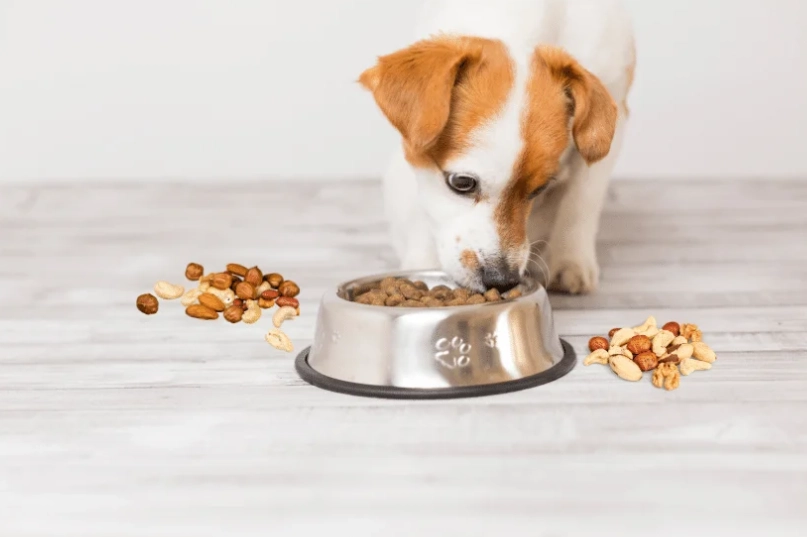
My Dog Ate Nuts: What's My Action Plan?
Stay calm. Panicking doesn't help you or your dog. Follow these steps.
Step 1: Identify and Quantify. What did they eat? How much? Try to find the container. Was it a mix with raisins or chocolate? This information is critical for your vet.
Step 2: Don't Experiment. Do not try to induce vomiting unless explicitly instructed to do so by a veterinarian or poison control expert. For some toxins or if the dog is already showing neurological signs, inducing vomiting can be dangerous.
Step 3: Make the Call.
• For known toxic nuts (macadamia, moldy walnuts) or any amount of xylitol: Call your emergency vet or animal poison control immediately.
• For a small amount of "safe" nuts (like a couple of peanuts): Monitor closely for the next 24-48 hours. Watch for vomiting, diarrhea, loss of appetite, lethargy, or signs of abdominal pain (prayer position). If any symptoms appear, call your vet.
• For a large amount of any nut, or if the dog is small: Call your vet for advice, even if the nut is considered safe. A large fat load is the concern.
Having the number for the ASPCA Animal Poison Control Center (888-426-4435) or the Pet Poison Helpline (855-764-7661) saved in your phone is one of the best things a pet owner can do. Yes, there may be a consultation fee, but it's worth every penny for expert, immediate guidance.
Your Top Questions Answered
What nuts are most toxic to dogs and what should I do if my dog eats them?
Macadamia nuts and black walnuts (especially moldy ones) top the list. With macadamias, even a small handful can cause weakness and tremors. Moldy walnuts contain toxins that trigger seizures. The action plan is non-negotiable: don't wait for symptoms. Call your vet or an animal poison control center immediately. Have the type of nut and your best estimate of the amount ready. Time is critical, and professional guidance on whether to induce vomiting or come right in is essential.
My dog ate a peanut. Is that an emergency?
A single, plain, shelled peanut is not an emergency for most dogs. The bigger issue is what comes with it. Was it salted? Was it part of a mix with raisins? The real risk with peanuts is cumulative—the high fat over time, or the choking hazard from a whole nut. Watch for any odd behavior, but the lesson here is to use the incident as a reminder to secure your snacks and always choose plain, unsalted varieties if you ever share.
What's a safe amount of nuts or seeds to give my dog as a treat?
The 10% rule applies: treats should not exceed 10% of daily calories. For nuts and seeds, I'd be even stricter. For a 50-pound dog, a "treat" might be one-quarter of a cashew, chopped up. It's a flavor, not a portion. For seeds like pumpkin or flax, a quarter-teaspoon sprinkled on food is plenty. More than that, and you're tipping into high-fat territory, asking for digestive trouble or worse.
Are peanut butter and almond butter safe for dogs?
They can be, but you have to become a label inspector. The only ingredients should be nuts (peanuts, almonds) and maybe salt. The instant you see xylitol on the list, it's poison. Also avoid added sugars, chocolate, or excessive salt. Even with a safe brand, it's a high-fat paste. Use it sparingly—a small smear inside a Kong toy, not a spoonful. My go-to is a brand with one ingredient: peanuts.
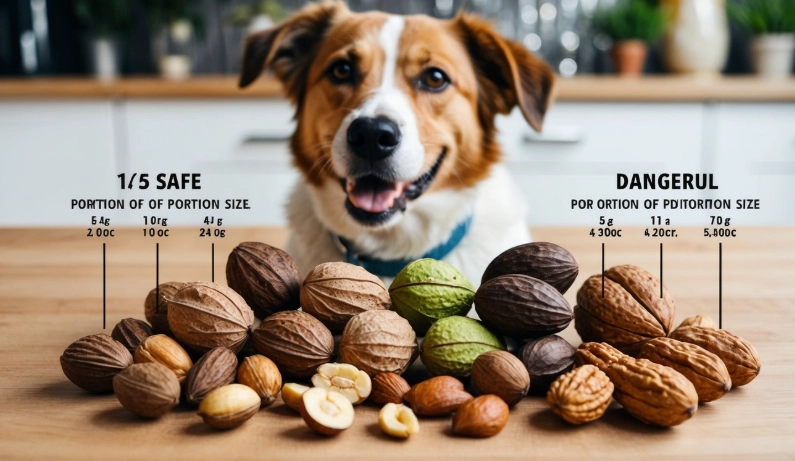 Look, at the end of the day, our dogs don't need nuts. There are a hundred better, safer treats out there. A piece of carrot, a slice of apple, a bit of plain cooked chicken. If you really want to share a bit of your snack, now you know the precise risks and the tiny margins for error. It's not about being paranoid; it's about being informed. That way, you can enjoy your handful of almonds in peace, and your pup can enjoy being healthy by your side.


Leave a comment