Quick Navigation
It happens in a flash. One minute your dog is happily sniffing around the garden, the next they're yelping, lifting a paw, and starting to hobble. You rush over and see it—a bee, maybe still buzzing away, and your poor pup looking confused and in pain. A dog stung by a bee on the paw limping is a super common summer scare, but when it's your dog, it can feel anything but routine.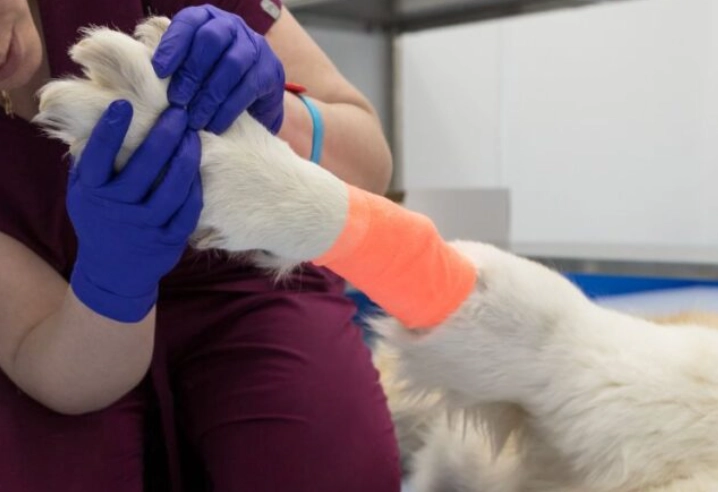
I remember the first time it happened to my old Labrador, Barley. He stepped right on a bee hidden in the clover. The sudden yelp, the frantic licking, the obvious favor of that paw—my heart sank. Was it serious? Should I rush to the vet? Could I do anything at home? I fumbled through it, wishing I had a clear guide. Now, after talking to vets and going through it a few more times (turns out Barley never learned his lesson), I've got a system down.
This isn't just a quick list of tips. We're going to walk through everything, from the second it happens to the days after. We'll cover the immediate first aid you can (and should) do at home, the red flags that mean "vet, now," the step-by-step home care, and how to hopefully prevent the next one. Let's get your furry friend back on all fours comfortably.
First Things First: Immediate Steps for a Bee Sting on a Dog's Paw
Okay, panic mode off (or at least, dialed down). Your dog is limping after a bee sting, but they're breathing normally and alert. Here's your action plan for the first 30 minutes. Acting calmly and quickly can make a huge difference in their comfort and recovery.
1. Stay Calm and Restrain Gently. Your dog is scared and in pain. They might try to bite or lick the area obsessively. Speak in a soothing voice. If you need to, gently leash them or have someone help hold them still. A muzzle is a good idea if your dog is in pain and you're worried about a nip—it's a safety tool, not a punishment.
2. Locate and (Maybe) Remove the Stinger. Bee stingers have a venom sac that can keep pumping for a few minutes. If you can see a little black dot in the center of the red spot, that's the stinger. Don't use tweezers! Pinching the sac can inject more venom. Instead, scrape it out with the edge of a credit card, your fingernail, or a blunt knife. If it's deeply embedded or you can't see it clearly, don't dig around. The body will eventually encyst it. Wasps and hornets don't leave stingers, so if you didn't see the bee, you might just be dealing with the puncture.
3. Clean the Area. Mix a mild soap with cool water and gently wash the paw. This helps prevent infection from the puncture and removes any residual venom on the surface. Pat it dry gently with a clean towel.
4. The Cold Compress is Your Best Friend. This is the single most effective thing you can do for pain and swelling. Wrap some ice cubes or a bag of frozen peas in a thin towel. Hold it against the stung paw for 5-10 minutes, then take it off for 5 minutes. Repeat this cycle for about 30-45 minutes. The cold constricts blood vessels, slowing venom spread and numbing the pain. Most dogs actually find this relieving once they get over the initial weirdness.
5. Observe Like a Hawk. For the next hour or two, don't let your dog out of your sight. You're watching for any signs that this is more than a local reaction. Check their gums—they should be pink and moist, not pale or blue. Monitor their breathing. Watch for any swelling that travels up the leg or to other parts of the body (like the face or hives on the belly).
What about giving human medicine? Hold that thought. We'll get to medication in the home care section, but it's crucial to talk to your vet first. Giving the wrong thing or the wrong dose can be dangerous.
When a Limping Dog Needs the Vet: Red Flags You Can't Ignore
Most bee stings on a dog's paw result in local pain, swelling, and limping that resolves with home care. But some dogs react more severely. How do you know when to tough it out at home and when to make the call? Let's break it down.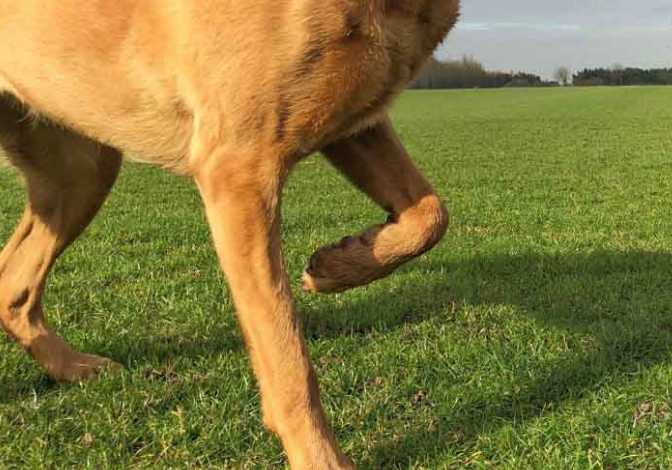
If your dog stung by bee on paw is limping but otherwise normal—eating, drinking, responsive—home care is likely sufficient. The limp might last a day or two as the swelling goes down.
You should call your veterinarian for advice if you see any of the following:
- Multiple stings. More venom means a greater systemic reaction risk.
- Swelling that's severe or spreading up the leg or to other areas.
- Excessive pain that isn't relieved by a cold compress after an hour.
- The paw is hot to the touch or has pus/discharge a day later (sign of infection).
- Your dog is trying to lick or chew the paw incessantly, risking a "lick granuloma" (a self-inflicted sore).
Now, the following symptoms mean you should seek veterinary care immediately. Don't call first—just go to your regular vet if they're open, or head straight to the emergency clinic.
| Symptom | What It Might Mean | Action |
|---|---|---|
| Difficulty breathing, wheezing, coughing | Swelling in the airways (anaphylaxis) | EMERGENCY |
| Severe swelling of the face, muzzle, or neck | Systemic allergic reaction | EMERGENCY |
| Collapse, extreme weakness, inability to stand | Severe systemic reaction or shock | EMERGENCY |
| Pale or bluish gums | Poor circulation, shock | EMERGENCY |
| Vomiting or diarrhea (especially multiple times) | Systemic reaction to venom | URGENT |
| Widespread hives (raised bumps on skin) | Significant allergic reaction | URGENT / Call Vet Now |
Veterinary treatment for severe reactions typically involves injectable antihistamines and corticosteroids to stop the allergic response. In cases of anaphylaxis, they may use epinephrine and provide oxygen and IV fluids. It's serious but treatable if you act fast.
For more detailed information on recognizing allergic reactions in pets, the American Veterinary Medical Association (AVMA) provides excellent resources. It's a trusted source I often check.
Home Care and Comfort: Getting Your Dog Through the Next Few Days
So the immediate danger has passed. Your vet gave the all-clear, or you've determined it's a mild case. Now the mission is comfort and healing. A dog limping after a bee sting needs patience. Here's your home care checklist.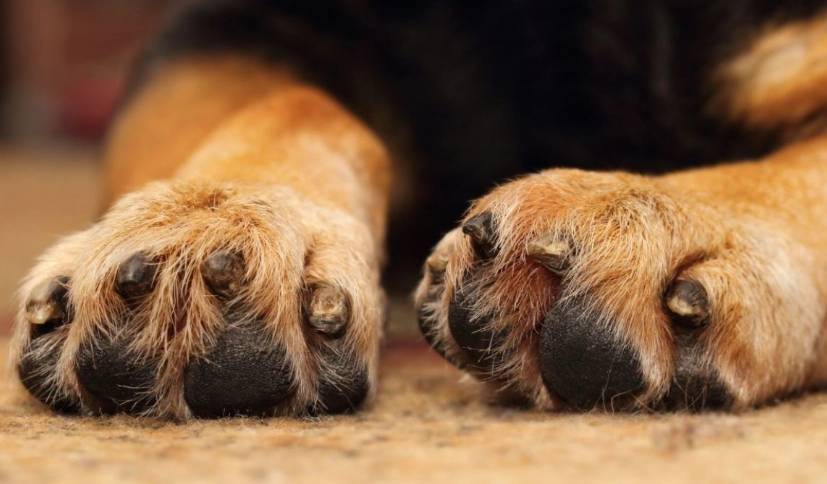
The Home Care Protocol
Restrict Activity. This is non-negotiable. A limping dog needs to rest the injured paw. Short, leashed potty breaks only. No running, jumping, or long walks for at least 24-48 hours. Crate rest can be a big help if your dog is restless.
Continue Cold Therapy. For the first day, apply the cold compress (20 minutes on, 20 minutes off) several times to keep swelling down.
Prevent Licking and Chewing. This is huge. Saliva contains bacteria, and constant licking can turn a simple sting into an infected mess and delay healing. The solution? The Cone of Shame (Elizabethan collar) or a soft inflatable "donut" collar. It might look silly, but it works. My dog hated the cone but tolerated the donut much better.
Medication (Vet-Approved Only!). Never give your dog human ibuprofen (Advil) or acetaminophen (Tylenol)—these are toxic to dogs. Your vet might recommend an appropriate dose of an antihistamine like diphenhydramine (Benadryl) to help with itching and mild swelling. Always confirm the correct dosage for your dog's weight with your vet first. For pain, they may prescribe a pet-safe anti-inflammatory.
Monitor the Site. Check the paw twice daily. A little redness and swelling is normal for 1-3 days. It should gradually get better, not worse. Watch for signs of infection: increasing redness, heat, swelling, pus, or a foul smell.
Offer Comfort. Extra cuddles, a favorite blanket, maybe some puzzle toys to keep their mind occupied while they're on rest. They've been through a scare.
How long will the limping last? Typically, you'll see noticeable improvement within 24 hours. The severe pain usually subsides in a few hours with care, but a subtle limp or tenderness might linger for 2-3 days as the last bits of inflammation resolve. If the dog stung by bee on paw limping persists beyond 3-4 days, or gets worse, it's time for a vet check to rule out infection or a foreign body.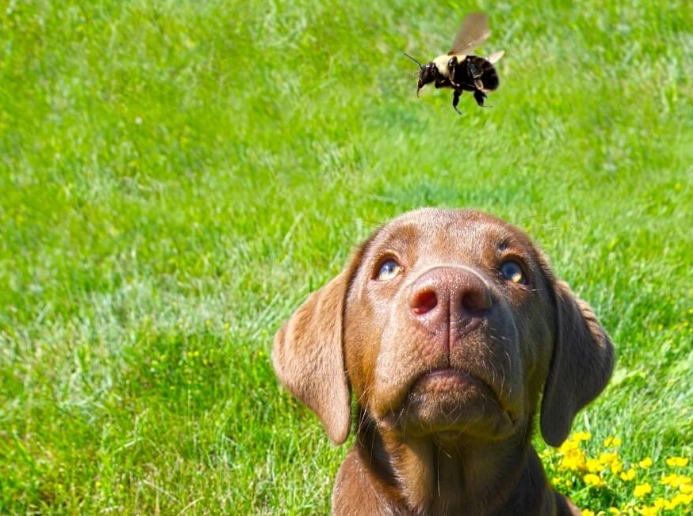
Prevention: Keeping Those Paws Safe From Future Stings
Once is bad enough. You don't want a repeat performance. While you can't bee-proof the world, you can reduce the risks significantly.
- Bee-Proof Your Yard (As Much As Possible). Regularly check for ground nests (look for holes in the soil with bee activity) and hanging nests in eaves, sheds, or bushes. If you find a nest, call a professional exterminator—don't try to handle it yourself with your dog around.
- Walk Smart. During peak bee season (late spring through summer), be cautious in clover-filled fields, gardens, or near flowering ground cover. Stick to paths.
- Train a "Leave It" Command. This is golden. A solid "leave it" can stop your dog from pawing at or sniffing a buzzing insect. It takes time but is worth the effort.
- Consider Paw Protection. For dogs who are repeat offenders or highly allergic, dog boots for yard time or walks in high-risk areas create a physical barrier. It sounds extra, but for some dogs, it's a lifesaver.
- Have a Pet First-Aid Kit Ready. Include a card for scraping stingers, a cold pack (the instant kind you snap to activate), a roll of vet wrap, and your vet's/emergency clinic's phone number. Knowing you're prepared reduces your own stress.
What about dogs that have had a severe reaction? Talk to your vet about the possibility of carrying an epinephrine auto-injector (EpiPen) prescribed for your dog if you go on hikes or trips far from veterinary care. It's a discussion worth having.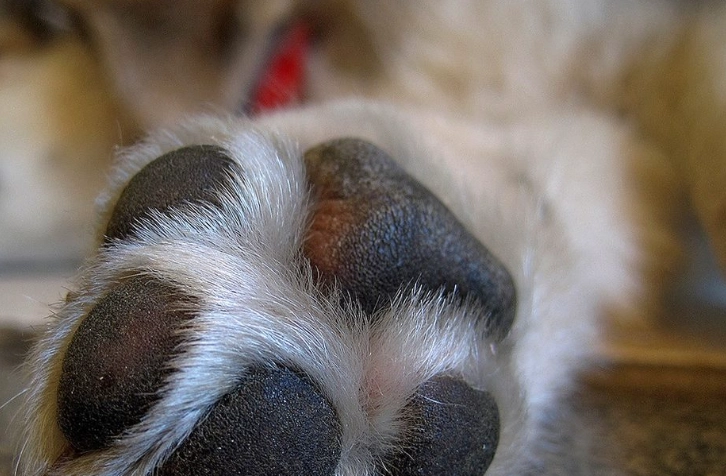
Your Top Questions Answered (FAQ)
Let's tackle some of the specific questions buzzing around in your head right now.
Yes, the location matters a lot. Stings on the face, muzzle, or inside the mouth are more concerning because swelling in those areas can more easily compromise breathing or swallowing. A sting on the lip can make the whole muzzle swell up like a balloon. These cases warrant an immediate call to your vet, even if your dog seems okay at first. The risk of airway obstruction is higher than with a paw sting.
It is possible, though not common, from a single sting. The risk comes from a severe anaphylactic reaction, which can cause fatal shock or suffocation from airway swelling. Multiple stings (like disturbing a nest) also deliver a large amount of venom, which can be toxic. This is why knowing the emergency signs and acting fast is so critical.
Good question. A bee sting on a paw often has a characteristic central puncture point or tiny red dot. It usually causes sudden, acute onset limping paired with licking/chewing at one specific spot. The swelling tends to be localized and puffy. A cut or thorn will have a different wound appearance, and a sprain might not have a central point. If you're unsure, a vet can diagnose it.
Some dogs are just... curious or clumsy. Puppies and young dogs are often more likely to bat at buzzing things. Dogs with a strong prey drive might see insects as toys. There's no evidence that coat color attracts bees, but a dog that's always sticking its nose in flowers is simply at higher risk. Training is your best defense.
Beyond the cold compress, a paste of baking soda and water (for bee stings, which are acidic) applied for 10-15 minutes can sometimes help neutralize venom and soothe itch. Rinse it off after. Avoid vinegar (for wasp stings, maybe, but it's messy and stings open skin) and never put mud or random essential oils on it. Simple and vet-recommended is best. Honestly, the baking soda trick has mixed results in my experience—the cold pack is more reliably effective.
The sting itself is not contagious. However, teach children to give the dog space when it's hurt and limping. A pained dog may snap if a child tries to touch the sore paw. It's also a good teaching moment about bees and safety for everyone.
Watching your dog deal with a bee sting on the paw and limping is no fun. But with knowledge, a calm head, and a plan, you can navigate it smoothly. Most of the time, it's a temporary, painful nuisance that you can manage at home. Your job is to be the calm in their storm—to provide the first aid, the comfort, and the watchful eye that gets them from a painful yelp back to happy tail wags.
Keep that cold pack handy, know your vet's number, and give your brave pup an extra scratch behind the ears. They're counting on you.




Leave a comment