Let's cut right to the chase. Yes, most dogs can eat peanut butter, and many absolutely love it. It's a fantastic high-value treat for hiding pills, stuffing into Kong toys, or just as an occasional reward. But here's the critical part most articles gloss over: the difference between "can" and "should" is a single, deadly ingredient. Giving your dog the wrong jar could be a fatal mistake. I've seen the panic in the emergency room when a well-meaning owner didn't know what to look for on the label. This guide isn't just about permission; it's about doing it safely, smartly, and in a way that actually benefits your dog.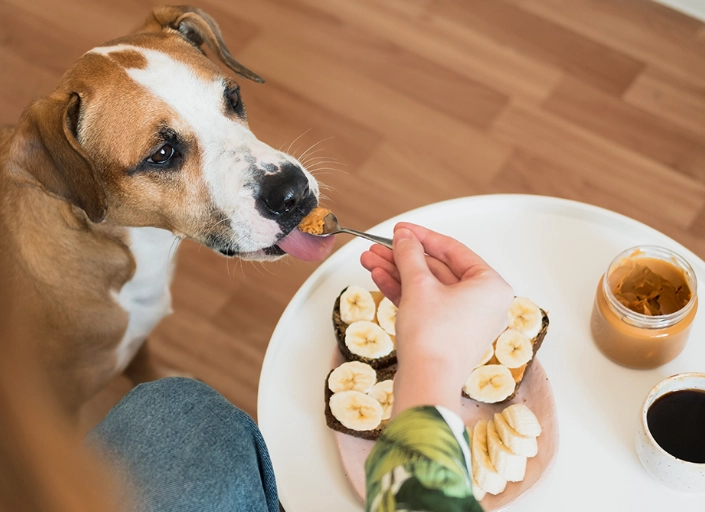
What's Inside This Guide
The Xylitol Danger: Why This Isn't Just a Precaution
If you remember one thing from this entire article, let it be this: xylitol is toxic to dogs. It's not an allergy or a mild stomach upset. It's a medical emergency that can kill a dog within hours. Xylitol is a sugar alcohol used as a sweetener in many "sugar-free" or "low-sugar" products, including some peanut butters marketed as healthy for humans.
Here's what happens inside your dog. In dogs, xylitol triggers a massive, rapid release of insulin from the pancreas. This causes blood sugar levels to plummet (hypoglycemia). Symptoms can start within 10-60 minutes: vomiting, weakness, staggering, seizures, and collapse. At higher doses, it can cause acute liver failure. According to the ASPCA Animal Poison Control Center, cases of xylitol poisoning have been rising steadily as the sweetener becomes more common.
The Sneaky Part: Xylitol isn't always listed clearly as "xylitol." It can hide under names like "wood sugar," "birch sugar," or just be included in "sugar alcohols." If the label says "sugar-free" and has a low net carb count, put it back on the shelf. Don't even risk it. I tell my clients to treat any sugar-free peanut butter like a bottle of poison, because for their dog, it is.
How to Choose a Truly Safe Peanut Butter for Your Dog
Once you've ruled out xylitol, the next step is picking the best option. The ideal peanut butter for dogs has exactly one ingredient: peanuts. Maybe two: peanuts and salt. That's it.
Many human-grade "natural" peanut butters are fine, but you have to become a label detective. Here’s a quick breakdown of what to look for and what to avoid:
| Ingredient | Status for Dogs | Why It Matters |
|---|---|---|
| Peanuts | Safe & Good | The main event. Source of protein and healthy fats. |
| Salt | Okay in Moderation | Too much can lead to dehydration or sodium ion poisoning. Low-sodium is best. |
| Palm Oil | Avoid if Possible | Added to prevent oil separation. Not toxic, but high in saturated fat and environmentally questionable. |
| Added Sugars (corn syrup, molasses, cane sugar) | Avoid | Empty calories that contribute to obesity and diabetes. Completely unnecessary. |
| Hydrogenated Oils | Avoid | Trans fats. Bad for human hearts, bad for dog hearts. |
| Chocolate or Raisins | DANGER - TOXIC | Sometimes found in specialty spreads. Both are highly toxic to dogs. |
A common mistake I see is owners grabbing the "organic" or "all-natural" jar without checking. I once had a client bring in a fancy, expensive organic peanut butter that was sweetened with... you guessed it, xylitol. The marketing was green and healthy, but the ingredient list was a danger zone.
My Go-To Brand Recommendations (And Ones I Skip)
I don't get paid to recommend brands, but after years in practice, I have preferences. Smucker's Natural Peanut Butter (Unsalted) is a widely available, reliable choice with just peanuts. Teddie Peanut Butter (the unsalted variety) is another good one. I generally avoid the big commercial brands like Jif or Skippy's regular versions for daily use because of the added sugar and hydrogenated oils, though a tiny lick in a pinch from a safe, xylitol-free jar isn't a crisis.
The best move? Find a grocery store with a grind-your-own peanut butter machine. You get 100% pure peanuts, no additives, and you can see exactly what's going in.
How Much Peanut Butter Can Your Dog Actually Have?
Peanut butter is calorie-dense. A single tablespoon can have around 90-100 calories. For a small dog, that could be 10% of their daily calorie needs. Think of it as a treat, not a meal.
A good rule of thumb is that treats should not make up more than 10% of your dog's daily calories. Let's put that into practice with a real example:
Say you have a 30-pound Beagle who needs about 700 calories a day. Ten percent of that is 70 calories. One tablespoon of peanut butter is roughly 100 calories. So for that Beagle, a full tablespoon already blows the treat budget. A safer serving would be one teaspoon (about 30-35 calories), maybe twice a week as a special reward inside a toy.
For a 70-pound Labrador (needing ~1300 calories), a tablespoon as an occasional treat is more reasonable. Always adjust their main meals slightly if you're adding high-calorie treats.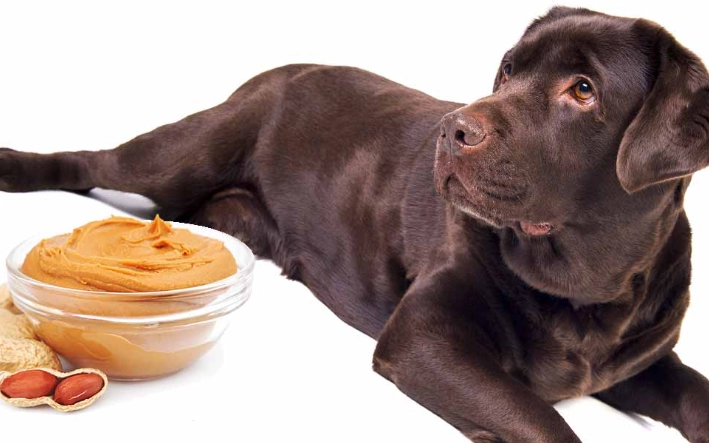
Portion control is where most people slip up. They let the dog lick the spoon and call it a day, not realizing that "one lick" turned into two tablespoons. Use a measuring spoon. Every time.
Beyond Safety: The Real Benefits and Hidden Risks
When used correctly, peanut butter can have some upsides. It's a great source of protein and healthy fats. The act of licking it out of a toy is mentally stimulating and can reduce anxiety. It's unparalleled for administering bitter pills.
But let's talk about the downsides that don't get enough airtime.
Pancreatitis Risk: This is a big one, especially for smaller dogs or breeds prone to it like Schnauzers. The high fat content in peanut butter can trigger a painful and dangerous inflammation of the pancreas. If your dog has ever had pancreatitis, or is overweight, peanut butter is likely off the table entirely.
Allergies: While not as common as in humans, dogs can be allergic to peanuts. Signs include itchy skin, ear infections, or gastrointestinal upset. If you're introducing it for the first time, give a tiny amount and wait 24 hours.
The Choking/Smothering Hazard: This sounds silly until you've had to help a dog who got a glob stuck to the roof of its mouth. They panic, paw at their face, and can't dislodge it. Always spread peanut butter thinly inside a toy or on a lick mat. Never give a large glob on a spoon directly.
Aflatoxin: This is a mold-produced toxin that can sometimes be found on peanuts. Reputable brands test for it, but it's a reason to buy quality peanut butter and not let it sit in your pantry for years.
Your Top Peanut Butter Questions Answered
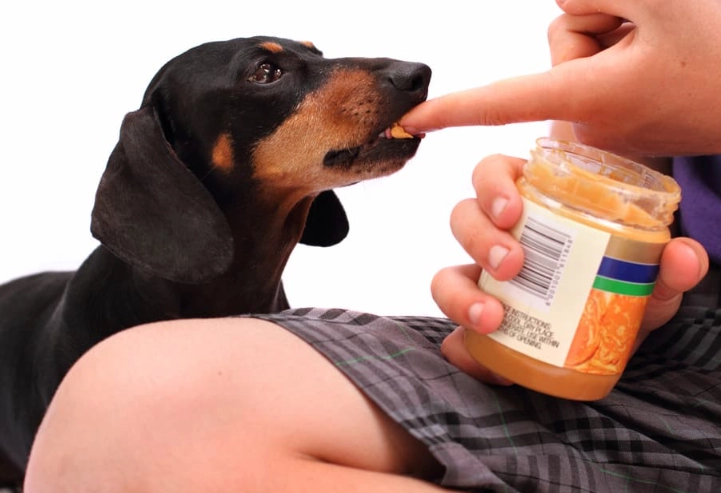
So, can dogs eat peanut butter? The answer is a qualified yes. It requires vigilance—xylitol vigilance first and foremost, then portion control, and an understanding of your own dog's health. When chosen wisely and used sparingly, it's a tool that can make life with your dog a little sweeter and a lot easier. Just make sure the sweetness doesn't come from the wrong place.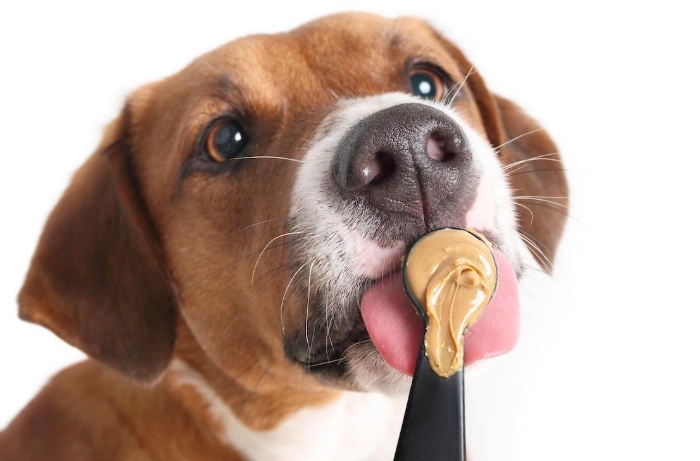

Leave a comment