Let's talk about small litter boxes. Maybe you live in a studio apartment where every square foot counts. Perhaps you've just brought home a tiny kitten. Or you're trying to fit a second box into a bathroom that's already cramped. The search for a compact litter solution is real, and it's more than just buying the smallest pan you can find. Get it wrong, and you're dealing with messes, odors, and a very unhappy cat. I've been through it—trying to squeeze a box into a closet, under a desk, in the corner of a bathroom that's barely bigger than a postage stamp. This guide cuts through the clutter. We'll look at when a small box makes sense, how to pick one that actually works, and the subtle mistakes that can turn a space-saver into a headache.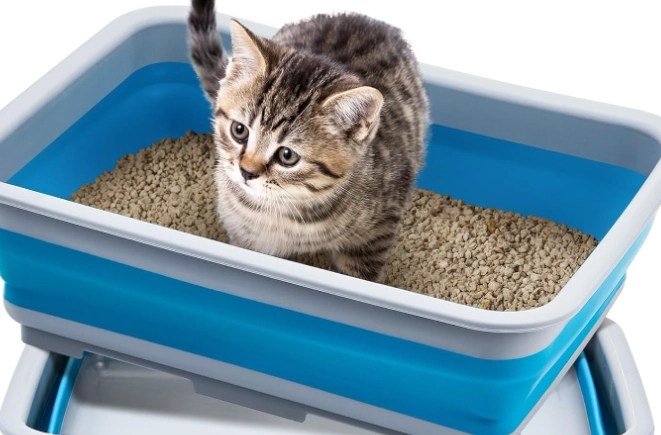
What's Inside?
Why Choose a Small Litter Box?
You don't just wake up and decide you want less litter box. There's usually a specific, space-related reason. Here are the main ones.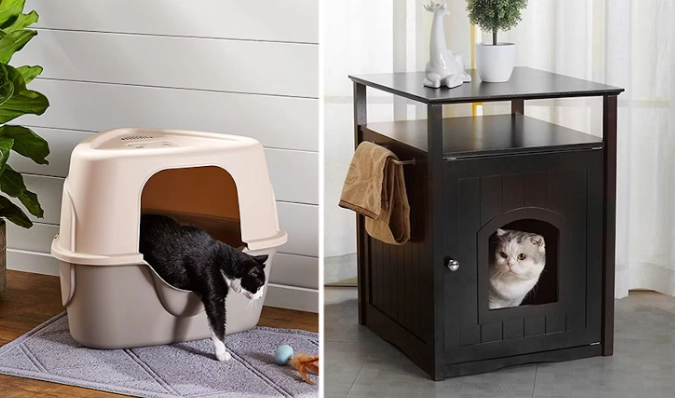
Apartment and Small Space Living is the big one. In a 500-square-foot apartment, a giant, open litter pan can dominate a room. A compact box can tuck into a designed nook, under a sink with the cabinet door cut out, or in a corner that would otherwise be wasted.
For Kittens, a standard-sized box can be intimidating. The high sides are a climb, and the vast interior can feel insecure. A small, low-sided box is more accessible and feels safer. Think of it as a starter home. You'll need to upgrade as they grow, usually around 6 months.
Some people use a Second Box in a Tight Spot. The general rule from experts like the ASPCA is one box per cat, plus one extra. If you have two cats, that means three boxes. Finding room for that third one often means going small—maybe in a hallway niche or a spare bathroom.
But here's the non-consensus part everyone misses: a small box isn't just about floor space. It's about the volume of litter. A small box with low sides holds less litter, which means waste concentrates faster. It gets saturated and smelly quicker. So your trade-off for saving floor space is a stricter cleaning schedule. There's no free lunch.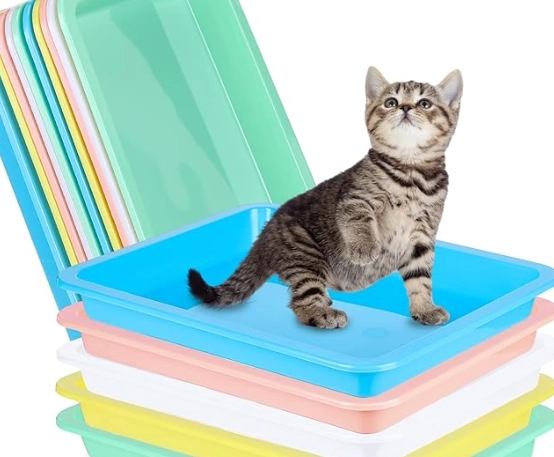
How to Choose the Best Small Litter Box
Picking a small litter box isn't just grabbing the cheapest one. You need to match it to your cat's habits and your cleaning tolerance. Let's break down the options.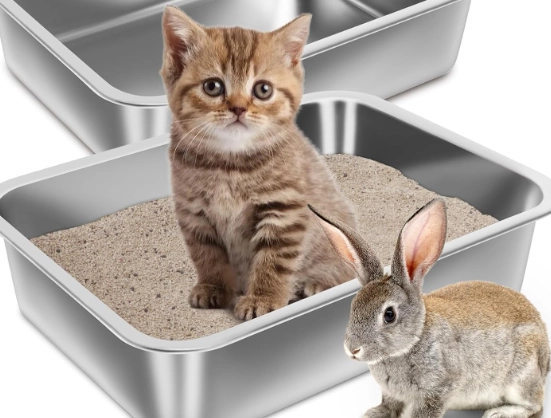
| Type | Best For | Watch Out For |
|---|---|---|
| Basic Open Pan (Small) | Kittens, senior cats, cats who dislike enclosures. Easiest to clean. | Maximum litter scatter. Zero odor containment. |
| Top-Entry Box | Controlling litter tracking. Curious dogs or toddlers. Can feel spacious inside. | Not for kittens, elderly, or arthritic cats. The jump can be a barrier. |
| Enclosed/Hooded Box (Compact) | Odor and scatter control. Privacy for shy cats. | Can trap odors inside for the cat. Feels cramped. Needs frequent washing. |
| Smart/Self-Cleaning Box (Small Models) | Busy households. Maintaining freshness with minimal daily effort. | High cost. Mechanical noise can scare some cats. Still requires regular emptying. |
Material matters too. Plastic is standard, but look for non-porous, seamless interiors. Porous plastic absorbs urine smells over time, creating a permanent funk no amount of washing fixes. I made this mistake with a cheap, textured box. After a year, it was permanently pungent. I had to throw it out.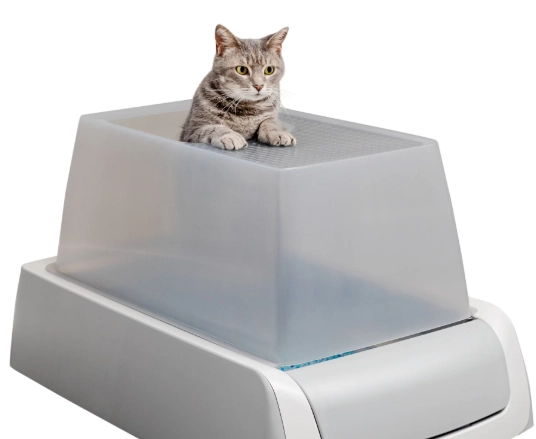
Your checklist should be:
- Length & Width: At least 1.5 times your cat's length (nose to base of tail).
- Depth: Deep enough for 2-3 inches of litter, but with a low enough entry point.
- Entry Style: Can your cat get in and out comfortably, every time?
- Your Access: Can you easily get a scoop in every corner to remove clumps?
My Top Picks for Small Litter Boxes
Based on testing and user reports, here are three that solve different small-space problems.
1. The Space-Efficient All-Rounder: Petphabet Basics Hooded Corner Box
This triangular box is a genius use of dead corner space. It fits perfectly into a 90-degree corner, saving the precious middle of the room. The hood helps with odor and contains some scatter, and the entry is a standard low-cut opening. The inside is smooth plastic, easy to wipe down.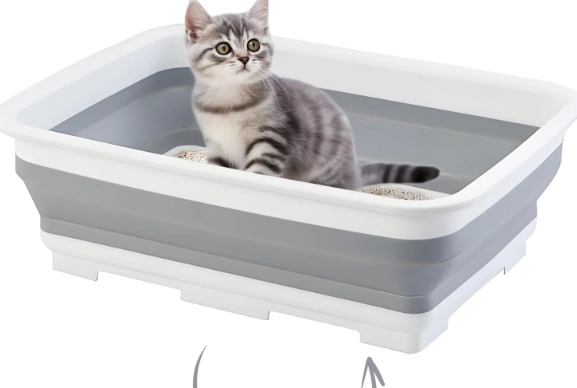
My take: It's not huge inside, so it's best for a single, average-sized cat in a tight apartment. The charcoal filter on the hood is basically a placebo—don't rely on it for odor. But as a physical space-saver, it works very well.
2. The Top-Entry Tracking Stopper: IRIS USA Top-Entry Box
This one has a smaller footprint than many open pans because the cat jumps in from the top. The grated lid catches a ton of litter from their paws as they exit. The interior space is actually quite generous for its external size. It's a solid choice if litter tracking is your main enemy.
The catch: You have to be sure your cat is a jumper. I tried this with my older cat, and she looked at it, looked at me, and peed on the bathmat. A definite no-go for her. Perfect for my agile younger one, though.
3. The High-Tech Solution: Litter-Robot 3 Connect (Compact Consideration)
Hear me out. While not "small" in a traditional sense, its footprint is a neat circle, and it eliminates the need for multiple boxes. For a single-cat home in a studio, one Litter-Robot can be your only box. It self-sifts after each use, keeping the litter bed consistently clean in a way a tiny, manually scooped box never can. It's an investment, but it solves the core problem of a small box: rapid waste accumulation.
If the price tag is too high, even a basic sifting litter box system with a small tray can make daily cleaning of a small pan faster and less messy.
Keeping a Small Litter Box Clean (It's Crucial)
With a small litter box, cleaning isn't a suggestion; it's the law. Here’s the non-negotiable routine.
Daily, sometimes twice-daily, scooping. Because the litter volume is low, urine clumps will saturate the available clean litter quickly. If you scoop only once a day, your cat's second visit might be to a box that's half waste. They'll start looking for other places.
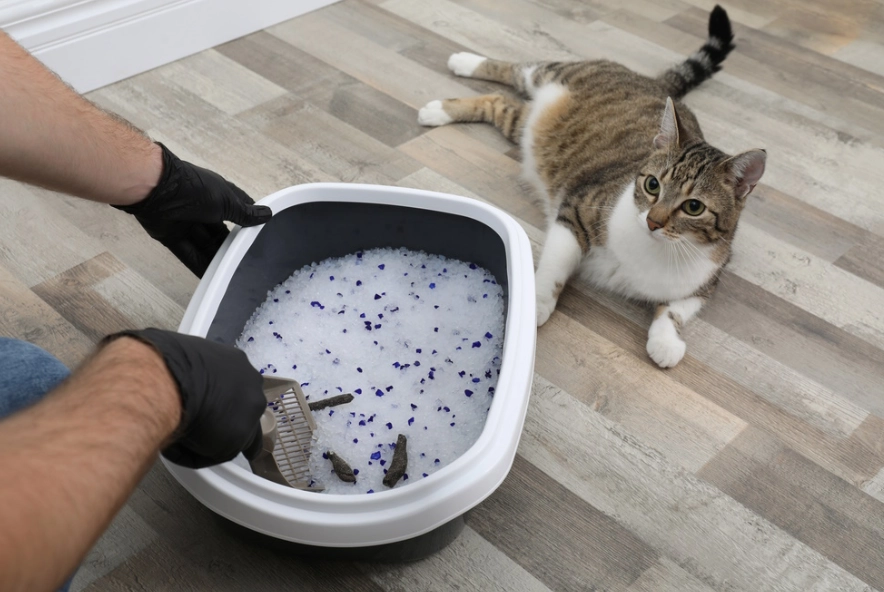
Weekly deep cleans. Empty all the litter. Wash the box with mild soap and water. Avoid harsh chemicals like ammonia or bleach (ammonia smells like urine, bleach can smell like chlorine which is also off-putting). White vinegar and baking soda work well. Rinse thoroughly. Any residual soap smell can deter use.
Litter choice amplifies everything. In a small box, avoid lightweight litters. They track everywhere and get kicked out more easily. A premium, clumping clay or a silica gel litter will give you the best odor control and waste containment. You use less of it, so the higher cost per bag isn't as painful.
Consider a litter-catching mat that extends at least two feet out from the entry. It's your first line of defense against the increased scatter risk of a small box.
Common Small Litter Box Mistakes
I've seen these over and over. Avoid them.
1. Prioritizing Footprint Over Function. Buying a box so small the cat's backside hangs over the edge. They'll use it once, hate it, and then you have a behavior problem. The cat is never wrong about the box being wrong.
2. Ignoring the Depth. A box with sides only 3 inches high might save space, but it only holds an inch of litter. That's not enough to properly bury waste, leading to smell and stickiness. Go for depth over length if you must choose.
3. Putting It in a Noisy, High-Traffic Area. Just because a box fits under the end table in your living room doesn't mean it should go there. Cats need to feel safe and unobserved. A small box in a busy hallway will often be avoided. A quiet bathroom or closet is better, even if it's a tighter squeeze for you.
4. Forgetting to Upgrade the Kitten Box. That tiny box your kitten loved at 8 weeks will be comically small at 8 months. You'll notice them perching on the edge or going next to it. That's your sign to size up.
Your Small Litter Box Questions Answered
How small is too small for a cat's litter box?
A good rule is the box should be at least as long as your cat from their nose to the base of their tail, and wide enough for them to turn around comfortably without touching the sides. If they have to crouch in an awkward position or their rear hangs over the edge, it's too small. For most adult cats, this means a box less than about 18 inches in length is pushing it.
My apartment is tiny. How can I control the smell from a small litter box?
Scoop immediately, seriously. Twice a day minimum. Use a high-quality clumping litter that locks in odor, and fill the box to the recommended depth (usually 2-3 inches) so waste can be fully buried. Consider an air purifier with a HEPA and carbon filter near the box location. Baking soda in the bottom of the box or a non-scented litter deodorizer can help, but nothing beats mechanical removal of waste. Enclosed boxes trap smell inside for the cat, which they hate, but a top-entry design can help contain odors for the room slightly better than an open pan.
Can I just use a plastic storage tub as a small litter box?
You can, and many people do for a cheap, large box. For a small box, you'd cut an entry hole. The pros are it's cheap and you can customize the size. The major con is that storage tub plastic is often very porous and will absorb odors permanently much faster than a litter box designed with denser plastic. It also usually lacks a smooth, curved interior, making it harder to clean completely. If you go this route, plan to replace it every 6-12 months as smells build up.
My kitten keeps missing the small litter box. What should I do?
First, ensure the sides are low enough for easy entry. Kittens can't climb high walls. Second, the box might actually be too small already—a growing kitten can outgrow a "kitten" box in weeks. Try a slightly larger but still low-sided option. Third, make sure you're not using too much litter; 1-2 inches is plenty for a kitten to dig in. Finally, rule out medical issues with a vet if the problem persists, as missing the box can signal a urinary tract infection.
Are there any small self-cleaning litter boxes that actually work?
The market for truly compact self-cleaning boxes is slim, as the mechanism requires space. The most reliable smaller-footprint option is still the Litter-Robot. There are newer, dome-shaped automated boxes that claim to be space-saving, but read recent, long-term user reviews carefully. Many have issues with sensor reliability or getting stuck mid-cycle. The trade-off is often mechanical complexity (and potential failure) for space savings. A very small, simple sifting box you clean diligently might be more reliable.





Leave a comment