You're here because your dog is scratching himself raw, his face is puffy, or maybe you're dreading a long car ride. You've heard Benadryl can help. Google says it's "safe," but then you see horror stories. The confusion is real. One site says 1 mg per pound, another says only for allergies, and your neighbor swears it cures his dog's anxiety. Who's right?
Let's cut through the noise. I've worked with dogs for over a decade, and I've seen the good, the bad, and the scary with over-the-counter meds. This isn't just another generic dosage chart. This is a safety-first manual that explains the why behind the numbers, points out the pitfalls most owners miss, and gives you the confidence to make an informed decision—or better yet, have a smarter conversation with your vet.
What You'll Find in This Guide
Understanding Benadryl for Dogs
Benadryl's active ingredient is diphenhydramine. It's an antihistamine. In simple terms, it blocks histamine, a chemical your dog's body releases during an allergic reaction. That's why it can help with:
Mild Allergic Reactions: Think seasonal allergies (itchy skin, sneezing), mild vaccine reactions, or bug bites. It's for reducing symptoms, not curing the cause.
Motion Sickness & Anxiety: Here's where it gets tricky. The sedative side effect can calm some dogs for travel. But it's a blunt instrument. For some dogs, it does nothing; for others, it can cause paradoxical hyperactivity (they get wired, not tired). It's not a dedicated anti-anxiety drug.
Let's be clear on what it doesn't treat. It won't fix a skin infection (hot spots often need antibiotics), cure food allergies, or stop severe allergic reactions (anaphylaxis). If your dog's throat is swelling, that's an emergency—drive to the vet, don't reach for the pill bottle.
The Core Dog Benadryl Dosage Chart
Alright, here's the standard veterinary guideline. This chart assumes you are using plain Benadryl (diphenhydramine HCl) with no other active ingredients. The most common tablet strengths are 25 mg.
| Dog Weight | Dosage (mg of Diphenhydramine) | Approximate Dose (25 mg tablets) | Maximum Frequency |
|---|---|---|---|
| 10 lbs (4.5 kg) | 10 mg | ½ of a 25 mg tablet | Every 8-12 hours |
| 25 lbs (11 kg) | 25 mg | 1 tablet | Every 8-12 hours |
| 50 lbs (23 kg) | 50 mg | 2 tablets | Every 8-12 hours |
| 75 lbs (34 kg) | 75 mg | 3 tablets | Every 8-12 hours |
| 100 lbs (45 kg) | 100 mg | 4 tablets | Every 8-12 hours |
The golden rule is 1 mg of diphenhydramine per pound of body weight. But here's the expert nuance everyone misses: that's the maximum dose. For a mild itch or a first-time trial, I often start at half that (0.5 mg/lb) to see how the dog tolerates it. Less is often safer, especially for smaller breeds or seniors.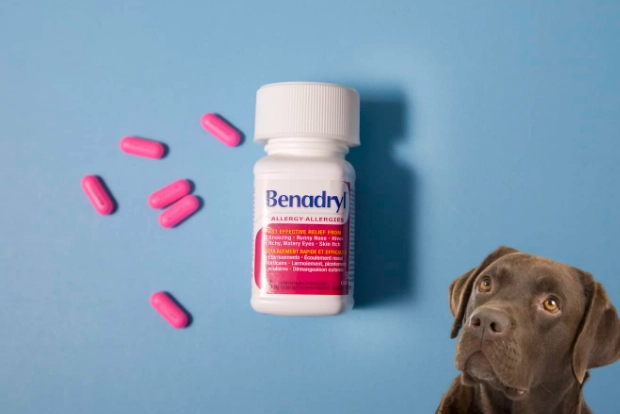
How to Use This Chart Correctly: A Step-by-Step Walkthrough
Let's walk through a real scenario. You have a 35-pound Beagle named Milo who's chewing his paws after a walk in the park.
Step 1: Weigh Your Dog Accurately. Don't guess. Use a bathroom scale: weigh yourself, then weigh yourself holding Milo. Subtract. If he's 35 lbs, his max dose is 35 mg.
Step 2: Choose the Right Product. This is the most critical safety check. Grab the box and read the "Active Ingredients" on the Drug Facts label. You want only one: Diphenhydramine HCl or Diphenhydramine Hydrochloride.
Step 3: Calculate the Dose. Milo is 35 lbs. The standard 25 mg tablet is easiest. 35 mg is more than 25 mg but less than 50 mg. You could give 1.5 tablets (37.5 mg), which is slightly over the 1 mg/lb rule but generally within a safe margin. However, starting with 1 tablet (25 mg) is a perfectly reasonable and conservative first dose to gauge his response.
Step 4: Administer Safely. Hide the pill in a small treat like a piece of hot dog or cream cheese. Never force it down the throat—this risks aspiration. You can also use a pill pocket.
Step 5: Monitor Closely. Watch for the desired effect (less itching) and for side effects: drowsiness (normal), dry mouth, urinary retention, or, less commonly, agitation or rapid breathing. If you see anything alarming, call your vet.
A Special Note on Liquid Benadryl
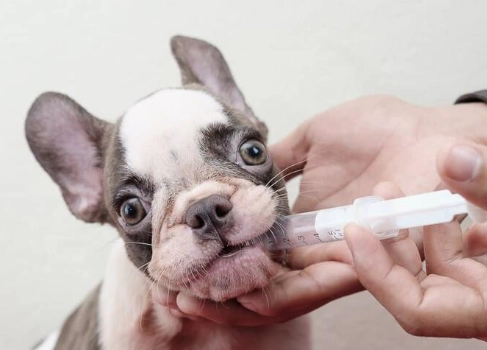
Liquid seems easier for small dogs, but it's a minefield. First, you must check it's plain diphenhydramine. Second, you must know the concentration. It's usually 12.5 mg per 5 mL teaspoon. For a 10 lb dog needing 10 mg, that's 4 mL. Using a kitchen spoon is inaccurate. Use an oral syringe (no needle) from the pharmacy for precision. A tiny math error here can lead to a big overdose.
The Hidden Dangers Most Dosage Charts Don't Mention
Beyond the wrong product, here are the subtle risks I've seen trip up even experienced owners.
Pre-Existing Conditions: Benadryl can be dangerous for dogs with certain health issues. It's contraindicated in dogs with:
- Glaucoma: It can increase intraocular pressure.
- Heart Disease: It can affect heart rate and blood pressure.
- Hyperthyroidism: It can exacerbate symptoms.
- Bladder or Prostate Issues: It can make urination difficult.
- Seizure Disorders: It may lower the seizure threshold.
Drug Interactions: Is your dog on any other meds? Benadryl can interact with other sedatives, anticholinergic drugs, or certain antidepressants. A list from the U.S. Food and Drug Administration (FDA) on drug interactions, while not pet-specific, underscores the importance of checking compatibility.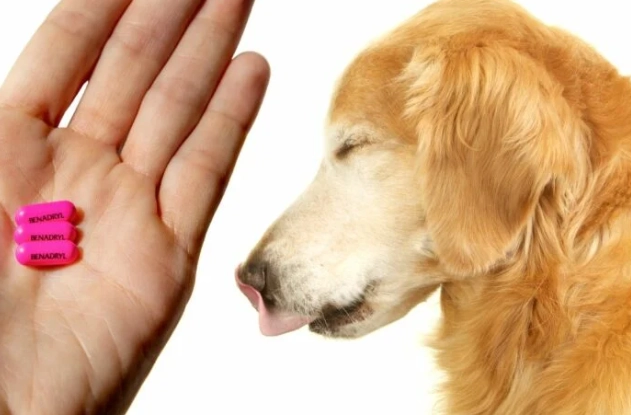
The "It's Not Working" Trap: You give the dose, and 30 minutes later, your dog is still scratching. The instinct is to give more. Don't. It can take a full hour to see an effect. If it's truly ineffective, the problem might not be histamine-related. More Benadryl isn't the answer; a vet visit is.
When to Skip Benadryl: Exploring Safer Alternatives
If Benadryl isn't suitable or isn't working, what then? This is where partnering with your vet opens up better options.
For Chronic Allergies: Benadryl is a temporary fix. For ongoing itch, vets may prescribe modern antihistamines (like cetirizine/Zyrtec, which has a different side effect profile), Apoquel, or Cytopoint. These are specifically designed for canine allergies and are often more effective with fewer side effects.
For Travel Anxiety: If Benadryl makes your dog groggy but still anxious, or makes him hyper, ask your vet about prescription options like trazodone or gabapentin. For some dogs, behavioral training, a ThunderShirt, or natural calming supplements (like those with L-theanine) work better.
For Immediate First Aid: For a bee sting or sudden hive outbreak, Benadryl can be a good first step while you call the vet. But have a plan. Know the location and phone number of your nearest emergency animal hospital.
Your Top Benadryl Questions, Answered
The bottom line? A dog Benadryl dosage chart is a useful tool, but it's not a substitute for judgment. It's the starting point for a conversation, not the final word. Use it with caution, double-check everything, and when in doubt—and you will be sometimes—pick up the phone and call your vet. That's what the experts are there for, and it's the safest path for your best friend.



Leave a comment