Let's be honest, the first time you suspect your dog might be losing their hearing is a gut punch. You call their name, and they don't turn. You drop their food bowl, and they don't come running. For many of us, our bond with our dogs is built on verbal chatter and the sound of our voices. When that connection seems to fade, it's scary. But here's the thing: canine deafness, whether congenital or acquired, is far more common than people think, and a deaf dog can live a joyful, full, and deeply connected life. This isn't about loss; it's about learning a new, equally beautiful language. I've worked with hearing-impaired dogs for over a decade, and the most common mistake I see isn't a training error—it's the assumption that a "disability" defines the dog's potential. It doesn't.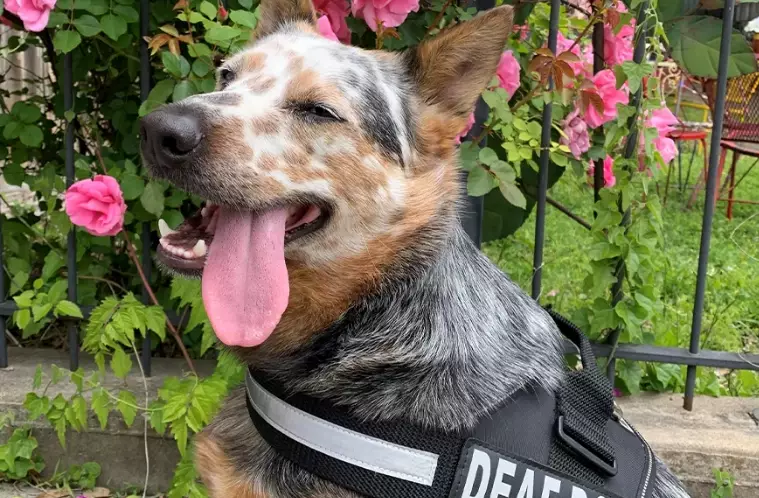
In This Guide
Understanding Canine Deafness: Causes and Types
Deafness in dogs isn't a single condition. It's a spectrum, and knowing the root cause helps you manage expectations and care.
Congenital Deafness is present at birth. It's often linked to pigment-related genes. Dogs with white or merle coats, and blue eyes, have a higher statistical risk. Breeds like Dalmatians, Australian Shepherds, Bull Terriers, and English Setters are frequently mentioned. The deafness is usually permanent and affects one or both ears. A subtle point many miss: a unilaterally deaf dog (deaf in one ear) can be incredibly difficult to identify without a formal test. They compensate so well that owners often just think they're "selective listeners."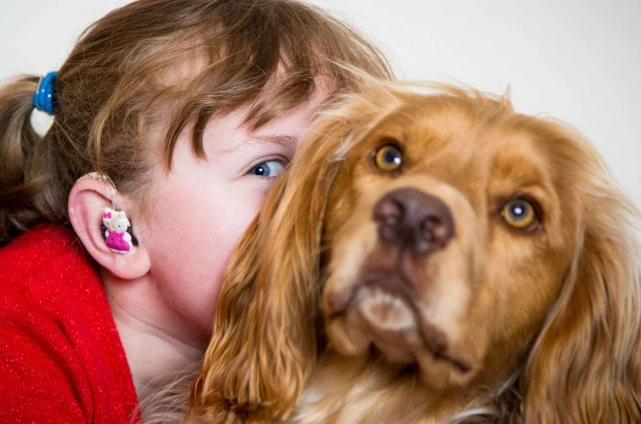
Acquired Deafness develops later in life. This is what most owners of senior dogs encounter.
- Age-Related (Presbycusis): Just like us, dogs' hearing deteriorates with age. It's a gradual process, starting with the loss of high-frequency sounds.
- Chronic Ear Infections: Severe, untreated otitis can damage the delicate structures of the middle and inner ear. This is a major, preventable cause.
- Trauma or Injury: A loud blast, head injury, or perforated eardrum.
- Toxicity: Certain drugs (like some chemotherapy agents or high-dose aminoglycoside antibiotics) can be ototoxic.
- Other Illnesses: Hypothyroidism or brain tumors can sometimes affect hearing.
How to Tell if Your Dog is Losing Their Hearing
It rarely happens overnight. You need to become a detective of small changes.
Early, Subtle Signs
Your dog might start sleeping more soundly, not waking to typical household noises. You call them from another room, and they don't come—but they appear instantly if you walk into view. They might be startled more easily if you approach from behind, especially during sleep. You may notice they don't react to the squeak of a favorite toy anymore, but still chase it if they see it move.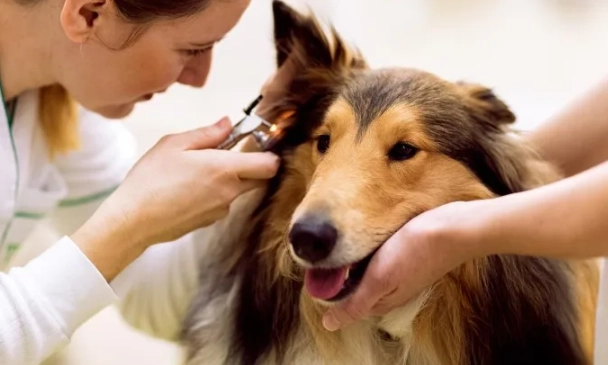
Later, More Obvious Signs
No response to their name, verbal commands, or familiar sounds like the doorbell, treat bag rustle, or car pulling into the driveway. They may bark more, or their bark may sound different—louder or more monotone, as they can't modulate based on what they hear. They might become disoriented, especially in low light, or seem more "clingy" and visually attentive to you.
Getting a Diagnosis: The BAER Test
If you suspect hearing loss, see your vet to rule out a treatable cause like a massive ear infection or wax impaction. For a definitive diagnosis, especially for congenital or partial deafness, there's the Brainstem Auditory Evoked Response (BAER) test. It's the gold standard. The dog wears headphones, and electrodes measure the brain's response to sounds. It's non-invasive and tells you if each ear is functional. You can find facilities that offer this through veterinary neurology departments or some specialty practices. Resources from institutions like the American Veterinary Medical Association can help you locate a specialist.
Caring for a Deaf Dog: The Core Strategies
Caring for a deaf dog shifts your focus from your voice to your body and eyes. It's about consistent visual communication.
Always Approach Visibly. Never startle a deaf dog. If they're sleeping, stomp your foot on the floor to create a vibration they can feel. Gently blow on them or walk into their line of sight before touching. This builds immense trust.
Establish Clear Visual Cues. This is your new language. A thumbs-up for "good dog!" A flat hand, palm facing them, for "stay." A point to the ground for "sit." Consistency is everything. Every family member must use the same signals.
Leash and Yard Safety are Non-Negotiable. A deaf dog cannot hear traffic, other dogs, or your frantic recall. They must be leashed in unsecured areas or in a securely fenced yard. A harness is safer than a collar, giving you more control without neck pressure. Consider a tag that says "DEAF" on their collar.
Routine is Their Anchor. Deaf dogs thrive on predictability. Feeding, walking, and playtime at consistent hours reduce anxiety and help them understand the world through pattern recognition.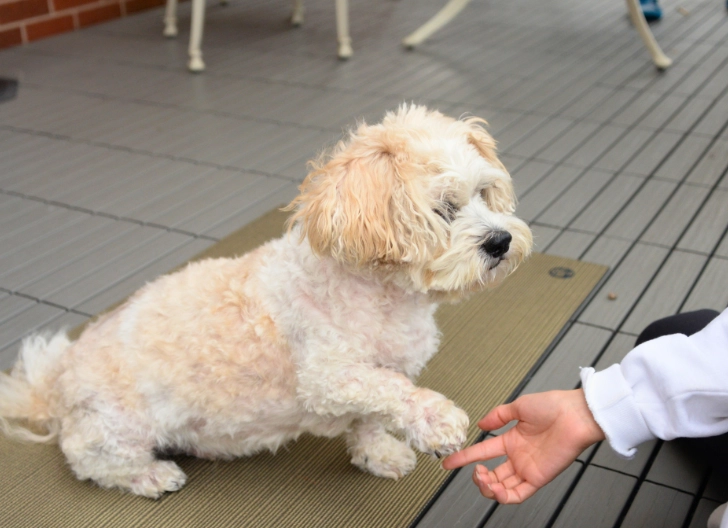
Training a Deaf Dog: Practical Techniques That Work
Forget everything you know about verbal markers. We're trading "yes!" for sight and touch.
The Marker Signal. You need an instant way to say "that's right!" Clickers are out. Instead, use a quick flash of a pen light (for dark-haired dogs) or a consistent hand signal like a quick thumbs-up. This "marks" the exact behavior you want to reward.
The Reward is Everything. Since they can't hear praise, high-value treats, enthusiastic petting, or a favorite toy become even more critical for positive reinforcement.
Luring and Capturing. Use a treat to lure your dog into a sit or down, then mark and reward. Or, "capture" natural behaviors—the moment they lie down on their own, flash your marker signal and give a treat.
The Critical Recall Signal. This is your most important command. You can't shout. I've had the best success with a broad, sweeping wave of both arms overhead—hard to miss. Train this indoors with massive rewards first. For distance or if their back is turned, a vibration collar (NOT a shock collar) can be a lifesaving tool. Used correctly, it's just a tactile pager. You pair the vibration with the visual recall signal and a reward, so they learn vibration means "look at me for your signal."
| Training Goal | Recommended Method | Common Pitfall to Avoid |
|---|---|---|
| Teaching 'Sit' | Hold a treat above their nose, move it back over their head. As their head tilts up, their bottom goes down. Mark and reward. | Moving the treat too high, causing them to jump instead of sit. |
| Teaching 'Watch Me' (Focus) | Hold a treat by your eye. The moment they make eye contact, mark and reward. Gradually increase duration. | Expecting prolonged eye contact too soon. Build it up in half-second increments. |
| Potty Training | Take them out on a strict schedule. The moment they eliminate, give a clear, happy visual signal (like a happy dance) and reward instantly. | Being inconsistent with timing or signals. They rely purely on visual association. |
I remember working with a deaf Dalmatian named Buddy. His owner was frustrated he wouldn't come inside. We realized Buddy was facing away, watching squirrels. The owner was waving from the door, unseen. We trained Buddy to check the door every 30 seconds with a treat reward. Problem solved. It wasn't disobedience; it was a communication gap.
Creating a Safe and Supportive Home
Your home needs a few tweaks to become a sanctuary.
- Visual Doorbells/Alerts: Install a strobe light doorbell or a lamp connected to the doorbell. For perimeter awareness, you can use vibrating floor mats near doors.
- Secure the Perimeter: Check your fence for gaps regularly. A deaf dog won't hear a stranger calling them back.
- Night Lights: Keep a few on so they can navigate easily if they wake up at night, reducing disorientation.
- ID Tags and Microchip: Ensure their microchip info is updated and their collar tag clearly states "DEAF" along with your phone number.
- Wake-Up Routine: Gently place your hand in front of their nose to let them smell you awake, then give a visual greeting.
Your Questions, Answered
Living with a deaf dog isn't a lesser experience. It's a different, often more mindful one. You communicate more intentionally, observe more closely, and build a bond based on silent understanding and trust. The journey starts with recognizing the signs, letting go of outdated training methods, and embracing a visual world. Your dog isn't broken; they're just waiting for you to speak their new language.


Leave a comment