Quick Guide to This Article
Let's be honest, when your dog is feeling a bit off, your first instinct isn't always to sprint to the vet for every single hiccup. Sometimes, it's a mild tummy ache after they've scavenged something dubious in the yard, or maybe they seem a little stiff getting up in the morning. That's where the idea of natural support comes in. The world of herbs safe for dogs is fascinating, but it's also a minefield if you don't know what you're doing.
I remember the first time I considered giving my Labrador, Bear, a bit of ginger for his car sickness. I spent hours online, terrified I'd poison him with a supposedly "natural" remedy. The information was everywhere, and a lot of it was contradictory. That experience taught me that "natural" doesn't automatically mean "safe." You need a clear, reliable map.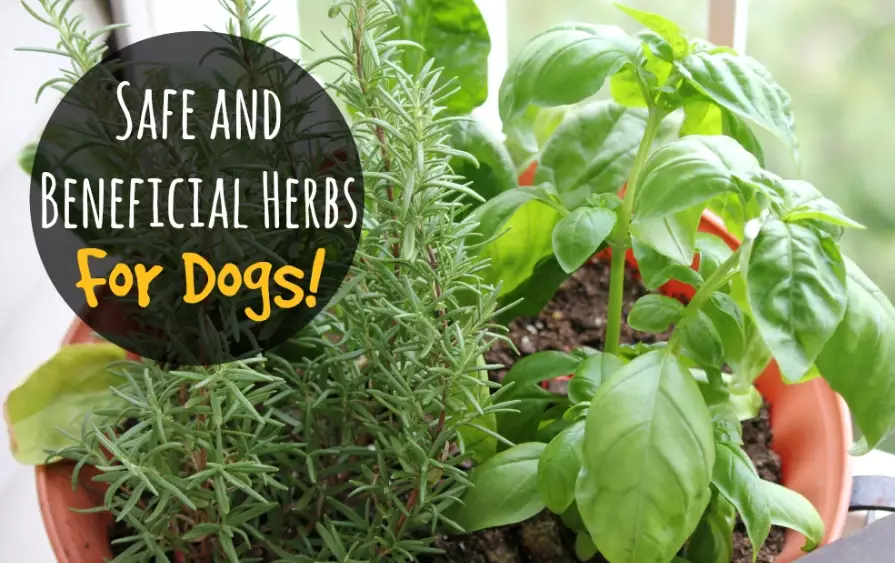
This guide is that map. We're going to cut through the noise and look at herbs that are genuinely considered safe for dogs when used correctly. We'll talk about the good ones, the ones to run from, and the absolutely critical "how-to" that most articles gloss over. Because giving your dog something is one thing. Giving them the right thing, in the right way, is everything.
Why Even Consider Herbs for Your Dog?
It's a fair question. Modern veterinary medicine is incredible. So why look back at plants? Well, for many dog owners, it's about a complementary approach. Think of it as supportive care, not a replacement. Some herbs can offer gentle support for everyday issues—like aiding digestion, providing mild calming effects, or offering antioxidant support. They're tools in a bigger toolbox.
The appeal lies in their history. Many of these plants have been used for centuries in various traditional medicine systems. Modern science is now catching up, studying why they might work. For instance, we now know that the active compounds in turmeric (curcumin) have potent anti-inflammatory properties, which is why it's so popular for older dogs with joint stiffness.
But here's the personal bit—I find it empowering. Knowing that I can support Bear's health with a sprinkle of parsley on his food for fresh breath, or a bit of chamomile tea in his bowl on a stressful fireworks night, gives me a sense of proactive care. It's about small, mindful additions to his overall well-being.
The A-List: Top Herbs Safe for Dogs and How to Use Them
This is the part you're here for. Let's get specific. Below is a detailed table of what I consider the cornerstone herbs safe for dogs. This isn't just a list; it's a practical guide with the "what," "why," and most importantly, the "how much."
| Herb | Primary Benefits & Uses | Safe Forms & Preparation | Key Considerations & Dosage (General Guideline) |
|---|---|---|---|
| Ginger | Excellent for nausea, motion sickness, and upset stomachs. Can aid digestion. | Fresh grated root (tiny amount), powdered ginger, or a weak ginger tea. | Dosage: A pinch (less than 1/4 tsp) of powder or a pea-sized amount of fresh grated ginger per 20 lbs of body weight. Best given 30 mins before travel for car sickness. Can be a bit warming, so don't overdo it. |
| Turmeric | Powerful anti-inflammatory. Often used for arthritis, joint pain, and general immune support. | Golden paste (turmeric mixed with oil and black pepper), powder, or commercial supplements. | Dosage: About 1/8 to 1/4 tsp of powder per 10 lbs of body weight daily. CRUCIAL: It must be given with a fat (like coconut oil) and a pinch of black pepper (piperine) for absorption. Can stain! |
| Parsley | Fresh breath! Also a diuretic (helps flush kidneys) and contains vitamins A, C, K. | Fresh, finely chopped leaves. Curly parsley is preferred over flat-leaf (Italian) as it's milder. | Dosage: A small sprinkle on food. Don't use it as a main vegetable. Avoid in large quantities or for dogs with kidney issues unless vet-approved. |
| Oregano | Antioxidant and antimicrobial properties. Sometimes used for mild digestive support. | Dried, as an infusion (very weak tea), or oil (ONLY highly diluted and with extreme caution). | Dosage: A tiny pinch of dried oregano in food. Its oils are very strong. I'm personally cautious with oregano oil—it's easy to overdose and cause irritation. |
| Mint (Spearmint, not Peppermint) | Can soothe mild nausea and gas. Freshens breath. Generally gentler than peppermint. | A few fresh leaves, or a weak spearmint tea added to water. | Dosage: 1-2 fresh leaves for a medium dog. Peppermint is much stronger and can irritate. Stick with spearmint to be safe. |
| Chamomile | Mild sedative. Great for anxiety, stress, upset stomach, and skin irritations (topically). | Cooled, weak tea (caffeine-free!), or as a diluted rinse for skin. | Dosage: For a 50lb dog, 1-2 tbsp of cooled tea in their bowl. Ensure it's German chamomile. Start slow as it can cause allergies in rare cases. |
| Dill | Can help with gas and bloating. Has a calming effect on the digestive tract. | Fresh, chopped fronds or a tiny amount of dried dill. | Dosage: A small sprinkle on food. Very safe in culinary quantities. |
| Basil | Antioxidant, anti-inflammatory. Contains vitamins. A nice, safe kitchen herb to share. | Fresh, chopped leaves. | Dosage: A few leaves mixed into food. It's benign and adds flavor. |
Looking at that table, you might feel overwhelmed. Don't be. Start with one. Maybe parsley for breath or ginger for a known car ride issue. See how your dog reacts. The goal is subtle support, not a dramatic change.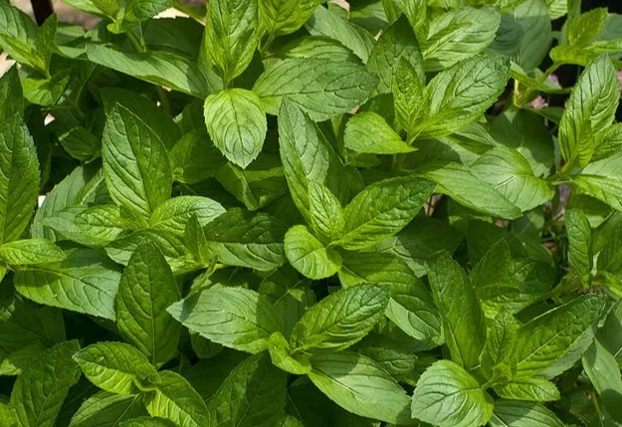
How to Source and Prepare These Herbs Safely
This is where people slip up. You can't just grab any herb off the shelf.
For fresh herbs, organic is your best bet.
You want to avoid pesticides that could harm your pup. Give them a good wash. For dried herbs, source them from reputable spice companies or, even better, pet-specific supplement brands that test for purity and potency. The stuff in the discount bin that's been sitting for years? Probably lost most of its goodness.
Preparation is key. For internal use, infusions (weak teas) are often the safest and most gentle method. Steep a small amount of the dried herb in hot water, let it cool completely, and add a tablespoon or two to their water bowl or food. For powders like turmeric or ginger, mixing into a wet food they love is the easiest way to ensure they eat it.
The Absolute "No" List: Herbs That Are Toxic to Dogs
This section is non-negotiable. While exploring herbs safe for dogs, you must know the enemies. Some common herbs, even ones we use daily, are poisonous to our canine friends.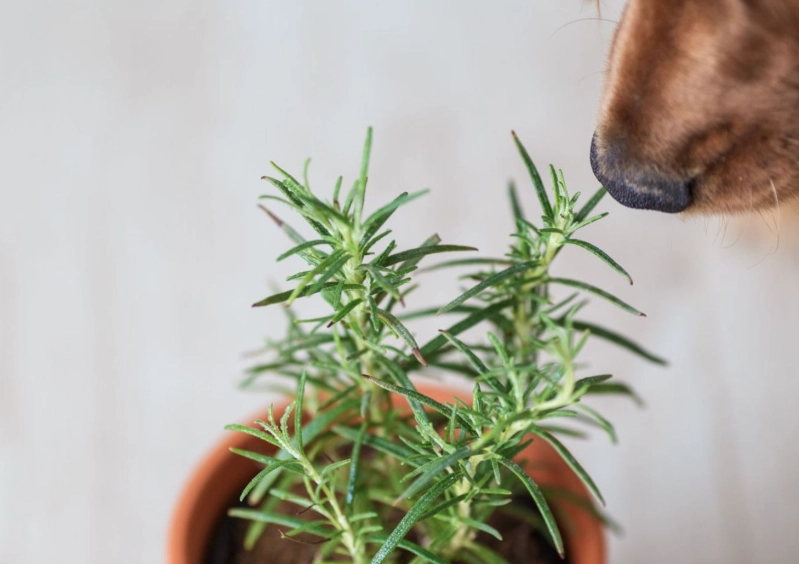
Here are the big ones you need to memorize:
- Garlic, Onions, Chives, Leeks (Allium family): These destroy red blood cells, leading to life-threatening hemolytic anemia. This includes powdered forms, cooked in food, or even onion soup mix. No exceptions.
- Marijuana (Cannabis): With legalization, exposure is more common. It can cause severe lethargy, incontinence, coordination issues, and even coma. Keep all products locked away.
- Pennyroyal: Often used in natural flea remedies, but it's highly toxic and can cause fatal liver failure. Just don't.
- Comfrey: Used topically for humans, but contains pyrrolizidine alkaloids that cause severe liver damage if ingested by dogs.
- Foxglove: Beautiful but deadly. It contains digitalis, which affects the heart. Every part is poisonous.
- Mistletoe & Holly: Common around holidays. Berries and leaves can cause severe gastrointestinal and cardiovascular problems.
I'll admit, the garlic one surprised me most when I first learned. You see so many outdated sources claiming "a little garlic is good for fleas!" That is dangerously wrong. The ASPCA's toxic plant database is my go-to resource when I'm unsure about any plant. Bookmark it.
Navigating the Gray Areas and Common Questions
Alright, we've covered the clear greens and the definite reds. Now for the yellows—the herbs where the answer is "it depends," or where misinformation runs rampant. This is where we cover your potential search questions.
Is lavender safe for dogs?
This is a huge one. In short, used correctly, yes. Lavender essential oil, however, is a different and potent story. A few fresh lavender flowers or a bit of dried lavender in a calming sachet in their bed area is generally fine and can be soothing. But concentrated lavender oil must be used with extreme caution, heavily diluted, and never ingested. Some dogs can be sensitive to the smell. I've used a drop of diluted oil on Bear's collar during thunderstorms, but I tested it on a small patch of his skin first.
Can I give my dog cinnamon?
Small amounts of the common Ceylon cinnamon powder sprinkled on food are usually okay for most dogs. But the Cassia variety (more common) contains more coumarin, which can thin blood. And never give cinnamon oil or sticks, which can be irritating and a choking hazard. If your dog is on any blood-thinning medication, avoid it altogether.
What about milk thistle?
Milk thistle (silymarin) is a fantastic herb for liver support, but it's a great example of a herb you don't just casually add. It's a powerful detoxifier. You should only use it under direct veterinary guidance, typically for a known liver issue or after certain toxin exposures. It's not a daily supplement for a healthy dog.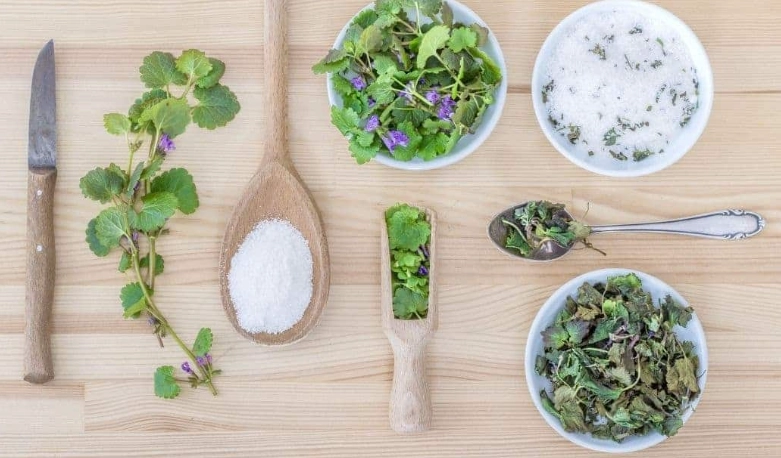
How do I know if my dog is having a bad reaction?
Even with herbs safe for dogs, individual reactions happen. Watch for:
- Lethargy or unusual agitation
- Vomiting or diarrhea
- Itching, hives, or facial swelling (allergic reaction)
- Loss of appetite
Stop the herb immediately and call your vet if you see any of these signs. This is why the "start low, go slow" mantra is so important.
Putting It All Together: A Sensible Approach
So, you've read the lists, you're feeling more informed. How do you actually start? Let's ditch the theory and get practical.
First, have a conversation with your vet. Say, "I'm interested in potentially using some gentle herbs like ginger or chamomile for Bear's occasional travel anxiety. What are your thoughts?" A good vet will work with you, not dismiss you.
Second, pick one single purpose. Don't overhaul your dog's diet with ten new herbs. Are you targeting joint stiffness? Start with a tiny amount of turmeric paste. Anxious during storms? Try a bit of cooled chamomile tea.
Third, source quality ingredients and prepare them simply. A fresh sprig of parsley from your windowsill garden is worth more than an old, dusty bottle of unknown origin.
Finally, observe. Keep a little mental note (or a real one) of when you gave it, how much, and how your dog acted over the next 24-48 hours. This log is invaluable, both for you and for your vet.
The journey into using herbs safe for dogs is about becoming a more observant, proactive caregiver. It connects you to an older tradition of healing while demanding modern caution and science. It's not a magic bullet, but it can be a wonderful, gentle layer of care for your furry family member. Just remember, the most important herb in your toolkit is common sense. Use it liberally.





Leave a comment