You notice it first in the hind legs. That once-solid thigh muscle now seems softer, less defined. Or maybe it's the shoulders that look bonier after a few weeks. Your dog might still have an appetite, might even seem happy, but something is off. This isn't just your dog getting older or a little leaner—this is canine muscle wasting disease, a condition where muscle tissue breaks down faster than the body can rebuild it. It's a red flag, not a normal part of aging. I've seen it too many times in my years working with rehab cases. Owners often miss the early signs, chalking it up to "slowing down." But catching it early changes everything.
In this article:
What Exactly is Canine Muscle Wasting Disease?
Let's clear up the terminology first. Muscle atrophy or muscle wasting isn't a single disease. It's a clinical sign, a symptom of an underlying problem. Think of it like a fever. The fever itself tells you something's wrong, but you need to find the infection causing it.
In simple terms, it's an imbalance between muscle protein synthesis and breakdown. The scales tip toward breakdown. This can happen because the nerves telling the muscle to work are damaged (neurogenic atrophy), because the muscle itself is diseased (myopathic atrophy), or because the body is in a state of catabolism, breaking down tissue for energy due to illness, pain, or disuse.
The disuse part is a huge, often overlooked, trigger. A dog with elbow dysplasia stops using that leg fully. Within days, the muscles begin to shrink from lack of signal. It happens startlingly fast.
Symptoms and Signs: What to Look For Beyond the Obvious
Visible loss of muscle mass is the headline symptom. You'll see protruding bones at the hips, spine, or shoulders. The legs look spindly. But focusing only on looks is a mistake. The functional signs are what really impact your dog's life.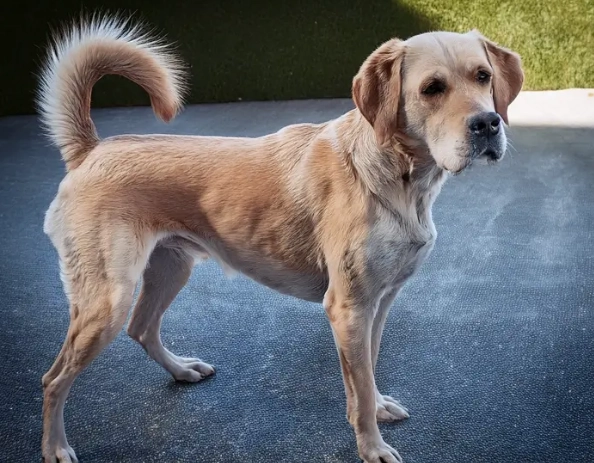
- Change in Gait or Stance: A subtle limp, a "bunny hop" with the back legs, or standing with legs wider apart for balance.
- Reluctance for Specific Movements: Hesitating before jumping into the car, struggling to get up from a lying position, or taking stairs one at a time. This is often mislabeled as "laziness."
- Decreased Stamina: Walks that used to be easy now require frequent stops. Your dog lies down during a short play session.
- Muscle Tremors or Twitching: Fine tremors in the legs, especially when bearing weight.
- Change in Posture: A swayback (lordosis) or a roached back (kyphosis) can develop as core muscles weaken.
A Quick Test You Can Do at Home
Run your hands down your dog's spine. You should feel the bumps of the vertebrae, but they should be padded by muscle on either side. If the vertebrae feel sharp and prominent with little muscle covering, it's a sign. Do the same on the thighs—the muscle should feel firm, not soft or jelly-like. Compare left and right sides; asymmetry is a major clue.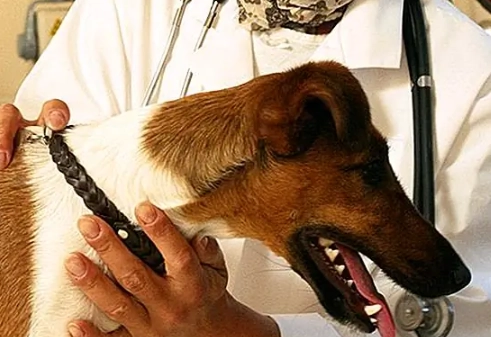
Common Causes of Muscle Loss in Dogs
Pinpointing the cause is the critical first step in effective treatment. Here’s a breakdown of the usual suspects.
| Category | Specific Causes | Key Characteristics |
|---|---|---|
| Neurological | Degenerative Myelopathy, Neuropathies, Spinal Cord Injuries (e.g., IVDD), Stroke | Often starts in hind limbs, progressive weakness, may involve knuckling or dragging paws. Muscle loss follows nerve damage. |
| Muscular Diseases | Masticatory Muscle Myositis (MMM), Other Myopathies, Muscular Dystrophy | Inflammation or degeneration of the muscle tissue itself. MMM specifically affects jaw muscles, making it hard to eat. |
| Orthopedic & Pain-Related | Arthritis, Hip/Elbow Dysplasia, Post-Surgical Disuse, Ligament Tears (e.g., CCL) | The most common category I see. Pain leads to reduced use, which leads to rapid atrophy. The cycle is vicious. |
| Systemic Illness | Cancer (Cachexia), Kidney Disease, Heart Disease, Advanced Diabetes | The body enters a hyper-metabolic state, consuming muscle for energy. Often accompanied by overall weight and appetite loss. |
| Nutritional & Hormonal | Protein-Deficient Diet, Malabsorption, Cushing's Disease, Hypothyroidism | Either the building blocks aren't there, or hormones disrupt normal metabolism. Cushing's causes a specific pot-bellied look with thin legs. |
See that third row? Orthopedic issues are a massive driver. A study in the Journal of the American Veterinary Medical Association has highlighted how chronic pain directly accelerates muscle loss. Treating the pain is only half the battle; you have to rebuild what was lost.
Getting a Diagnosis: What Your Vet Needs to Know
Walking into the vet saying "my dog is skinny" isn't enough. Be a detective. Track the timeline. When did you first notice it? Was it sudden or gradual? Is it symmetrical? What changes have you seen in energy, appetite, and bathroom habits?
Your vet will likely start with a physical and neurological exam, feeling the muscles and checking reflexes. From there, the diagnostic path may include:
- Bloodwork: A full chemistry panel and CBC to rule out systemic disease, check organ function, and look at muscle enzyme levels (like CK).
- Imaging: X-rays to check joints and bones. Ultrasound or MRI for a closer look at soft tissue, nerves, and the spinal cord.
- Specific Tests: Tests for Cushing's or thyroid disease. Sometimes a muscle biopsy or electromyography (EMG) to assess nerve and muscle electrical activity.
Don't be afraid to ask for a referral to a veterinary neurologist or a rehabilitation specialist if the cause isn't clear. A second opinion can be invaluable.
How to Treat and Manage Canine Muscle Atrophy
Treatment is a multi-pronged attack. You don't just fix one thing. You need to address the underlying cause, provide the right fuel for repair, and implement a smart exercise plan. Here’s the blueprint.
1. Address the Root Cause
This is non-negotiable. If it's arthritis, you need consistent pain management (meds, supplements, laser therapy). If it's a hormonal issue like Cushing's, that needs medication. If it's a neurological condition, specific neuroprotective drugs or therapies may be needed. You can't build muscle on a failing foundation.
2. Nutritional Support: More Than Just Protein
Yes, protein is crucial—but it has to be high-quality and highly digestible. Look for named meat sources (chicken, salmon) at the top of the ingredient list. But don't stop there.
Essential Additions:
- Omega-3 Fatty Acids (EPA/DHA): From fish oil. They are powerfully anti-inflammatory. Studies, including those referenced by the American College of Veterinary Internal Medicine, show they can help reduce the muscle breakdown associated with chronic diseases.
- Antioxidants: Like Vitamin E and Selenium. They combat oxidative stress that damages muscle cells.
- Specific Amino Acids: Leucine, in particular, is a key trigger for muscle protein synthesis. Some therapeutic diets or supplements are fortified with these.
In some severe cases, vets might discuss supplements like HMB (β-hydroxy β-methylbutyrate), which may help slow breakdown. This is an area of ongoing research.
3. The Right Kind of Exercise (Forget Long Walks)
This is where most plans go wrong. Throwing a weak dog into long walks is like asking someone with a broken leg to run a marathon. It's about neuromuscular re-education and controlled strength building.
- Controlled Mobility: Short, frequent leash walks (5-10 minutes, 3-4 times a day) on good footing are better than one long marathon.
- Hydrotherapy: Swimming or underwater treadmill work is gold standard. It builds strength without joint impact. Find a certified canine rehabilitation center.
- Proprioceptive Exercises:
These rebuild the brain-muscle connection. Have your dog stand on a soft, uneven surface (like a foam pad or couch cushion). Use treats to guide them into shifting weight onto weaker legs. Practice slow, controlled sits-to-stands.
Work with a certified canine rehabilitation therapist (CCRT) if you can. They create tailored plans that human owners simply can't.
4. Supportive Therapies
Modalities like therapeutic laser, pulsed electromagnetic field (PEMF) therapy, and massage can increase blood flow, reduce pain, and enhance recovery. They're tools in the toolkit, not magic cures.
Can You Prevent Muscle Wasting?
You can't prevent every cause, but you can build a resilient dog. Maintain a lean, healthy body weight to avoid stress on joints. Feed a high-quality, balanced diet throughout life, not just when problems start. Keep your dog active with varied exercise that includes strength and balance work (think nosework, trick training, hill walks) not just cardio. And most importantly, be vigilant. At the first sign of lameness or movement change, see your vet. Early intervention for pain or illness is the single best way to prevent the cascade into disuse atrophy.
Watching your dog lose muscle is frightening. But with a systematic approach—find the cause, fuel the body, train smart—you can often halt the decline and rebuild a stronger, more comfortable companion. It takes patience and consistency. But seeing them jump on the couch again, on their own? That's worth every bit of effort.


Leave a comment