Your Quick Guide to Bee Sting Care
- The First 10 Minutes: Your Critical Bee Sting Dog Treatment Action Plan
- Understanding Your Dog's Reaction: From “Ouch” to “Oh No!”
- When to Call the Vet: The Clear-Cut Guidelines
- Medication and Home Care: What’s Safe, What’s Not
- The Sting Location Matters: A Risk Assessment
- Long-Term Management & Prevention
- Your Top Bee Sting Dog Treatment Questions, Answered
- Final Thoughts: Be Prepared, Not Scared
Let's be honest, seeing your dog suddenly yelp, start pawing at its face, or frantically lick a paw after sniffing around flowers is a heart-sinking moment. You just know what probably happened. A bee sting. It’s one of those common summer emergencies that can swing from a minor, funny-looking nuisance to a full-blown, panic-inducing crisis in minutes. And the worst part? In the moment, with your dog whining and you scrambling, it's hard to remember what you read that one time.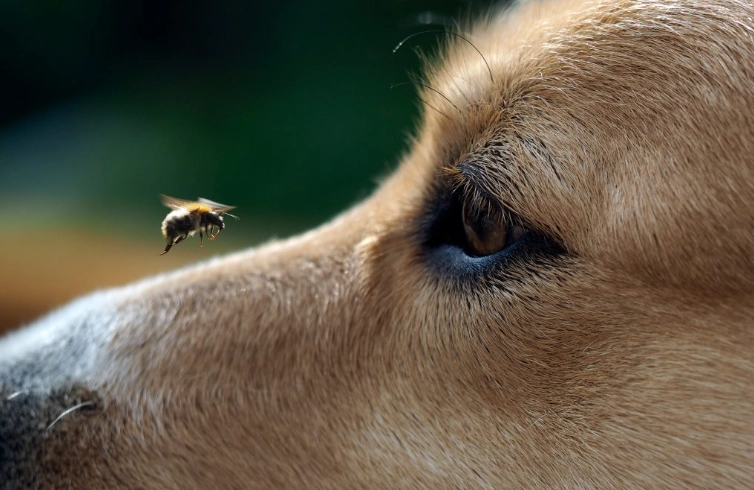
That's why I put this guide together. Not as a vet, but as a dog owner who's been through it more times than I'd like—my old Labrador, Barney, had a nose for trouble and a bee-sting count in the double digits. I’ve dealt with the swollen snout, the midnight worry, and the frantic Google searches. This isn't just clinical info; it's the practical, step-by-step, “what-do-I-do-right-now” advice I wish I’d had.
We’re going to cover everything. From the simple first aid you can do in your backyard to recognizing the scary signs that mean “drop everything and drive to the vet.” We'll talk about why a sting on the nose is different from a sting on the paw, what you can safely give for pain (and what you absolutely cannot), and how to stop it from happening again. Consider this your complete manual for bee sting dog treatment.
The First 10 Minutes: Your Critical Bee Sting Dog Treatment Action Plan
Okay, you've confirmed it's a bee sting (you might see the stinger, or just a puffy, painful spot). Panic doesn't help your dog. Take a deep breath and follow these steps. This is the core of immediate bee sting dog treatment.
Step 1: Find and Remove the Stinger (The Right Way)
Bees leave their barbed stinger behind with a venom sac attached. Wasps and hornets don't. If you see that little black speck, you need to remove it, but how you do it matters. Forget the old wives' tale about scraping it with a credit card.
That method often pinches the venom sac, injecting more venom. The fastest, safest method is to use whatever you have on hand—the edge of a driver's license, a fingernail, a butter knife—and flick it out in one quick motion. Don't pinch it with tweezers unless you have no other choice. The goal is to get it out ASAP to stop the venom flow.
My personal fail? The first time it happened, I fumbled with tweezers for what felt like an eternity while Barney looked at me like I was an idiot. A quick flick is always better.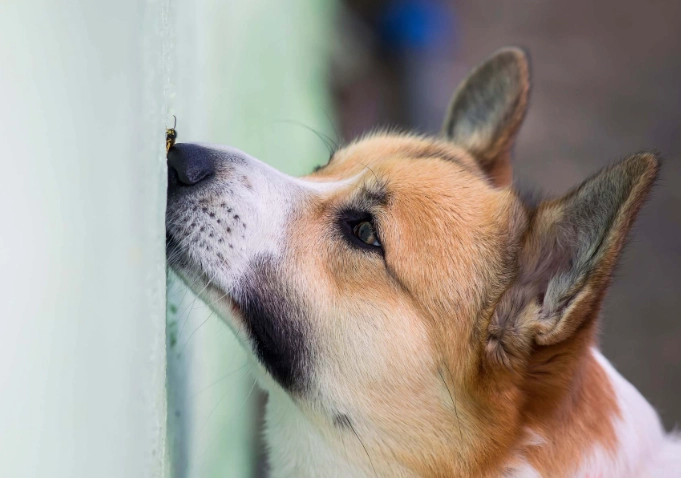
Step 2: Clean and Soothe the Area
Once the stinger is out, wash the spot with mild soap and cool water. This helps prevent infection from any bacteria on the skin or stinger. Then, apply a cold compress. A bag of frozen peas wrapped in a thin towel is perfect. Apply it for 5-10 minutes at a time, with breaks. The cold does two things: reduces swelling and numbs the pain a little.
Step 3: Observe Like a Hawk (The Most Important Step)
This is where you switch from first-aider to detective. Your dog's reaction in the next 30-60 minutes will tell you everything. Don't just put the compress on and walk away. Watch them closely.
Is the swelling staying localized to the sting site, or is it creeping? Is your dog acting relatively normal, just annoyed, or are they becoming lethargic, anxious, or restless? Check their gums—are they nice and pink, or becoming pale or bluish? Time to become an expert on your dog's baseline behavior.
Understanding Your Dog's Reaction: From “Ouch” to “Oh No!”
Not all reactions are created equal. Knowing the difference is key to avoiding an unnecessary vet trip or, worse, missing a critical one. Let's break it down.
The Normal, Local Reaction (The “Ouch” Category)
This is by far the most common. The site gets red, swollen, warm to the touch, and itchy or painful. Your dog will lick and paw at it. The swelling might look dramatic, especially on the thin skin of the nose or eyelids, but it usually peaks within 24-48 hours and then goes down. Think of it like a big, nasty mosquito bite.
Bee sting dog treatment for this is primarily supportive: cold compresses, preventing them from making it worse by scratching, and maybe a vet-recommended antihistamine (more on that later).
The Systemic Allergic Reaction (The “Oh No!” Category)
This is when the reaction goes beyond the sting site and affects the whole body. This is anaphylaxis, and it's life-threatening. Symptoms can appear within minutes or up to an hour later.
| Severity Level | Common Symptoms | Action Required |
|---|---|---|
| Mild Systemic | Hives or welts over the body (little raised bumps you can feel), increased itchiness all over, swelling of the face/ears beyond the sting site. | Contact your vet immediately for advice. An urgent visit is likely needed. |
| Moderate to Severe Systemic (EMERGENCY) | Difficulty breathing, wheezing, excessive drooling, vomiting or diarrhea, sudden weakness or collapse, pale gums, rapid heartbeat, disorientation. | GO TO THE VET OR EMERGENCY CLINIC NOW. This is non-negotiable. |
I remember the first time Barney had a mild systemic reaction. He got hives all over his belly. It wasn't the dramatic collapse you see in movies, but seeing those bumps everywhere was terrifying. We went to the vet, got a shot, and he was fine. But it taught me that reactions can change—a dog can have a local reaction one time and a systemic one the next.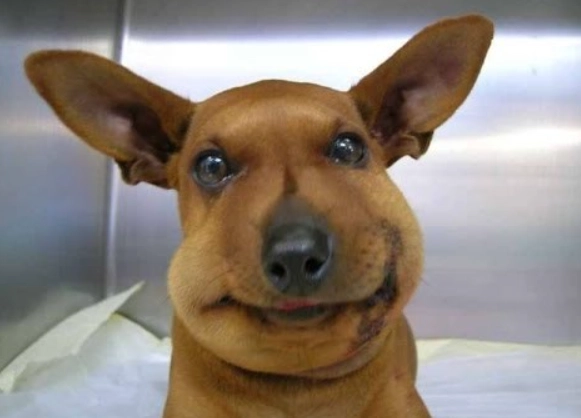
When to Call the Vet: The Clear-Cut Guidelines
It’s the question everyone asks: “Is this bad enough for the vet?” Let’s erase the doubt.
Call Your Vet Immediately If:
- The sting is inside the mouth, throat, or on the tongue. Swelling here can block the airway incredibly fast. This is a top-priority emergency.
- Your dog is stung multiple times. The venom load is much higher, increasing the risk of a severe reaction.
- You see any signs of a systemic reaction (hives, facial swelling, breathing issues) as listed above.
- The swelling at the sting site is massive, continues to spread after 24 hours, or doesn't start improving after 48 hours.
- The site becomes increasingly red, hot, leaks pus, or smells bad after a few days—this signals a possible infection.
- Your dog is in extreme pain that doesn't subside with basic care.
Medication and Home Care: What’s Safe, What’s Not
This is where well-meaning owners can get into trouble. Human medications are not always safe for dogs.
The Dangerous “Never-Ever” List
Never give your dog Ibuprofen (Advil, Motrin) or Naproxen (Aleve). These common human NSAIDs are highly toxic to dogs and can cause severe stomach ulcers and kidney failure. Acetaminophen (Tylenol) is also dangerous. Just don't go into the human medicine cabinet.
Possibly Safe (With Vet Approval Only)
Diphenhydramine (Benadryl): This is the most common antihistamine vets recommend for mild allergic reactions and itchiness. BUT the dosage is critical and must be confirmed by your vet. It's based on your dog's weight, and you must use the plain Diphenhydramine formula (no added decongestants, pain relievers, or alcohol, which are often deadly). Giving the wrong dose or type is a real risk.
For accurate, vet-approved dosing information, the Merck Veterinary Manual is a fantastic professional resource, though always double-check with your own vet.
What about other home remedies? Honestly, most are distractions. Baking soda paste can soothe. A bit of oatmeal-based anti-itch spray might help. But the core of effective bee sting dog treatment at home is cold compresses, prevention of scratching, and vigilant observation.
The Sting Location Matters: A Risk Assessment
Where your dog gets stung significantly impacts the risk level and your response.
| Sting Location | Specific Risks & Concerns | Priority Level |
|---|---|---|
| Nose, Muzzle, Lips | Extremely common (they sniff the bee). Swelling is very visible and can be dramatic, potentially closing nostrils. Watch for breathing difficulty. | High Observation |
| Inside Mouth/Throat/Tongue | The highest risk. Swelling can block airways in minutes. Often happens from trying to catch or eat the bee. | EMERGENCY - Vet Immediately |
| Paws & Legs | Common from stepping on bees. Can cause lameness. Check between toes. Risk of secondary infection from licking is high. | Moderate |
| Around the Eyes | Swelling can close the eye. Risk of corneal damage if the dog paws at it. Very painful. | High / Call Vet for Advice |
| Torso or Back | Generally lower risk for airway obstruction. Easier to monitor and prevent licking/scratching. | Standard Care |
Long-Term Management & Prevention
Once the immediate crisis is over, what’s next? If your dog had a severe reaction, your vet might discuss an Epi-Pen prescription for future emergencies. Yes, they make them for dogs. It's something to seriously consider if your dog is now high-risk.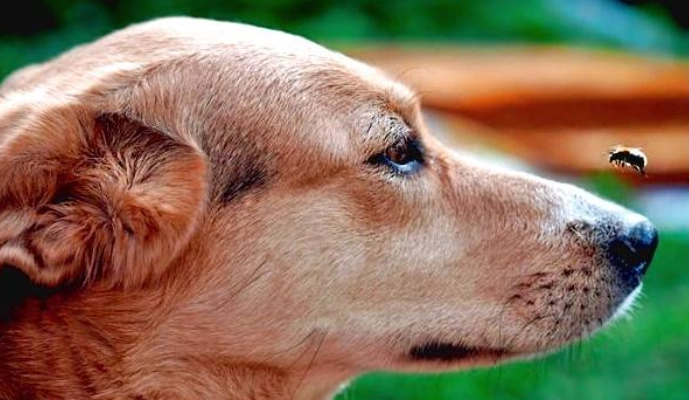
Prevention is the best medicine, though. It’s not foolproof, but it helps.
- Bee-Proof Your Yard: Fill in holes in the ground that could be bee or wasp nests. Keep trash cans tightly sealed. Be mindful of flowering plants that attract bees when your dog is outside.
- Train a “Leave It” Command: This is golden. A solid “leave it” can stop your dog from snapping at that buzzing insect.
- Walk Smart: Avoid letting your dog drink from outdoor cups or cans that might attract bees. Stay on paths away from clover-filled lawns in peak bee season.
For comprehensive, science-backed information on insect stings and animal health, organizations like the American Veterinary Medical Association (AVMA) provide excellent resources for pet owners.
Your Top Bee Sting Dog Treatment Questions, Answered
Final Thoughts: Be Prepared, Not Scared
Dealing with a bee sting on your dog is stressful, no doubt about it. The key is to have a plan before it happens. Know the steps: Remove the stinger, clean and cool, observe. Know the red flags for an allergic reaction. Have your vet's emergency number saved in your phone.
The goal of this guide isn't to make you paranoid every time your dog goes outside. It's to give you the knowledge to handle a common situation calmly and effectively. Most bee sting dog treatment is straightforward home care. But for those rare, severe reactions, knowing what to look for can literally save your dog's life.
Go enjoy the sunshine with your pup. Just keep an eye on those curious noses around the flower beds.


Leave a comment