Essential Insights
Let's be real for a second. The idea of potty training a puppy on pads sounds fantastic in theory. No midnight trips into the freezing yard, no frantic searches for a grassy spot in the rain, just a convenient little mat that soaks up all the mess. It paints a lovely picture, doesn't it? Then you get the puppy. And suddenly, that little pad seems like a tiny postage stamp in a vast ocean of your favorite rug, and your puppy treats it with the same respect as, well, your favorite rug.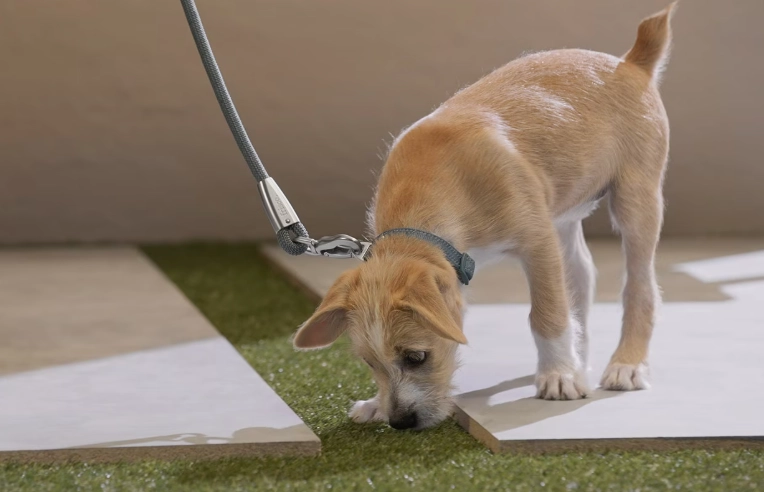
I've been there. My little guy, Leo, a whirlwind of Golden Retriever fluff, seemed to view every square inch of my apartment as a potential toilet except for the expensive, attractively scented pad I bought him. It was frustrating. But here's the thing I learned—and what I wish someone had told me straight up—potty training puppy on pads isn't magic. It's not even particularly clever. It's just consistency, understanding a few doggy instincts, and a whole lot of patience. It's a skill you can absolutely learn, and I'm going to walk you through it, step by messy step.
This method isn't just for apartment dwellers or people with mobility issues anymore. It's a legitimate, often less stressful, way to introduce your pup to the concept of going in a designated spot. Think of it as kindergarten for bladder control before moving on to the great outdoors.
Is Potty Pad Training Even Right For You and Your Pup?
Before we dive into the how, let's talk about the why. And the why not. I made the mistake of not asking this first.
Honestly, pad training gets a weirdly bad rap in some dog circles. Some folks act like it's a one-way ticket to a confused dog who will never learn to go outside. That's simply not true if you do it correctly. But it's also not the perfect solution for every single person or puppy.
The Good, The Bad, and The Smelly of Using Puppy Pads
Let's break down the real pros and cons, none of that sugar-coated stuff.
Why you might love it:
- Ultimate Convenience: Living on the 15th floor? Working long hours? It's pouring rain? The pad is always there. This was the clincher for me with Leo.
- Great for Young Puppies: Tiny bladders mean frequent trips. A pad can be a lifesaver overnight or when you simply can't get outside every 30 minutes.
- Foundation for Future Training: It teaches the core concept: "Go here, not everywhere." This concept transfers later.
- Peace of Mind: Reduces anxiety (yours and the puppy's) about accidents during the crucial early learning phase.
Why you might hate it:
- Potential for Confusion: The biggest risk. If you're not crystal clear, your pup might think "soft surface = toilet," which could include rugs, bath mats, and your bed. I learned this the hard way with a particularly plush bathroom rug.
- Ongoing Cost and Waste: Pads aren't free, and throwing away plastic-backed sheets isn't exactly eco-friendly.
- The "Lingering Scent" Issue: Even the best pads leave a trace odor that can draw your pup back to that general area.
- It Can Be a Crutch: If you never plan to transition outside, you're committing to a lifetime of indoor bathroom management.
So, ask yourself: Are you using pads as a permanent solution, a temporary helper for a young pup, or a stepping stone to full outdoor potty training? Your answer changes the strategy slightly.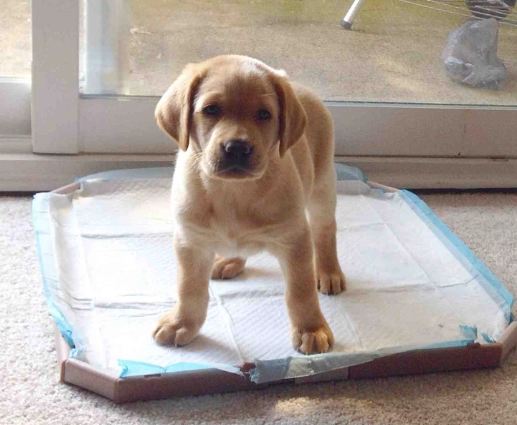
Gearing Up: What You Actually Need (Beyond Patience)
You can't build a house without tools, and you can't tackle puppy pad training without the right supplies. But you don't need everything the pet store is trying to sell you.
The Non-Negotiables:
- High-Quality Puppy Pads: Don't cheap out here. Look for pads with strong absorbency, a leak-proof backing, and an attractant scent (usually a faint, herbal smell that encourages puppies to go). The flimsy ones shift, leak, and fall apart, creating a worse mess and confusing your dog.
- An Enzyme Cleaner: This is your holy grail. Regular cleaners don't remove the scent markers that tell your puppy "this is a toilet spot." You need an enzymatic formula to completely break down the proteins in urine. I've tried many, and a good one is worth its weight in gold for cleaning up the inevitable mistakes.
- Treats. So Many Treats. Small, soft, and incredibly delicious (to your puppy). This is their paycheck for a job well done.
- A Designated, Smart Spot: Not just any floor space will do.
Choosing the Best Pad & The Pad Holder Debate
Walking down the pad aisle is overwhelming. Let's simplify.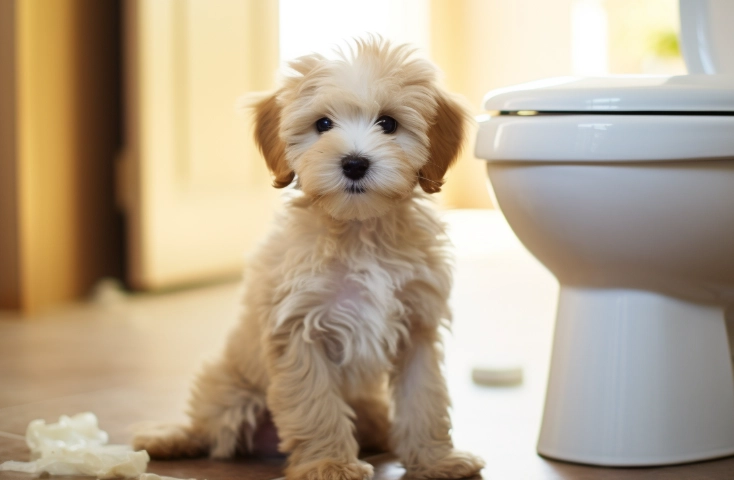
| Pad Type | Best For | My Experience & Notes |
|---|---|---|
| Standard Disposable Pads | Most situations, daily use. | The workhorse. Get the size larger than you think you need. The extra border is a margin for error. |
| Heavy-Duty/Overnight Pads | Larger breeds, long stretches (like overnight), puppies who are "flooders." | More expensive, but the extra absorbency core is legit. Saved my floors during Leo's 2 AM water-binging phases. |
| Washable/Reusable Pads | Eco-conscious owners, permanent indoor potty setups. | Long-term cost-effective, but you must wash them frequently and thoroughly. The smell can linger in your washer if you're not careful. |
| Pad Holders/Trays | Puppies who love to shred, dig, or drag pads around. | A game-changer for destructive pups. It defines the space and anchors the pad. Some even have a faux-grass topper for easier outdoor transition. |
The pad holder was a late discovery for me. Leo went through a phase where unrolling and chewing the pad was more fun than using it. A simple plastic tray with a grate stopped that nonsense cold. It made the pad area more defined, which actually helped his understanding.
Location, location, location.
Where you put the pad is half the battle. Choose a low-traffic, quiet corner that's easily accessible to the puppy at all times. A bathroom, laundry room, or corner of a kitchen often works well. Never place it near their food/water bowls or bed. Dogs naturally avoid soiling their eating and sleeping areas. You want to work with that instinct, not against it.
The Step-by-Step: How to Potty Train a Puppy on Pads Without Losing Your Mind
Alright, here's the meat of it. This isn't a one-day process. Think in terms of weeks. Consistency is your best friend. Inconsistency is your worst enemy.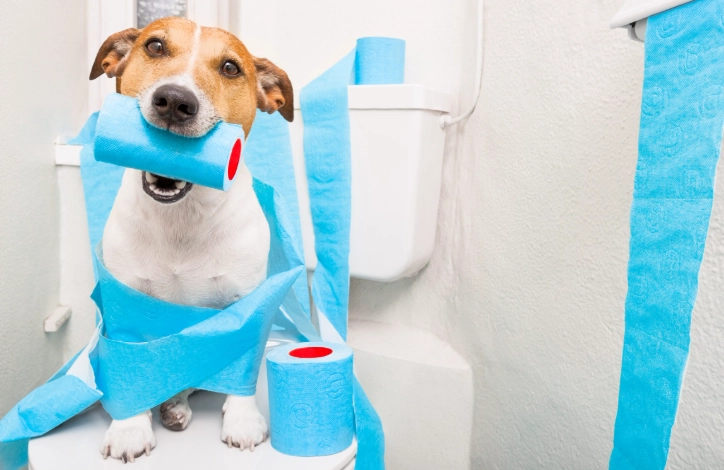
Phase 1: The Introduction & Supervised Success
The goal here is to create positive associations and make the first connection: "Pad = Good Place to Go."
- Leash Them to You: For the first few days, keep your puppy on a leash attached to your belt or within your eyesight whenever they're out of their crate/pen. This prevents stealth accidents and lets you learn their "I gotta go" signs (sniffing, circling, suddenly looking restless).
- The Magic Potty Times: Take them to the pad immediately after: waking up, eating, drinking, playing hard, and every 30-45 minutes in between. Just lead them there calmly and use a cue word like "Go potty."
- The Celebration: The second they finish on the pad, throw a party! Happy voice, treats, pets. Make it the best thing that's happened all day. This links the action with an amazing reward.
- Clean Accidents Instantly & Completely: If they go elsewhere, no yelling, no rubbing their nose in it. Interrupt with a gentle "oops" if you catch them mid-act, scoop them up, and place them on the pad. Then clean the accident spot meticulously with your enzyme cleaner. If the scent remains, they'll go there again.
Phase 2: Building Independence & Trust
Once you're seeing regular success (a few days in), you can start giving a tiny bit of freedom.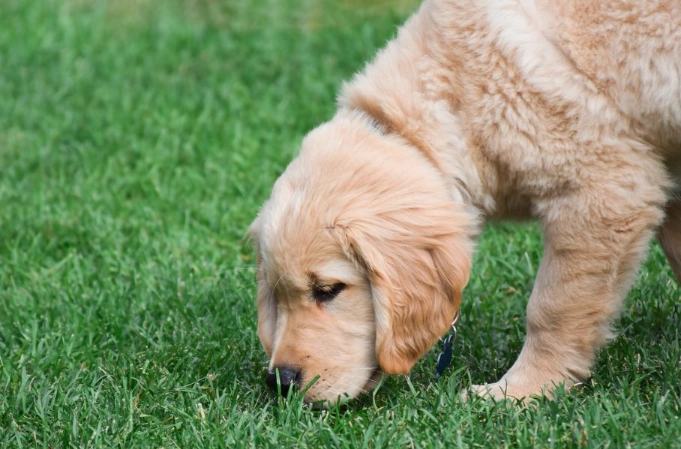
Start by using a puppy playpen or gated area with their bed, toys, water, and the pad at the opposite end. This teaches them to choose to walk to the pad when they need to go. It's a crucial step in potty training your puppy on pads because it moves them from being carried to making the choice themselves.
You can also start to very gradually increase the time between supervised trips to the pad, paying close attention to their natural schedule.
Phase 3: Expanding the Kingdom (Carefully)
This is where most people slip up. Your puppy is reliably using the pad in its room. Great! So you give them free run of the apartment. And suddenly, there's a puddle in the hallway.
Why? Because to your puppy, "house" is still a new, big place. They've only learned that one specific spot in that room is the bathroom. You need to teach them that rule applies everywhere.
How? By expanding access very slowly. Let them into one new room at a time, under close supervision, with the pad accessible or by being hyper-vigilant about taking them back to the pad room at the first sign they need to go. It's a pain, but it's how you avoid teaching them that the whole world is their toilet.
The Nitty-Gritty: Solving Common Puppy Pad Training Problems
Things will go wrong. They just will. Here’s how to troubleshoot the big ones.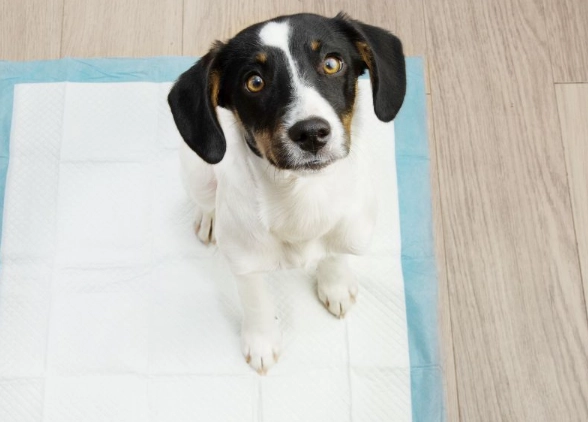
Problem: My puppy pees right NEXT to the pad.
This is incredibly common. It means they understand the general area but not the precise target. The fix? Get a larger pad, use a pad holder/tray with raised edges that defines the space, or temporarily use multiple pads to create a larger target zone and gradually reduce them to one.
Problem: My puppy plays on/chews/destroys the pad.
This means the pad has become a toy. Use a secure holder. Redirect with an appropriate chew toy when they start messing with it. Make sure they're getting enough mental and physical stimulation elsewhere so they don't get bored and invent their own games.
Problem: They were doing great, then suddenly regressed.
First, rule out a medical issue like a Urinary Tract Infection (UTI). If they're healthy, think about changes: new food, schedule disruption, stress? Go back to basics (Phase 1) for a couple of days. It's a setback, not a failure.
Problem: They go on the pad for pee, but poop on the floor.
Some dogs are weirdly particular about surfaces for poop. Try a different type of pad (maybe one with a grass-like topper). Also, ensure you're cleaning poop accidents even more thoroughly with enzyme cleaner. The scent is a powerful magnet.
From Pads to Grass: The Transition Guide
If your end game is outdoor pottying, you need a plan. You can't just wake up one day, remove the pads, and expect your dog to understand.
- Move the Pad Closer to the Door: Over the course of a week, move the pad a few feet each day until it's right by the door you use to go outside.
- Introduce an Outdoor Cue: Start taking them outside to your chosen potty spot in addition to offering the pad. Use a different, but consistent, cue like "Go outside." Reward outdoor successes extravagantly.
- The Hybrid Method: Put a pad outside on your balcony, patio, or in your yard. Let them use it there. This transfers the "pad" concept to the outdoors. Then, once they're comfortable going outside on the pad, start using real grass (you can even put the pad on the grass at first).
- Gradually Phase Out the Indoor Pad: Once they are reliably going outside (for at least 2-3 weeks), you can start to make the indoor pad less appealing. Fold it in half, then to a quarter, then remove it. Always ensure the outdoor option is available and rewarded.
This transition requires you to be more available to take them out, mimicking a traditional outdoor training schedule. It's work, but it's the key to avoiding confusion.
Your Top Questions on Potty Training Puppy on Pads, Answered
I get asked these all the time, so let's just tackle them head-on.
Final Takeaways to Remember
Potty training puppy on pads is a marathon, not a sprint. You will clean up messes. You will feel frustrated some days. That's normal. Your job is to be clearer, more consistent, and more patient than your puppy is confused. Celebrate the small wins—the first time they walk to the pad on their own is a huge deal! Choose your supplies wisely, pick your spot carefully, follow the phases, and have a plan for what comes after the pads. You've got this. And remember, every puppy eventually gets it. Even my rug-loving Leo finally figured it out, and your furry friend will too.
It just takes time, understanding, and a truly heroic amount of enzyme cleaner.
Leave a comment