Quick Guide
- Why Treat Training a Puppy Actually Works (The Science Bit, Simplified)
- The Foundation: Picking Your Tools and Setting Up for Success
- The Step-by-Step Method for Treat Training a Puppy
- Navigating Common Challenges and Mistakes
- The Art of Phasing Out Treats (The Ultimate Goal)
- Beyond Obedience: Using Treats for Nuisance Behaviors
- Your Treat Training a Puppy Questions, Answered
Let's be honest, when you first bring that fluffy ball of energy home, the idea of "training" can feel overwhelming. You've probably heard a million things: be the alpha, use a firm voice, don't let them on the furniture. It's enough to make your head spin. I remember bringing my Labrador, Cooper, home. He was all paws and curiosity, and my first attempt at teaching him "sit" involved a lot of confused looks (from both of us) and a chewed-up slipper. Then I really got into treat training a puppy, and let me tell you, it was a game-changer. It's not about bribing your dog; it's about having a conversation with them, where they actually understand what you're saying.
This whole method revolves around one simple idea: dogs repeat what gets them good stuff. It's that straightforward. When you use a tasty little reward to mark the exact moment your pup does something right, you're speaking a language they're hardwired to understand. This guide isn't about quick fixes or dominance. It's about building a relationship with your puppy through clear, kind, and effective communication. We're going to walk through everything, from picking the first treat to phasing them out so your dog listens to you, not just the cookie jar.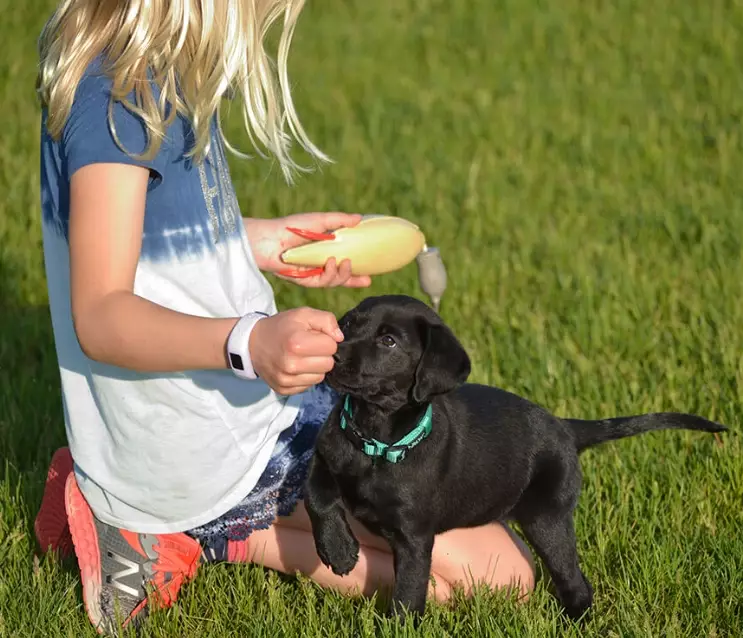
Why Treat Training a Puppy Actually Works (The Science Bit, Simplified)
Before we dive into the "how," it helps to know the "why." You might wonder if you're just creating a treat-obsessed monster. You're not. This method is backed by solid behavioral science called positive reinforcement. The American Society for the Prevention of Cruelty to Animals (ASPCA) strongly advocates for it as the most effective and humane way to train. The concept is simple: a behavior that is followed by a pleasant consequence (like a yummy treat) is more likely to happen again.
Think of it like this. When you work hard at your job and get a bonus, you feel motivated to keep up the good work. For your puppy, figuring out the world is their job. A treat is their bonus. It tells them, "Yes! That thing you just did with your body? That's exactly what I wanted! Do more of that!" It builds their confidence and makes learning a fun game, not a scary chore. This approach to treat training a puppy focuses on teaching what to do, rather than punishing what not to do.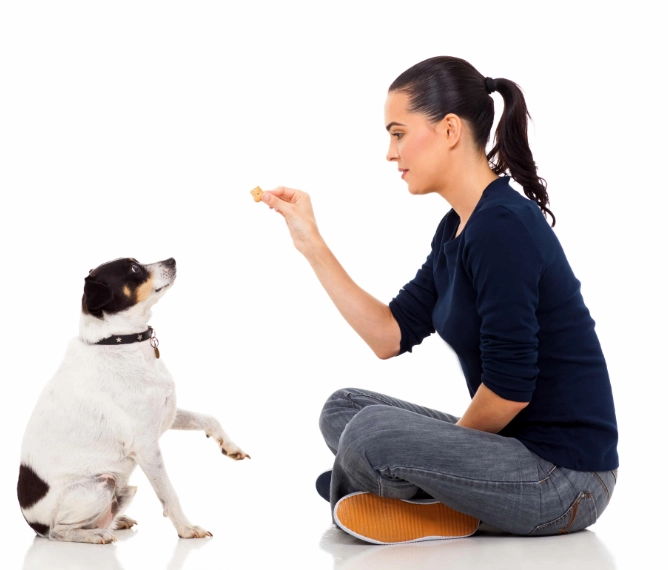
The Foundation: Picking Your Tools and Setting Up for Success
You wouldn't try to build a house without the right tools, and the same goes for training. Getting this part right makes everything else ten times easier.
The Treat Itself: Not All Puppy Snacks Are Created Equal
This is where most people, including my past self, go wrong. The bag of big, crunchy biscuits from the store? Not ideal for training. Here’s what you really need:
- Size: Tiny. Like, pea-sized or smaller. We're talking about hundreds of repetitions in a training session. A big treat fills them up fast and takes too long to eat.
- Smell & Taste: Super appealing. This is currency. Use something they go nuts for, especially for new or difficult skills. Boiled chicken, tiny bits of hot dog, or commercial "training treats" are great.
- Softness: Quick to eat. A soft treat gets swallowed fast, so your puppy's attention snaps right back to you, not to chewing.
I used to use these large, hard dental sticks as rewards. Bad idea. Cooper would run off to his bed to gnaw on it for five minutes, and the training moment was completely lost. Switching to tiny bits of cheese or chicken made sessions flow seamlessly.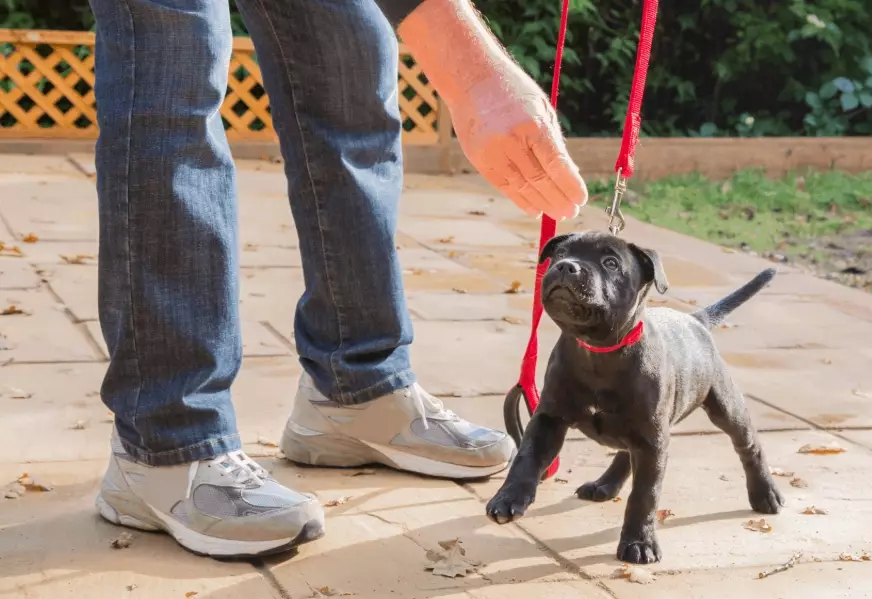
Your Other Essential Gear
A treat pouch is a lifesaver. It keeps treats handy, your hands free, and prevents that frantic pocket-digging that breaks your puppy's focus. A standard leash and a comfortable flat collar or harness are all you need to start. Forget the fancy gadgets; consistency and clear communication are your most powerful tools.
The Step-by-Step Method for Treat Training a Puppy
Okay, you've got your tiny, smelly treats. Now what? Let's break down the actual process. This isn't a one-day thing. It's a gradual build.
Phase 1: The Basics - Luring and Capturing
Luring is how you teach most initial commands. You use the treat as a magnet to guide your puppy's body into the position you want.
- Hold a treat right at your puppy's nose.
- Slowly move your hand up and back over their head. As their nose follows the treat, their bottom will naturally go down.
- The moment their rear hits the floor, say "Yes!" (or use a clicker if you have one) and give them the treat.
- After a few repetitions, start adding the verbal cue "Sit" as you move your hand.
Capturing is even simpler. You wait for your puppy to do something you like on their own (like lying down), then you mark it with a "Yes!" and reward. This is brilliant for teaching "down" or for rewarding calm behavior.
The key in this phase is timing. That "Yes!" or click has to happen at the *exact* moment the correct action occurs. It's like taking a snapshot with a camera. This marks the behavior in your puppy's brain.
Phase 2: Adding the Cue and Building Duration
Once your puppy is reliably following the lure to sit or lie down, you start to fade the lure. Show an empty hand, make the same motion, and say "Sit." If they do it, have a party and give them a treat from your other hand or pouch. If they don't, go back to luring a couple more times. This teaches them to respond to the word, not just the cookie in your fist.
Next, ask for a bit more. For "stay," you start by rewarding for just a half-second of not moving, then a second, then two. Increase the time and distance you step away very, very slowly. If they break, just calmly reset and ask for a shorter time. The goal is to set them up to succeed.
Phase 3: Proofing the Behavior (Adding Distractions)
This is the real test. Your puppy might sit perfectly in your quiet kitchen. But what about when the doorbell rings? Proofing means practicing the behavior in different places with different levels of distraction.
- Practice "sit" in your living room, then your hallway, then your backyard.
- Have a family member walk across the room while you practice.
- Gently toss a toy nearby (but not directly at them) and ask for a "down."
Start easy and gradually increase the difficulty. If they fail at a harder level, don't scold them. Just take a step back to an easier version where they can succeed, reward that, and end the session on a good note. The process of treat training a puppy requires this kind of patience.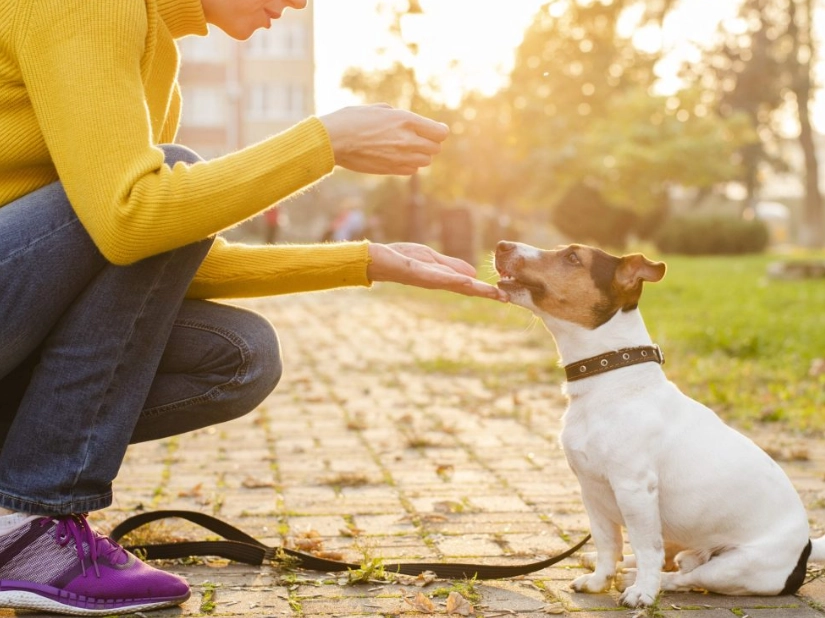
Navigating Common Challenges and Mistakes
It's never a smooth ride. Here are the hurdles you'll likely hit and how to get over them.
What if your puppy isn't food motivated? First, check with your vet to rule out any health issues. If they're healthy, they might just be picky or not hungry. Train before meals, not after. Find that one magical food they can't resist (often it's something stinky and meaty). For some dogs, the reward is a favorite toy or a game of tug. The principle of positive reinforcement remains the same.
The Art of Phasing Out Treats (The Ultimate Goal)
This is the part everyone worries about. "Will I have to carry treats forever?" No. The end goal of treat training a puppy is a dog that listens reliably, with or without food. Treats are for teaching and strengthening behaviors. Once a behavior is solid, you switch to a variable reinforcement schedule.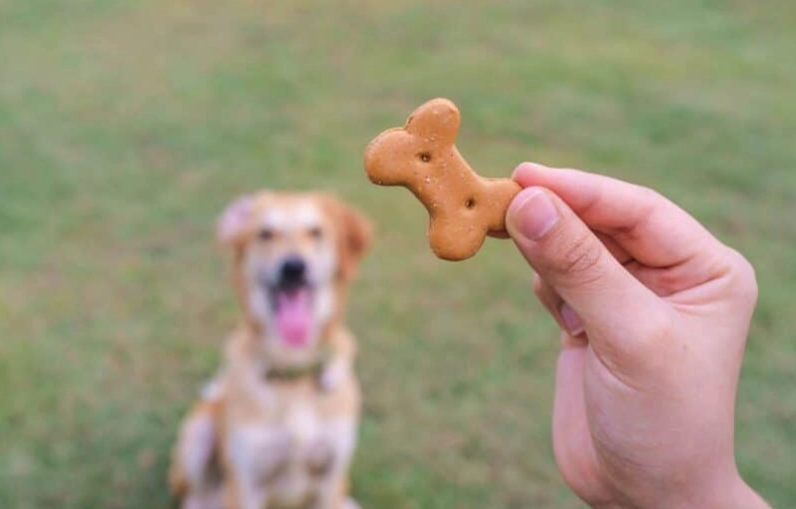
Instead of giving a treat every single time, you reward unpredictably. Maybe treat for the first sit, skip the second, treat for the third and fourth, skip the fifth. This is actually more powerful—it's how slot machines work. The dog keeps performing in hope of the reward. You also start mixing in other rewards: lavish praise, a belly rub, or the chance to run out the door for a walk. Life itself becomes the reward.
| Training Stage | Treat Frequency | Goal | Example |
|---|---|---|---|
| Teaching a New Skill | Every time (Continuous) | Build a clear association | Treat every single time puppy's bottom hits the floor for "sit." |
| Practicing a Known Skill | Most of the time | Strengthen & add minor distractions | Treat 7 out of 10 successful "downs" in the backyard. |
| Proofing in Real Life | Variable (Intermittent) | Create reliable real-world behavior | Ask for a "sit" before opening the car door. Sometimes give a jackpot of treats, sometimes just praise and open the door. |
| Maintenance | Occasional surprise reward | Sustain long-term obedience | Randomly ask for a "stay" during a TV commercial and give a fantastic treat they weren't expecting. |
I was so scared to stop giving Cooper a treat for every sit. I thought he'd stop listening. But when I started randomly rewarding him with his favorite ball instead, he got even more eager. He never knew what the payoff would be, so he always offered the behavior.
Beyond Obedience: Using Treats for Nuisance Behaviors
Treat training isn't just for "sit" and "stay." It's your secret weapon for the annoying stuff.
- Chewing: Instead of yelling when they chew the table leg, redirect them to a legal chew toy and reward them lavishly when they bite it.
- Jumping Up: The trick is to reward the behavior you want. As they approach, ask for a "sit" before they can jump. Reward that sit with attention and treats. They learn that sitting gets greetings, jumping gets ignored.
- Leash Pulling: The moment the leash goes slack (even for a second), mark and reward. They learn that walking close to you pays better than dragging you down the street.
The philosophy is always the same: manage the environment to prevent the bad habit, and actively teach and reward the good alternative. The American Veterinary Medical Association (AVMA) notes that using food rewards for training should be accounted for in your pet's overall daily caloric intake to prevent obesity, so always adjust meal portions accordingly.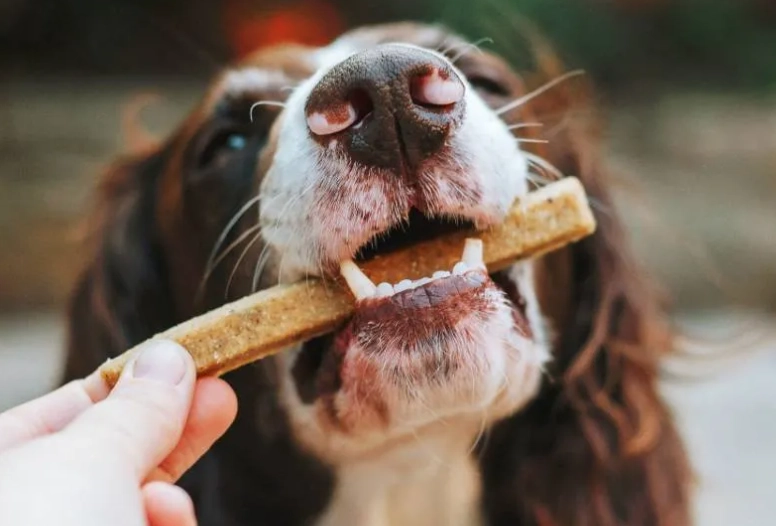
Your Treat Training a Puppy Questions, Answered
Look, the journey of treat training a puppy is messy, funny, and sometimes frustrating. There will be days when it feels like they've forgotten everything. But if you stick with this method—focusing on clear communication, patience, and celebrating the small wins—you won't just end up with a well-trained dog. You'll build a bond based on mutual understanding and trust. That's the real reward, long after the treat pouch is put away.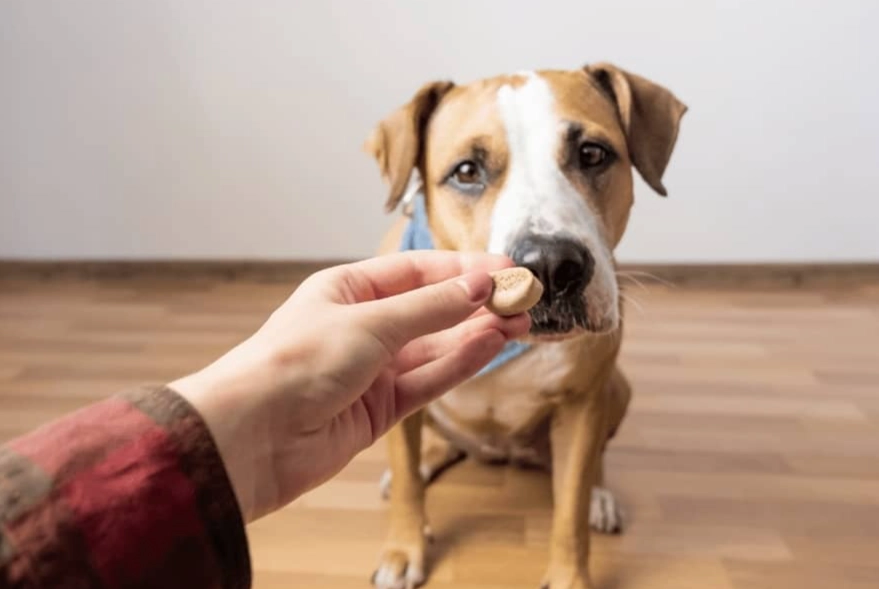
Start small. Grab some chopped-up chicken, call your puppy, and see if you can get them to follow your hand into a sit. That first successful "Yes!" and tail wag is a feeling you'll want to have again and again. It's the start of a fantastic conversation with your best friend.
Leave a comment