Let's cut to the chase. When most people hear "dog socialisation," they picture a puppy playdate—a romping, rolling ball of fur with other dogs. If that's your goal, you're setting your dog up for potential failure, anxiety, or even reactivity down the line. I've trained dogs for over a decade, and the single biggest misconception I correct is this: socialisation is not about making your dog play with every dog and person they see. It's about teaching them that the world is a safe, interesting, and non-threatening place. It's about building confidence, not creating a social butterfly.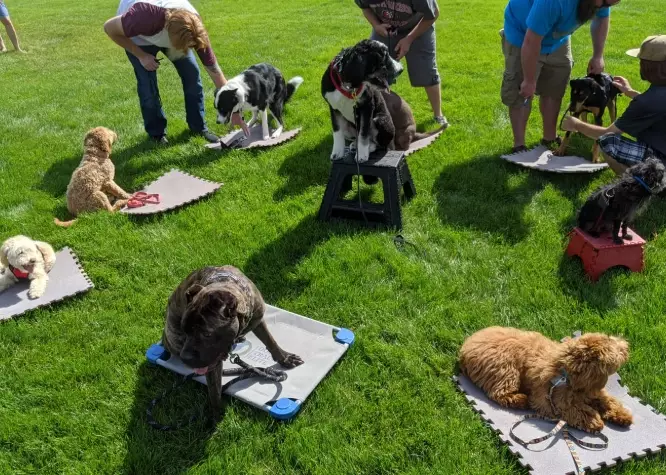
The fallout from getting this wrong is real. I've worked with too many dogs who are terrified of men in hats, who panic at the sound of a skateboard, or who lunge at other dogs on walks because their early "social" experiences were overwhelming or negative. This guide is about doing it right—from the critical puppy window to helping an older dog gain confidence.
Here's What We'll Cover
- What Socialisation Really Means (The Non-Play Definition)
- The Non-Negotiable Window: Your Puppy's Socialisation Timeline
- Your Actionable Socialisation Plan: A Step-by-Step Blueprint
- 3 Socialisation Mistakes That Create Anxious Dogs
- How to Socialise an Adult Dog (It's Different, But Possible)
- Your Socialisation Questions, Answered
What Dog Socialisation Training Actually Means (It's Not Just Playdates)
The American Veterinary Society of Animal Behavior (AVSAB) defines socialisation as "the process of preparing a dog to enjoy interactions and be comfortable with other animals, people, places, and activities." The key word there is comfortable. It's about exposure, not interaction.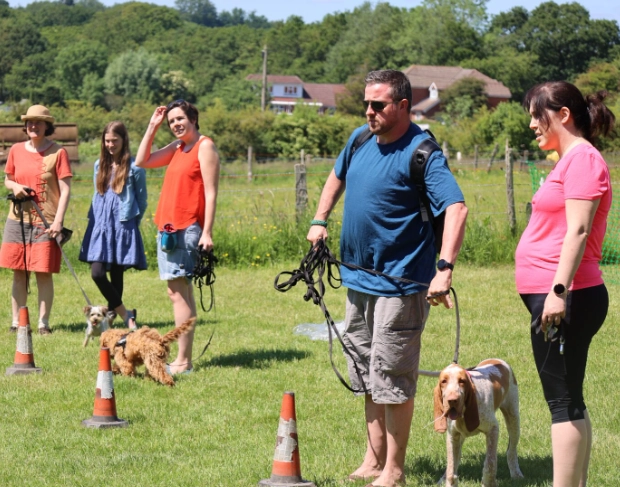
Think of it like this: you're giving your dog a reference library for life. Every new sight, sound, smell, and surface is a new book on the shelf. A positive, calm experience with that "book" means they'll know what it is and won't fear it later. A scary experience? That book gets a big red "DANGER" sticker.
The Core Principle: Socialisation is the process of creating positive associations with novel stimuli. The dog doesn't need to interact with the thing; they just need to learn it's not a threat. A puppy calmly watching a bicycle go by while getting a treat is a perfect socialisation moment.
This reframes everything. Your goal isn't to get your puppy petted by 100 people. It's to have your puppy observe 100 different types of people (tall, short, wearing hats, using canes, different ethnicities) from a distance where they feel safe, paired with something good like chicken.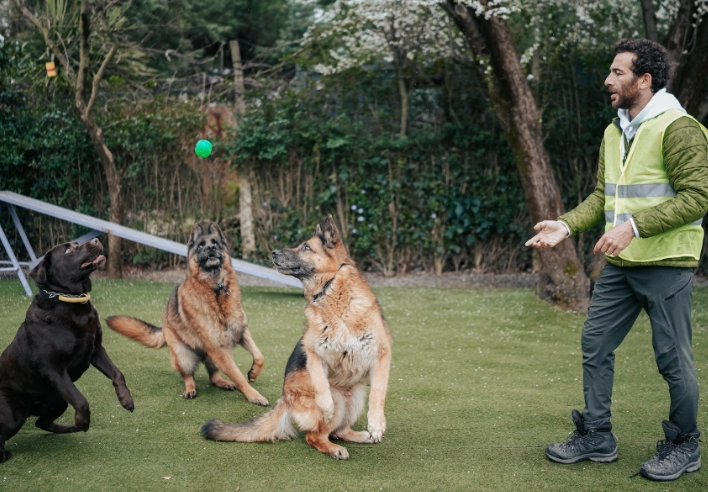
The Non-Negotiable Window: Your Puppy's Socialisation Timeline
There's a biological clock ticking, and it's unforgiving. The primary socialisation period for puppies is between 3 and 14 weeks of age. This is when their brains are most receptive to forming permanent impressions about what's safe and what's scary. Miss this window, and you're playing catch-up for life.
Here’s the brutal truth many breeders and vets don't emphasize enough: the risk of a scary experience during this period is significant, but the risk of no experience is far greater. A lack of exposure can lead to innate fear. The AVSAB's position is clear: the risk of under-socialization outweighs the disease risk for most puppies. This doesn't mean taking an unvaccinated pup to a dog park. It means carrying them to safe places, doing "lap socialisation" in a busy parking lot, or inviting healthy, vaccinated friend-dogs over.
I brought my own terrier mix, Finn, home at 9 weeks. Before his final shots, his world was my tote bag. He went to the hardware store (sat in the cart on a blanket), listened to traffic from a bench outside the coffee shop, and met my vaccinated, gentle neighbor dog in my clean backyard. By 16 weeks, the sound of construction didn't even make him blink.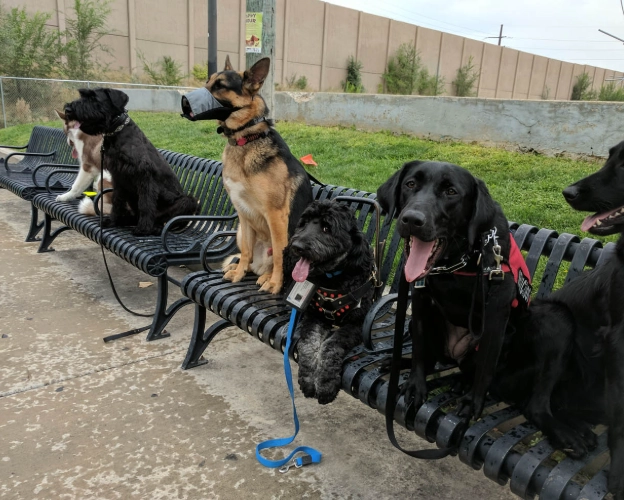
Your Actionable Socialisation Plan: A Step-by-Step Blueprint
Forget a random checklist. Effective socialisation is systematic and controlled. This is the framework I use with every new puppy client.
Step 1: The Foundation at Home (Weeks 8-10)
Start before you even go outside. Make novelty fun inside your controlled space.
- Surface Safari: Walk them over tile, wood, carpet, a wobbly blanket, a plastic mat. Treat for confident steps.
- Sound Desensitisation: Play YouTube videos of thunderstorms, vacuums, and fireworks at a very low volume while they eat. Gradually increase over days.
- Novel Object Introduction: Leave "weird" items around: an umbrella on the floor, a Halloween decoration, a skateboard propped against the wall. Let them investigate on their own terms.
Step 2: Controlled World Exploration (Weeks 10-16)
This is the main event. The rule: let the puppy observe, don't force interaction.
- People: Sit on a bench outside a store. Treat for calmly looking at people of all ages, sizes, and wearing different items (helmets, backpacks, uniforms). Do not let everyone pet them. If someone asks, say "We're in training, just watching today!"
- Other Animals: Find a good puppy socialisation class that focuses on structured play and calm observation. Watch dogs from across a field. The goal is a calm, curious demeanor, not frenzied pulling to play.
- Environments: Visit a quiet school yard, a calm train station platform (held safely), a friend's garage. Keep sessions short (5-15 minutes). End on a good note.
The Golden Rule: If your puppy shows any sign of fear (cowering, tail tucked, freezing, backing away), increase the distance. Make the scary thing smaller and farther away, then treat. You're there to build confidence, not prove they can "handle it." Forcing them closer is how you create a phobia.
Step 3: Building Resilience (Ongoing)
Socialisation doesn't end at 16 weeks. Continue to introduce new experiences throughout their first year and beyond. Go to a different neighborhood. Visit a pet-friendly store. The more varied their "reference library," the more resilient they'll be.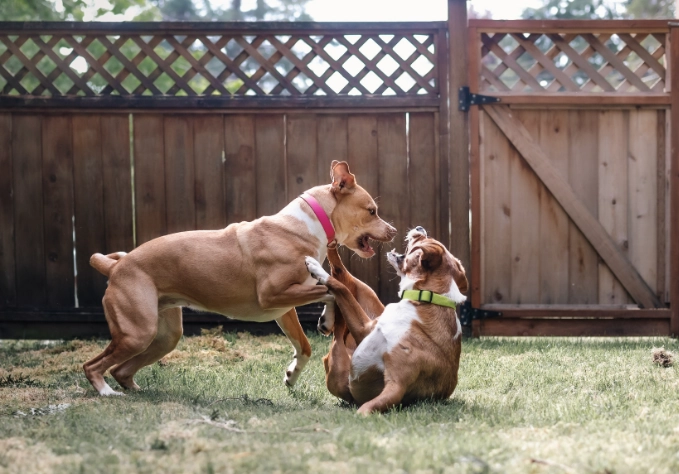
3 Socialisation Mistakes That Create Anxious or Reactive Dogs
Here's where that "10 years of experience" perspective kicks in. These are the subtle errors I see well-meaning owners make every week.
1. The On-Leash Greeting Trap. Letting your dog meet every dog they see on a walk. This teaches them that the sight of another dog predicts a tense, face-to-face interaction on a tight leash. It's unnatural and can lead to leash frustration or fear. Instead, teach your dog that seeing another dog means they look at you and get a treat. You're building focus, not a greeting habit.
2. Overwhelming the Puppy. Taking a 10-week-old to a chaotic farmers market for an hour. Flooding them with stimuli leads to shutdown or fear. Short, positive sessions always win.
3. Correcting Fear. Saying "it's okay!" in a worried voice or pulling on the leash when they're scared. Your dog reads your energy and the leash tension as confirmation that yes, there IS something to worry about. Stay neutral, create distance, and use happy, calm treats.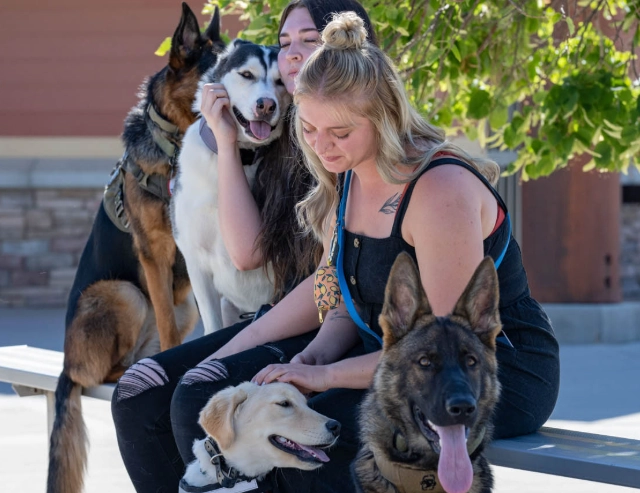
How to Socialise an Adult Dog (It's Different, But Possible)
So you have an older puppy or an adult dog who missed the boat. The term shifts from socialisation to behavior modification, specifically desensitisation and counter-conditioning (DS/CC). The process is slower, more deliberate, but profoundly effective.
Let's say your dog is nervous around men with beards.
- Step 1: Find the threshold. How far away does a bearded man need to be for your dog to notice him but not react (no barking, lunging, hiding)? Maybe it's 50 feet.
- Step 2: At that 50-foot distance, have the man stand still, not looking at the dog. Every time your dog looks at the man, feed a stream of high-value treats (chicken, cheese).
- Step 3: The man takes one step closer. Treats flow. If the dog reacts, the man is too close; increase the distance.
- Step 4: Over many sessions, slowly decrease the distance. The goal is to change the emotional response from "Beard = Danger" to "Beard = Chicken!"
This requires patience. You might need a helper. But it rewires the brain. I've used this to help dogs become comfortable with everything from bicycles to children. It's not about forcing them to like the thing; it's about removing the fear.
Your Dog Socialisation Training Questions, Answered
The journey of dog socialisation training is about becoming your dog's trusted guide to the world. It's not a race or a checklist to complete. It's the slow, steady work of building a foundation of confidence that will help your dog navigate surprises, changes, and challenges for the rest of their life. Ditch the idea of the perfect, gregarious dog. Aim for the curious, resilient, and calmly observant one. That's the dog that can truly go anywhere with you.


Leave a comment