That loud, drawn-out meow—yowling—can turn a peaceful home into a noise zone overnight. If you're searching for answers, you're not alone. I've been a cat owner for over a decade, and my cat Whiskers used to yowl relentlessly until I figured out the root causes. Let's cut to the chase: cat yowling isn't random; it's communication, often signaling everything from pain to boredom. In this guide, we'll dive into the seven most common reasons, how to spot them, and what you can actually do about it.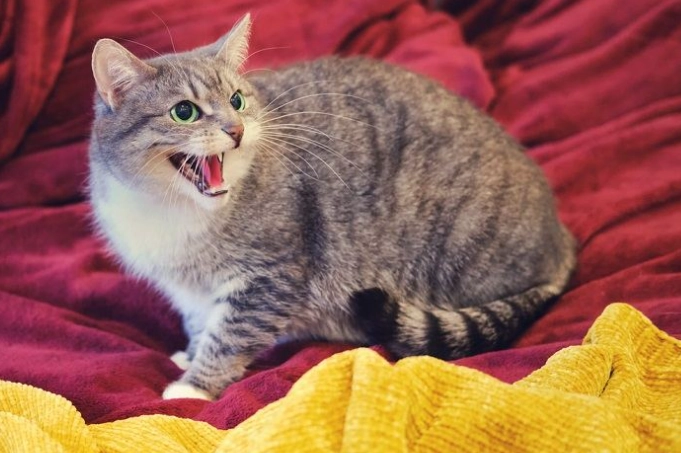
What You'll Find Inside
The Top 7 Reasons Your Cat Is Yowling (and What They Mean)
Yowling isn't just annoying—it's a clue. Based on my experience and research from sources like the Cornell Feline Health Center, here are the key triggers, ranked from most urgent to more behavioral.
Medical Issues: Pain and Discomfort
Cats hide pain well, but yowling can be a giveaway. Think urinary tract infections, arthritis, or dental problems. I recall a friend's cat who yowled suddenly; it was a blocked bladder, which is life-threatening. If yowling is new or intense, rule this out first. Look for other signs: limping, changes in litter box use, or loss of appetite. Hyperthyroidism is another sneaky one—common in older cats, it amps up vocalization.
Cognitive Dysfunction in Senior Cats
Older cats (over 10 years) might yowl due to feline cognitive dysfunction, similar to dementia. They get confused, especially at night, and yowl aimlessly. My own senior cat did this—wandering and crying like he was lost. It's heart-wrenching, but manageable with routines and vet guidance.
Attention-Seeking Behavior
Sometimes, it's simple: your cat wants food, play, or cuddles. If you respond to yowling with attention, even negative, you reinforce it. I learned this the hard way with Whiskers—he'd yowl, I'd scold him, and he saw it as interaction. Cats are smart; they learn what works.
Stress and Anxiety
Changes like moving, new pets, or loud noises can trigger anxiety-induced yowling. Cats are creatures of habit. A study by the American Society for the Prevention of Cruelty to Animals (ASPCA) notes that stress often manifests vocally. If your cat yowls after a change, anxiety might be the culprit.
Mating Calls
Unspayed females yowl to attract mates, and unneutered males do it in response. It's loud, persistent, and seasonal. Spaying or neutering usually solves this—it's a no-brainer for reducing noise and health risks.
Territorial Disputes
Outdoor cats or multi-cat households might yowl to assert dominance or warn intruders. It's often accompanied by staring or posturing. I've seen this in my neighborhood—cats yowling at each other through windows.
Boredom and Lack of Stimulation
Indoor cats with nothing to do can yowl out of frustration. They need mental and physical exercise. A bored cat is a noisy cat. Think about it: if they sleep all day, they'll have energy to burn at night.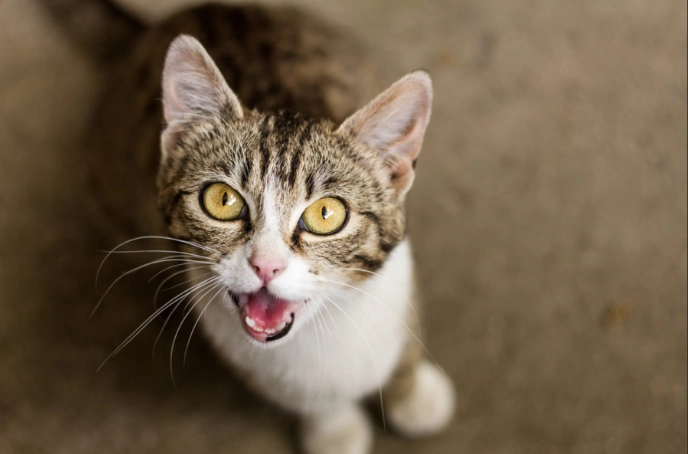
Pro Tip: Don't ignore sudden yowling—it could be medical. But if it's chronic, start with environmental tweaks. I wasted months assuming Whiskers was just being difficult before checking his thyroid levels.
How to Diagnose the Cause of Yowling
Figuring out why your cat yowls is detective work. Here's a practical approach I use:
- Track the patterns: Note when and where yowling happens. Is it at night? Near food bowls? After you leave? Use a simple journal or phone notes.
- Observe body language: Is your cat crouching (pain), pacing (anxiety), or staring out windows (territorial)? Context matters.
- Rule out medical issues: Schedule a vet visit. Blood tests, urinalysis, and physical exams can spot problems like hyperthyroidism or arthritis. Don't skip this—I've seen owners blame behavior when it was a health crisis.
- Assess environment: Any recent changes? New furniture, people, or routines? Cats hate surprises.
Here's a quick table to help narrow it down:
| Cause | Typical Signs | Immediate Action |
|---|---|---|
| Medical Pain | Sudden yowling, hiding, appetite loss | Vet visit ASAP |
| Attention-Seeking | Yowling when alone, stops with attention | Ignore and reward quiet |
| Boredom | Yowling at night, destructive behavior | Increase play and enrichment |
| Stress | Yowling after changes, over-grooming | Provide safe spaces, pheromones |
Effective Solutions to Reduce Yowling
Once you know the cause, action is key. Here are proven steps—some from trial and error with my own cats.
For Medical Causes
Follow vet advice. Medication, diet changes, or pain management can work wonders. For hyperthyroidism, treatments like radioiodine therapy exist. Don't delay—early intervention saves lives.
For Behavioral Causes
- Enrich the environment: Cat trees, puzzle feeders, window perches. Rotate toys weekly to prevent boredom. I set up a bird feeder outside my window—Whiskers would watch for hours, yowling less.
- Establish routines: Feed, play, and cuddle at consistent times. Cats thrive on predictability. A 15-minute play session before bed can reduce nighttime yowling dramatically.
- Use positive reinforcement: Ignore yowling, reward silence with treats or pets. It takes patience, but it reshapes behavior. Avoid punishment—it increases stress.
- Consider supplements or products: Pheromone diffusers (like Feliway) can calm anxious cats. For seniors, discuss cognitive support supplements with your vet.
One mistake I see: owners give up too soon. Consistency is everything. It took me three weeks of ignoring Whiskers' yowls before he got the message.
When to Call the Vet: Red Flags
Don't play doctor. Seek professional help if:
- Yowling starts suddenly and intensely.
- It's paired with vomiting, diarrhea, or lethargy.
- Your cat seems disoriented or loses balance.
- There's no obvious trigger, and it persists for days.
Vets can run tests to rule out emergencies. I regret waiting a week when Whiskers had a UTI—it escalated fast. Better safe than sorry.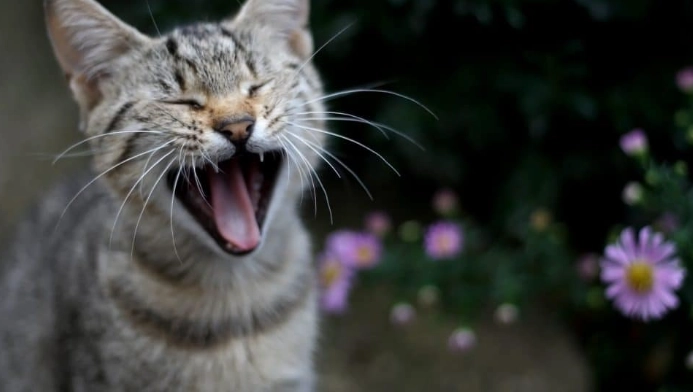
FAQ: Your Burning Questions Answered
 Final thought: yowling is a puzzle, but with observation and action, you can solve it. Start with a vet visit, tweak your home environment, and be patient. Your cat isn't trying to annoy you—they're telling you something. Listen closely.


Leave a comment