Quick Guide
- The Shortlist: Nuts That Are Generally Considered Safe for Dogs (With Major Caveats)
- The Danger Zone: Nuts That Are Toxic or Highly Hazardous to Dogs
- Beyond Toxicity: The Hidden Risks of Feeding Nuts to Dogs
- So, What Can You Safely Give Your Dog Instead?
- Your Questions, Answered: The Nuts and Dogs FAQ
- Final Thoughts: Making the Safe Choice
So, you're sitting on the couch, cracking open some peanuts or almonds, and those big, soulful eyes are locked onto you. That pleading look. That gentle nudge with a wet nose. The silent question hangs in the air: "Can I have one?" It's a moment every dog owner faces. And the internet's answer is a confusing mess of "yes," "no," and "maybe, but..." It's enough to make your head spin.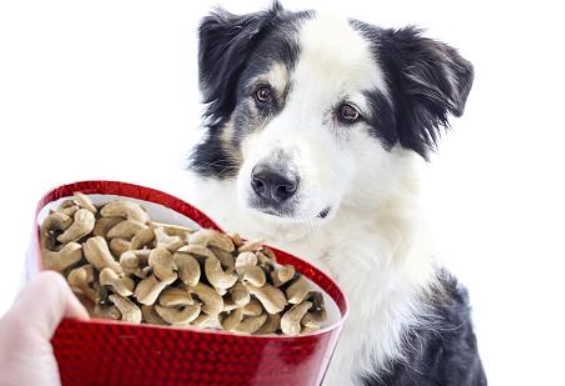
I've been there. My own dog, a mischievous terrier mix, once managed to snag a whole walnut that rolled off the counter. The panic was real. That incident sent me down a rabbit hole of research, talking to vets, and sifting through reliable sources to get clear answers. What I found was that the question of nuts safe for dogs isn't black and white. It's a big, messy gray area where a little knowledge makes all the difference.
Let's cut through the noise. This isn't about scaring you away from ever sharing a snack. It's about giving you the straight facts so you can make informed, safe choices for your furry family member. We'll break down exactly which nuts get a cautious thumbs-up, which are an absolute no-go, and the real reasons why—beyond just "they're toxic." We'll talk about fat, salt, choking hazards, and those sneaky molds. By the end, you'll feel confident, not confused.
The Shortlist: Nuts That Are Generally Considered Safe for Dogs (With Major Caveats)
Okay, let's start with the good news, or rather, the "proceed with extreme caution" news. A very small handful of nuts are not inherently toxic to dogs. I want to stress the word "inherently." That doesn't make them a healthy treat. Think of them as an occasional, tiny indulgence, not a dietary staple. The biggest rule? Always plain, unsalted, and raw or dry-roasted. No flavorings, no coatings, no salt.
Here’s a closer look at the nuts that often make the "safe in moderation" lists. I've put together a table because it's easier to see the details side-by-side.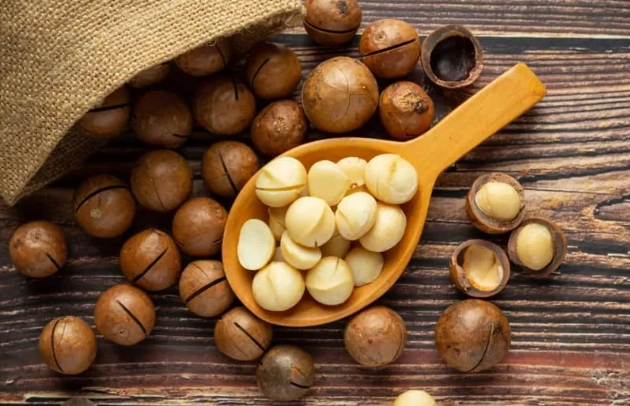
| Nut | Status | Key Considerations & How to Serve (If At All) | My Personal Take & Risk Level |
|---|---|---|---|
| Peanuts | Technically Safe* | Not a true nut but a legume. Must be plain, unsalted, and shelled. High in fat and protein. A choking hazard if whole. Best given as a single, plain peanut butter smear (xylitol-free!) on a toy, not by the handful. | This is the one I might very rarely use. I'll smear a tiny dot of pure peanut butter (ingredients: peanuts) inside a Kong. Even then, it's a rare treat. Risk: Medium (due to fat). |
| Cashews | Technically Safe* | Lower fat than some nuts but still significant. Must be plain, unsalted. Can be high in phosphorus. Always chop into tiny pieces to prevent choking. One or two small pieces max for a medium dog. | I've never given my dog a cashew. The risk/reward just isn't there for me. Too easy to overdo it, and the fat content still worries me. Risk: Medium-High. |
| Brazil Nuts | Borderline / Not Recommended | Extremely high in fat and selenium. Selenium toxicity is a real concern if overfed. Can cause severe gastrointestinal upset (vomiting, diarrhea) and long-term toxicity. | I put this in the "just don't" category. The selenium levels alone are a deal-breaker. The potential for harm far outweighs any non-existent benefit. Risk: High. |
See the pattern? Even the "safe" ones come with a list of warnings.
The American Kennel Club (AKC) has a good, cautious overview of people foods, and they consistently highlight the fat and salt dangers with nuts. It's a resource I check often because they base their advice on veterinary input.
Honestly? After my research, I barely consider any nuts to be truly safe for dogs in a practical sense. The margin for error is so small. A few extra peanuts might not cause immediate toxicity, but they could contribute to weight gain or a grumpy pancreas. Is that worth it when there are better treat options?
The Danger Zone: Nuts That Are Toxic or Highly Hazardous to Dogs
This is the non-negotiable part. Some nuts are outright poisonous to dogs. The effects can range from mild illness to severe, life-threatening conditions. If you remember nothing else from this article, remember this list.
Macadamia Nuts: The Top Offender
These are public enemy number one. The exact toxin is unknown, but even a small amount (as few as 2-3 nuts for a small dog) can cause poisoning. Symptoms usually appear within 12 hours and include:
- Weakness, especially in the hind legs (they often look wobbly or paralyzed)
- Vomiting
- Elevated body temperature
- Tremors
While rarely fatal, the symptoms are scary and require veterinary care. Cookies, trail mixes, and fancy nut blends often contain macadamias, so be extra vigilant.
Walnuts (Especially Black Walnuts and Old/Moldy Walnuts)
This one is tricky. English walnuts (the common kind in stores) are not highly toxic themselves, but they are prone to molding if they sit around. The mold can produce tremorgenic mycotoxins, which cause severe neurological symptoms like seizures. Furthermore, black walnuts, which often fall from trees in yards, contain a toxin called juglone that can cause stomach upset and neurological issues.
The walnut my dog stole was an English walnut from a fresh bag. After the initial panic, I monitored him closely. He was fine, but it was pure luck it wasn't moldy. I don't keep walnuts in shell anywhere accessible anymore. The risk isn't worth the heart attack.
Pecans
Like walnuts, pecans are prone to harboring mold (specifically, aflatoxin-producing molds) and can also contain juglone. The high fat content alone can cause pancreatitis and gastrointestinal upset. The combination of mold risk and high fat puts them firmly on the "avoid" list.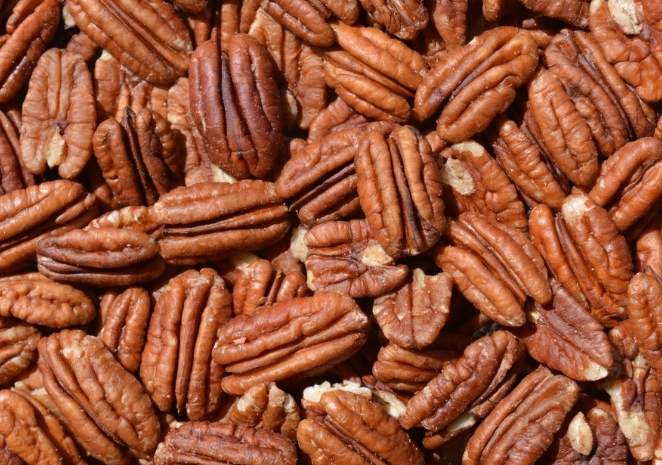
Almonds: The Choking and Blockage Hazard
Almonds aren't toxic like macadamias, but they are a terrible idea for dogs. Their shape and size make them a prime choking hazard. They are also very hard for dogs to digest and can cause intestinal blockage or irritation. Salted almonds add the risk of sodium ion poisoning. I've read too many stories of dogs needing endoscopic removal of an almond stuck in their esophagus. Just skip them entirely.
When you're looking for information on toxic nuts for dogs, the ASPCA's website is an authoritative source. They maintain a comprehensive list of toxic and non-toxic plants and foods, and their poison control center is the gold standard.
Beyond Toxicity: The Hidden Risks of Feeding Nuts to Dogs
Even if you stick to a plain, unsalted peanut, you're not in the clear. The dangers go beyond a list of toxic substances. These are the silent, slow-motion risks that every owner should know.
Pancreatitis: The Big, Scary Threat
This is the risk that worries vets the most with high-fat treats. Nuts, even "safe" ones, are incredibly fatty. A dog's pancreas isn't designed to handle a large, sudden influx of fat. It can become inflamed, leading to pancreatitis. Symptoms include severe vomiting, abdominal pain (your dog may adopt a "praying position" with front legs down and rear end up), diarrhea, and lethargy.
It requires immediate veterinary treatment, often with hospitalization, IV fluids, and medication. It can be life-threatening. Smaller dogs are especially susceptible. Is that handful of cashews worth a $2000 emergency vet bill and putting your dog through that pain? I know my answer.
Choking and Intestinal Obstruction
Dogs don't chew their food like we do. They tend to gulp. A whole nut can easily become lodged in the windpipe or esophagus. Worse, if swallowed, a large, hard nut can cause an obstruction in the intestines. This is a surgical emergency. Nuts in shells are an even greater hazard, as the shells can splinter and cause internal damage.
Sodium Ion Poisoning
Most nuts we buy are salted. Excessive salt intake can lead to sodium ion poisoning in dogs, causing symptoms like vomiting, diarrhea, tremors, high temperature, and seizures. It can be fatal.
Mold and Aflatoxin
As mentioned with walnuts and pecans, nuts that are stored for long periods, especially in warm, humid conditions, can grow mold. Certain molds produce aflatoxins, which are potent, dangerous toxins that can cause severe liver damage in dogs. You often can't see the mold until it's too late.
So, What Can You Safely Give Your Dog Instead?
If you want to give your dog a special human-food treat, there are far safer and healthier options than nuts. These are the things I use instead, and my vet approves.
- Fresh Fruits & Vegetables: Apple slices (no seeds), banana slices, blueberries, watermelon (no rind or seeds), carrot sticks, cucumber slices, or plain cooked green beans. My dog goes crazy for frozen blueberries on a hot day.
- Lean Proteins: Small pieces of plain, cooked chicken, turkey, or fish (no bones, no skin, no seasoning).
- Commercial Dog Treats: They are formulated to be nutritionally appropriate and safe. Look for treats with simple, recognizable ingredients.
- Plain Popcorn: Air-popped, absolutely no butter, salt, or flavorings. A few fluffy pieces make a fine, low-calorie crunch.
The bottom line is this: the desire to share our snacks comes from a place of love. But loving our dogs means making choices that prioritize their health and safety over the momentary joy of a shared bite. There are so many wonderful, safe ways to treat them.
Your Questions, Answered: The Nuts and Dogs FAQ
Final Thoughts: Making the Safe Choice
Navigating what human foods are safe for dogs can feel like walking through a minefield. With nuts, the path is particularly narrow. After all my reading and that walnut scare, my personal policy is simple: I don't feed my dog nuts. Not as a treat, not as a reward. The potential downsides—from an upset stomach to a life-threatening emergency—simply don't justify it.
There are countless other ways to show your dog love.
A extra five minutes of fetch, a new squeaky toy, a good ear scratch, or a vet-approved dog treat. These are the things that make them truly happy, without any hidden danger. When those puppy-dog eyes beg for your snack, you can feel confident saying no, knowing you're making the healthiest choice for your best friend. And honestly, once you break the habit, you don't even miss it. The peace of mind is a better treat for you, too.
If you take one thing from this guide, let it be this: when in doubt, leave it out. Your dog's health isn't the place for experiments. Stick to their regular diet and known-safe treats, and you'll both enjoy many more happy, healthy years together.


Leave a comment