Let's cut to the chase: figuring out how much to feed your cat isn't as simple as filling a bowl. I've been a feline nutrition consultant for over a decade, and I still see owners make the same mistakes—overfeeding indoor cats, ignoring food labels, or assuming all cats eat the same. Your cat's daily food intake depends on a mix of factors, and getting it wrong can lead to obesity or malnutrition. In this guide, I'll break it down so you can tailor portions precisely.
Jump to What Matters Most
What Really Determines Your Cat's Food Needs?
Think of it like this: a lazy indoor cat and a hyper outdoor kitten have totally different calorie burns. I worked with a client whose cat gained two pounds in six months just because they didn't adjust for age. Here are the key players.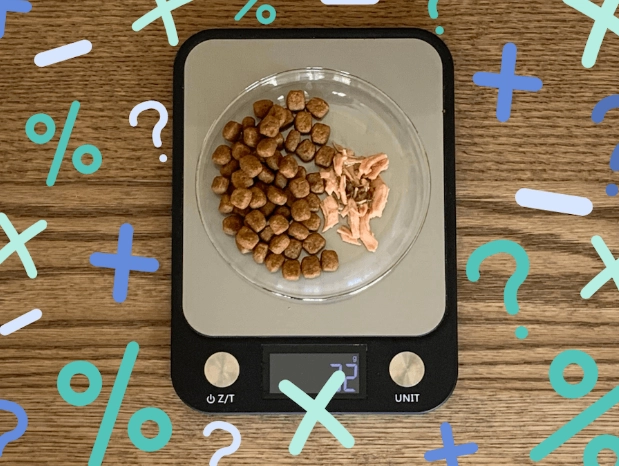
Age and Life Stage
Kittens need way more food per pound than adults—they're growing machines. According to the American Association of Feline Practitioners (AAFP), kittens require about twice the calories of an adult cat. Senior cats, past age 11, often need fewer calories but more protein to maintain muscle. I've seen seniors lose weight because owners kept feeding adult portions.
Weight and Body Condition
This is where most folks slip up. Your cat's ideal weight, not current weight, should guide feeding. Use a body condition score (BCS)—a scale from 1 to 9, with 5 being ideal. If your cat is a 7 (overweight), feed for a lower weight. The World Small Animal Veterinary Association (WSAVA) has free charts online. I once helped a cat drop from a BCS 8 to 5 by cutting portions by 15%.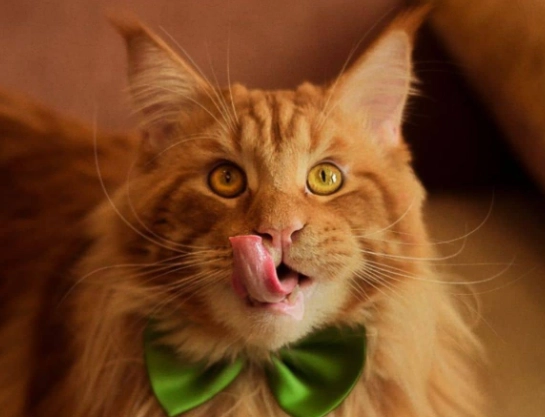
Activity Level
Indoor vs. outdoor makes a huge difference. Outdoor cats burn more calories roaming and hunting. An indoor cat might need 20 calories per pound daily, while an active outdoor cat could need 30-35. But don't guess—track your cat's movement. A cat that sleeps all day? Dial it back.
Type of Food
Dry food is calorie-dense; wet food has more water. A cup of dry kibble can pack 300-400 calories, while a 3-ounce can of wet food might be 70-100 calories. I prefer mixing both: wet food for hydration, dry for convenience. But you must do the math. Switching brands? Calories vary wildly—check the label.
How to Calculate the Right Food Amount for Your Cat
Here's a simple method I use with clients. It's not perfect, but it's a start.
First, find your cat's resting energy requirement (RER). The formula is: RER = 70 x (ideal weight in kg)^0.75. For a 10-pound cat (4.5 kg), that's about 70 x 4.5^0.75 ≈ 200 calories. Then, multiply by a factor based on life stage:
- Kitten (under 1 year): 2.5x RER
- Adult (1-7 years): 1.2x RER for indoor, 1.4x for active
- Senior (7+ years): 1.0x RER, adjust for health
For our 10-pound indoor adult cat: 200 x 1.2 = 240 calories daily.
Now, translate to food. Check your food's calorie content per cup or can. Say your dry food has 350 calories per cup. 240 / 350 ≈ 0.7 cups per day. Split into two meals: 0.35 cups each.
Pro tip: Weigh your cat monthly. A digital scale works best. If weight creeps up, cut portions by 10%. I keep a log for my cats—it's eye-opening.
Here's a quick reference table for common weights, assuming indoor adult cats on dry food (350 cal/cup):
| Cat Weight (lbs) | Daily Calories Needed | Dry Food (cups/day) | Wet Food (5.5oz cans/day) |
|---|---|---|---|
| 8 | 190-210 | ~0.55 | ~2 cans |
| 10 | 240-260 | ~0.7 | ~2.5 cans |
| 12 | 280-310 | ~0.85 | ~3 cans |
| 15 | 340-380 | ~1.0 | ~3.5 cans |
Note: Wet food assumes 90 calories per can. Adjust for your brand.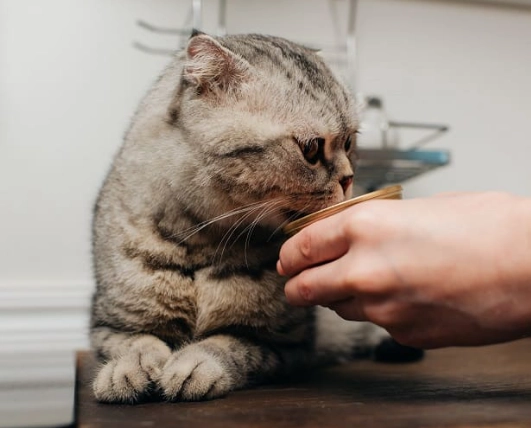
Common Feeding Mistakes You're Probably Making
I've consulted on hundreds of cases, and these errors pop up again and again.
Free-feeding dry food. It's convenient, but cats eat out of boredom. I had a client whose cat ballooned to 18 pounds on free-fed kibble. Switch to measured meals. If you must free-feed, use a timed feeder with pre-portioned amounts.
Ignoring treat calories. Those little treats add up. Ten treats a day can be 50 extra calories—that's 10% of a cat's daily need. Count them as part of the daily total. I recommend low-calorie treats or using bits of regular food.
Not adjusting for spaying/neutering. Fixed cats have lower metabolism. Reduce portions by 10-20% after surgery. Many vets forget to mention this, and I see weight gain within months.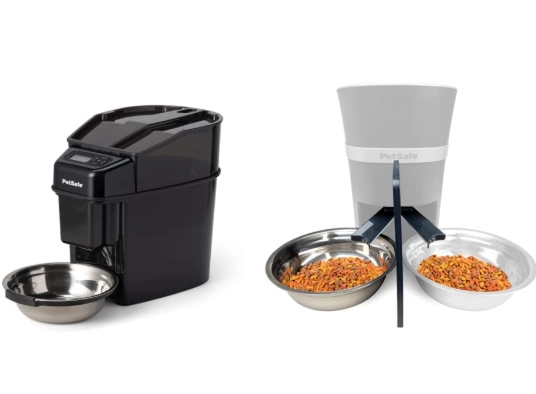
Feeding by volume, not calories. A cup of one brand isn't equal to another. Always check the calorie content on the bag. I've seen cats underfed on "light" foods because owners didn't realize they were lower in calories.
Assuming all cats are the same. My two cats: one is a grazer, the other a gobbler. I feed them separately to prevent bullying. Observe your cat's habits—some need more frequent, smaller meals.
Your Top Cat Feeding Questions Answered
Wrapping up, feeding your cat right isn't rocket science, but it requires attention. Start with the basics—weight, age, activity—and adjust as needed. Keep a log, weigh regularly, and don't hesitate to ask your vet. I've seen cats thrive on simple, measured diets. Your feline friend will thank you with better health and energy.





Leave a comment