In This Article
- Why Are We Even Talking About Fish Oil for Cats?
- The Hidden Dangers in Your Human Fish Oil Bottle
- Pet-Specific vs. Human Fish Oil: A Side-by-Side Showdown
- If You Absolutely Must: A Risk-Mitigation Checklist
- The Vet-Recommended Path: Choosing a Cat-Specific Product
- How to Actually Give Fish Oil to Your Cat (Without the Drama)
- Your Top Questions on Cats and Fish Oil, Answered
- The Final Verdict: Is It Worth the Risk?
You're holding that bottle of human fish oil capsules, looking at your cat, and the question pops into your head. Can I feed my cat human fish oil? It seems simple enough, right? Fish is good, oil is good, so it must be fine. I've been there myself, staring at the supplement shelf, wondering if I could just share mine with my tabby, Whiskers. Let me save you some guesswork and potential worry.
The short, direct answer is: maybe, but it's a risky shortcut with some very important ifs and buts attached. Using human fish oil for cats isn't inherently a death sentence, but it's like using a chainsaw to trim a bonsai tree – the wrong tool for a delicate job, and you could do serious harm if you're not incredibly careful.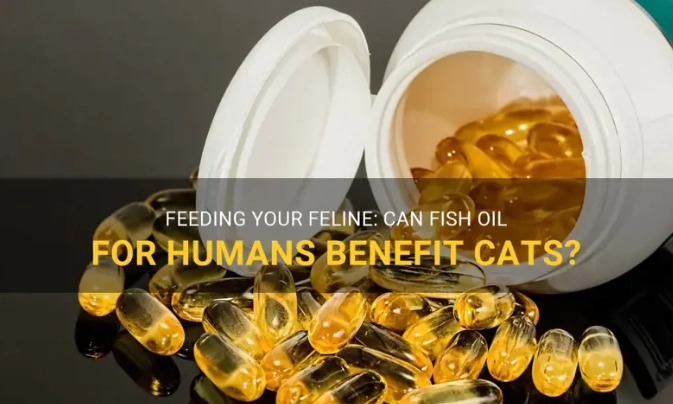
Here's the core truth most articles miss: The issue isn't just the oil itself. It's the dosage, the type of omega-3s, the potential additives, and the fact that cats process things very differently than we do. A dose that's a drop in the bucket for you could be a tidal wave for your 10-pound feline.
Why Are We Even Talking About Fish Oil for Cats?
Before we dive into the safety minefield of human-grade supplements, let's talk about why fish oil is on your radar. The benefits of omega-3 fatty acids (specifically EPA and DHA) for cats are pretty well-documented. We're not just talking shiny coats here, though that's a nice bonus.
Research and veterinary practice point to real, tangible health perks:
- Joint Health & Mobility: For older cats or breeds prone to arthritis, omega-3s are like natural lubricant and anti-inflammatories. They can help reduce stiffness and make jumping onto the couch less of a painful chore.
- Skin & Coat Supercharger: This is the most visible benefit. Dry, flaky skin? Dull fur? Omega-3s help from the inside out, improving skin barrier function and giving that coat a healthy sheen. It can even help with mild allergies and reduce excessive scratching.
- Kidney Support: This is a big one for senior cat care. Studies, like those referenced by the American Animal Hospital Association (AAHA), suggest omega-3s may help support kidney function and slow the progression of chronic kidney disease, a common issue in older cats.
- Anti-Inflammatory Power: Inflammation is at the root of many chronic issues. Omega-3s help manage systemic inflammation, potentially benefiting heart health and overall wellness.
So the intention behind asking "can I feed my cat human fish oil" is solid. You want these benefits for your furry friend. The problem is the execution.
The Hidden Dangers in Your Human Fish Oil Bottle
This is where we get to the nitty-gritty, the stuff that makes me pause when owners ask me. Human supplements are formulated for human bodies. That seems obvious, but the implications for cats are huge.
The #1 Risk: Vitamin A & D Toxicity. This is the silent danger. Many human fish oil supplements, especially cod liver oil, contain added vitamins A and D. For humans, these levels are safe. For a small cat, they can be toxic over time. Vitamin A toxicity (hypervitaminosis A) can cause bone deformities, joint pain, and organ damage. Vitamin D toxicity leads to dangerously high calcium levels, causing kidney failure and even death. It's a slow, insidious process.
Other pitfalls include:
- Wrong Omega-3 Ratios: Cats need specific ratios of EPA to DHA. Human supplements might be skewed for cardiovascular health in people, not for feline joints or kidneys.
- Additives and Flavorings: Lemon flavor? Rosemary extract? Other preservatives? These are common in human products and can be irritating or even toxic to cats. Garlic or onion oil, sometimes added, is outright poisonous.
- Dosage Nightmare: A human capsule might contain 1000mg of fish oil. A typical cat dose starts at around 100mg. How do you accurately divide that? Guessing can lead to under-dosing (no benefit) or over-dosing (digestive upset, pancreatitis risk).
- Contaminant Concerns: While less common now, lower-quality human oils might have higher levels of environmental contaminants like mercury or PCBs. Cats are more sensitive to these toxins.
I remember a client who diligently gave her cat a quarter of her own "high-potency" fish oil capsule for months. The cat developed severe diarrhea and lost weight. We traced it back to the supplement's high vitamin D content and a filler the cat's system just couldn't handle. It took weeks to get her back to normal. So, can you feed your cat human fish oil? Technically, yes. Should you, given these risks? That's a much harder sell.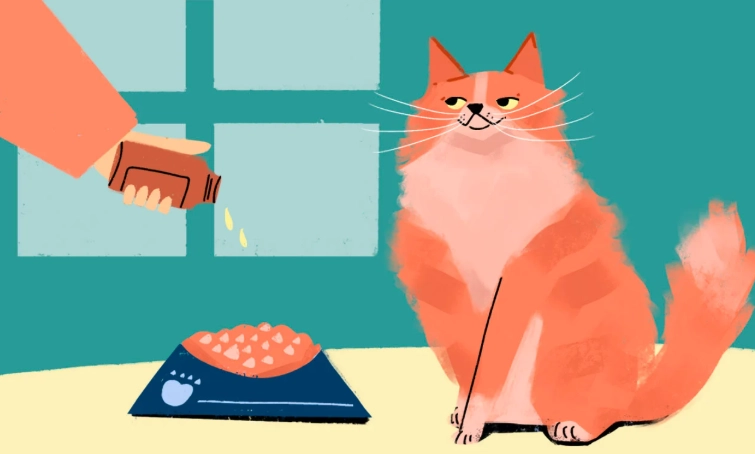
Pet-Specific vs. Human Fish Oil: A Side-by-Side Showdown
Let's make this crystal clear. Here’s exactly what separates a product designed for cats from the one in your kitchen cupboard.
| Feature | Human Fish Oil Supplement | Veterinary-Formulated Cat Fish Oil |
|---|---|---|
| Primary Audience | Adult Humans (60-80kg) | Cats (3-7kg) |
| Typical Dose per Unit | High (500mg - 1000mg+) | Low & Precise (50mg - 250mg) |
| Added Vitamins (A/D) | Common, at human-safe levels | Rarely added; if so, at feline-safe levels |
| Flavorings/Additives | Lemon, orange, rosemary, etc. | Often unflavored or animal-friendly (e.g., fish) |
| Omega-3 Ratio (EPA:DHA) | Optimized for human heart/brain health | Optimized for feline joint/skin/kidney health |
| Purity Standards | Human food/supplement guidelines | May adhere to veterinary/pharmaceutical guidelines |
| Ease of Administration | Large capsules, hard to split | Small pumps, easy-to-pierce capsules, liquids |
| Cost Consideration | Seems cheaper per mg | More expensive per mg, but no waste/risk |
See the mismatch? Using human fish oil for cats means you're constantly fighting the product's design. It's not just about the active ingredient; it's about the entire package.
If You Absolutely Must: A Risk-Mitigation Checklist
I don't recommend it. I really don't. But I'm a realist. Maybe you're in a pinch, or you've already started. If you're going to proceed after asking "can I feed my cat human fish oil," you must follow these rules. Think of them as non-negotiable.
The Safe-If-You-Must Protocol:
- Consult Your Vet First. Yes, even for a "natural" supplement. Tell them the exact brand and product you have. They can check the label and your cat's health history for red flags.
- Read the Label Like a Detective. No added vitamins A or D. No garlic, onion, or xylitol. No artificial sweeteners or strong flavorings. The ingredient list should be short: fish oil, maybe a capsule (gelatin, glycerin), and sometimes a natural preservative like vitamin E (tocopherols).
- Choose the Right Type. Skip cod liver oil (high in Vit A). Look for molecularly distilled, pure salmon, sardine, or anchovy oil. The FDA's guidelines on pet food and supplements remind us that sourcing and purity matter.
- Master the Micro-Dose. This is the hardest part. A general starting guideline is 20-55mg of combined EPA/DHA per pound of body weight daily. For a 10lb cat, that's 200-550mg of total fish oil (not just the capsule weight). You'll need a small syringe to draw oil from a punctured capsule. Guessing is not an option.
- Start Incredibly Slow. Begin with 1/4 of the calculated dose for a week. Watch for loose stools, vomiting, or lack of appetite. Cats have sensitive guts.
- Make It a Short-Term Solution. Use the human product only until you can get a proper feline supplement. This is a temporary bridge, not a permanent plan.
Frankly, after going through that list, doesn't buying a product made for cats just seem… easier and safer?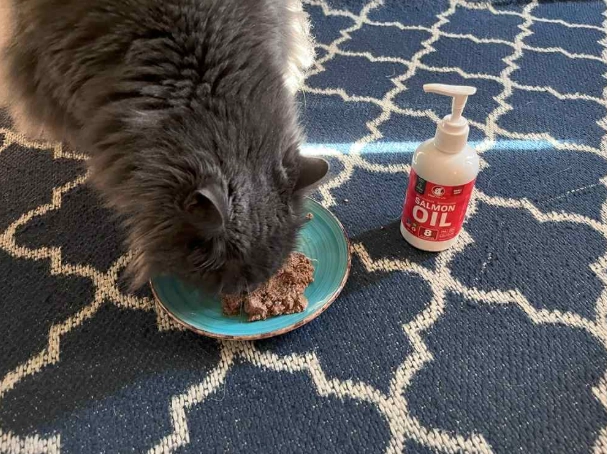
The Vet-Recommended Path: Choosing a Cat-Specific Product
Let's talk about the better way. When you choose a product designed for the job, 90% of the risks and headaches vanish.
What to look for in a quality cat fish oil supplement:
- Species-Specific Labeling: It should say "for cats" or "veterinary formula."
- Clear EPA/DHA Content: The label must state the milligrams of EPA and DHA per serving, not just "1000mg of fish oil." This is the active part that matters.
- Third-Party Testing: Look for mentions of purity testing for heavy metals and oxidants. Brands that do this are proud of it and will say so.
- Appropriate Form: Liquid pumps or small, easy-to-administer capsules are best. The American Association of Feline Practitioners (AAFP) emphasizes that ease of administration is key to compliance – if it's a battle, you won't do it consistently.
- Reputable Brand: Brands that sell through veterinarians or reputable pet retailers generally have higher quality control.
My own go-to for Whiskers was a liquid salmon oil with a pump. One pump = his exact dose. No mess, no guessing, no wrestling with capsules. It was more expensive upfront than my bottle, but it lasted ages with zero waste or worry. The peace of mind was worth every penny.
How to Actually Give Fish Oil to Your Cat (Without the Drama)
You've got the right product. Now how do you get it into the cat? Cats are connoisseurs of spite when they dislike something.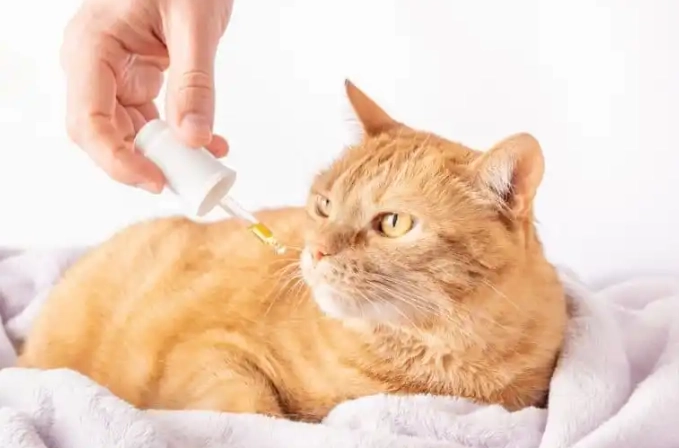
- The Sneaky Mix-In: The gold standard. Stir the dose thoroughly into a small amount of wet food. Use a strong-smelling pate to mask any scent. Start with a tiny amount of food to ensure they eat the whole medicated portion.
- The Direct Approach (For Brave Souls): Use a needle-less syringe to gently place the oil at the side of the mouth, behind the canine teeth. Go slow to prevent choking. Reward immediately with a treat or their main meal.
- What NOT to Do: Don't just dump it on top of dry food. They'll eat around it. Don't add it to a full day's bowl – it can oxidize and spoil the food. Don't force it if it causes extreme stress; you'll create a negative association.
The goal is a calm, routine experience. If it becomes a twice-daily wrestling match, the stress outweighs the benefit.
Your Top Questions on Cats and Fish Oil, Answered
Can I feed my cat human fish oil? See, the question itself is just the tip of the iceberg. The real conversation is about safety, precision, and choosing the path of least resistance for you and your cat.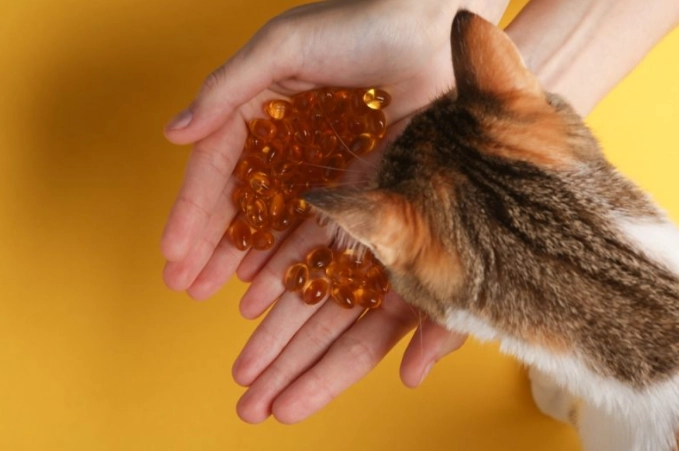
The Final Verdict: Is It Worth the Risk?
So, after all this, where do we land on the big question?
Using human fish oil for cats is a gamble. The potential downsides – toxicity from vitamins, incorrect dosing, digestive havoc – are significant and based on the fundamental mismatch between human and feline biology. The perceived cost savings often disappear when you account for waste, the time spent calculating doses, and the potential vet bills if something goes wrong.
The alternative is simple, safe, and designed for the job. A high-quality, cat-specific fish oil supplement removes the guesswork and the major risks. It's formulated at the right dose, with the right ratios, without the dangerous extras. It's easier to give, and you can be confident you're helping, not accidentally harming.
The Bottom Line: Skip the shortcut. The question "can I feed my cat human fish oil" has a technically possible but practically risky answer. The wiser choice is to invest in a supplement made for your cat's unique needs. Your cat's health isn't the place to cut corners. Do it once, do it right, and then you can both enjoy the benefits – a healthier, more comfortable cat and your own peace of mind.
Talk to your vet at the next check-up. Bring up your interest in omega-3s. They can recommend a trusted brand and a dose tailored to your individual cat. That's the secret to doing this well – a partnership between your good intentions and their professional knowledge.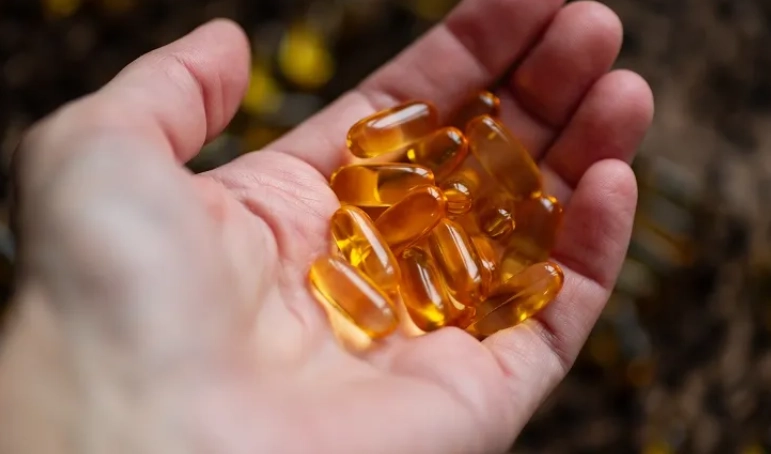
And Whiskers? He's still getting his pump of salmon oil with his dinner. His coat is ridiculously soft, and at 14 years old, he's still jumping onto windowsills. We did it the right way, and I've never regretted it for a second.



Leave a comment