Let's be honest. Bathing a cat rarely makes the highlight reel of pet ownership. It's often a chaotic mix of claws, yowls, and soggy frustration. But here's the thing I learned the hard way after a decade in feline care: the shampoo you use can turn a traumatic ordeal into a manageable task, or it can make a bad situation much, much worse for your cat's health. Choosing a truly cat safe shampoo isn't about picking the nicest-smelling bottle; it's about understanding feline biology and avoiding hidden dangers. This guide cuts through the marketing hype to give you the actionable knowledge you need.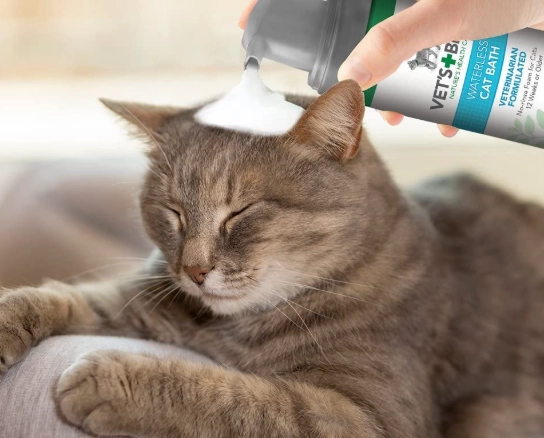
What’s Inside This Guide
What Makes a Shampoo ‘Cat Safe’? It’s Not Just “Gentle”
A cat's skin is fundamentally different from ours. The pH balance of feline skin is more neutral (around 6.2-7.4), while human skin is more acidic. Using a shampoo formulated for human pH can disrupt the acid mantle, that protective barrier on your cat's skin. This leads to dryness, irritation, and opens the door for infections and parasites. A cat safe shampoo is specifically pH-balanced for cats.
But pH is just the start. The ingredient list is where the real dangers hide. Many products, even some labeled for pets, contain harsh chemicals that cats are particularly sensitive to because of their fastidious grooming habits. They lick themselves clean, ingesting whatever residue is left on their fur.
The Big Red Flags: You must avoid shampoos containing synthetic fragrances, dyes, Sodium Lauryl Sulfate (SLS) or Sodium Laureth Sulfate (SLES), parabens, and alcohol (listed as ethanol or isopropyl alcohol). These are common irritants. A study referenced by the U.S. Food and Drug Administration (FDA) on animal drug safety underscores the importance of avoiding unnecessary topical chemicals that can be ingested through grooming.
One subtle mistake I see constantly? Owners using a “natural” dog shampoo on their cat. Many dog shampoos contain essential oils like tea tree, peppermint, or citrus, which are highly toxic to cats and can cause liver damage. The ASPCA Animal Poison Control Center lists many essential oils as poisonous to felines. Cat safe means formulated exclusively for cats.
| Ingredient to AVOID | Why It's a Problem for Cats | Safer Alternative to Look For |
|---|---|---|
| Synthetic Fragrances/Dyes | Common allergens, cause skin irritation, unnecessary chemicals. | Fragrance-free or naturally scented with cat-safe botanicals. |
| Sodium Lauryl Sulfate (SLS) | Harsh detergent, strips natural oils, causes dryness and itchiness. | Coconut-based cleansers (Cocamidopropyl Betaine, Decyl Glucoside). |
| Parabens (Methylparaben, etc.) | Preservatives linked to endocrine disruption; ingested during grooming. | Natural preservatives like vitamin E (Tocopherol). |
| Essential Oils (Tea Tree, Eucalyptus) | Can cause severe toxicity, neurological issues, liver failure. | Oatmeal, aloe vera, or chamomile for soothing properties. |
How to Choose the Right Cat Safe Shampoo for Your Situation
Not all cat shampoos are created equal. The “best” one depends on your cat's specific needs. Here’s how to match the product to the problem.
For Routine Cleaning & General Maintenance
You want a simple, mild, soap-free cleanser. Look for keywords like “hypoallergenic,” “tearless,” and “moisturizing.” The ingredient list should be short and recognizable. Brands like Burt's Bees for Cats Hypoallergenic Shampoo or Earthbath Ultra-Mild Wild Cherry are good examples. They clean without stripping, and their formulas are generally free of the major irritants.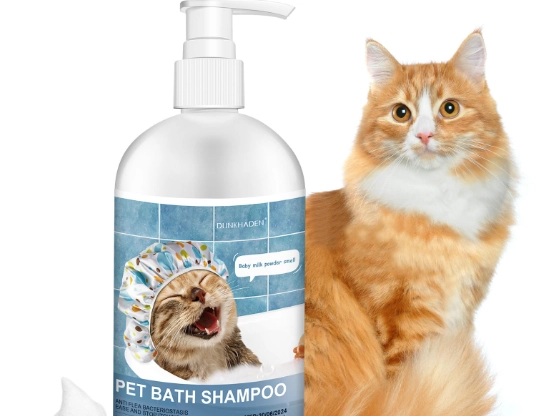
For Specific Skin Conditions: Dandruff, Itching, or Allergies
If your cat has flaky skin or is constantly scratching, you need a functional shampoo. Colloidal oatmeal is a superstar here—it's a natural anti-inflammatory that relieves itchiness. For more severe issues, a shampoo with phytosphingosine can help repair the skin barrier. Always consult your vet first if you suspect an allergy or infection. They might recommend a medicated shampoo with chlorhexidine or miconazole, but these are prescription-level decisions, not over-the-counter guesses.
Pro Tip from the Grooming Table: Lather doesn't equal clean. Many gentle, cat-safe shampoos don't produce a thick sudsy lather like human shampoos. Don't keep adding more product thinking it's not working. A thin, slick lather is often all you need.
For “Oops” Moments: Skunk, Oil, or Sticky Substances
In emergencies, you need a degreasing or deep-cleaning formula. Even here, safety is key. A classic, vet-recommended solution for skunk odor is a mixture of 1 quart 3% hydrogen peroxide, ¼ cup baking soda, and 1 teaspoon of a gentle, liquid dish soap (like Dawn). The dish soap cuts the oil, but this mixture must be rinsed extremely thoroughly and used immediately, not stored. For other messes, look for a clarifying shampoo designed for cats, but reserve it for true emergencies only.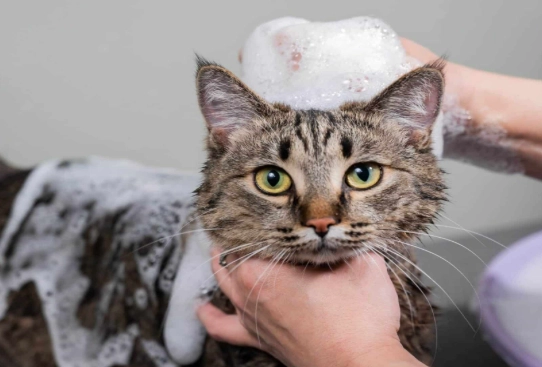
How to Bathe a Cat: A Step-by-Step Guide for Success
Your technique is as important as your shampoo. Rushing or forcing the process guarantees failure. Here's a method that prioritizes the cat's comfort.
1. Prep Like a Pro. Gather everything before you get the cat: shampoo (diluted if required), several towels, a non-slip mat for the sink/tub, a jug or handheld sprayer with lukewarm water (test on your wrist—it should feel barely warm), and treats. Close the bathroom door. Trim claws a day or two in advance if possible.
2. The Calm Introduction. Don't just plop them in water. Place your cat on the non-slip mat in an empty sink/tub. Speak calmly. Use a jug to slowly pour water over their body, avoiding the head initially. Most cats hate the sound of running tap water directly on them.
3. Lather and Rinse, The Right Way. Apply the diluted cat safe shampoo from the neck down. Never pour shampoo directly on the head. Gently massage it into a lather along their back, sides, belly, legs, and tail. Clean the face with a damp washcloth only, no shampoo near eyes or ears.
Here’s the critical part most people mess up: Rinsing takes twice as long as lathering. Any leftover shampoo will dry on the skin and cause irritation. Rinse, rinse, and rinse again until the water runs completely clear and the fur doesn't feel slippery.
4. The Dry-Down. Wrap your cat in a warm, dry towel immediately. Blot and squeeze gently—don't rub vigorously. You can use a second dry towel. Keep them in the warm bathroom until they are mostly dry. A low-heat blow dryer held at a distance can be used only if your cat is completely unfazed by the noise; for most, it's terrifying.
My personal trick? I have an old, soft kitchen towel I call the “cat bathrobe.” I wrap it around their front legs and body, which seems to give them a sense of security while they lick themselves back to dignity.
Common Bathing Mistakes You’re Probably Making
Even with the best cat safe shampoo, these errors can ruin the experience.
Mistake #1: Incomplete Rinsing. I’ve said it before, but it’s the number one cause of post-bath itching and coat dullness. Residue is the enemy.
Mistake #2: Wrong Water Temperature. Too hot burns, too cold is a shock. Lukewarm is the only option.
Mistake #3: Bathing Too Frequently. Cats are self-cleaning. Unless directed by a vet or for a specific mess, bathing more than once a month is usually excessive and harmful to their skin. The VCA Animal Hospitals notes that most cats require minimal bathing.
Mistake #4: Ignoring the Ears and Eyes. Never get water or shampoo in the ears (a leading cause of infections) or eyes. Use cotton balls gently placed in the ear canal to block water, and wipe the face with a damp cloth only.
Mistake #5: Forgetting the Reward. The bath must end on a positive note. High-value treats, gentle praise, and a calm cuddle session afterward help rebuild trust.
Your Top Cat Bathing Questions, Answered
What is the best cat safe shampoo for a cat with dandruff?
Look for shampoos containing colloidal oatmeal or natural moisturizers like aloe vera. These ingredients soothe dry, flaky skin without harsh chemicals. Avoid medicated shampoos unless specifically prescribed by your vet, as they can be too strong for routine use. A gentle, moisturizing formula from a trusted brand like Earthbath's Oatmeal & Aloe line is often a great starting point.
Can I use a small amount of my own human shampoo on my cat in an emergency?
No, you should never use human shampoo on a cat, even as a one-time thing. The pH mismatch is immediate and can strip their skin's protective oils, leading to dryness, irritation, and increased vulnerability to infections. It's not worth the risk. Keep a bottle of cat-safe shampoo on hand; in a true pinch, a water-only rinse is far safer than using the wrong product.
My cat has sensitive skin and gets red after baths. What cat safe shampoo should I use?
For sensitive skin, opt for a fragrance-free, hypoallergenic shampoo with an extremely short ingredient list. Shampoos labeled "for sensitive skin" or "hypoallergenic" are formulated to minimize reactions. A key step most people miss is the dilution ratio. Even a gentle shampoo can irritate if used at full strength. Always dilute it more than the bottle suggests—try a 1:10 ratio with water—and do a patch test on a small area of skin 24 hours before a full bath.
How often can I safely bathe my cat with cat safe shampoo?
For most healthy indoor cats, a full bath is rarely needed—every 4-6 weeks at most, and often only a few times a year. Over-bathing is a common error that can cause skin problems. Cats are excellent self-groomers. Bathing frequency should be determined by need (e.g., they got into something sticky or smelly) or a specific skin condition under veterinary guidance, not by a set calendar schedule.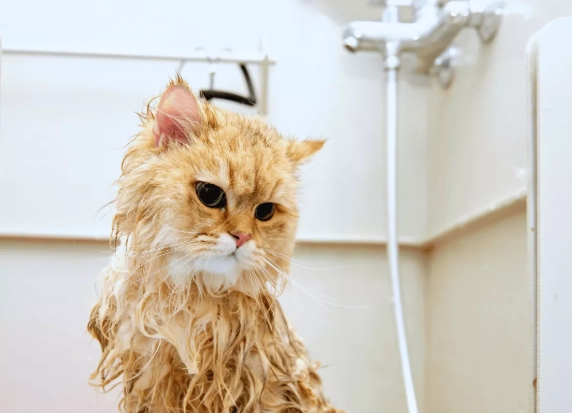
Leave a comment